What Causes Spider Cracks in Car Paint and Ways to Fix Them
Spider cracks in car paint are a frustrating problem for many vehicle owners. These thin, web-like lines can appear suddenly or develop over time, making even a well-maintained car look older and neglected. If you have noticed these cracks on your vehicle, you are not alone.
Many people struggle to understand what causes spider cracks, how to prevent them, and most importantly, how to fix them without making things worse. In this article, you will learn everything you need to know about spider cracks in car paint, including the reasons behind them, repair methods, prevention tips, and expert advice.
By the end, you will feel confident about dealing with spider cracks, whether you want to fix them yourself or seek professional help.
What Are Spider Cracks In Car Paint?
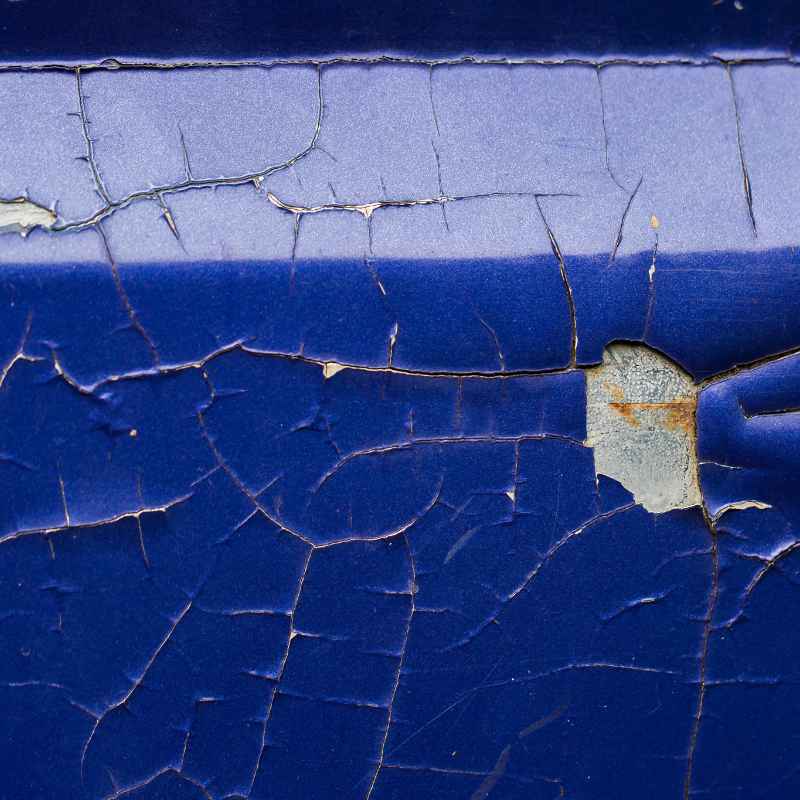
Spider cracks are tiny, branching lines that appear in the paint layer of a car. They look like the web of a spider, which is how they got their name. These cracks are usually shallow and do not go through the entire paint layer.
However, over time, they can become deeper and lead to larger problems, such as peeling or corrosion.
You can often spot spider cracks in areas exposed to stress, heat, or impact. For example, they are common on bumpers, hoods, and near door handles. The cracks are usually most visible on lighter-colored cars, but they can affect any vehicle.
Spider cracks are not just a cosmetic issue. They can weaken the paint’s protection, exposing the metal underneath to moisture and air. If ignored, spider cracks can result in rust and more expensive repairs.
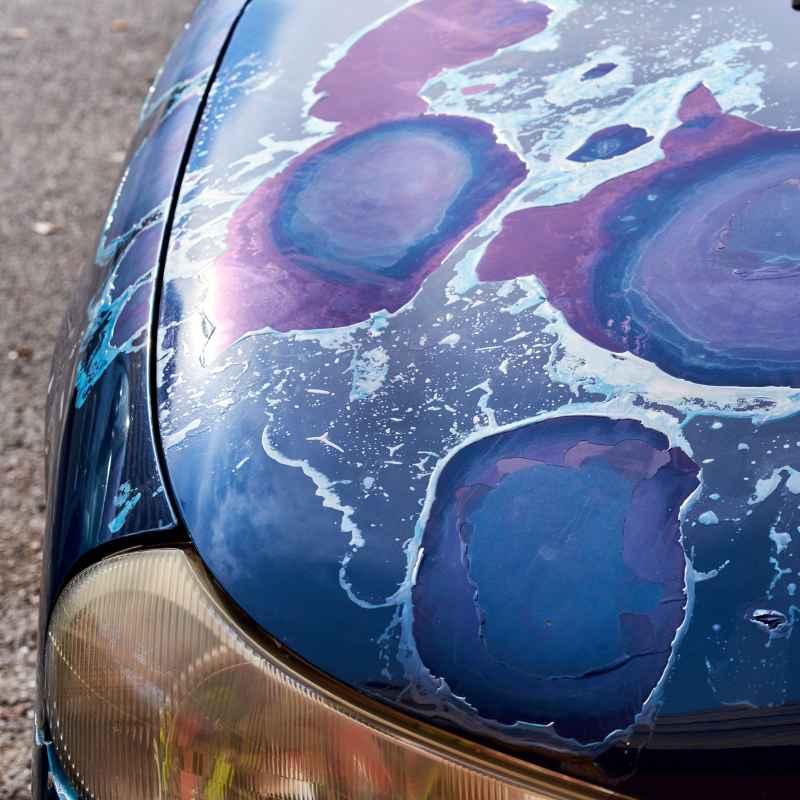
Main Causes Of Spider Cracks In Car Paint
Understanding the causes of spider cracks is key to prevention and repair. Different factors can lead to these cracks, and sometimes, more than one reason is at play.
1. Physical Impact And Stress
The most common cause of spider cracks is physical impact. For example, a minor collision, hitting a curb, or even closing a door too hard can create stress in the paint layer. When the force is too strong for the paint to handle, it breaks, forming cracks.
Even small impacts, such as shopping carts bumping into your car, can lead to spider cracks over time. The cracks often start small and grow as the paint continues to flex and bend.
2. Poor Paint Application
Quality matters when it comes to paint. If your car’s paint was applied incorrectly, spider cracks can form much faster. Common mistakes include:
- Using too much paint in one layer
- Not letting the paint dry between coats
- Applying paint over dirty or oily surfaces
When paint is too thick or not bonded properly, it becomes brittle. As the car moves and vibrates, the paint cannot flex, so it cracks.
3. Temperature Changes
Cars are exposed to temperature extremes. Hot sun, freezing nights, and rapid changes can all affect paint. Paint expands when heated and contracts when cooled. If the paint is not flexible enough, these changes cause stress that leads to spider cracks.
For example, parking in direct sunlight for hours and then driving into a cold garage can stress the paint. Over time, these cycles weaken the paint and make cracks more likely.
4. Aging And Wear
Nothing lasts forever, and car paint is no exception. As paint ages, it loses its flexibility and strength. Environmental factors, such as UV rays, rain, and pollution, speed up this process.
Older paint is more likely to crack, especially if it has been exposed to harsh conditions. Many cars develop spider cracks after 5–10 years, especially if they are not regularly waxed or protected.
5. Chemical Exposure
Certain chemicals, such as gasoline, brake fluid, or strong cleaning agents, can damage paint. If these chemicals spill or splash on your car, they may weaken the paint’s structure. Over time, repeated exposure can cause spider cracks.
It is important to use car-safe products and avoid spilling harsh chemicals on painted surfaces.
6. Manufacturing Defects
Sometimes, spider cracks are caused by factory defects. If the paint formula was wrong or the surface was not prepared properly during manufacturing, cracks can appear even in new cars. While this is rare, it does happen.
7. Improper Repairs
If your car was repaired after an accident, but the paint was not applied correctly, spider cracks can develop. Cheap or rushed paint jobs, poor surface prep, or low-quality materials increase the risk.
8. Vibration And Flexing
Parts of a car that flex often, such as bumpers or panels, are more likely to develop spider cracks. Paint must stretch and bend with the underlying material. If it cannot, the stress causes cracks.
Where Do Spider Cracks Usually Appear?
Spider cracks can show up anywhere on a car, but some areas are more prone than others. Knowing these spots can help you check your car regularly.
- Bumpers: Often made of plastic, bumpers flex and absorb impacts, which stresses the paint.
- Hoods and Roofs: Exposed to sun, rain, and temperature changes.
- Doors and Door Handles: Areas of frequent use and small impacts.
- Trunk Lids: Often slammed shut, causing stress.
- Wheel Arches: Hit by stones and debris from the road.
Not all cracks are spider cracks. Deep, straight cracks may indicate different issues. Spider cracks usually branch out and form a web-like pattern.
How To Identify Spider Cracks Vs Other Paint Defects
It’s easy to confuse spider cracks with other paint problems. Here’s how to tell the difference:
| Paint Problem | Appearance | Main Cause | Repair Difficulty |
|---|---|---|---|
| Spider Cracks | Web-like, branching lines | Impact, stress, aging | Medium–high |
| Swirl Marks | Curved, fine scratches | Poor washing or polishing | Low |
| Peeling | Large sections coming off | Bad paint adhesion, severe damage | High |
| Oxidation | Chalky, faded look | UV, weathering | Low–medium |
Spider cracks are usually shallow and do not peel away immediately. They remain visible even after washing or polishing. If you see a web pattern, it is likely spider cracks.
Why Spider Cracks Matter: Risks And Long-term Effects
Ignoring spider cracks can lead to bigger issues. Here are some risks you should know:
- Rust and Corrosion: Cracks allow moisture to reach the metal, causing rust.
- Paint Peeling: Over time, cracks can grow and the paint may peel off.
- Lower Resale Value: Visible cracks make your car look older and less cared for.
- Costly Repairs: Early repairs are cheaper. Delaying can lead to more expensive fixes.
In some cases, spider cracks can make your car unsafe, especially if they appear on structural parts. It’s wise to fix them as soon as possible.
How To Fix Spider Cracks In Car Paint
Fixing spider cracks depends on their size, depth, and location. Some cracks can be repaired at home, while others need professional help. Here’s a step-by-step guide to help you decide.
Step 1: Assess The Damage
Before you start, examine the cracks carefully. Ask yourself:
- How deep are the cracks?
- How large is the affected area?
- Is the paint peeling or just cracked?
- Is the underlying metal exposed?
Light, shallow cracks can be fixed at home. Deeper, widespread cracks may need a shop.
Step 2: Clean The Area
Wash the area with car-safe soap and water. Remove all dirt, grease, and debris. Dry completely.
Step 3: Sand The Cracks
Use fine-grit sandpaper (e.g., 800–1200 grit) to gently sand the area. This removes loose paint and smooths the surface. Be careful not to sand too deeply. The goal is to remove damaged paint only.
Step 4: Fill The Cracks
If cracks are deep, use a paint filler or body putty. Apply a thin layer over the cracks. Let it dry according to the instructions.
Step 5: Sand Again
After the filler dries, sand the area with finer sandpaper (1200–2000 grit). Make sure the surface is smooth and even.
Step 6: Apply Primer
Spray a thin, even coat of automotive primer over the repaired area. Let it dry completely. Primer helps new paint stick better and prevents future cracks.
Step 7: Paint
Choose the exact color match for your car. Spray or brush on thin coats, letting each layer dry before adding the next. Usually, 2–3 coats are enough.
Step 8: Clear Coat
Apply a clear coat to protect the paint and add shine. Let it dry fully.
Step 9: Polish And Wax
Once the paint is dry, polish the area to blend with the rest of the car. Apply wax to protect the new paint.
Diy Vs Professional Repair: Which Is Better?
Not all spider cracks are equal. Here’s a quick comparison to help you decide:
| Repair Method | Best For | Cost | Result Quality | Time Needed |
|---|---|---|---|---|
| DIY | Small, shallow cracks | $30–$150 | Medium | 2–4 hours |
| Professional | Large, deep cracks | $250–$1,500 | High | 1–3 days |
DIY fixes are cheaper and quicker but may not last as long. Professional repairs are more expensive but offer better quality and durability.
Common Mistakes In Spider Crack Repairs
Many beginners make mistakes that can make cracks worse. Avoid these:
- Skipping surface prep: Always clean and sand before painting.
- Using mismatched paint: Colors that don’t match stand out.
- Applying thick paint layers: Too much paint can lead to new cracks.
- Ignoring primer: Primer helps paint bond and prevents future cracks.
- Rushing drying times: Let each layer dry fully before moving on.
Many people overlook the importance of clear coat. Without it, new paint can crack again quickly.
How To Prevent Spider Cracks In Car Paint
Prevention is easier and cheaper than repair. Here are practical steps to keep your car’s paint healthy:
1. Regular Washing And Waxing
Keep your car clean. Wash it regularly to remove dirt and chemicals. Apply wax every few months. Wax adds a protective layer, making the paint more flexible and less likely to crack.
2. Avoid Physical Impacts
Be careful in parking lots and driveways. Avoid bumping into curbs or other cars. If possible, park away from high-traffic areas.
3. Protect From Sun And Weather
Use a car cover or park in the shade. UV rays and temperature changes are hard on paint. If you live in a hot or cold climate, extra protection is important.
4. Use Car-safe Cleaning Products
Avoid harsh chemicals. Use only products made for cars. Read labels and avoid cleaners with strong acids or bases.
5. Fix Small Chips And Scratches Early
Small chips can lead to spider cracks if ignored. Repair them quickly using touch-up paint.
6. Professional Paint Jobs
If you need a repaint, choose a reputable shop. Cheap paint jobs often lead to cracks and peeling.
7. Avoid Abrasive Tools
Never use steel wool or rough brushes on car paint. They can create tiny scratches that develop into spider cracks.
8. Control Moisture
If possible, store your car in a dry, well-ventilated area. Moisture accelerates paint aging and cracking.
Advanced Solutions For Severe Spider Cracks
Sometimes, spider cracks are too deep or widespread for simple repairs. In these cases, more advanced solutions are needed.
Full Panel Repainting
If cracks cover a large area, the best solution is to repaint the entire panel. This involves:
- Removing old paint completely
- Filling and sanding the surface
- Applying primer, paint, and clear coat
This method is costly but restores the car to like-new condition.
Paint Film Protection
Some owners choose to add a paint protection film after repairs. This clear film covers the paint and protects it from impacts, UV, and chemicals. It is especially useful for high-stress areas like bumpers and hoods.
Ceramic Coating
Ceramic coating is a liquid applied to the paint, creating a strong, protective layer. It resists scratches, chemicals, and UV. After fixing spider cracks, a ceramic coating can keep your paint safe for years.
Factory Paint Warranty
If your car is new and develops spider cracks, check the factory paint warranty. Some manufacturers cover paint defects. You may get a free repair or repaint.
Real-world Example: Spider Crack Repair Success
Let’s look at a real-world case. A 2016 Toyota Camry had spider cracks on the front bumper after a minor collision. The owner decided to try a DIY fix.
- He cleaned the bumper, sanded the cracks, and applied body filler.
- After sanding, he used primer and matched the paint color.
- Clear coat was added for protection.
- The repair took four hours and cost $90 in supplies.
The cracks were no longer visible. The owner reported that the new paint held up well for over two years. He later added a paint protection film to prevent new cracks.
This example shows that DIY repairs can work if you follow the right steps and use quality materials.
Choosing Paint And Materials For Spider Crack Repairs
Selecting the right paint and materials is crucial for a lasting repair. Here’s a quick comparison of common options:
| Type | Durability | Cost | Best For |
|---|---|---|---|
| OEM Paint | High | $50–$150 per quart | Professional repairs |
| Touch-up Paint | Medium | $15–$35 per bottle | Small chips, cracks |
| Spray Paint | Low–medium | $8–$30 per can | DIY fixes |
| Ceramic Coating | Very high | $100–$300 per kit | Long-term protection |
| Paint Protection Film | Very high | $200–$800 per panel | High-impact areas |
Always check that the paint matches your car’s color code. Using OEM paint is best for professional repairs, but touch-up paint is fine for small areas.
Two Insights Most Beginners Miss
- Primer is essential: Many people skip primer, thinking paint alone is enough. Primer bonds the new paint to the surface and prevents cracks from coming back.
- Clear coat matters: Without a clear coat, even a good paint job can crack again. The clear coat protects from UV, chemicals, and physical impacts.
Most beginners focus on color but ignore these protective layers. Skipping them leads to repeated problems.
When To Seek Professional Help
If you are unsure, it is better to get advice from a professional. Here are signs you need expert help:
- Cracks cover a large area or multiple panels
- Paint is peeling or bubbling
- Metal is exposed or rusting
- You want a perfect color match
Professional shops have tools and experience for a lasting repair. They can also advise on prevention and protection.
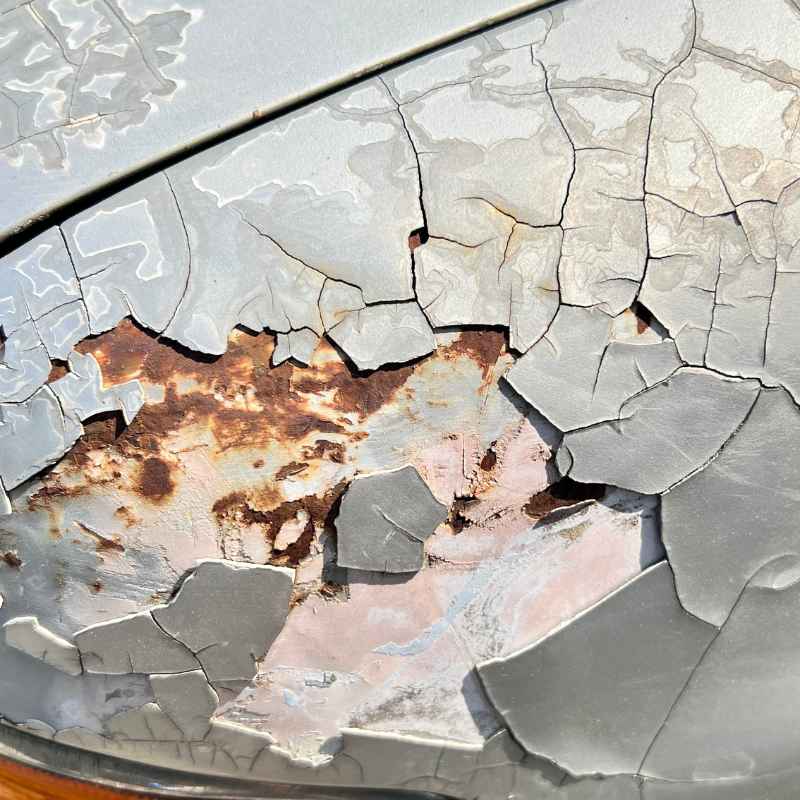
Frequently Asked Questions
What Are Spider Cracks In Car Paint?
Spider cracks are thin, branching lines in the paint layer of a car. They look like a spider web and are usually caused by impact, stress, or aging. They can weaken the paint and lead to rust if ignored.
Can Spider Cracks Be Fixed At Home?
Yes, small and shallow spider cracks can be fixed at home with the right tools and materials. Clean, sand, fill, prime, paint, and add a clear coat. For deep or widespread cracks, professional repair is recommended.
How Much Does It Cost To Fix Spider Cracks?
DIY repairs usually cost between $30 and $150 for supplies. Professional repairs can range from $250 to $1,500, depending on the size and depth of the cracks. Costs are higher for full panel repainting.
Do Spider Cracks Spread Over Time?
Spider cracks can grow and spread if not repaired. Temperature changes, impacts, and moisture speed up the process. Early repair prevents larger problems, such as peeling or rust.
How Can I Prevent Spider Cracks In Car Paint?
Wash and wax your car regularly, avoid impacts, protect from sun, use car-safe cleaning products, and fix small chips quickly. Choose quality paint jobs and consider paint protection films or ceramic coatings for extra safety.
If you want to learn more about car paint defects and prevention, visit Wikipedia for detailed information.
Fixing and preventing spider cracks in car paint is not difficult if you understand the causes and follow the right steps. With care and attention, your car can stay looking great for years. Remember, early action saves time and money.
If you’re ever in doubt, don’t hesitate to seek expert advice.
Products related to this article
Sponsored / affiliate links. As an Amazon Associate I earn from qualifying purchases. I may earn additional commission from eligible campaigns.