How to Get Dirt Out of Car Carpet: Steps, Tools & Costs
Getting dirt out of car carpet starts with a thorough vacuum, then a vinegar-and-baking-soda soak for ground-in stains — skip straight to a carpet extractor only if mud has dried in deep. Skipping the vacuum step first just pushes grit deeper into the fibers and can leave permanent wear marks. This guide covers the full 8-step cleaning process, the $15-$45 cost range depending on method, and how to clean under the seats without pulling them out.
Quick Answer
To get dirt out of car carpet, remove the mats and vacuum thoroughly first, then spray a 50/50 vinegar-and-water mix on stains and scrub with a soft brush. Apply a carpet cleaner solution, rinse with a wet-dry vac (or rent a carpet extractor for deep mud), dry with fans or open doors in the sun, then deodorize with baking soda.
Why Car Carpets Get So Dirty
Car carpet attracts dirt fast because a car cabin is a small, enclosed space that traps everything that comes in with you. Here’s what causes most of the buildup:
- Daily Use: Every time you get in, shoes track in mud, sand, or city grime. Kids are usually the worst culprits, tracking in everything from playground dirt to snack crumbs.
- Spills and Stains: Coffee, soda, or a spilled smoothie soaks into the carpet fibers and can leave a sticky residue for weeks if it isn’t blotted up right away.
- Weather: Rainy climates and snowy winters mean wet, muddy carpets are a near-constant battle, especially in regions like the Pacific Northwest or the upper Midwest.
- Pets and Gear: Muddy paws, sports equipment, or grocery bags all leave behind dirt, hair, and debris on the carpet.
Knowing why the dirt builds up makes it easier to stay ahead of it. It’s not just about looks — carpet that stays dirty and damp can hold odors and even grow mold.
Why Cleaning Your Car’s Carpet Matters
A grimy carpet makes the whole cabin feel dingy, and it’s more than a looks issue. Dirty carpet traps allergens like dust and pet dander, which can trigger more sneezing on long drives. A clean interior also protects resale value — buyers notice a fresh-smelling, spotless cabin immediately during a test drive or trade-in appraisal.
Signs Your Car Carpet Needs Cleaning
Before diving into the cleaning steps, check for these signs that your carpet actually needs attention:
- Visible Dirt: Mud, sand, or dark stains on the carpet, especially caked in under the seats, are the most obvious sign.
- Bad Smells: A musty or “wet dog” odor usually means the carpet is holding onto trapped moisture or debris.
- Sticky Spots: Spilled drinks or food leave sticky patches that attract more dirt over time.
- Faded Color: A dull or discolored carpet is often just dirt masking the original color underneath.
If you’re seeing any of these, it’s time to work through the cleaning steps below.
Tools and Supplies You’ll Need
You don’t need to spend much to clean car carpet properly. Here’s the full supply list:
- Vacuum Cleaner: A shop vac or one with a hose and crevice-tool attachment works best for tight spots.
- Carpet Cleaner Solution: A store-bought car upholstery cleaner, or a DIY mix of dish soap and water.
- White Vinegar: Effective for tough stains and odors when mixed with water.
- Baking Soda: Cheap and effective for deodorizing and lifting stains.
- Soft Brush: A scrub brush or old toothbrush with soft bristles avoids damaging the carpet.
- Microfiber Cloths: For wiping down surfaces without leaving lint behind.
- Spray Bottle: For applying cleaning solutions evenly.
- Carpet Extractor (Optional): A portable carpet cleaner is a game-changer for deep-set mud and dried-in stains.
- Gloves and Mask: To protect your hands and avoid breathing in dust while scrubbing.
Keep a trash bag handy for collecting debris and old rags — having everything ready before you start saves a lot of time.
Best Car Carpet Cleaner Pick
BISSELL Little Green Auto Pro with Professional Auto Tools
A compact spot-and-extractor machine with auto-specific tools for pulling ground-in dirt and stains out of carpet and seats without a full rental unit.
- Best for: deep-cleaning mud and ground-in stains without a rental
- Why we picked it: matches the extractor step in this guide and includes narrow tools made for tight car interiors
- Main drawback: smaller tank than a rental unit, so it needs refilling on a heavily soiled carpet
Compare more car carpet cleaning supplies
 Option 1 Chemical Guys Citrus Fabric & Carpet Cleaner Spray
|
 Option 2 Armor All 2.5-Gallon Wet/Dry Shop Vacuum
|
 Option 3 MR.SIGA Professional Microfiber Towels, 6-Pack
|
As an Amazon Associate we earn from qualifying purchases.
Step-by-Step Guide to Cleaning Car Carpet
Here’s the full process for cleaning muddy, stained car carpet from start to finish.
Step 1: Clear Out the Car
Take everything out — floor mats, trash, toys, loose items. Shake out the floor mats and set them aside for cleaning separately.
Step 2: Vacuum Thoroughly
Use a vacuum to pull up loose dirt, crumbs, and debris. Go slowly and hit every corner, under the seats, and along the edges — a crevice tool is essential for tight spots like between the seats. This step matters most: skipping it pushes grit deeper into the carpet once you start scrubbing.
Step 3: Treat Stains
For tough stains, mix equal parts white vinegar and water in a spray bottle. Spray it on the stain and let it sit for 5-10 minutes. For stubborn dried mud, sprinkle baking soda on the spot first, then scrub with a soft brush.
Step 4: Apply Carpet Cleaner
Use a car-specific carpet cleaner or a mix of dish soap and warm water. Spray it evenly over the carpet, focusing on high-traffic areas like the driver’s side floor, then scrub gently with a brush. Don’t soak the carpet — too much water leads to mold underneath.
Step 5: Deep Clean with a Carpet Extractor (Optional)
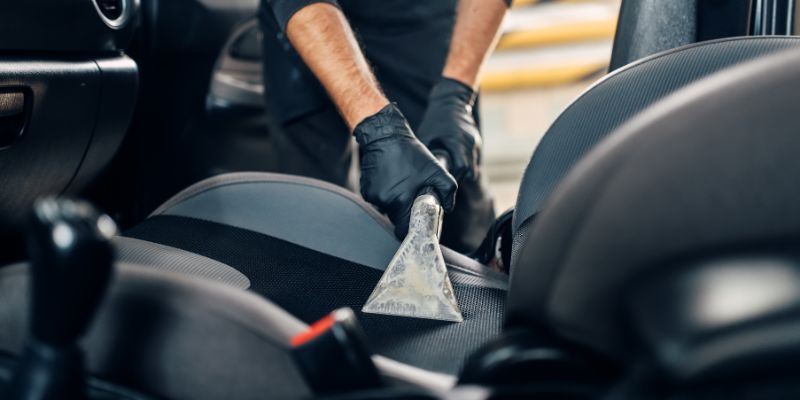
If the dirt is really ground in, a carpet extractor is worth using. It suctions out deep dirt and moisture, leaving the carpet noticeably cleaner than a spray-and-scrub alone. Work in small sections and follow the machine’s instructions.
Step 6: Dry the Carpet
Wet carpet can get moldy, so drying is critical. Park the car in the sun with the doors open and use a fan to speed things up — a dehumidifier helps in humid climates. Full drying can take a full day, but it’s worth the wait before putting mats and cargo back in.
Step 7: Deodorize
To clear lingering smells, sprinkle baking soda over the dry carpet and let it sit for a few hours, then vacuum it up. A car-safe odor eliminator spray works as an alternative or a follow-up.
Step 8: Clean the Floor Mats
Don’t forget the mats — vacuum them, then scrub with the same cleaner used on the carpet. For rubber mats, a hose and some soap work great. Let them dry completely before putting them back in the car.
Bonus Step: How to Clean Under Car Seats Without Removing Them
Most cars don’t require pulling the seats to reach the carpet underneath. Slide the seat all the way forward and vacuum the exposed rear half with a crevice tool, then slide it all the way back and vacuum the front half. For manually adjustable front seats, tilting the seatback further usually widens the gap enough to work a brush into the center where dirt collects most.
Here’s a quick summary of the process:
| Step | Action | Tools Needed |
|---|---|---|
| 1. Clear Out the Car | Remove mats, trash, and loose items | Trash bag |
| 2. Vacuum | Vacuum all carpet areas and edges | Vacuum with crevice tool |
| 3. Treat Stains | Apply vinegar-water spray or baking soda | Vinegar, baking soda, brush |
| 4. Apply Cleaner | Spray and scrub with carpet cleaner | Carpet cleaner, brush, cloths |
| 5. Deep Clean (Optional) | Use a carpet extractor on deep mud | Carpet extractor |
| 6. Dry Carpet | Dry with sun, fans, or a dehumidifier | Fans, dehumidifier (optional) |
| 7. Deodorize | Apply baking soda or odor spray | Baking soda, odor eliminator |
| 8. Clean Floor Mats | Vacuum and scrub mats | Vacuum, cleaner, hose (for rubber) |
This process takes about 2-4 hours for one car, plus drying time — realistic for a single afternoon if you skip the optional extractor step.
Preventing Dirt Buildup in the Future
Once the carpet is clean, a few habits keep it that way:
- Use Floor Mats: Heavy-duty rubber or all-weather mats catch dirt and are easy to hose off.
- Vacuum Regularly: A 10-minute vacuum every couple of weeks keeps dirt from settling into the fibers.
- No Food or Drinks: Avoid eating in the car, or clean up crumbs immediately if you do.
- Check for Spills: Blot spills up right away with a cloth — letting them sit is how stains set in.
- Keep Shoes Clean: Shake off muddy shoes before getting in, or keep a small mat outside the door.
These habits keep a car’s carpet looking clean for months at a time.
Health Benefits of a Clean Car Carpet
Dust, dirt, and allergens trapped in the carpet can trigger allergies or asthma symptoms, especially on longer drives in a small, enclosed cabin. A friend with bad allergies noticed her symptoms improved noticeably after cleaning her car’s interior. A clean carpet also means fewer musty odors, so every drive is more comfortable.
When to Call a Professional
Most carpet cleaning jobs are DIY-friendly, but sometimes it’s too much. If the dirt is deeply ground in or odors won’t go away after a full DIY pass, a professional detailer may be worth it. Pros use heavy-duty extraction machines and typically charge $100-$300 depending on the car and the mess — pricier, but a solid option for stubborn cases.
Cost of Cleaning a Car Carpet
Cleaning car carpet yourself is affordable. Basic supplies — vinegar, baking soda, and a cheap brush — run around $15. A carpet extractor rental adds to that cost. Professional detailing runs $100-$300 depending on the car and the mess. Regular maintenance, like vacuuming and using mats, costs almost nothing and prevents bigger bills later.
📊 A day rental for a carpet-extractor machine (Rug Doctor, Bissell Big Green, and similar models) typically runs $30-$50, not including cleaning solution. — Source: HomeGuide, 2026 Cost Guide
Environmental Impact of Clean Carpets
Keeping a car’s carpet clean isn’t just good for you — it’s good for the environment too. Carpet left dirty and damp can grow mold, which sometimes forces a full mat or carpet replacement and adds to landfill waste. Using natural cleaners like vinegar and baking soda instead of harsh chemical sprays also keeps fewer pollutants out of the water supply.
Why a Clean Car Interior Is Worth the Effort
A spotless carpet changes how the whole car feels — no crumbs underfoot, no lingering odors, and a cabin that looks cared for. It’s not just about appearances; a clean interior signals a well-maintained car to anyone who rides along or looks at buying it later.
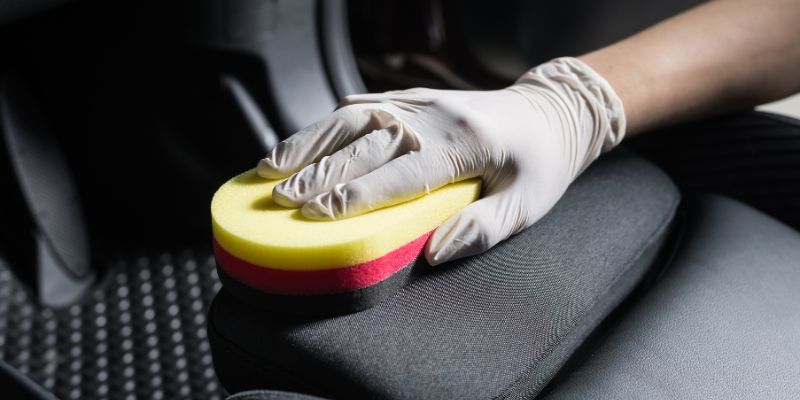
“After a muddy camping trip left our SUV’s carpet looking like it had been through a mud-wrestling match, a slow vacuum pass followed by a vinegar-and-baking-soda soak lifted stains we assumed were permanent — no rented machine needed.”
Wrapping It Up
Getting dirt out of car carpet doesn’t have to be a chore. With a vacuum, a few household supplies, and about an afternoon, muddy footprints and years of ground-in grime come out without a trip to a detailer. Staying on top of prevention afterward — mats, regular vacuuming, and quick spill cleanup — keeps it that way and saves money down the road. For a musty smell that lingers even after the carpet looks clean, see our guide on removing odor from car carpet, and pair it with a car air purifier to keep the cabin fresh between cleanings.
FAQs
How often should I clean my car’s carpet?
It depends on how dirty it gets, but vacuuming every couple of weeks and doing a deep clean every 6 months works well for most drivers. If you have kids or pets, clean more often to keep dirt and odors from building up.
Can I use household cleaners on my car’s carpet?
Yes — vinegar, baking soda, and dish soap all work well on car carpet. Avoid anything too harsh, like bleach or ammonia-based cleaners, since they can discolor or break down the carpet fibers.
What’s the best way to prevent dirt in my car?
Use all-weather floor mats, vacuum every couple of weeks, and avoid eating in the car. Shaking off muddy shoes before getting in and blotting spills immediately also go a long way toward keeping dirt out.
Is it worth renting a carpet extractor?
For heavily soiled or muddy carpet, yes. A day rental typically costs $30-$50 and pulls out ground-in dirt that a spray cleaner and brush alone can’t reach.
Can a dirty car carpet affect my health?
Yes — dust, dirt, and pet dander trapped in carpet fibers can trigger allergy or asthma symptoms, especially in a small, enclosed cabin. Regular cleaning keeps the air inside your car fresher and easier to breathe.
Can I clean under my car seats without removing them?
Yes. Slide the seat all the way forward and vacuum the exposed rear half with a crevice tool, then slide it all the way back to vacuum the front half. Tilting a manually adjustable seatback further usually widens the gap enough to reach the center with a brush.
How long does it take to clean a car’s carpet?
A full deep clean — vacuuming, treating stains, scrubbing, and drying — typically takes 2-4 hours for one car, plus additional drying time. Doing it in a single afternoon is realistic if you skip the optional carpet extractor step.
Products related to this article
Sponsored / affiliate links. As an Amazon Associate I earn from qualifying purchases. I may earn additional commission from eligible campaigns.
 nekhfs Car Carpet Cleaner Scrub Tool, Automotive Carpet Cleaning Brush for Interior Detailing, Floor Mat Dirt Remover, Deep Cleaning Accessory for Cars, Trucks, SUVs and RVs
 Car Vacuum Cleaner, Portable Handheld Mini Vacuum Cleaner, Portable Car Vacuum Cleaner with Inflator Function Light, Small Vacuum for Car, RV, Boats, Travel, DC12V 120W