Do Cars Have Speed Limiters? Essential Proven Facts
Yes, most modern cars technically have electronic speed limiters, often built into the Vehicle Control Module (VCM) or Engine Control Unit (ECU). These factory-set limits protect the engine and tires, usually capping speed around 120 mph to 155 mph, though some high-performance models have different settings.
Have you ever floored the gas pedal only to feel the car suddenly refuse to go faster, even on an open road?
That frustrating moment often makes drivers wonder: Do cars have speed limiters?
It’s a common question many everyday drivers have when they push their car slightly harder than usual. You start worrying if your vehicle is broken or if you’ve hit some invisible wall.
The good news is that feeling is usually normal and intentional. Modern cars are designed with built-in protections, and understanding them is key to safe driving.
As your trusted automotive guide, I’m here to break down exactly what speed limiters are, why they exist, and how they affect your daily drive, all in simple, easy-to-understand terms.
Let’s explore the proven facts about your car’s electronic governors and discover if you can adjust them.
The Big Question: Do Cars Have Speed Limiters? Essential Proven Facts
The short answer is a resounding yes, most factory-built vehicles today are equipped with some form of speed limiting technology.
This isn’t about illegal modifications or aftermarket chips; this is standard equipment installed by the manufacturer right on the assembly line. These systems are managed by the car’s main computer brain—the Engine Control Unit (ECU).
Think of the speed limiter as a safety safeguard, not a restriction on your enjoyment of the car. It’s there for a host of reasons related to safety, mechanics, and legal compliance.
What Exactly is a Speed Limiter in a Modern Car?
A speed limiter is an electronic setting programmed into the car’s computer system. When the vehicle’s speed reaches the programmed maximum limit, the ECU intervenes to prevent the engine from supplying any more power.
This intervention usually happens one of two ways:
- The ECU cuts the fuel supply to the engine.
- The ECU retards the ignition timing, making the engine less powerful.
- In some cases, it might slightly reduce the throttle opening if the car uses electronic throttle control (which most new cars do).
This programmed cap is sometimes referred to as an Electronic Speed Limiter (ESL) or simply the ECU Governor.
Why Do Manufacturers Install Speed Limiters?
It might seem strange that auto companies would intentionally limit how fast their cars can go, especially in performance models. However, the reasons are practical and focus heavily on safety and reliability.
1. Tire Speed Rating Protection
This is perhaps the most critical reason. Every tire has a specific speed rating that dictates the maximum safe speed it can handle under normal load conditions. If a car goes faster than the tires are rated for, the heat buildup can cause catastrophic failure (a blowout).
Manufacturers must legally ensure the vehicle does not exceed the capabilities of the factory-installed tires. Most standard passenger car tires are only rated for speeds around 118 mph to 130 mph (190 km/h to 210 km/h).
2. Mechanical Safety and Engine Longevity
Engines are designed to operate safely within specific RPM (revolutions per minute) ranges. Hitting extremely high speeds puts immense stress on engine components like pistons, valves, and bearings. Speed limiters ensure the engine stays within a reliable operating envelope, preventing premature wear or catastrophic failure.
3. Legal and Regulatory Compliance
In many countries, manufacturers voluntarily (or are required to) cap speeds, especially for vehicles sold to the general public, to align with national safety standards regarding vehicle control at high velocities. For example, the German government has historically influenced limits on certain Autobahn segments.
4. Fuel Economy and Emissions
While less obvious, limiting top speed mildly helps manufacturers meet corporate average fuel economy (CAFE) standards, as aerodynamic drag increases exponentially with speed. Less time spent at peak velocity subtly helps balance their fleet’s overall efficiency ratings.
Factory Speed Limits vs. Driver-Set Limits: Knowing the Difference
It’s important for new drivers to distinguish between the two main types of speed limiting they will encounter in a modern vehicle.
Type 1: Manufacturer (Hard) Limits
These are the limits we discussed above—the hard-coded ceiling set by the factory, usually between 120 mph and 155 mph, depending on the car’s market position.
Type 2: Driver-Set (Soft) Limits
Many modern cars, especially luxury and family models, come equipped with a feature commonly called “Speed Limiter” or “Speedtronic” (a term often seen in Mercedes-Benz systems). This is a feature you set using the dashboard controls.
This function allows the driver to set a maximum speed they do not want to exceed (e.g., setting the limit to 75 mph for highway cruising). If the car approaches 75 mph, the system gently prevents you from accelerating past it, helping prevent speeding tickets or accidental overspeeding.
This is a convenience and safety feature, not a hard mechanical wall.
To find out if your car has a driver-set limiter, check your owner’s manual under “Cruise Control” or “Driver Assistance Features.”
How Fast Can My Car Actually Go? A Look at Typical Limits
The top speed your car is electronically governed at depends heavily on what type of car you own. Manufacturers calibrate these limits based on the vehicle class and the components they install.
For instance, European performance brands often reach agreements on a standard limit, while standard economy cars have much lower limits based on their less robust components (like standard brake systems or lower-rated tires).
Here is a general guideline for common vehicle types. Remember, these figures are approximate and based on factory settings:
| Vehicle Category | Typical Electronic Limit (Approximate) | Primary Limiting Factor |
|---|---|---|
| Economy/Standard Sedan | 110 – 120 mph (177 – 193 km/h) | Tire Rating & Engine Durability |
| Family SUV/Crossover | 115 – 125 mph (185 – 201 km/h) | Tire Rating & Stability |
| Mid-Range Performance Sedan | 130 – 149 mph (209 – 240 km/h) | Market Expectation & ECU Programming |
| Luxury Performance Cars (Standard) | 155 mph (250 km/h) – Often the “Gentleman’s Agreement” Speed | European Industry Standard Agreement |
| High-Performance Sports Cars | 160+ mph (257+ km/h) | Special high-speed tires and cooling systems |
The 155 mph “Gentleman’s Agreement”
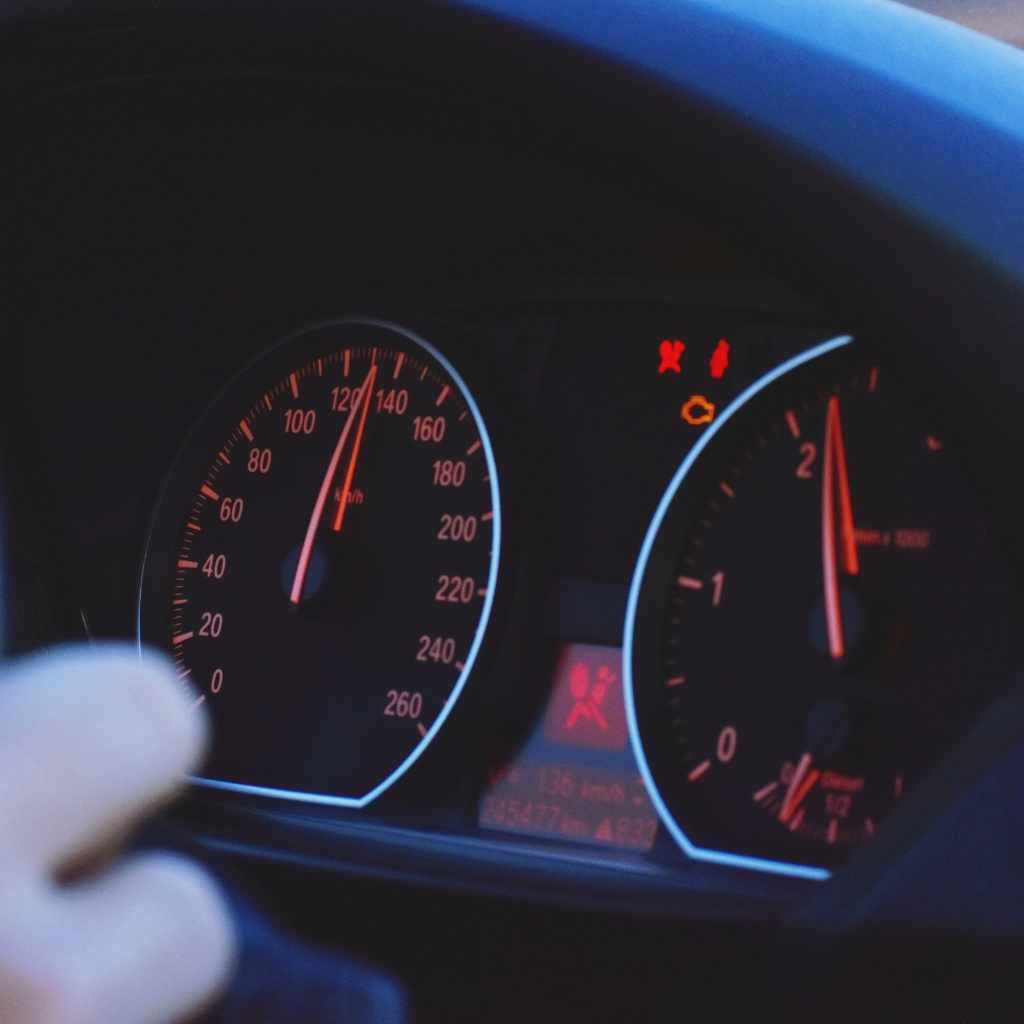
If you drive a premium German sedan—like a BMW, Audi, or Mercedes-Benz—you might have noticed the needle stops climbing just shy of 160 mph (about 250 km/h). This isn’t a coincidence.
Back in the 1980s, major German automakers voluntarily agreed (the “Gentleman’s Agreement”) to electronically limit the top speed of most of their standard passenger vehicles to 250 km/h (155 mph). This was done to promote road safety and avoid potential government legislation imposing lower limits across the entire country. While some newer models now offer optional packages to bump this limit higher, 155 mph remains a very common electronic ceiling for many performance cars.
The Practicality: Can You Remove or Change the Speed Limiter?
This is where things get technical, and as your guide, I must stress safety and legality first. Removing a factory speed limiter is generally not recommended for everyday street driving.
If you are wondering how to do this, it involves accessing and reprogramming the car’s ECU. This process is more complex than simply pressing a button.
Methods to Alter Factory Speed Limits
Altering the hard-coded manufacturer limit usually requires specialized tools and knowledge. Here are the common ways this is achieved, though remember, doing this can void warranties and potentially make your car unsafe if done improperly:
1. ECU Flashing or Tuning (The Common Way)
Professional performance tuners use specialized software tools to connect directly to the ECU via the OBD-II port. They upload a modified “tune” or “map” that overwrites the factory programming, often increasing horsepower and raising the speed limiter to match the capabilities of upgraded tires or intended use (like track driving).
For advanced reading on ECU mapping and how automotive computers work, resources from engineering organizations offer deep dives into engine management systems.
2. Changing the Speed Sensor Signal
In very old vehicles (pre-1990s), governors sometimes worked via mechanical linkages or simple signal relays that were easier to trick. In modern, highly integrated systems, tampering with the speed sensor signal is extremely difficult without causing the entire vehicle traction control or stability systems to malfunction.
Why Modifying the Limit Is Risky for Daily Drivers
Before you consider paying someone to remove that 155 mph cap, weigh these significant risks against the benefit of going two miles per hour faster on a closed track:
- Voided Warranty: Any unauthorized modification to the ECU will almost certainly void the manufacturer’s powertrain warranty—a costly risk if something major fails.
- Tire Safety: If your tires are only rated to 140 mph, and you raise the limit to 165 mph, you are driving with a serious, invisible threat of a blowout.
- Insurance Issues: In the event of an accident at speeds exceeding factory specifications, your insurance claim could be complicated if it is revealed the vehicle was illegally modified for speed.
- System Instability: Modern vehicles rely on the ECU knowing the true speed for systems like Anti-lock Brakes (ABS), Electronic Stability Control (ESC), and even transmission shifting logic. Messing with the speed signal can make these vital safety systems unreliable.
For 99.9% of drivers, especially those focused on reliable daily transportation, leaving the factory speed limiter untouched is the smartest and safest route.
Identifying Your Car’s Speed Limiter Status
How can you tell if your car has a soft limit (one you can set) or if it’s capped hard by the manufacturer?
Step 1: Check Your Owner’s Manual
This is the best place to start. Search the index for “Speed Limiter,” “Speed Control,” or “Maximum Speed Function.” If a user-adjustable setting exists, the manual will detail how to activate and deactivate it.
Step 2: Test the Accelerator Pedal (Carefully!)
If you are on a legally closed course or a section of highway where exceeding normal speeds is permissible and safe (and you know your tires are rated for it), you can try to reach the maximum speed:
- Ensure road conditions are perfect.
- Accelerate smoothly and deliberately.
- When the car stops accelerating, note the speed on the digital or analog speedometer.
If you stop accelerating around 125 mph, you likely have a manufacturer limiter for standard tires. If you stop at 155 mph, you likely have a performance-oriented manufacturer limit.
Step 3: Check Dashboard Icons
Look at your dashboard when setting cruise control. If you see an icon that allows you to set a speed that is lower than your typical cruising speed (e.g., setting a speed limit of 70 mph while the car is capable of 130 mph), then you have a driver-set limiter feature.
If you do not have a driver-set feature, you are reliant on the factory programming.
Understanding GPS Speed Accuracy
When testing your car’s top speed, remember that the speedometer in your dashboard is often calibrated to read slightly higher than your actual speed to stay on the safe side of the law. A vehicle traveling at an actual speed of 150 mph might register 154 mph on the dash.
If you pair your car with a GPS speed tracker (like those found on many smartphone apps or dedicated navigation units), you will often get a more accurate reading of the speed the ECU is capping.
Comparing Speed Control Technologies
Speed limiting is just one component of modern driver assistance technology. It often works alongside adaptive cruise control and regular cruise control.
Here is how these related systems differ:
| Technology | Primary Function | Driver Input Required? | Speed Limiting Effect |
|---|---|---|---|
| Cruise Control (Standard) | Maintains a set speed chosen by the driver. | Yes | If you exceed the set speed going downhill, the system may not actively brake, but it will cut power. |
| Speed Limiter (Driver-Set Soft Limit) | Prevents the driver from exceeding a manually set speed. | Yes | Actively prevents acceleration past the set point, even if the driver presses the gas pedal hard. |
| Adaptive Cruise Control (ACC) | Maintains set speed and adjusts speed to maintain a safe distance from the car ahead. | Yes | Limits speed based on the car in front or the maximum setting. |
| ECU Governor (Factory Hard Limit) | Protects mechanical limits of the engine and tires. | No | Acts as the absolute maximum ceiling for the vehicle, regardless of driver input or settings. |
The Economics of Speed Limits: Why Higher Limits Cost More
If you look at car pricing, you’ll notice a clear correlation: the faster a car is engineered to go from the factory, the more expensive it is. This cost difference directly relates to the engineering needed to safely surpass the standard factory limits.
Manufacturers must spend significant research and development funds to safely enable speeds above the standard 155 mph cap. This investment covers:
- Brake Upgrades: Larger, more heat-resistant rotors and calipers are needed to safely slow the vehicle down from extreme speeds.
- Aerodynamic Optimization: Body kits, spoilers, and underbody paneling are added to provide downforce, keeping the car stable at very high speeds (preventing lift).
- Cooling Systems: Engines and transmissions need specialized, high-capacity cooling to handle sustained high-load operation.
- Specialized Tires: Vehicles designed to run over 160 mph require specialized, high-speed-rated tires (often “Y” or “Z” rated) which are more expensive than standard H-rated tires.
When you pay a premium for a top-tier sports car, you are paying for the engineering that makes the hard speed limiter unnecessary or increases it significantly because all supporting components can safely handle the load.
Safety First: Understanding Posted Road Limits
As a responsible driver, I always remind my readers that while understanding your car’s technical limits is fun, obeying posted road limits is paramount for safety and legality. The limits installed by engineers are high, but the limits set by government bodies exist for traffic management and safety based on road design, curves, and surface integrity.
According to the U.S. Department of Transportation (DOT), speed management is a key factor in reducing traffic fatalities. Exceeding posted limits significantly increases your stopping distance and reaction time.
Think of it this way:
If your car can go 150 mph (a mechanical limit), but the posted limit is 70 mph, your primary limiter is the 70 mph sign.
Frequently Asked Questions (FAQ) for Beginner Drivers
Q1: Does my car automatically limit its speed on a very steep hill?
A: No, not typically. If you are using cruise control and go down a very steep hill, the car may accelerate past your set speed because standard cruise control aims to maintain speed, not limit it. However, the car’s built-in stability control might kick in if it senses dangerous loss of control.