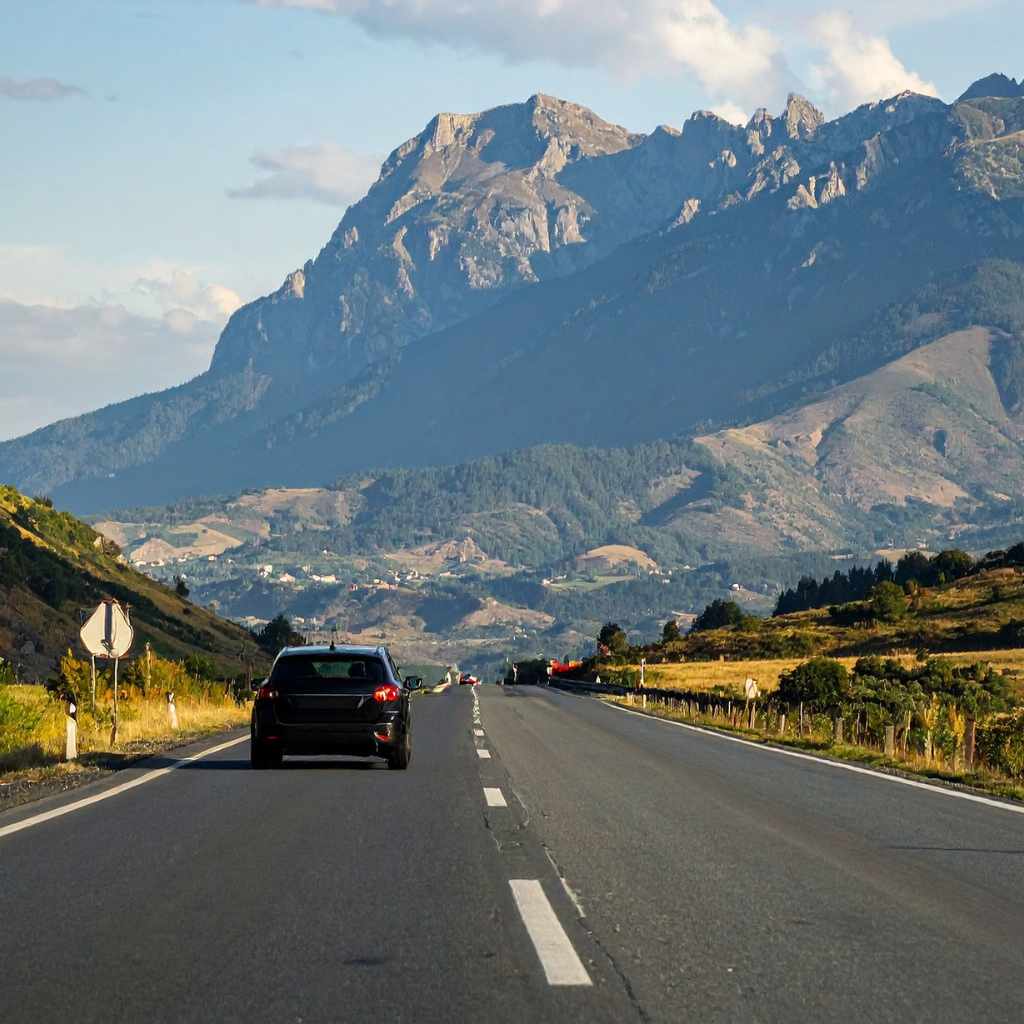
Are Hybrid Cars Good for Mountain Driving? (Regen Limits)
Hybrid cars handle mountain driving well, but two limits define the experience: regenerative braking maxes out once the battery nears full charge on long descents, and gasoline engines lose roughly 3% power per 1,000 feet of elevation. The electric motor’s torque doesn’t fade with altitude, though. This guide covers what regenerative braking and B-mode actually do on descents, how altitude affects power and fuel economy, and how cold weather affects the battery.
Insert your Affiliate Disclosure reusable block here.
Evaluating Hybrid Vehicle Capabilities in Challenging Terrain
Mountain driving asks more of a car than flat highways do. Steep grades, sharp turns, sustained climbs, and quick weather changes put real stress on a car’s engine, brakes, and drivetrain. A hybrid’s electric motor and regenerative braking system change how that stress is handled — sometimes for the better, sometimes with real limits worth understanding before you plan a mountain trip.
Hybrid Powertrain Basics and Mountain Performance
Hybrid cars work by pairing a gasoline engine with an electric motor and battery pack, switching between them (or blending both) depending on the load. Climbing a grade, the gasoline engine typically carries most of the work while the electric motor adds instant torque for acceleration, passing, or merging — the kind of quick power delivery mountain roads demand more often than city streets do. Hybrids still run on gasoline, so the engine’s own output — and how altitude affects it — still matters a great deal on a long climb.
Fuel economy follows the same pattern: hybrids shine most in stop-and-go city driving, where the electric motor does proportionally more of the work. On a sustained uphill climb, the gasoline engine has to work hard regardless, so the efficiency advantage narrows. The battery still charges from regenerative braking and from the gas engine during the climb, but hilly terrain places different demands on it than flat commuting does — which is exactly what the next two sections cover in detail.
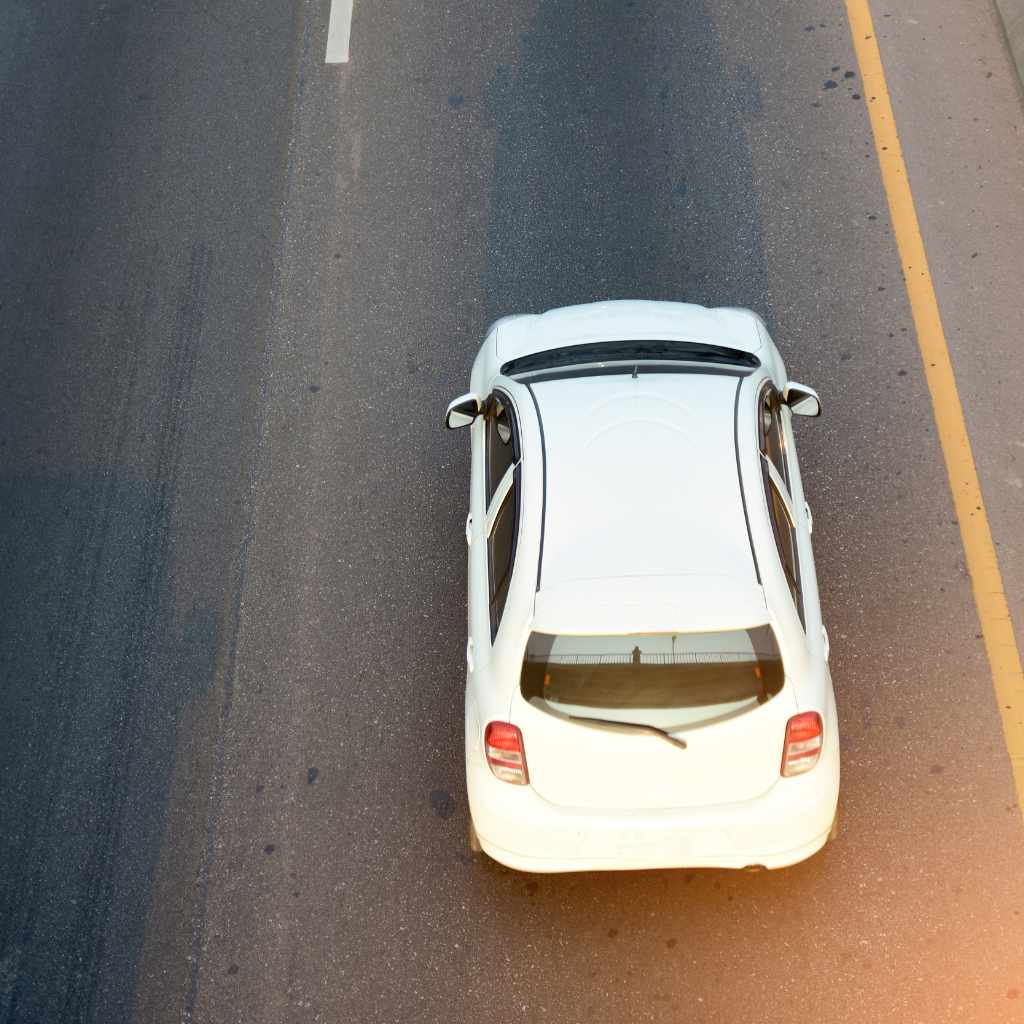
Regenerative Braking and Its Role in Mountain Descent
Regenerative braking is one of the genuine advantages a hybrid brings to mountain driving. Instead of relying only on friction, the electric motor reverses roles and acts as a generator: taking your foot off the accelerator (or applying light braking) turns the rolling wheels into a source of electricity, which recharges the battery while slowing the car. On a long descent, that means less reliance on the friction brakes, less risk of brake fade, and a battery that’s being topped off instead of drained.
What Happens When the Battery Is Already Full on a Long Descent?
On a short hill, regenerative braking easily absorbs the energy from slowing down. On a long mountain descent, the battery can approach full charge within a few minutes, and once it’s there, the system can no longer use regenerative braking to control your speed — there’s nowhere left to put the electricity. At that point, most hybrids automatically hold the gasoline engine at a higher RPM with the throttle closed, using engine friction and pumping losses to help slow the car — the same basic effect as downshifting a manual transmission, just handled electronically rather than by selecting a gear.
If your hybrid has a “B” position on the shifter (or a similarly labeled low-range or engine-braking mode), selecting it on a long grade asks the system to use this engine-braking effect sooner and more aggressively — exactly what you want so the friction brakes aren’t doing all the work and risking overheating. B-mode won’t recharge the battery any faster than normal braking; its job is purely to slow the car down without relying on the brake pads.
What Owner Forums and Engineering Data Say About Hybrids in the Mountains
Owner communities built around mountainous regions — including long-running Toyota, RAV4, and Prius owner forums — describe a consistent pattern: hybrids climb fine using a mix of gas-engine and electric-motor power, regenerative braking noticeably reduces brake wear on long descents, and the battery’s state of charge (not the motor’s torque) becomes the limiting factor on the steepest, longest grades. Engineering research on regenerative braking in mountainous terrain generally focuses on the same tradeoff — recovering as much energy as possible while keeping the system from overheating or overcharging the battery on sustained downgrades.
Fuel Economy and Cost Factors for Mountain Driving with Hybrids
A big reason people choose hybrids is improved fuel economy, which matters even more on mountain roads where elevation changes constantly affect fuel consumption. Hybrids also tend to cost more upfront than comparable gasoline vehicles, so it’s worth weighing the full financial picture — not just the sticker price — before deciding if one fits your mountain driving plans.
Assessing Fuel Efficiency in Mountain Conditions
Fuel efficiency in a hybrid depends heavily on how and where you drive, and mountain terrain is its own case. Climbing uphill forces the gasoline engine to do more of the work, which narrows the electric motor’s usual efficiency advantage. Descending regains some of that through regenerative braking, but the recovered energy typically doesn’t fully offset what the climb used — so expect real savings over a gas-only car, just smaller ones than you’d see driving around town. Smooth, gradual acceleration and steady speeds help the hybrid system use the electric motor as efficiently as possible; hard acceleration and frequent braking erode the advantage fastest.
How Altitude Affects a Hybrid’s Power and Fuel Economy
Altitude affects a hybrid two different ways, and they partially cancel each other out. The gasoline engine loses power as the air thins — roughly 3% per 1,000 feet, as noted above — so it has to work harder (and burn more fuel) to produce the same output at 8,000 feet that it would at sea level. The electric motor’s torque, by contrast, comes from electricity, not combustion, so it isn’t affected by thinner air at all. On steep, high-elevation climbs, that means the electric motor’s contribution becomes proportionally more important — one reason hybrids often handle high-altitude passes better than their spec sheets alone would suggest, even though overall fuel economy still tends to drop somewhat at elevation.
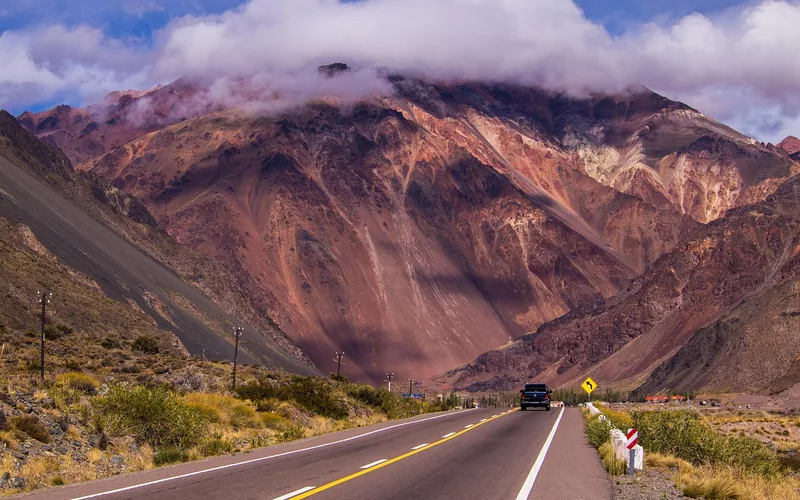
Cost Analysis: Purchase Price, Maintenance, and Long-Term Value
Hybrids usually carry a higher sticker price than an equivalent gasoline model, reflecting the added battery and motor hardware. Maintenance differs too — the hybrid system and battery need periodic checks alongside the gasoline engine’s normal service schedule, though hybrids often see less brake wear thanks to regenerative braking. Whether that upfront cost pays off depends on fuel savings over time, resale value, and any rebates available in your area — all worth factoring in before you compare specific models.
Comparing Costs: Hybrid vs. Gasoline Vehicles
To help you decide, here’s a basic comparison of hybrid and gasoline vehicles specifically for mountain driving conditions — purchase price, fuel efficiency at elevation, maintenance, and long-term value.
| Factor | Hybrid Vehicle | Gasoline Vehicle |
|---|---|---|
| Purchase Price | Generally higher | Generally lower |
| Fuel Efficiency (Mountain) | Higher, but the gap narrows on climbs and at altitude | Lower, and drops further with elevation |
| Maintenance Costs | Extra hybrid-system checks; less brake wear | Generally simpler, but more frequent brake service |
| Long-Term Value | Fuel savings can offset the higher purchase price over time | Depends on the specific model and mileage |
Performance and Safety Features Relevant to Mountain Driving
Mountain roads bring the same hazards to any vehicle — steep grades, tight curves, and fast-changing weather. Most current hybrids pair those risks with a solid set of driver-assistance and traction features, which is worth knowing about before you rely on them at elevation.
Safety Enhancements in Hybrid Models
Many hybrids include Advanced Driver-Assistance Systems (ADAS) — lane departure warning, adaptive cruise control, and automatic emergency braking — which help on winding mountain roads by warning you if you drift out of your lane, maintaining a safe following distance, and helping stop the car in an emergency. Some models also offer all-wheel drive, either through a mechanical connection or a separate electric motor powering the rear wheels, which improves traction on steep or slippery grades without you having to do anything. Vehicle Stability Control (VSC) rounds this out by detecting an incipient skid and braking individual wheels to help you regain control — especially useful on tight, winding descents.
Does Cold Weather Affect a Hybrid’s Battery in the Mountains?
Cold affects a hybrid’s battery more than altitude itself does — mountain elevations just tend to run colder, especially overnight and at higher passes. Most non-plug-in hybrids use nickel-metal hydride (NiMH) battery packs, which tolerate cold noticeably better than the lithium-ion packs found in plug-in hybrids and EVs, but both regenerative braking capacity and overall efficiency still drop somewhat in freezing temperatures. In extreme cold, some hybrid systems limit or delay full electric-motor assist until the battery and engine warm up, so it’s normal to see slightly reduced power and fuel economy on a cold mountain morning. Keeping your 12-volt starter battery topped up and running antifreeze rated for the temperatures you’ll actually see matters just as much as the hybrid battery itself when you’re heading into the mountains in winter.
Best Mountain & Cold-Weather Driving Gear Pick
SCC Peerless Auto-Trac Light Truck/SUV Tire Traction Chain
A ladder-pattern traction chain set built for exactly the steep, snow-packed grades covered above.
- Best for: SUVs and light trucks that need real traction on snow-packed or icy mountain passes
- Why we picked it: A ladder-pattern design from an established chain manufacturer (Security Chain Company/Peerless), built for the steep, slick grades this article covers
- Main drawback: Chains are noisy and slower to drive on than snow tires, and most states restrict their use to snow-covered roads only
Compare more mountain and cold-weather driving essentials
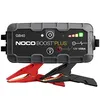 Option 1 NOCO Boost GB40 12V Portable Jump Starter
|
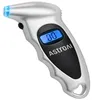 Option 2 AstroAI Digital Tire Pressure Gauge
|
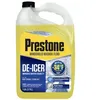 Option 3 Prestone AS250 De-Icer Winter Washer Fluid
|
As an Amazon Associate we earn from qualifying purchases.
Driving Techniques to Maximize Safety in Mountain Environments
No matter what you drive, adapting your technique to mountain terrain matters more than the vehicle itself. A few habits make the biggest difference.
Gear and Mode Selection: Most hybrids use a power-split e-CVT with no discrete gears, so literal “downshifting” isn’t possible the way it is in a conventional automatic. Instead, look for a “B” position on the shifter (or a similarly labeled engine-braking mode) and use it on long descents — see the full explanation above. A smaller number of hybrids with a conventional multi-speed automatic do offer a true low gear for engine braking; check your owner’s manual to see which type your car has.
Speed Management: Slow down before curves rather than during them, keep extra following distance, and stay alert to road conditions that can change quickly with elevation and weather.
Braking Practices: Avoid riding the brake pedal continuously. Let the engine braking (or B-mode) and regenerative braking do as much of the work as possible, and use the friction brakes in shorter, firmer applications rather than constant light pressure — the fastest way to overheat brakes on a long grade is exactly that light, continuous pressure. This also protects your brake pads from unnecessary wear.
Scenario-Based Safety Considerations
Two situations show where a hybrid’s specific features actually matter on a mountain route.
Steep descent in wet conditions: A hybrid with AWD and regenerative braking has a real edge here — the AWD system adds grip on the slick pavement, and regenerative braking reduces reliance on friction brakes that are already fighting reduced traction.
Ascending a pass in snowy weather: The electric motor’s instant torque helps maintain forward momentum without excessive wheel spin, and AWD (where equipped) improves grip on packed snow or ice. Neither replaces winter tires or chains on genuinely hazardous surfaces, but together they meaningfully improve control.
The Verdict: Assessing Hybrid Suitability for Mountain Travel
Putting the key factors together: hybrid cars are a good choice for mountain driving for most people, with real, well-understood limits rather than vague downsides. The right answer for you depends on how you drive and what you prioritize.
Summary of Advantages and Disadvantages
Advantages:
- Improved fuel economy: Even with a narrower margin on climbs, most hybrids still beat a comparable gasoline vehicle over a full mountain trip.
- Regenerative braking: Reduces brake pad wear and helps control speed on descents, right up until the battery reaches capacity.
- Electric motor torque: Instant power for climbing and passing that doesn’t fade with altitude the way engine power does.
- Advanced safety features: ADAS, available AWD, and stability control are standard on many current hybrid models.
Disadvantages:
- Fuel economy narrows at elevation: Sustained climbs and altitude both cut into the efficiency advantage compared to city driving.
- Battery performance in extreme cold: Reduces regenerative braking capacity and can delay full electric-motor assist.
- Higher upfront cost: Hybrids typically cost more to buy than an equivalent gasoline model, even if fuel savings offset it over time.
Final Recommendations and Considerations
Think honestly about how often you’ll actually be driving in the mountains, how much fuel economy and reduced brake wear matter to you, and how important the extra safety features are for your routes. A test drive on a real mountain road — not just a parking lot loop — is the best way to feel how the electric motor’s torque, the AWD system (if equipped), and the regenerative braking actually behave under load. Determine how the car feels on hills and curves specifically, then compare a few models on price, features, and available fuel economy ratings before deciding.
For a broader walkthrough that also covers maintenance schedules and day-to-day driving habits, see our companion guide, Are Hybrid Cars Good for Mountain Driving? A Helpful Guide.
Frequently Asked Questions
Do hybrid cars have enough power for mountain driving?
Yes. The electric motor supplies instant torque for quick acceleration and passing, while the gasoline engine handles sustained climbing power. Together they provide enough output for most mountain roads, though the gas engine still does most of the work on long, steep grades.
Does regenerative braking work well when going downhill?
Yes, on moderate descents. Regenerative braking slows the car and recharges the battery while reducing wear on the friction brakes. On long, steep descents the battery can reach full charge, at which point the system switches to engine braking or friction brakes instead.
Are hybrid cars more fuel-efficient in the mountains than gasoline cars?
Usually, but by a smaller margin than in city driving. Climbing forces the gasoline engine to work hard, which cuts into the efficiency advantage, while descending regains some of it through regenerative braking. Most hybrids still beat a comparable gas-only vehicle overall.
Do all hybrid cars have all-wheel drive?
No. Many hybrids are front-wheel drive only. Some models, like the Toyota RAV4 Hybrid and Ford Escape Hybrid, offer AWD as an option or use a separate electric rear motor, which adds traction on snowy or wet mountain roads without a mechanical driveshaft.
Is it worth buying a hybrid car for mountain driving?
It depends on your driving habits and budget. If you regularly drive steep, winding routes and value reduced brake wear and decent fuel economy, a hybrid is a solid choice. A test drive on an actual mountain route is the best way to decide.
Does altitude affect a hybrid car’s fuel economy?
Yes. Gasoline engines lose roughly 3% of their power for every 1,000 feet of elevation gained because thinner air holds less oxygen, so the engine works harder and burns more fuel. The electric motor’s output isn’t affected by altitude, which helps offset some of that loss.
Do hybrids have real engine braking if they don’t have gears?
Most hybrids use a power-split e-CVT with no traditional gears, so there’s nothing to physically downshift into. Selecting “B” mode instead cuts fuel to the engine and uses it as a drag load, simulating engine braking electronically once the battery can’t accept more charge from regenerative braking.
Final Thoughts
So, are hybrid cars good for mountain driving? Yes, with real limits rather than vague ones: regenerative braking is genuinely useful until the battery fills up, the electric motor’s torque holds steady regardless of elevation, and the gasoline engine is the part that loses power as you climb. Fuel economy gains are smaller in the mountains than in the city, but they’re still real. Assess your own routes and priorities, take a test drive on an actual grade, and compare a few models before you decide.
Products related to this article
Sponsored / affiliate links. As an Amazon Associate I earn from qualifying purchases. I may earn additional commission from eligible campaigns.