Do Gas Stations Sell Car Oil? What You Need to Know
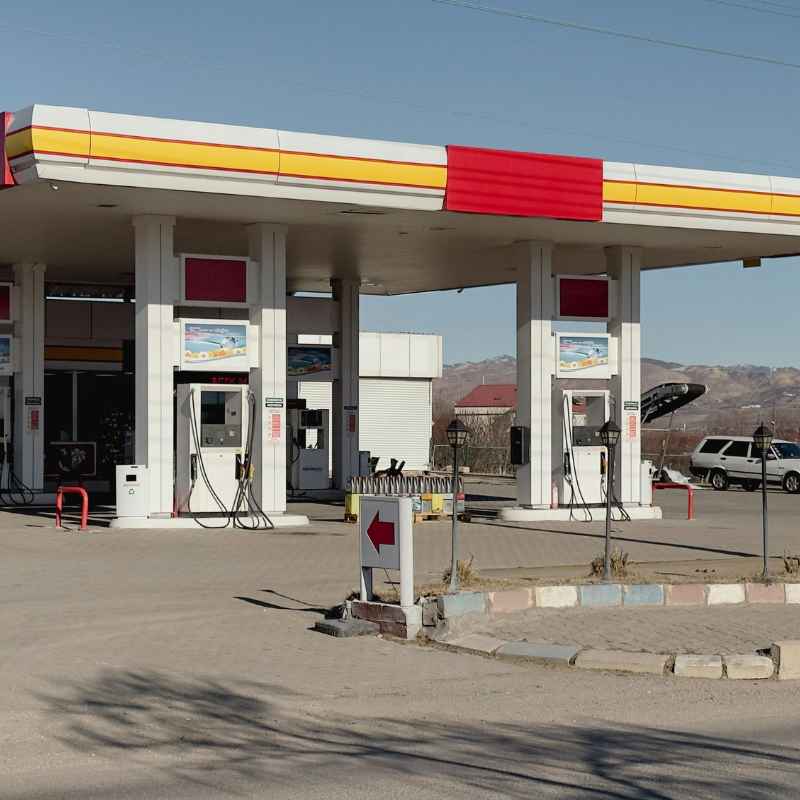
Do gas stations sell car oil? Yes, the vast majority of gas stations carry motor oil, making it a convenient stop when you need a quart in a pinch. This guide explains exactly what oil types you will find, what to watch out for, and whether buying oil at the pump is a smart move for your wallet and your engine.
Simply put, yes, gas stations sell car oil. You will typically find a limited selection of common viscosities like 5W-30 and 10W-40 from major brands such as Mobil, Shell, and Castrol. However, the variety is smaller than at auto parts stores, and prices are usually higher for the convenience.
Key Takeaways
- Gas stations sell car oil but usually in a narrow range of viscosities and limited quart sizes.
- Prices at gas stations are typically 20-40% higher than at auto parts stores or online retailers.
- Always check the API donut and SAE viscosity rating on the bottle before purchasing.
- Gas stations selling car oil is most useful for emergency top-ups, not for full oil changes.
- Major brands like Mobil, Shell, Castrol, and Valvoline are the most common finds at the pump.
What Types of Oil Do Gas Stations Typically Sell?
Gas stations sell car oil in the most commonly demanded viscosities. You will almost never find every option your vehicle manual lists. Instead, stations stock the fast-moving grades that fit the majority of cars on the road.
The typical gas station convenience store carries a small shelf section, often just one or two brands and a handful of viscosities. This is driven by shelf space and turnover rates. Specialty oils, such as high-mileage blends or heavy-duty diesel oils, are rarely available at general fuel stations.
Most Common Viscosities Found
- 5W-30 — The most popular viscosity for modern gasoline engines, found in nearly every station.
- 10W-40 — Common in older engines and certain European vehicles.
- 5W-20 — Widely used in Ford and Honda engines, available at many stations.
- 0W-20 — Increasingly common in newer vehicles, but not always stocked.
- 10W-30 — Older standard, still found in many pickup trucks and SUVs.
- 15W-40 — Occasionally available at stations near rural or agricultural areas.
Brands You Will Typically See
- Mobil — Mobil 1 synthetic and conventional grades are very common.
- Shell — Shell Rotella and Pennzoil are frequently stocked.
- Castrol — Castrol GTX and Edge are popular choices at fuel stations.
- Valvoline — Daily Protection and High Mileage are often available.
- Quaker State — Another frequently seen brand at convenience store shelves.
| Viscosity | Common Vehicles | Likely at Gas Station? |
|---|---|---|
| 5W-30 | Most sedans and SUVs | Almost always |
| 10W-40 | Older cars, motorcycles | Often |
| 0W-20 | Newer Toyota, Honda, Subaru | Sometimes |
| 15W-40 | Diesel trucks, tractors | Rarely |
This table shows that 5W-30 is your safest bet at any gas station. If your car requires 0W-20, you may need to visit a dedicated auto parts store or buy online ahead of time.
Tip: Keep a quart of your car’s required viscosity in the trunk. That way you never need to rely on the limited selection at a gas station in an emergency.
Why Would You Buy Motor Oil at a Gas Station?
There are several valid reasons drivers choose to buy oil from a gas station rather than planning ahead. The primary driver is convenience. When your low oil light comes on and you are miles from an auto parts store, the nearest gas station can save you from engine damage.
According to the National Association of Convenience Stores (NACS), motor oil accounts for approximately 2-3% of in-store sales at gas stations. This shows that while not a high-volume item, it is a steady seller driven by urgent needs rather than planned purchases.
Top Reasons Drivers Buy Oil at Gas Stations
- Emergency top-ups — The low oil light comes on and you need oil immediately.
- Long road trips — You are far from home and your oil level is low.
- Convenience — You are already fueling up, so grabbing a quart saves a second stop.
- Late-night needs — Gas stations are often open 24/7 when auto parts stores are closed.
- Forgotten oil changes — You realize you are overdue and need a quick top-up to stay safe.
A survey by AAA indicates that about 60% of drivers have purchased motor oil at a gas station at least once. This highlights how common the behavior is, especially among drivers who do not perform their own oil changes regularly.
Important: Using the wrong viscosity oil can cause engine damage over time. Even in an emergency, try to find a viscosity close to what your owner’s manual recommends. If you must use a different grade, get it changed as soon as possible.
What Are the Drawbacks of Buying Oil at a Gas Station?
While gas stations selling car oil is convenient, there are several downsides you should consider. The most significant drawback is price. Gas station convenience stores operate on a convenience model, meaning you pay a premium for the ability to grab oil at any hour.
On average, a quart of motor oil at a gas station costs 20-40% more than the same brand and viscosity at a store like AutoZone, O’Reilly, or Walmart. For a full oil change requiring 5-6 quarts, this markup can add $10-15 or more to your total cost.
Key Drawbacks at a Glance
- Higher prices — You pay a convenience premium of several dollars per quart.
- Limited selection — Only 3-5 viscosity options at most, rarely specialty oils.
- No high-mileage options — High-mileage blends are almost never stocked.
- Small bottle sizes — Most gas stations only sell quart bottles, not gallon jugs.
- Potential for old stock — Oil bottles may sit on shelves for months or years in low-traffic stations.
- No oil change services — You buy the oil but must add it yourself or find a service center.
| Factor | Gas Station | Auto Parts Store | Online (Amazon, etc.) |
|---|---|---|---|
| Price per quart | $8-$12 | $5-$8 | $4-$7 |
| Viscosity options | 3-5 | 15-25 | 30+ |
| Availability | 24/7 at many stations | 9 AM – 9 PM typical | Always, but shipping takes days |
| Specialty oils | Rare | Common | Very common |
This comparison clearly shows that gas stations are the most expensive and least varied option. Use them only for emergencies, not for routine maintenance.
How Does Gas Station Oil Compare to Auto Parts Stores?
When you consider gas stations selling car oil, the natural question is how they stack up against dedicated auto parts retailers. The differences go beyond just price and selection. Auto parts stores are designed for DIY maintenance and carry extensive inventory for all vehicle types.
According to Grand View Research, the US automotive oil market was valued at over $25 billion in 2023. The majority of this volume moves through auto parts chains and big-box retailers, not gas stations. Gas stations capture only a small fraction of this market, mostly from impulse and emergency purchases.
What Auto Parts Stores Offer That Gas Stations Do Not
- Full gallon jugs — Cheaper per quart and more practical for full oil changes.
- High-mileage formulations — Specially designed for engines with over 75,000 miles.
- Synthetic blend options — A middle ground between conventional and full synthetic.
- Diesel-specific oils — CJ-4 and CK-4 rated oils for pickup trucks and equipment.
- Oil filters — You can buy the oil and filter in one trip.
- Staff expertise — Employees can help you choose the right product for your vehicle.
- Rewards programs — Many chains offer discounts or points on oil purchases.
However, auto parts stores typically operate shorter hours than gas stations. If your oil light comes on at 10 PM on a Sunday, the gas station may be your only option. In that scenario, paying a premium is far cheaper than risking engine failure.
Warning: Never drive more than a few miles with the low oil light on. If you cannot find the correct viscosity at a gas station, buy whatever is closest to your required grade and top up just enough to get to a proper auto parts store. Running an engine low on oil can cause catastrophic damage in minutes.
What Should You Check Before Buying Oil at a Gas Station?
Before you grab any bottle off the shelf, there are several important checks you should perform. Not all oil is created equal, and using the wrong product could harm your engine. The Society of Automotive Engineers (SAE) sets viscosity standards, while the American Petroleum Institute (API) certifies performance quality.
Five Crucial Checks Before You Buy
- Check the SAE viscosity rating — Match it to what your owner’s manual recommends. Look for numbers like 5W-30 or 0W-20 on the front label.
- Look for the API donut symbol — This certification mark on the back of the bottle shows the oil meets current industry standards. Look for “SN” or “SP” for gasoline engines.
- Check the ILSAC starburst — The International Lubricant Standardization and Advisory Committee (ILSAC) starburst indicates the oil meets fuel economy and protection standards for most passenger cars.
- Verify the bottle seal is intact — Gas station shelves can be rough on packaging. Make sure the safety seal is unbroken before you pay.
- Check the expiration or manufacture date — Oil does degrade over time. Look for a date code on the bottle. Avoid oil that is more than 3-4 years old.
| Certification | What It Means | Where to Find It |
|---|---|---|
| API Donut | Performance and service rating | Back of the bottle |
| ILSAC Starburst | Fuel economy and protection | Front of the bottle |
| SAE Viscosity | Flow characteristics at different temperatures | Front and back |
These three certifications are your best assurance that the oil you buy at a gas station meets the same standards as oil sold anywhere else. Major brands like Shell and Mobil all adhere to these standards regardless of where they are sold.
Tip: Take a photo of your owner’s manual oil specifications page and keep it on your phone. When you are at a gas station, you can quickly reference the correct viscosity and certifications needed for your car.
Where Else Can You Buy Car Oil?
While gas stations sell car oil, they are far from your only option. Knowing where else to buy can save you money and give you access to a much wider selection. Here are the most common alternatives and what each offers.
Top Alternatives for Buying Motor Oil
- Auto parts stores (AutoZone, O’Reilly, Advance Auto) — Best selection, competitive pricing, and knowledgeable staff. Open late at many locations.
- Big-box retailers (Walmart, Target, Costco) — Very low prices, especially on bulk gallons and multipacks. Costco carries Kirkland Signature oil, which is highly rated by enthusiasts.
- Online (Amazon, RockAuto, Summit Racing) — Widest selection, best prices on specialty oils, and home delivery. Plan ahead for shipping time.
- Dealerships — OEM-specific oils and filters. Most expensive option but guarantees the exact formula your manufacturer recommends.
- Warehouse clubs (Sam’s Club, BJ’s) — Bulk pricing on common viscosities. Good for those who do their own oil changes regularly.
- Grocery stores with auto sections — Some larger grocery chains carry a small selection of motor oil near their automotive cleaning supplies.
According to a report from the Automotive Aftermarket Suppliers Association (AASA), auto parts stores account for roughly 40% of DIY motor oil sales in the United States. Big-box retailers capture another 30%, while gas stations and convenience stores account for only about 10% of the market. Online sales are growing rapidly and now represent around 15% of the market.
Important: If you are a DIY oil changer, buying in bulk from a warehouse club or online can cut your per-quart cost by 30-50%. For a typical 5-quart oil change, that adds up to significant savings over time.
Can You Trust the Quality of Oil Sold at Gas Stations?
A common concern among drivers is whether gas stations selling car oil are offering the same quality as other retailers. The short answer is yes, with a few caveats. The oil itself comes from the same major refineries and meets the same API and SAE standards regardless of where it is sold.
Brands like Mobil, Shell, Castrol, and Valvoline manufacture their oil in the same facilities whether it ends up at a gas station, an auto parts store, or a Walmart shelf. The oil in a quart bottle at a Shell gas station is the same product you would buy at an auto parts store. There is no separate “gas station grade” oil.
Factors That Can Affect Oil Quality at Gas Stations
- Storage conditions — Oil stored in direct sunlight or extreme temperatures can degrade faster. Gas station convenience stores are usually climate-controlled, but outdoor displays are not ideal.
- Age of the product — Low-traffic gas stations may have oil bottles sitting on shelves for years. Always check the manufacture date code.
- Tampering risk — While rare, bottles on open shelves are more vulnerable to tampering than behind-the-counter products. Always inspect the seal.
- Brand reputation — Stick with major, well-known brands. Avoid generic or store-brand oils at gas stations, as their additive packages may be less robust.
- Counterfeit risk — In rare cases, counterfeit oil has been found at smaller independent stations. Buying from a known brand station reduces this risk.
The bottom line is that oil from a reputable gas station is just as good as oil from an auto parts store. The difference lies in selection, price, and how the product was stored. Use common sense: buy from a busy station with high turnover, check the seal and date, and stick with major brands.
How to Choose the Right Oil for Your Car
Choosing the right oil is more important than where you buy it. Even if you find a great deal at a gas station, using the wrong viscosity or performance rating can lead to reduced fuel economy, increased wear, and potentially costly engine damage. The process is straightforward if you follow a few simple steps.
Step-by-Step Guide to Choosing the Right Oil
- Open your owner’s manual — Find the section on engine oil specifications. This is the single most reliable source for your vehicle.
- Identify the recommended SAE viscosity — Look for numbers like 5W-30, 0W-20, or 10W-40. If your manual lists multiple options, choose based on your climate.
- Determine the required API service category — Look for “SN” or “SP” for most modern gasoline engines. Older engines may use “SL” or “SM”.
- Decide between conventional, synthetic blend, or full synthetic — Your manual may specify which type is required or recommended. Modern turbocharged engines almost always require full synthetic.
- Check for any manufacturer-specific certifications — Some automakers like BMW, Mercedes-Benz, and Volkswagen have their own oil standards. These are usually listed in your manual.
| Oil Type | Best For | Price Range per Quart |
|---|---|---|
| Conventional | Older engines, low-mileage vehicles, budget-conscious drivers | $4-$7 |
| Synthetic Blend | Pickup trucks, SUVs, moderate climates | $6-$10 |
| Full Synthetic | Modern turbo engines, luxury vehicles, extreme temperatures | $8-$15 |
| High-Mileage | Engines over 75,000 miles, helps reduce leaks and oil consumption | $7-$12 |
Once you know these specifications, you can confidently buy oil anywhere, including a gas station, knowing that the product you choose is appropriate for your engine.
Tip: Write your car’s oil specifications on a small sticker and place it inside your fuel door or on the inside of your glovebox. This makes it easy to reference when you are at a gas station or any store.
Frequently Asked Questions
Do all gas stations sell motor oil?
No, not every gas station sells motor oil. Large chain stations like Shell, Exxon, BP, and Chevron almost always carry a selection. Smaller independent stations, especially those without a convenience store, may not stock oil at all.
Truck stops and travel centers are the most reliable for having oil in stock.
Is gas station oil the same quality as auto parts store oil?
Yes, the oil itself is the same product from the same manufacturers. A quart of Mobil 1 5W-30 bought at a gas station is identical to the same product sold at AutoZone. The key is to check the API certification and SAE viscosity to ensure you are buying the correct product for your vehicle.
Is it more expensive to buy oil at a gas station?
Yes, gas stations typically charge 20-40% more per quart compared to auto parts stores or big-box retailers. This markup is the price you pay for convenience and 24/7 availability. A quart that costs $5 at Walmart might cost $8 or more at a gas station convenience store.
Can I use any oil from a gas station in my car?
No, you should only use oil that matches the SAE viscosity and API service category recommended in your owner’s manual. Using the wrong viscosity can reduce fuel economy and cause engine wear. If your exact viscosity is not available, choose the closest option and change the oil as soon as possible.
Do gas stations sell diesel oil?
Some gas stations, especially truck stops and stations near agricultural areas, carry diesel oil like Shell Rotella T4 or T6 in 15W-40. However, most standard urban gas stations do not stock diesel-specific oil. Diesel owners should check ahead or carry a spare quart in their vehicle.
Final Thoughts
Gas stations selling car oil is a convenient backup option for drivers in a pinch, but it is not the best choice for routine purchases due to higher prices and limited selection. Always check the SAE viscosity, API certification, and bottle condition before buying. For planned oil changes, auto parts stores and online retailers offer better value and variety.
Keep a spare quart in your trunk and you will rarely need to rely on the limited shelf at a gas station.
Products related to this article
Sponsored / affiliate links. As an Amazon Associate I earn from qualifying purchases. I may earn additional commission from eligible campaigns.