Why Is My Car Stuck in Neutral? Causes, Fixes & Manual Override
If your car is stuck in neutral, it usually means a problem with the gear shifter linkage, clutch system, transmission fluid, or a specific internal transmission issue. We’ll walk you through simple checks and common fixes to get you rolling again.
It’s a heart-stopping moment: you’re trying to shift gears, but your car is stubbornly stuck in neutral. Whether you’re at home or on the road, this can be a frustrating and even worrying problem. You might hear strange noises, feel a lack of engagement, or simply be unable to move out of neutral no matter what you try. Don’t panic! Many reasons can cause your car to get stuck in neutral, and some are surprisingly simple to address. This guide will help you understand why this happens and offer practical steps, from easy checks to more involved fixes, so you can get back to driving with confidence. Let’s figure out why your car is stuck in neutral and find that genius fix!
Quick Answer
A car stuck in neutral is usually caused by a worn shifter linkage or cable, low or dirty transmission fluid, a clutch hydraulic problem (manual transmissions), or an internal transmission fault. If the shifter itself will not move at all, try the manual override slot near the shifter base before assuming the worst.
Common Reasons Your Car Is Stuck In Neutral
When your car refuses to leave neutral, it’s usually a sign that something isn’t communicating correctly between your shifter and the transmission, or the transmission itself is having trouble. Understanding the potential culprits is the first step to solving the puzzle. We’ll break down the most common causes, making it easy for you to diagnose the issue.
1. Gear Shifter Linkage Problems
Your gear shifter works through a system of rods or cables that physically move levers inside the transmission. If these parts become loose, bent, or disconnected, the shifter won’t be able to engage the gears properly. Think of it like loose threads on a pull-string toy – the signal doesn’t get through.
Symptoms:
- The shifter feels loose or wobbly.
- You can move the shifter freely without a positive “click” into gear.
- The shifter might feel stiff or difficult to move.
Potential Causes:
- Loose bolts or clamps connecting the linkage.
- Worn or damaged shifter bushings.
- Stretched or kinked shifter cables (especially in modern cars with cable shifters).
- Bent shift rods.
2. Clutch System Issues (Manual Transmissions)
For cars with manual transmissions, the clutch is essential for shifting. It disconnects the engine from the transmission, allowing you to change gears smoothly. If the clutch isn’t disengaging properly, it can feel like the car is stuck, even though the shifter might move.
Symptoms:
- Difficulty shifting into any gear, not just neutral.
- Grinding noises when trying to shift.
- The clutch pedal feels abnormally soft, spongy, or doesn’t return fully.
- You can’t get the car into gear even with the clutch pedal pressed all the way down.
Potential Causes:
- Low or contaminated clutch fluid.
- Air in the clutch hydraulic system.
- Worn clutch disc or pressure plate.
- Faulty clutch master cylinder or slave cylinder.
- A clutch pedal that needs adjustment.
3. Low or Dirty Transmission Fluid
Transmission fluid is the lifeblood of your transmission. It lubricates parts, cools the system, and, in automatic transmissions, helps engage gears. If the fluid level is too low or it’s become dirty and worn out, it can prevent the transmission from shifting correctly.
Symptoms:
- Rough shifting or delayed gear engagement.
- Whining or buzzing noises from the transmission.
- The car may overheat.
- Difficulty moving out of neutral or slipping between gears.
Potential Causes:
- Fluid leaks.
- Not having the fluid changed according to the manufacturer’s recommended schedule.
- Overheating causing fluid breakdown.
Checking your transmission fluid level is often a straightforward process. Refer to your owner’s manual for the exact location of the dipstick (if applicable) and the proper procedure. For automatic transmissions, fluid should typically be checked with the engine running and the vehicle in Park or Park and Neutral. For manual transmissions, fluid is typically checked via a fill plug on the side of the transmission case.
4. Internal Transmission Problems
Sometimes, the issue lies deep within the transmission itself. This could involve worn-out gears, bent shift forks, a damaged synchronizer, or problems with the valve body in an automatic transmission. These are generally more complex and costly to repair.
Symptoms:
- Grinding noises from inside the transmission.
- Leaking transmission fluid.
- Inability to engage any gear.
- Transmission slipping out of gear while driving.
Potential Causes:
- Worn gear teeth.
- Damaged shift forks or synchronizers.
- Issues with the torque converter (automatic).
- Problems with solenoids or the transmission control module (TCM) in modern automatics.
5. Neutral Safety Switch Malfunction (Automatic Transmissions)
The neutral safety switch prevents your car from starting unless it’s in Park or Neutral. While it primarily affects starting, a faulty switch can sometimes interfere with the car’s ability to sense when it’s in gear, potentially contributing to shifting issues, though it’s less common for it to cause a “stuck in neutral” situation while driving.
Symptoms:
- Car won’t crank or start (most common symptom).
- Cruise control may not work.
- In rare cases, might affect gear engagement.
6. Selector Cable Issues (Automatic Transmissions)
Similar to linkage for manual transmissions, automatic transmissions use a selector cable to move the internal gear set. If this cable breaks, stretches, or detaches, the shifter might not accurately control the transmission’s gear selection.
Symptoms:
- The indicator on your dashboard (P, R, N, D) doesn’t match the actual gear the transmission is in.
- Shifter feels loose or disconnected.
- Car may not move when put into Drive or Reverse.

How to Manually Release a Stuck Shifter (Emergency Override)
Before you assume the worst, check whether the shifter itself is physically locked in place. Most automatic-transmission cars have a small shift lock override slot built into the shifter console specifically for this situation — it lets you release the shifter mechanically when the normal shift-lock system (which is tied to your brake pedal and brake lights) fails to release it.
This is different from the deeper mechanical causes covered above — it’s a quick, no-tools-required check you can do in under a minute before moving on to the linkage, fluid, or clutch checks.
- Engage the parking brake firmly.
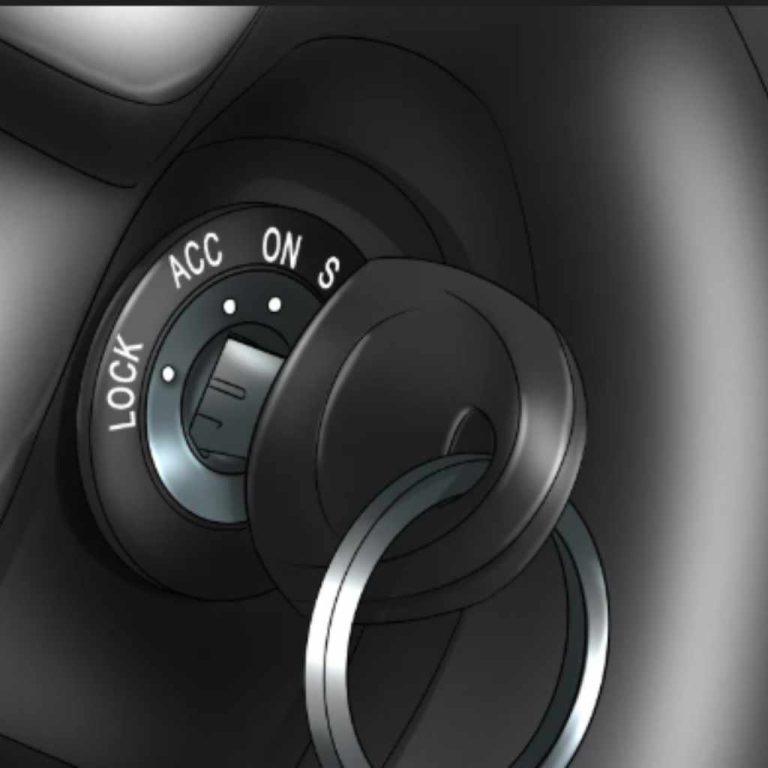
- Insert your key and turn the ignition to the “on” or “accessory” position. You don’t need to start the engine.
- Locate the shift lock override slot on the shifter console, right next to the shifter itself. It’s usually covered by a small plastic cap or door — check your owner’s manual if you can’t find it.
- Pop off the cap and insert a small flathead screwdriver, key, or similar narrow tool into the slot. Push down and hold.
- While still holding the override tool down, press the brake pedal firmly, then push the shifter’s release button as you normally would and move the lever into the gear you need.
- If the engine isn’t running, shift back to Neutral or Park before starting it.
If this override works and the shifter moves normally afterward, the problem is almost always a bad brake light switch or shift interlock solenoid — not the linkage, fluid, or internal transmission problems covered elsewhere in this guide. For a full walkthrough of diagnosing and replacing a faulty shift interlock (including checking your brake lights and fuses), see our companion guide: Why Is My Car Stuck in Neutral? Essential Fixes.
If the override slot doesn’t free the shifter at all, or the shifter moves but the transmission doesn’t actually respond, the cause is more likely one of the mechanical issues covered in the sections below — linkage, cables, clutch hydraulics, fluid, or an internal transmission fault.
DIY Checks: What You Can Do Safely
Before you call a mechanic, there are a few things you can check yourself that might help diagnose or even solve the problem. Always prioritize safety!
Safety First!
Before you begin any inspection, ensure your car is on a level surface. Engage the parking brake firmly. If you need to get under the car, use sturdy jack stands – never rely solely on a jack. Always wear safety glasses.
1. Check the Gear Shifter
Manual Transmission:
- Gently try to move the shifter into different gears (1st, 2nd, 3rd, etc.). Does it feel like it’s engaging anything?
- Look for any visible damage around the shifter base.
- Check if the shifter boot is torn or if anything is obstructing the shifter’s movement.
Automatic Transmission:
- Try to move the selector lever through all positions (P, R, N, D). Does it move smoothly? Does the indicator on the dashboard change correctly?
- Listen for any clicks or resistance when moving the lever.
- Ensure nothing is jamming the shifter lever.
2. Inspect Shifter Linkage or Cables
This check might require getting slightly dirty. You’ll typically look for the rods or cables connecting your shifter to the transmission.
- Pop your car’s hood and locate the transmission. You should see linkages or cables coming from the firewall towards the transmission.
- With the engine OFF, have a helper gently try to move the shifter lever inside the car. Observe the linkage/cables under the hood.
- Are the cables/rods securely attached at both ends?
- Do they move freely without being kinked or frayed?
- Are there any visible signs of damage, such as a snapped cable or a bent rod?
External Resource: For a visual guide on locating shifter components, you can refer to resources like this helpful video tutorial which demonstrates common linkage issues.
Our Top Pick
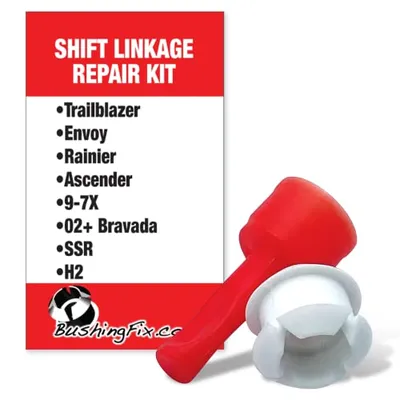
BushingFix Shift Cable Bushing Repair Kit
Best for: A worn-out or cracked shifter cable bushing — one of the single most common (and cheapest) causes of a loose, disconnected-feeling shifter.
Why we picked it: Purpose-built replacement bushing that snaps into the factory linkage, avoiding a full cable replacement in most cases.
Main drawback: Kits are vehicle-specific — confirm the fit for your make and model before ordering.
View Our Pick on Amazon
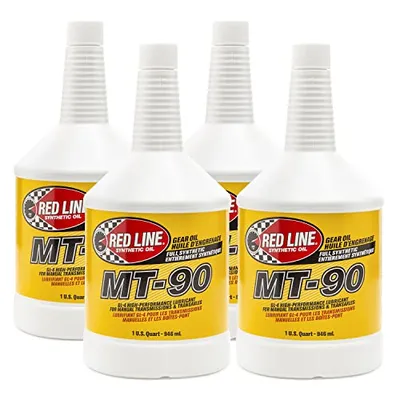 Red Line MT-90 GL-4 Gear Oil Best for: Topping off or changing low/worn manual transmission fluid. Why we picked it: GL-4 rated specifically for synchronized manual gearboxes — using GL-5 gear oil by mistake can damage brass synchros. Main drawback: Check your owner’s manual for the correct viscosity before buying. Check on Amazon |
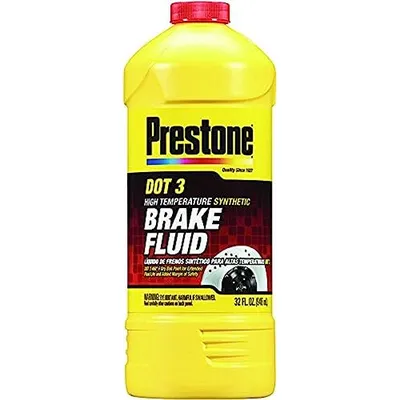 Prestone DOT 3 Brake & Clutch Fluid Best for: Bleeding a spongy manual transmission clutch hydraulic system. Why we picked it: Most hydraulic clutch systems share the same fluid reservoir and spec as the brakes, so one bottle covers both jobs. Main drawback: Always confirm DOT 3 is correct for your specific vehicle before bleeding the system. Check on Amazon |
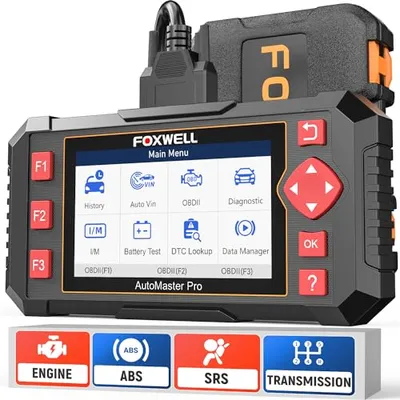 FOXWELL NT604 Elite OBD2 Scanner Best for: Reading transmission control module (TCM) and solenoid fault codes on modern automatics. Why we picked it: Covers transmission, ABS, and SRS systems — not just the check-engine light — so it can confirm an internal transmission electrical fault before you pay for diagnostics. Main drawback: Won’t diagnose purely mechanical issues like a worn clutch disc or a snapped cable. Check on Amazon |
3. Check Transmission Fluid Level and Condition
Automatic Transmission:
- Ensure the car is on a level surface.
- Start the engine and let it run for a few minutes to warm up.
- With your foot firmly on the brake, move the selector lever through all the gears (P, R, N, D, L) and back to Park. Leave the engine running.
- Locate the transmission fluid dipstick (often red or yellow, and labeled “Trans” or “ATF”). Pull it out and wipe it clean.
- Reinsert the dipstick fully, then pull it out again.
- Check the fluid level against the markings on the dipstick (usually “HOT” and “COLD” ranges).
- Inspect the fluid’s condition: It should be reddish-pink and clear. If it’s dark brown, black, or smells burnt, it needs to be changed.
Manual Transmission:
- Locate the fill plug on the side of the transmission case (this usually requires getting under the car). Consult your owner’s manual if unsure.
- Using the correct wrench (often a square-drive plug), carefully remove the fill plug.
- The fluid level should be right up to the bottom edge of the fill hole. If it’s low, you can top it up with the correct type of manual transmission fluid.
- Inspect the fluid coming out. If it’s dark or has a metallic sheen, it may be time for a fluid change.
4. Test the Clutch Pedal (Manual Transmission)
- Press the clutch pedal all the way to the floor. Does it feel normal? Is it too soft or too hard to push?
- Does the pedal return smoothly when you release it?
- If you feel significant resistance or it feels “mushy,” it could be a clutch hydraulic problem. Check the clutch fluid reservoir (often near the brake fluid reservoir) and ensure the level is correct.
Common Fixes and When to Seek Professional Help
Once you’ve identified a potential issue, here are some common fixes and a guide on when it’s time to trust a professional mechanic.
1. Reconnecting Loose Linkage
Who can do it: Beginner DIYer with basic tools.
If you find a loose bolt or clamp holding the shifter linkage or cables, tightening it might be all you need. Ensure the bolt is the correct size and tightened securely, but not so tight that you strip the threads.
2. Replacing Bushings
Who can do it: Intermediate DIYer.
Worn shifter bushings can cause looseness. These are typically rubber or plastic pieces that cushion the connection points. Replacing them involves removing the old ones and pressing in new ones. Kits are often available for specific car models.
3. Bleeding the Clutch System
Who can do it: Intermediate to Advanced DIYer.
If your manual transmission clutch feels spongy, air might be in the hydraulic lines. Bleeding the system removes this air, similar to bleeding brakes. This requires a helper or a vacuum bleeder and the correct clutch fluid.
4. Topping Up or Replacing Transmission Fluid
Who can do it: Beginner DIYer (topping up); Intermediate DIYer (full replacement).
If the fluid is low, topping it up with the correct type of fluid can help. If the fluid is old, dark, or burnt, a transmission fluid change is recommended. This involves draining the old fluid and refilling with new fluid. For automatics, a simple drain-and-fill is often sufficient for basic maintenance, but a full flush might be needed in some cases. Always use the fluid type specified in your owner’s manual.
External Resource: The U.S. Department of Energy provides excellent tips on basic maintenance, including checking fluids, on their official website.
| Transmission Type | Recommended Fluid Type | When to Check / Replace | DIY Difficulty |
|---|---|---|---|
| Automatic Transmission (ATF) | Dexron, Mercon, ATF+4, ATF SP-III, etc. (Check Manual!) | Check level monthly. Replace every 30,000-60,000 miles (or as per manufacturer). | Low: Easy | Full Change: Moderate |
| Manual Transmission (MTF) | GL-4, GL-5 gear oil (various viscosities, check manual!) | Check level when servicing. Replace every 50,000-100,000 miles (or as per manufacturer). | Moderate |
5. Replacing a Clutch Master or Slave Cylinder
Who can do it: Advanced DIYer.
If the clutch fluid is full but the pedal still feels wrong, the master or slave cylinder might be faulty. These are more complex repairs involving hydraulic systems and require careful work.
6. Repairing or Replacing the Transmission
Who can do it: Professional Mechanic Only.
If internal transmission components are broken (gears, shift forks, valve body, etc.), this is a job for a professional. Repairing or replacing a transmission is a significant undertaking that requires specialized tools, knowledge, and often a lift. In these cases, your car is definitely “stuck” and needs expert attention.
When to Call a Professional
You should contact a mechanic if:
- You’re uncomfortable performing any of the DIY checks or repairs.
- You suspect an internal transmission problem (e.g., grinding noises, major leaks).
- You’ve checked the simple things (linkage, fluid) and the problem persists.
- It’s a safety issue, and you’re unsure how to proceed safely.
- You have a complex modern transmission (e.g., CVT, dual-clutch) where many issues require specialized diagnostic equipment.

Troubleshooting Table: Car Stuck in Neutral
Here’s a quick reference to help you troubleshoot. Remember to always prioritize safety.
| Symptom | Likely Cause | Easy DIY Check / Potential Fix | When to Call a Mechanic |
|---|---|---|---|
| Shifter feels loose/wobbly, no positive engagement. | Loose shifter linkage/cables, worn bushings. | Check and tighten linkage bolts. Inspect/replace bushings. | If linkage is severely damaged or complex. |
| Manual clutch feels spongy/soft or doesn’t disengage. | Low clutch fluid, air in system, faulty master/slave cylinder. | Check clutch fluid level. Bleed clutch system (intermediate). | Clutch cylinder replacement, internal clutch wear. |
| Car won’t engage Drive or Reverse when shifter moves. | Selector cable issue (auto), internal transmission problem. | Check selector cable attachment. Check transmission fluid level/condition. | Transmission repair/replacement. |
| Grinding noises when trying to shift (manual). | Clutch not disengaging fully, worn synchronizers. | Check clutch pedal feel and fluid. | Internal transmission damage, clutch repair. |
| Transmission fluid is dark, smells burnt, or is very low. | Fluid breakdown, leaks, internal issues. | Top up fluid (temporary fix). Schedule fluid change. | Investigate leaks, internal damage. |
| Shifter is physically locked and won’t move at all. | Shift lock system engaged (often a brake light switch or fuse issue). | Try the manual override slot near the shifter base. | If override doesn’t free it, or it keeps recurring. |
Frequently Asked Questions (FAQ)
Can I drive my car if it’s stuck in neutral?
No. If your car is stuck in neutral, you can’t accelerate or control your speed through the gears, so it isn’t safe to drive. You can push or tow the car (with extreme caution), but attempting to drive it can cause further damage to the transmission.
How do I use the manual override slot to get my shifter out of Park or Neutral?
With the parking brake engaged and the ignition turned to “on,” locate the shift lock override slot near the base of the shifter (usually under a small plastic cap). Insert a flathead screwdriver or key into the slot and push down while pressing the brake pedal, then push the shifter’s release button and move the lever as usual. See the full steps above.
What’s the difference between a shifter linkage problem and a selector cable problem?
Linkage problems involve the rods, bolts, and bushings that physically connect the shifter to the transmission — common on both manual and automatic cars. A selector cable problem is specific to automatics: the cable that translates shifter movement into a gear selection stretches, frays, or detaches, so the dashboard indicator (P/R/N/D) may not even match the gear the transmission is actually in.
Why does my manual transmission stay in neutral even with the clutch pressed?
This usually points to a clutch hydraulic problem — low or contaminated clutch fluid, air trapped in the lines, or a failing master or slave cylinder — that’s preventing the clutch from fully disengaging even though the pedal moves normally. Bleeding the clutch system or replacing the cylinder typically resolves it.
Can low or dirty transmission fluid really cause a car to get stuck in neutral?
Yes. Transmission fluid lubricates internal components and, in automatics, creates the hydraulic pressure needed to engage gears. If the level is too low or the fluid has broken down from age or overheating, the transmission may not build enough pressure to shift out of neutral at all.
How much does it cost to fix a car that won’t come out of neutral?
It depends entirely on the cause. Reconnecting a loose linkage or topping off fluid can cost nothing beyond your own time. Replacing worn bushings or a shifter cable typically runs $50–$200. A clutch master or slave cylinder replacement is usually $150–$450. A full internal transmission repair or rebuild is the most expensive outcome, often $1,800–$3,500 or more.
Conclusion
A car stuck in neutral is almost always traceable to one of five things: a worn shifter linkage or cable, a clutch hydraulic problem, low or dirty transmission fluid, an internal transmission fault, or — more often than people expect — a simple shift-lock issue you can clear yourself with the manual override slot. Work through the checks in this order, starting with the override slot, before assuming you need a mechanic. If the override doesn’t free the shifter or the problem keeps coming back, see our companion guide on diagnosing a bad shift interlock switch or consult a transmission specialist.
Products related to this article
Sponsored / affiliate links. As an Amazon Associate I earn from qualifying purchases. I may earn additional commission from eligible campaigns.