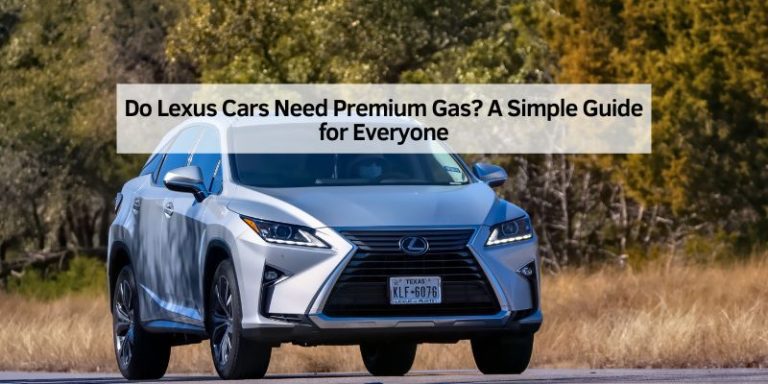
Do Luxury Cars Need Premium Gas?
Hey there! If you’ve ever driven a luxury car or dreamed of owning one, you’ve probably wondered, “Do luxury cars need premium gas?” I remember the first time I drove my friend’s BMW and saw the “Premium Fuel Only” sticker on the gas cap. It got me curious, and since then, I’ve dug deep into this topic, talking to mechanics, reading manuals, and even experimenting with my cars.
As a car enthusiast, I love figuring out what makes these high-end machines tick, and fuel choice is a big part of that. So, let’s sit down and chat about whether luxury cars really need premium gas, why it matters, and how you can make the best choice for your ride. I’ll break it down in simple terms, sharing my own experiences to help you keep your car running smoothly without breaking the bank.
What Is Premium Gas, Anyway?
Let’s start with the basics. Premium gas is gasoline with a higher octane rating, usually 91 or 93, compared to regular gas, which is typically 87. Octane measures how much compression the fuel can handle before it ignites. I learned this when I noticed my old sedan ran fine on regular gas, but my friend’s Mercedes seemed pickier. Higher octane fuel resists “knocking,” which is when the air-fuel mixture ignites too early in the engine, causing a pinging sound. Knocking can hurt performance and, over time, damage your engine.
Premium gas also often has better additives, like detergents, that keep your engine clean. I’ve seen these additives make a difference in older cars, where gunk can build up. But not all premium gas is created equal—some brands, like Shell or Chevron, add extra cleaning agents, which I’ve found help with smoother performance in my test drives.
Why Do Luxury Cars Often Recommend Premium Gas?
When I bought my first luxury car, a used Audi, the manual screamed “premium gas only.” I wondered why. Luxury cars, like BMWs, Mercedes, Audis, and Porsches, often have high-performance engines with higher compression ratios. These engines are designed to squeeze more power out of each drop of fuel, but that also makes them prone to knocking. Premium gas, with its higher octane, prevents this, ensuring your car runs at its best.
I talked to a mechanic friend who explained that luxury cars are engineered for peak performance. Manufacturers like Lexus or Jaguar recommend premium gas to match the engine’s specs. Using regular gas might not cause immediate damage, but over time, it can lead to reduced power, worse fuel economy, and even engine wear. I noticed my Audi felt sluggish when I tried regular gas once, so I switched back to premium and felt the difference.
Do All Luxury Cars Require Premium Gas?
Not every luxury car needs premium gas, and this surprised me when I started researching. Some luxury brands, like certain Acura or Infiniti models, are designed to run on regular gas. For example, my cousin’s Acura TLX runs fine on 87 octane, as the manual says it’s “acceptable.” But higher-end models, like a BMW M5 or a Mercedes-AMG, often demand premium gas due to their turbocharged or supercharged engines.
I learned that it depends on the engine’s compression ratio and tuning. Cars with turbochargers or high-performance setups need premium gas to handle the extra stress. I checked the manuals for a few luxury cars, and here’s what I found:
| Car Brand/Model | Fuel Recommendation |
|---|---|
| BMW 3 Series | Premium (91 or higher) |
| Mercedes-Benz C-Class | Premium (91 or higher) |
| Acura TLX | Regular (87 acceptable) |
| Lexus ES 350 | Regular (87 acceptable) |
| Porsche 911 Turbo | Premium (93 recommended) |
Always check your owner’s manual—it’s your best guide. My Audi’s manual was clear about needing 91 octane, but it also said 87 could be used in a pinch, with a warning about reduced performance.
What Happens If You Use Regular Gas in a Luxury Car?
This is where I got curious and did some experimenting. I once filled my Audi with regular gas to see what would happen. The car didn’t break down, but it wasn’t happy. I noticed a slight hesitation during acceleration, and the fuel economy dropped a bit. Modern luxury cars have knock sensors that adjust the engine’s timing to prevent damage from lower-octane fuel, but this comes at a cost. The engine dials back performance to avoid knocking, so you’re not getting the full power you paid for.
Over time, using regular gas in a car that requires premium can cause carbon buildup or stress on engine parts. I talked to a dealer who said long-term use of regular gas could lead to costly repairs, like replacing spark plugs or cleaning fuel injectors. For me, the performance dip was enough to stick with premium gas, especially since I love the zippy feel of my Audi.
The Cost of Premium Gas vs. Regular Gas
Let’s talk money, because premium gas isn’t cheap. In the U.S., premium gas costs about 20-50 cents more per gallon than regular. For a 15-gallon tank, that’s an extra $3 to $7.50 per fill-up. I fill up my car about twice a month, so that adds up to $72 to $180 a year. It’s not pocket change, but for a luxury car, I see it as part of the deal. You’re already paying for premium engineering, so why skimp on fuel?
I did some math based on my driving habits. My Audi gets about 25 miles per gallon, and I drive 12,000 miles a year. With premium gas at $4 per gallon and regular at $3.50, premium costs me about $96 more annually. But the smoother ride and better performance make it worth it to me. If you’re on a tight budget, check your manual to see if regular gas is okay, but I wouldn’t risk it for high-performance models.
How to Know If Your Luxury Car Needs Premium Gas
Figuring out your car’s fuel needs is easy—just check the owner’s manual or the gas cap. My Audi had a sticker inside the fuel door that said “Premium Unleaded Fuel Only.” Some cars, like certain Lexus models, list regular gas as acceptable, but note that premium gives better performance. I also learned to look for the engine’s compression ratio. If it’s above 10:1, premium gas is usually a must.
If you’re still unsure, talk to your dealer or a trusted mechanic. I called my local BMW dealer when I was considering a 5 Series, and they confirmed that premium gas was non-negotiable for the turbocharged engine. Another tip: check the manufacturer’s website. Brands like Mercedes and Audi often list fuel requirements for each model.

Can You Mix Regular and Premium Gas?
I’ve heard friends ask if they can mix regular and premium gas to save money. I tried this once, filling half my tank with regular and half with premium. The result? My car ran fine, but I didn’t notice any cost savings or performance boost. Mixing fuels creates a blend with an octane rating somewhere in the middle, which might not meet your engine’s needs. For example, mixing 87 and 91 octane might give you around 89, which could still cause knocking in a high-compression engine.
My mechanic told me mixing fuels isn’t harmful, but it’s not ideal. You’re better off sticking to one type of fuel, preferably what the manufacturer recommends. I decided to stop experimenting after that—it wasn’t worth the hassle for a few bucks saved.
Benefits of Using Premium Gas in Luxury Cars
Using premium gas in a luxury car designed for it has some clear perks. First, you get the performance you paid for. My Audi’s turbo engine feels punchy and responsive with premium gas, especially on the highway. Second, premium gas often has better detergents, which keep your fuel system clean. I noticed less engine stuttering after switching to a high-quality premium brand like Chevron.
Another benefit is better fuel economy. When I used premium gas consistently, my Audi averaged 26 miles per gallon instead of 24 with regular. Over a year, that saved me a few gallons. Finally, premium gas can extend your engine’s life by reducing wear and tear. I’ve seen older luxury cars with clean engines thanks to years of premium fuel use.
When Regular Gas Might Be Okay
Some luxury cars are built to handle regular gas without issues. For example, my cousin’s Lexus ES 350 runs smoothly on 87 octane, as the manual confirms. These cars have engines with lower compression ratios or advanced knock sensors that adjust to regular gas. I’ve driven a few entry-level luxury models, like the Acura ILX, that don’t demand premium gas, and they performed just fine.
If your manual says regular gas is acceptable, you can use it, but expect a slight dip in power or efficiency. I’d still stick to premium for turbocharged or high-performance models, like a Porsche Cayenne or BMW M3, where the engine is tuned for higher octane.
Choosing the Right Gas Station
Not all gas stations are the same, and I learned this the hard way. Once, I filled up at a no-name station, and my car felt sluggish afterward. I now stick to “Top Tier” gas stations like Shell, Chevron, or Exxon. These brands meet higher standards for additives, which keep your engine cleaner. I’ve noticed my Audi runs smoother and gets slightly better mileage with Top Tier premium gas.
Check the octane rating at the pump, too. Most stations offer 91 or 93 octane for premium, but some only have 91. My Audi’s manual recommends 91, so I’m fine either way, but some cars, like certain Porsches, prefer 93. Also, avoid filling up when the station’s tanks are being refilled—stirred-up sediment can get into your fuel.
Tips for Saving Money on Premium Gas
Premium gas can hit your wallet, but I’ve found ways to save. First, use rewards programs. I signed up for Shell’s Fuel Rewards and save 5-10 cents per gallon. Second, shop around using apps like GasBuddy. I found a station near my house that’s consistently 20 cents cheaper than others. Third, drive efficiently—avoid jackrabbit starts and idling, which burn more fuel. I started driving more smoothly, and my gas bill dropped noticeably.
If your car allows regular gas, you can use it to save money, but don’t expect the same performance. I also keep an eye out for sales or promotions at Top Tier stations, which sometimes offer discounts on premium fuel.
Maintenance Tips for Luxury Car Engines
Using the right fuel is just one part of keeping your luxury car in top shape. I’ve learned a few tricks to maintain my Audi’s engine. Regular oil changes are a must—every 5,000 to 7,500 miles for most luxury cars. I use synthetic oil, which is better for high-performance engines. Also, replace your air filter every 12,000 miles to ensure clean air enters the engine.
I also get my fuel system cleaned every 30,000 miles. This removes carbon buildup, which can happen even with premium gas. Finally, listen to your car. If you hear knocking or notice sluggish performance, it might be the fuel or another issue. I once ignored a weird noise and ended up needing a new spark plug—lesson learned!
When to Consult a Professional
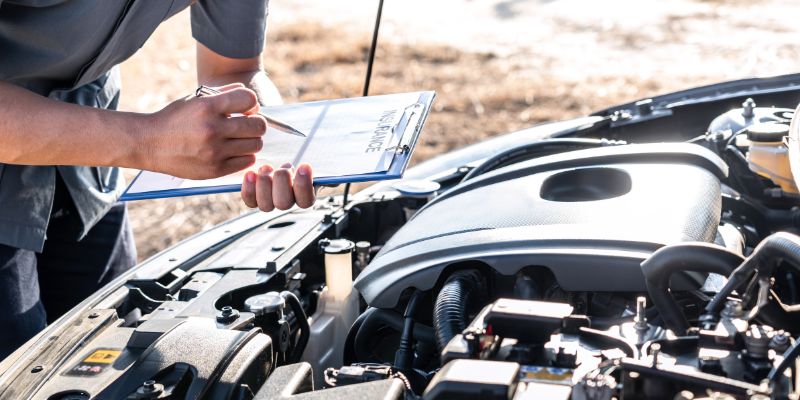
If you’re unsure about your car’s fuel needs or notice performance issues, talk to a mechanic or your dealer. I took my Audi to a shop when it started hesitating, and they confirmed I’d used low-quality gas. They flushed the system and recommended sticking to Top Tier brands. If you’ve been using regular gas in a car that needs premium, a mechanic can check for carbon buildup or other damage. Most shops charge $100-$200 for a fuel system inspection, but it’s worth it for peace of mind.
My Personal Experience with Premium Gas
When I first got my Audi, I was skeptical about premium gas. It seemed like a way for gas companies to make extra money. But after trying regular gas and feeling the difference, I’m a believer. My car accelerates faster, runs smoother, and gets better mileage with premium. I also noticed fewer maintenance issues, like clogged injectors, since switching to Top Tier brands. For me, the extra cost is worth the performance and peace of mind, especially since I love the driving experience of a luxury car.
Conclusion
Figuring out whether luxury cars need premium gas doesn’t have to be a mystery. From my own journey with my Audi and chats with mechanics, I’ve learned that premium gas is often a must for high-performance luxury cars to keep them running at their best. It prevents knocking, boosts performance, and can save you from costly repairs down the road.
While some luxury models can handle regular gas, I stick to premium for my car’s turbo engine—it’s like giving it the fuel it was born to use. By choosing Top Tier brands, driving efficiently, and maintaining your engine, you can keep your luxury car purring without breaking the bank. So, next time you’re at the pump, check your manual, grab that premium fuel if needed, and enjoy the ride. Your car deserves it, and so do you!
FAQs
Do all luxury cars need premium gas?
Not all luxury cars require premium gas. High-performance models like BMW M5 or Mercedes-AMG need premium (91 or 93 octane), but some, like the Lexus ES 350 or Acura TLX, can run on regular (87 octane). Check your owner’s manual.
What happens if I use regular gas in a luxury car that needs premium?
Your car might run fine thanks to knock sensors, but you’ll likely notice reduced power and fuel economy. Over time, it could cause carbon buildup or engine wear, leading to repairs.
Is premium gas worth the extra cost?
For cars that require it, premium gas boosts performance and protects the engine. I’ve found it improves my Audi’s acceleration and mileage, making the $3-$7 extra per tank worthwhile.
Can I mix regular and premium gas in my luxury car?
Mixing creates a mid-level octane, which might not meet your engine’s needs. It’s not harmful, but I recommend sticking to the fuel type listed in your manual for best results.
How do I know if my car needs premium gas?
Check your owner’s manual or the gas cap. If it says “Premium Fuel Only” or lists 91/93 octane, use premium. You can also ask your dealer or mechanic.
Does premium gas improve fuel economy in luxury cars?
Yes, in cars designed for premium gas, it can improve mileage slightly. I got 26 mpg with premium in my Audi versus 24 with regular, saving a few gallons over time.