Do Used Car Auction Sites Accept Credit Cards
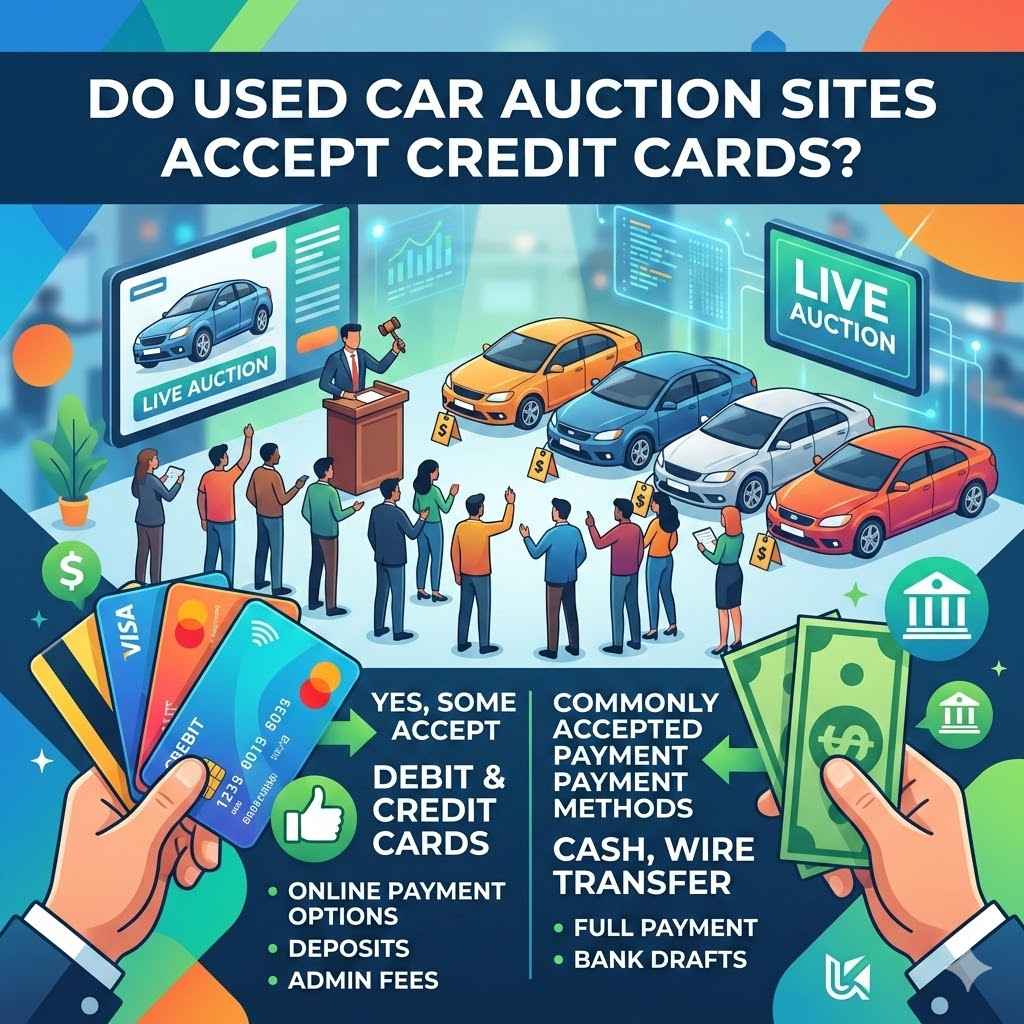
When you’re looking for a used car, especially at auction, a common question pops up: Do Used Car Auction Sites in the US Accept Credit Cards? It can be a bit tricky to figure out, and for folks new to car auctions, it might even feel a little confusing. But don’t worry!
We’re going to break it down super simply, step by step. Stick with us, and we’ll clear everything up so you know exactly what to expect.
Understanding Credit Card Use at US Used Car Auction Sites
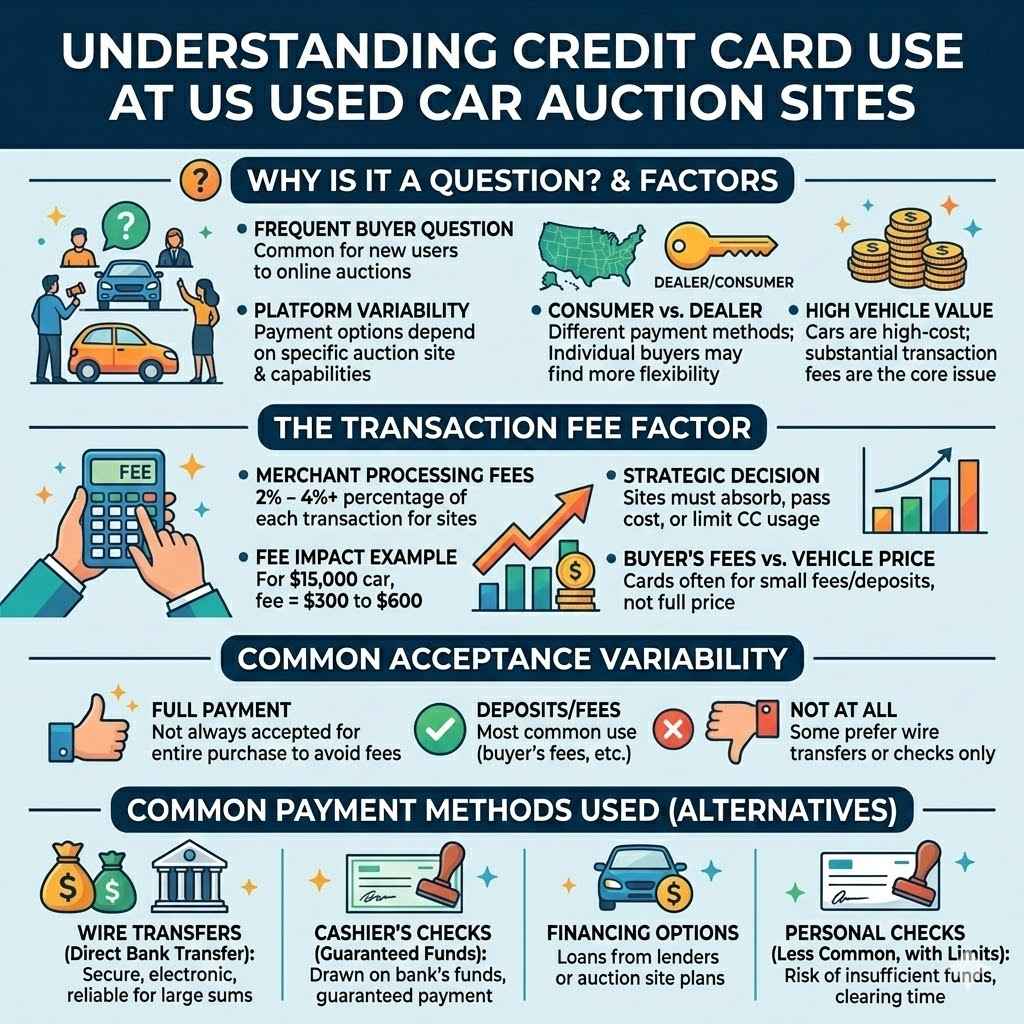
This section will explore the practicalities of using credit cards when bidding on or purchasing vehicles from online used car auction platforms in the United States. We will cover why this is a frequent question for buyers and what factors influence payment policies. Understanding these payment methods can help you make informed decisions and avoid surprises during the buying process.
Credit Card Policies Overview
Many people wonder if they can use their credit cards for car purchases. This is a very common question, especially for those new to buying cars from auctions online. The ability to use a credit card can significantly impact how quickly and easily someone can make a purchase.
It often depends on the specific auction site and its payment processing capabilities.
Some auction sites are designed for everyday consumers, while others cater to licensed dealers. This distinction often affects their payment options. If you’re an individual buyer, you might find more flexibility with payment methods.
For dealers, specific financing arrangements are more common. Knowing this difference helps set expectations right from the start.
The core issue is that cars are high-value items. Processing a credit card payment for a car involves significant transaction fees for the seller. Because of this, not all auction sites pass these costs on to the buyer or accept cards for the full vehicle price.
This is a key reason why the answer isn’t a simple yes or no for every platform.
The Credit Card Transaction Fee Factor
Credit card companies charge merchants a percentage of each transaction, known as a processing fee. For a high-value item like a car, this fee can be quite substantial. For example, if a car sells for $10,000 and the credit card fee is 3%, the auction site would pay $300.
This cost needs to be absorbed or passed on.
Many auction sites choose not to accept credit cards for the entire purchase price of a vehicle to avoid these high fees. Instead, they might use credit cards for smaller fees or deposits, but require other payment methods for the bulk of the car’s cost. This is a strategic decision to manage their operating expenses and profitability.
This fee structure influences how auction sites set up their payment systems. Buyers should always check the specific terms and conditions of the auction site they are using. The site’s payment policy will clearly outline what forms of payment are accepted and any associated limits or fees.
Ignoring these details can lead to misunderstandings later on.
Transaction Fee Impact: Credit card processing fees can range from 2% to 4% or more for business transactions. For a car costing $15,000, this could mean $300 to $600 in fees. Auction sites must decide if they will absorb this cost, add it to the final price, or limit credit card usage. This decision directly affects buyer payment options.
Credit Card Acceptance Variability: Not all online car auction platforms operate the same way. Some might fully accept credit cards for vehicle purchases, while others only allow them for deposits or buyer’s fees. A few may not accept them at all for vehicle payments, preferring wire transfers or cashier’s checks.
Buyer’s Fees vs. Vehicle Price: Often, credit cards are accepted for buyer’s fees, which are typically a few hundred dollars, but not for the entire vehicle price. These fees are a smaller amount, making the credit card processing cost more manageable for the auction site. This allows buyers to still earn credit card rewards on a portion of their purchase.
Common Payment Methods Used
When credit cards aren’t fully accepted for the vehicle price, what are the other options? Understanding these alternatives ensures you are prepared. Auction sites usually have a preferred set of payment methods that are more cost-effective for them and secure for the transaction.
Wire transfers are a very common method. This is a secure way to move money electronically from one bank account to another. It’s generally faster than mailing a check and considered very safe for large sums.
Many auction sites mandate wire transfers for the full vehicle payment.
Cashier’s checks are another widely accepted form of payment. These are checks purchased from a bank, guaranteeing that the funds are available. They are often preferred for their security and certainty, especially for high-value transactions where personal checks might be too risky.
Wire Transfers: This is a direct electronic transfer of funds from your bank account to the auction company’s bank account. It is secure and usually processed within one business day. Most auction sites provide specific wire transfer instructions, including routing numbers and account details. This method is highly reliable for large amounts.
Cashier’s Checks: A cashier’s check is drawn on the bank’s own funds rather than your personal account. This makes it a guaranteed form of payment. You purchase it from your bank, and the bank verifies the funds are available before issuing it. It’s a safe option if you prefer not to do an electronic wire transfer.
Personal Checks (with limitations): Some sites may accept personal checks, but this is less common for the full vehicle price due to the risk of insufficient funds. If accepted, there’s often a waiting period for the check to clear before the vehicle can be released. This can add days or even weeks to the process.
Financing Options: Many auction sites partner with lenders or offer their own financing plans for buyers. This allows you to get a loan to cover the vehicle’s cost, and then you repay the lender over time. This is a popular option for buyers who don’t want to pay the full amount upfront.
How Do Used Car Auction Sites in the US Accept Credit Cards
This part of our discussion focuses on the specific ways credit cards might be accepted, even if not for the full car price. We’ll look at common scenarios, limits, and what you might gain from using a credit card when possible. It’s about finding the best payment strategy that works for both you and the auction platform.
Partial Payment and Deposits
Many auction sites will permit the use of credit cards for a portion of the transaction. This is often for the initial deposit required to secure a winning bid or to cover buyer’s fees. These amounts are typically much lower than the total cost of the vehicle.
For example, you might win a car for $8,000. The auction site might require a $500 deposit to confirm your purchase, and they might allow you to pay this deposit with a credit card. The remaining $7,500 would then need to be paid via wire transfer or cashier’s check.
This approach benefits both parties.
This method allows buyers to use credit cards for potential rewards or points while minimizing the auction site’s exposure to large transaction fees. It’s a balanced approach that provides some flexibility. Always verify the exact deposit amount and the credit card limits for these payments.
Buyer’s Fees and Credit Card Acceptance
Buyer’s fees are an extra charge added by the auction house to the winning bid amount. These fees cover the auction house’s operational costs. They can range from a flat fee to a percentage of the winning bid.
Many sites are quite willing to accept credit cards for these buyer’s fees.
This is a very common practice because the buyer’s fee is a relatively small sum compared to the vehicle’s price. The credit card processing fee on a $300 buyer’s fee is much less of a concern for the auction house than on a $10,000 car. This makes it a win-win situation.
By allowing credit cards for buyer’s fees, auction sites can streamline the checkout process for many customers. It also means you can still potentially earn credit card rewards on this part of your purchase. Make sure to check the exact amount of the buyer’s fee and if it can be paid with a card.
Using Credit Cards for Specific Auction Types
The type of auction you participate in can also influence payment options. Public auctions might have different rules than dealer-only auctions. Some platforms are specifically designed for consumers, offering more payment choices.
For instance, auctions hosted by dealerships or major online car retailers might be more inclined to accept credit cards for full or partial payments to attract a broader customer base. These platforms often have the infrastructure to handle larger credit card transactions.
Government auctions or salvage auctions might have stricter payment requirements, often favoring wire transfers due to the nature of the sales. It’s always important to research the specific auction provider’s payment policies before bidding.
Public Auctions (Consumer-Focused): Websites like eBay Motors, Cars and Bids, or Bring a Trailer often allow credit cards for deposits, buyer’s fees, or even the full amount on lower-priced vehicles. These platforms aim to be accessible to a wide range of buyers, including those who prefer using credit cards for convenience and rewards.
Dealer-Only Auctions: These auctions are typically for licensed car dealers and have different payment structures. Credit card usage is rare for vehicle purchases here; they usually rely on dealer financing, floor plan services, or direct bank transfers.
Salvage and Government Auctions: Auctions selling damaged, rebuilt, or seized vehicles (like those from Copart or government surplus sites) often have more rigid payment terms. They may accept credit cards for smaller fees but almost always require wire transfers or cashier’s checks for the vehicle itself.
Credit Card Benefits for Buyers
Even when credit cards aren’t accepted for the entire car price, using them for deposits or fees can offer advantages. These benefits can add up and make the overall purchase experience smoother.
The most obvious benefit is earning rewards. Many credit cards offer points, miles, or cashback on purchases. Using a credit card for any part of your car purchase allows you to accumulate these rewards, which can be redeemed for travel, gift cards, or statement credits.
Credit cards also provide a layer of purchase protection. If there’s a dispute with the seller or the transaction, your credit card company can often help mediate or even reverse the charges. This offers a sense of security, especially when buying a vehicle online.
Rewards and Cashback Programs: Using a credit card for eligible payments allows you to earn valuable rewards. For a $500 deposit, if you have a card offering 2% cashback, you’d get $10 back. Over time, these rewards can offset some of the costs associated with buying a car.
Purchase Protection and Fraud Prevention: Credit cards offer strong consumer protection. If a purchased item is not as described or if there’s an issue with the transaction, credit card companies can investigate and potentially issue a chargeback. This provides a safety net against fraudulent sellers or misrepresentations.
Building Credit History: Making timely payments on a credit card used for a purchase can help improve your credit score. Responsible use of credit demonstrates to lenders that you can manage debt effectively, which is beneficial for future financial endeavors.
The Process of Paying with Credit Cards at Auctions
Here we will walk through the typical steps involved when credit cards are an option for payment at used car auction sites. This will help demystify the checkout process and make it feel more manageable. Knowing the sequence of events can prevent last-minute confusion.
Step-by-Step Payment Guide
The process usually begins after you have won an auction. You’ll typically receive a notification with instructions on how to proceed with payment. This is where you’ll see the accepted payment methods.
If credit cards are accepted for a deposit or fees, you’ll be directed to a secure payment portal. Here, you enter your credit card details, including the card number, expiration date, and CVV code. Some sites may also require your billing address.
Once you submit your payment information, the transaction is processed. You’ll receive a confirmation of the payment, often via email. The remaining balance, if any, will then be due, usually through a method like a wire transfer.
Understanding Payment Portals and Security
When you use a credit card on an auction site, you’ll interact with a payment gateway. These are secure systems designed to protect your financial information. Reputable auction sites use encrypted connections (often indicated by “https” in the web address and a padlock icon) to ensure your data is safe.
It’s crucial to only enter your credit card details on secure, official payment pages provided by the auction site. Avoid sharing your credit card information via email or insecure links. Always check for the padlock icon in your browser’s address bar as a sign of a secure connection.
These payment portals are designed to comply with industry standards for data security, like PCI DSS (Payment Card Industry Data Security Standard). This helps prevent unauthorized access to your sensitive financial data, making online transactions much safer.
What Happens After Payment
Once your payment, whether in full or partial with a credit card, is successfully processed, the auction site will confirm it. This confirmation is a critical step that signifies your commitment and eligibility to take possession of the vehicle.
Following payment confirmation, you’ll usually receive instructions for vehicle pickup or shipping. This might involve scheduling a time to collect the car from the auction yard or arranging for transportation services.
The auction site will also provide necessary paperwork, such as the bill of sale, title transfer documents, and any other required forms. It’s essential to keep all these documents organized for your records and for future registration and titling of the vehicle.
Confirmation Emails: You will receive an email confirming the successful processing of your credit card payment, detailing the amount paid and any remaining balance. This email serves as your receipt.
Vehicle Pickup/Shipping Arrangements: The next step involves coordinating the logistics of getting your car. This may include providing delivery details or scheduling a pickup appointment at the auction facility.
Documentation and Title Transfer: You’ll be provided with essential documents for the vehicle. This typically includes the title, bill of sale, and any auction-specific paperwork needed for registration and ownership transfer.
Navigating Challenges and Best Practices
While using credit cards can offer benefits, there are potential challenges to be aware of. By understanding these and following some best practices, you can ensure a smoother buying experience. This proactive approach helps avoid common pitfalls.
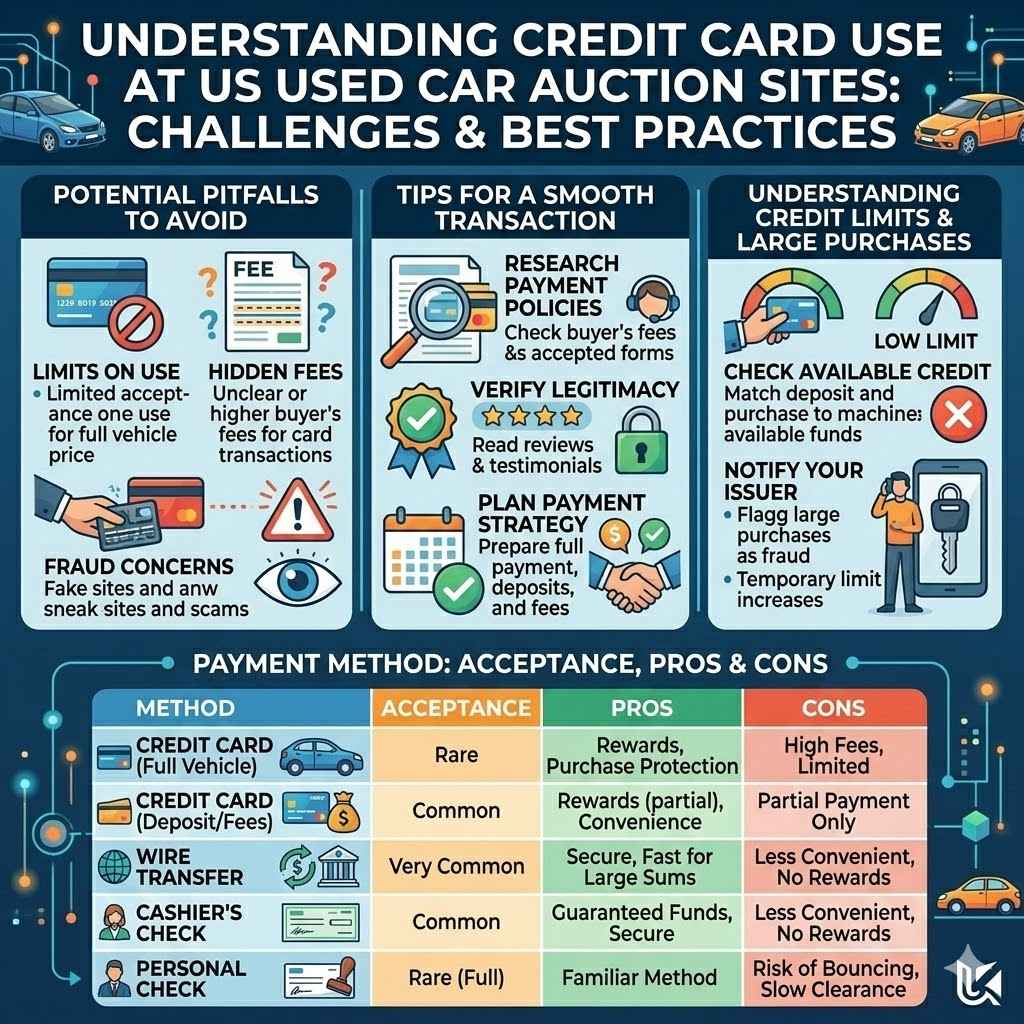
Potential Pitfalls to Avoid
One of the main challenges is understanding the limits on credit card usage. Not all auction sites allow credit cards for the full vehicle price, which can be frustrating if you were expecting to use them for the entire purchase. This can lead to last-minute payment issues if not planned for.
Another pitfall is hidden fees. Some auction sites might not clearly state all the fees associated with credit card payments, or they might have higher buyer’s fees for credit card transactions. Always read the fine print carefully.
Lastly, fraud is always a concern in online transactions. Unscrupulous sellers or fake auction sites could try to trick you into providing your credit card information under false pretenses. Staying vigilant is key.
Tips for a Smooth Transaction
Before you even start bidding, thoroughly research the auction site’s payment policies. Look for sections on payment methods, buyer’s fees, and accepted forms of payment. If anything is unclear, contact their customer support.
Always verify the identity of the auction site and ensure it’s a legitimate platform. Look for reviews and testimonials from other buyers. Use secure payment methods and always confirm that the payment portal is encrypted.
Plan your payment strategy in advance. Know exactly how you will pay the full amount, including any deposits or fees, before you place a bid. This avoids any surprises or delays once you’ve won the auction.
Read the Fine Print Carefully: Always review the terms and conditions of the auction site regarding payment. Pay close attention to any details about credit card usage, fees, and limits for different purchase amounts.
Verify Auction Site Legitimacy: Ensure the auction site is reputable. Look for contact information, customer support options, and reviews from previous buyers. Be wary of sites that seem too good to be true or pressure you to pay immediately.
Have a Backup Payment Plan: Since not all sites accept credit cards for the full vehicle price, have alternative payment methods ready, such as a wire transfer or cashier’s check. This ensures you can complete the purchase without delays.
Contact Customer Support with Questions: If you are unsure about any aspect of the payment process, do not hesitate to contact the auction site’s customer support. They can clarify policies and provide specific guidance.
Understanding Credit Limits and Large Purchases
When considering using a credit card for any part of a car purchase, it’s vital to know your credit limit. For example, if you plan to use a credit card for a $500 deposit and your card’s limit is only $300, the transaction will be declined. Ensure your available credit is sufficient.
If you win a more expensive vehicle and the auction site does allow credit cards for the full amount (which is rare), ensure your credit card has a high enough limit to cover the vehicle’s price. You might need to contact your credit card company to temporarily increase your limit for a large purchase.
Also, be aware that many credit card issuers might flag very large purchases, like a vehicle, as potentially fraudulent, even if you have a high credit limit. This is a security measure. It’s often a good idea to notify your credit card company in advance if you plan to make a significant purchase.
| Payment Method | Common Acceptance at Auctions | Pros | Cons |
|---|---|---|---|
| Credit Card (Full Vehicle) | Rare | Rewards, Purchase Protection | High Fees for Seller, Limited Acceptance |
| Credit Card (Deposit/Fees) | Common | Rewards on Part of Purchase, Convenience | Only Partial Payment Accepted |
| Wire Transfer | Very Common | Secure, Fast for Large Sums | Less Convenient, No Rewards |
| Cashier’s Check | Common | Guaranteed Funds, Secure | Less Convenient, No Rewards |
| Personal Check | Rare (for full payment) | Familiar Method | Risk of Bouncing, Slow Clearance |
Frequently Asked Questions
Question: Can I use my credit card for the entire price of a used car at an auction site in the US
Answer: It is very rare for US used car auction sites to accept credit cards for the entire price of a vehicle due to high transaction fees for sellers. Some may accept them for deposits or buyer’s fees.
Question: What are the typical fees for using a credit card at car auctions
Answer: Credit card fees are usually a percentage of the transaction amount charged to the merchant (the auction site). While not always directly passed to the buyer as a separate fee, these costs can influence the auction site’s decision to accept cards for full vehicle payments.
Question: Which payment methods are most commonly accepted for used cars at US auctions
Answer: Wire transfers and cashier’s checks are the most commonly accepted payment methods for the full vehicle price at US used car auction sites. Credit cards are often limited to deposits or buyer’s fees.
Question: Can I earn credit card rewards when buying a car at auction
Answer: Yes, you can earn credit card rewards if you use a credit card for any eligible portion of the purchase, such as a deposit or buyer’s fees. Check the specific auction site’s policy on this.
Question: What should I do if I have trouble making a payment at a car auction
Answer: If you encounter issues with payment, contact the auction site’s customer support immediately. They can guide you through the process, explain options, and help resolve any problems to ensure your purchase is completed successfully.
Conclusion
When looking at Do Used Car Auction Sites in the US Accept Credit Cards, the answer is usually not a simple yes for the full vehicle price. You’ll likely find credit cards accepted for deposits or buyer’s fees. Always check each auction site’s specific payment policy.
Wire transfers or cashier’s checks are standard for the remaining balance. Plan your payment strategy in advance to make your car buying process smooth and successful.