How Much Do Cars Cost in 2026? Average New and Used Car Prices
A new car cost about $49,900 on average in 2026, and a used car averaged about $26,300, according to Kelley Blue Book and Cox Automotive transaction data.
Those national averages hide a huge range. A basic new compact sedan can still be financed for under $25,000, while a loaded pickup truck now averages nearly $67,000 – and AAA puts the true annual cost of owning a new car, once you add insurance, fuel, maintenance, and financing, at over $12,000 a year. Getting the price wrong in either direction, paying too much or underestimating the real cost of ownership, is one of the most common and expensive mistakes car buyers make.
This guide breaks down what a car actually costs in 2026, what drives the price up or down, how new and used prices compare, what ownership really costs beyond the sticker, and how to negotiate a fair deal whether you’re buying online or at a dealership.
Average Car Prices in 2026: New vs. Used
The average new-vehicle transaction price hit $49,855 in July 2026, according to Kelley Blue Book parent company Cox Automotive, up about 1.9% from a year earlier and the highest point of the year. New car prices have stayed under the $50,000 mark for all of 2026, but that headline number swings widely by vehicle type. The average used car, meanwhile, sold for around $26,342 in the same period – a gap of roughly $23,500 between new and used.
| Vehicle Category | Average Price (2026) |
|---|---|
| All new vehicles (average) | $49,855 |
| Compact SUV / crossover (best-selling segment) | ~$37,055 |
| Pickup truck (most expensive segment) | ~$66,980 |
| All used vehicles (average) | ~$26,342 |
| 3-year-old used vehicle | ~$31,548 |
Two things explain most of the gap between the headline average and what a specific buyer pays. First, the vehicle category matters more than almost anything else – a compact SUV costs roughly half what a full-size pickup does. Second, dealer incentives and manufacturer rebates can shave thousands off the sticker price on slower-selling models, while high-demand trims often sell at or above sticker.
BEFORE YOU BUY A USED CAR
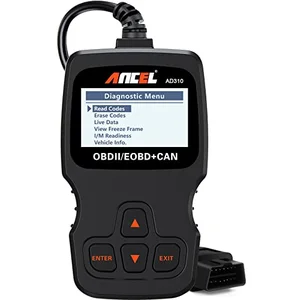 |
ANCEL AD310 OBD2 Scanner – $29.99 Since a used car’s price often hinges on hidden accident or repair history, plugging this into any 1996-or-newer vehicle before you buy shows stored and pending engine fault codes in seconds.
|
What Affects How Much a Car Actually Costs
The sticker price on a car is really just a starting point shaped by several factors that stack on top of each other.
- Make and model: Luxury and performance brands carry higher base prices and hold their value differently than mainstream brands. Reliability reputation also plays a role – models known for lasting longer often command a premium even used.
- Trim level and options: The jump from a base trim to a fully-loaded version of the same model can add $10,000 or more, driven by tech packages, upgraded materials, and advanced driver-assist features.
- Age and mileage: A car’s value drops fastest in its first few years, then declines more gradually. Higher mileage lowers resale and purchase price because it signals more wear on the engine, transmission, and suspension.
- Condition and history: A clean title with no accident history, complete maintenance records, and low mileage relative to age all push a car’s price up. A branded title (salvage, flood, or accident-reported) can cut the price by 20 to 40% or more.
- Supply and demand: Popular models with long waitlists sell closer to or above sticker price. Slower-moving inventory usually comes with larger dealer discounts and incentives.
New Cars vs. Used Cars: Depreciation Changes the Math
New cars cost more upfront, but they also come with the latest safety technology, a full factory warranty, and zero prior wear. Used cars cost less to buy and finance, but the savings depend heavily on when in the car’s depreciation curve you buy it.
Depreciation hits hardest in the first year. Estimates vary by data source and vehicle, but a new car typically loses somewhere between 15% and 25% of its value in year one, then continues losing value more gradually – most vehicles retain somewhere around 45% to 55% of their original price after five years. That first-year drop is exactly why a lightly used, one- to two-year-old car is often the sweet spot for buyers who want near-new condition without paying the steepest part of the depreciation curve. For a full year-by-year breakdown, see our guide on how much a car depreciates per year.
Why Car Prices Vary by State and Region
The same car can cost noticeably different amounts depending on where you buy it. Urban dealerships generally carry higher overhead – rent, staffing, and advertising costs – and pass some of that along in less negotiating room on price. Rural dealerships often have lower overhead and more incentive to move inventory, which can translate into better deals, though selection may be narrower.
State and local taxes matter even more than dealership overhead. Sales tax on vehicle purchases ranges from 0% in a handful of states (including Oregon, Montana, and New Hampshire) to over 8% in others, which alone can shift the total cost of a $30,000 car by more than $2,000. Registration fees, documentation fees, and whether your state taxes trade-in value before or after applying it to the purchase price all add to the gap. Always ask for the full out-the-door price, not just the negotiated sticker price, before comparing offers across state lines.
The Real Cost of Owning a Car (Beyond the Sticker Price)
The purchase price is only part of what a car costs. AAA’s 2026 Your Driving Costs report puts the average annual cost of owning and operating a new vehicle at $12,182 – about $1,015 a month – once you account for fuel, maintenance and repairs, insurance, licensing and registration, depreciation, and loan finance charges together.
| Ownership Cost Category | What It Covers |
|---|---|
| Depreciation | Loss in resale value over time – usually the single largest cost category |
| Finance charges | Interest paid on an auto loan, if financed rather than paid in cash |
| Insurance | Varies by driver age, location, driving record, and coverage level |
| Fuel | Driven by vehicle efficiency, fuel type, and annual mileage |
| Maintenance, repairs & tires | Routine service plus unplanned repairs; rises as a car ages |
| Licensing, registration & taxes | Annual state fees, often tied to a vehicle’s value or weight |
Insurance costs are worth budgeting for before you buy, not after – a young driver or a high-performance model can push insurance premiums high enough to change which car actually fits your budget. It’s worth getting an insurance quote on a specific vehicle before signing any purchase paperwork.
Financing Options: Loan, Lease, or Cash
Most buyers finance rather than pay cash, and how you finance changes the real cost of the car by thousands of dollars.
- Auto loan: You borrow the purchase price and repay it with interest over a set term, typically 60 to 72 months. As of 2026, average new-car loan rates run around 6.4% to 6.9%, while average used-car loan rates run closer to 11.4%, according to Experian and Bankrate data – a large enough gap that shopping around for financing on a used car matters even more than on a new one. A better credit score directly lowers your rate.
- Lease: You make lower monthly payments to drive the car for a set term, usually 2 to 3 years, then return it or buy it at a preset price. Leases come with mileage limits, and going over them costs extra per mile. Leasing works best for buyers who want a new car every few years and stay under the mileage cap.
- Cash: Paying in full avoids interest entirely and gives you full ownership with no lender involved. It requires having the full purchase amount available upfront, which isn’t realistic for most buyers at 2026 price levels, but it’s the lowest total-cost option when it’s an option at all.
How the Market Affects Car Prices
Car prices don’t move in a vacuum. Inflation and the cost of raw materials and labor push manufacturing costs up, which manufacturers pass along in sticker prices. Interest rate changes affect financing costs even when the sticker price stays flat, since a higher rate raises the total amount you’ll pay over the loan term. Consumer demand shifts prices too – models in short supply sell closer to sticker price, while slower-moving inventory carries bigger discounts.
Technology has also pushed average prices higher over the past decade. Standard driver-assist features, larger touchscreens, and electrification all add cost to the base price of many models compared to a decade ago, even before you factor in optional packages.
Tips for Getting the Best Deal on a Car
- Research the market price first. Look up the specific make, model, trim, and mileage on tools like Kelley Blue Book or Edmunds before you negotiate, so you know what a fair price actually looks like.
- Get pre-approved financing before you shop. A pre-approved loan from a bank or credit union gives you a real number to compare against the dealer’s financing offer, and it strengthens your negotiating position.
- Time your purchase. The end of the month, end of the quarter, and end of the model year are when salespeople are most motivated to hit sales quotas, which often means more room to negotiate.
- Negotiate the out-the-door price, not the monthly payment. Dealers can stretch a loan term to hit a lower monthly number while you pay more in total interest. Focus on the total purchase price first, then work out financing separately.
- Consider certified pre-owned (CPO). CPO vehicles are inspected and typically come with an extended warranty, usually for a few thousand dollars less than the equivalent new model – a middle ground between new-car reliability and used-car pricing.
Buying Online vs. at a Dealership
Online car-buying platforms like Carvana, Vroom, and CarMax let you browse inventory, see a set price with no haggling, and often get a short return window if the car isn’t what you expected. Prices are frequently competitive since these platforms carry lower overhead than a traditional dealership, but you can’t test drive the car before delivery in most cases, and you’re relying on their condition reporting.
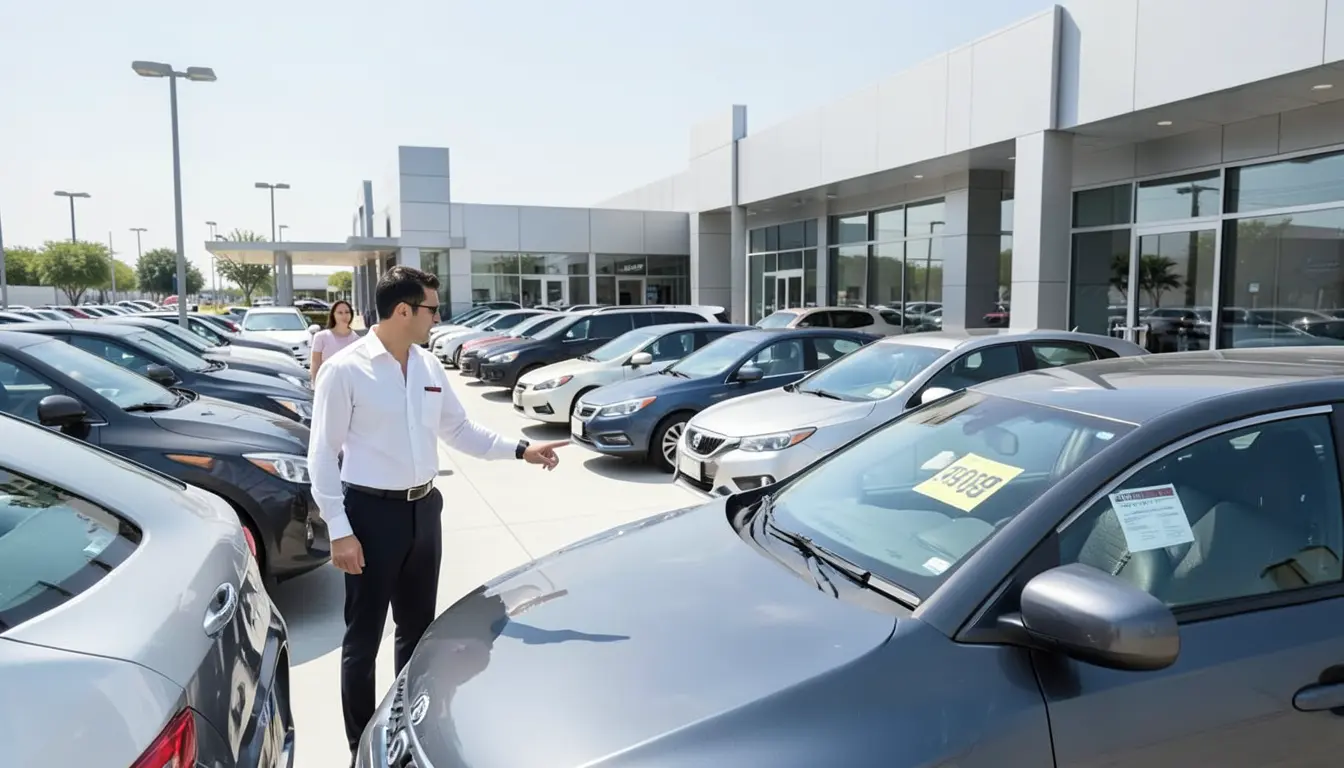
Traditional dealerships let you see, touch, and test drive the actual car before you commit, and a salesperson can answer questions on the spot. The tradeoff is more room for negotiation pressure and, in some cases, higher advertised prices that leave more margin for haggling. Whichever route you choose, always read reviews of the seller, confirm the site uses a secure connection, and get a vehicle history report (like Carfax or AutoCheck) before finalizing any used car purchase.
Frequently Asked Questions
What Is the Average Price of a Car in 2026?
As of mid-2026, the average new car sells for about $49,900, according to Kelley Blue Book and Cox Automotive data. The average used car sells for about $26,300. Prices vary a lot by segment – a compact SUV averages closer to $37,000, while a new pickup truck averages nearly $67,000.
Is $5,000 a Lot to Pay for a Car?
Not necessarily. $5,000 typically buys an older used car with higher mileage, and it’s well below the national used-car average of roughly $26,300. Whether it’s reasonable depends entirely on the specific vehicle’s condition, mileage, and accident history – not just the price tag. A pre-purchase inspection matters more at this price point, since cheaper cars are more likely to need near-term repairs.
Is $10,000 a Good Budget for a Car?
Yes, $10,000 can be a solid budget for a reliable used car, especially a compact sedan or crossover that’s 5 to 8 years old with moderate mileage. It’s still well under the current used-car average, so shoppers at this budget should expect to trade some age or mileage for price and should always run a vehicle history report and inspection before buying.
What Is a Reasonable Price to Pay for a Car?
A reasonable price depends on your budget, not a fixed dollar figure. A common budgeting rule is to keep the total vehicle price at or under 15 to 20% of your annual income and to keep total monthly costs (payment, insurance, fuel, and maintenance combined) under about 15 to 20% of take-home pay. Comparing a car’s asking price against tools like Kelley Blue Book or Edmunds for that specific make, model, trim, and mileage is the most reliable way to know if a given price is fair.
Why Are Cars So Expensive Right Now?
New car prices have stayed elevated due to a mix of factors: higher material and labor costs, more standard technology and safety features built into base trims, and manufacturers shifting production toward higher-margin trucks and SUVs. Auto loan interest rates are also higher than they were several years ago, which raises the total cost of financing even when the sticker price doesn’t change.
Does the Price of a Car Include Tax and Fees?
No. The advertised or negotiated price is typically before sales tax, title and registration fees, documentation fees, and any dealer add-ons. These extra costs commonly add several hundred to a couple thousand dollars on top of the negotiated price, and they vary significantly by state, so it’s worth asking for an out-the-door price before signing anything.
Conclusion
The average new car runs about $49,900 and the average used car about $26,300 in 2026, but the number that actually matters is what a specific vehicle costs you once you factor in taxes, financing, insurance, and ongoing maintenance in your state. Research the market price for your exact make and model, get financing pre-approved before you shop, and always budget for the full cost of ownership – not just the sticker – before you sign anything.
Products related to this article
Sponsored / affiliate links. As an Amazon Associate I earn from qualifying purchases. I may earn additional commission from eligible campaigns.