Do You Need Rental Car Boston? Proven Guide
Do you need a rental car in Boston? Yes, you likely do if you plan to explore beyond the immediate city center, visit attractions outside the MBTA’s reach, or require flexibility for sightseeing, day trips, or accessing areas with limited public transport.
Boston is a fantastic city, but getting around can sometimes feel like a puzzle. If you’re visiting or even if you live here and need a temporary set of wheels, you might wonder if renting a car is the best choice for your needs. It’s a common question, and figuring it out can save you time, money, and a lot of hassle. This guide is here to help you make the right decision, walking you through the pros and cons and what to consider when thinking about a rental car in our beautiful city.
Why Rent a Car in Boston?
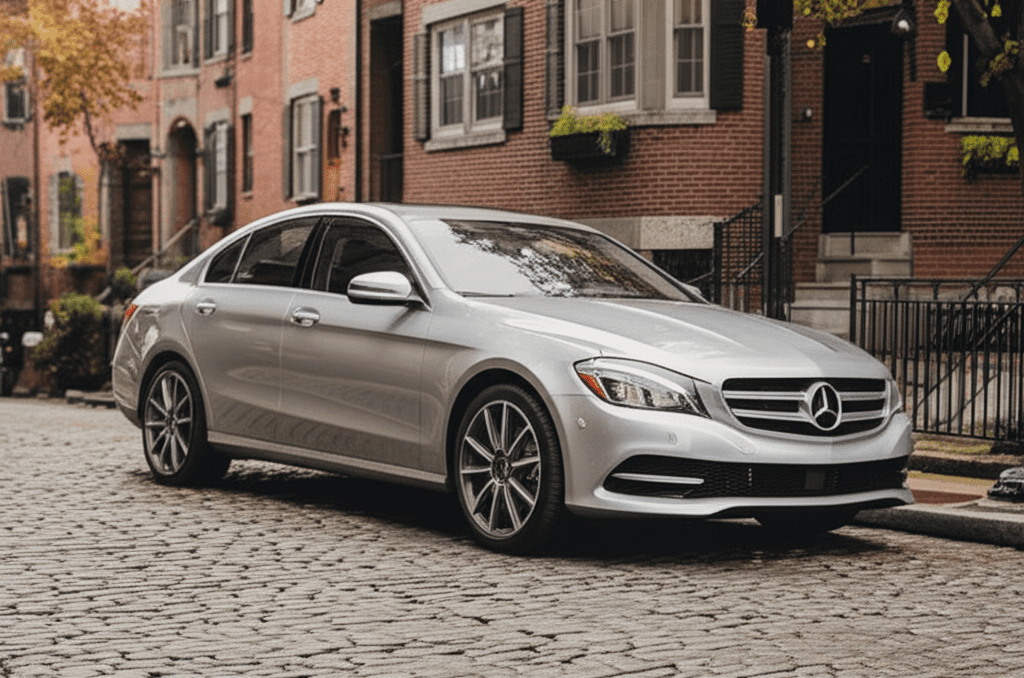
Renting a car in Boston offers a significant advantage: freedom and flexibility. While Boston’s public transit, the MBTA (Massachusetts Bay Transportation Authority), is often praised, it has its limitations, especially when venturing outside the core urban areas. A rental car can be your key to unlocking the full potential of your visit or your local travel needs.
Exploring Beyond the T
The “T” is incredibly convenient for navigating the city’s neighborhoods and many major attractions. However, if your plans include visiting historical sites in the outer suburbs, exploring coastal towns, heading to renowned universities outside the city, or enjoying the scenic beauty of New England, a rental car becomes almost essential. Relying solely on public transport for these types of excursions can lead to long travel times with multiple transfers, making a car a much more efficient and enjoyable option.
Convenience for Specific Needs
Beyond sightseeing, there are many practical reasons why a rental car might be necessary. If you’re moving, transporting largeitems, or have family members who require more comfortable or accessible transportation than public transit can offer, a rental is a practical solution. For business travelers who need to visit multiple client locations spread across the metropolitan area, or for families with young children who need car seats and easier ways to carry gear, the convenience of a personal vehicle is undeniable.
Flexibility for Spontaneity
One of the greatest joys of having your own vehicle is the ability to be spontaneous. See a sign for a charming antique shop on a back road? Want to stop and admire a scenic view you hadn’t planned for? With a rental car, you can alter your plans on a whim. This level of agility is hard to achieve when you’re tied to bus or train schedules, giving you a more personalized and adventurous travel experience.
When You Might NOT Need a Rental Car in Boston
It’s not always about having a car; sometimes, it’s about not needing one! Boston is a highly walkable city, and its public transportation system is robust within the metropolitan area. If your itinerary focuses strictly on downtown Boston, historic sites, museums, and restaurants easily accessible by the “T,” you might find that a rental car becomes more of a burden than a benefit. Parking is notoriously expensive and difficult to find, and navigating the city’s narrow, winding streets can be challenging for newcomers.
Focus on Downtown and Adjacent Neighborhoods
Boston Common, Fenway Park, Faneuil Hall Marketplace, most of the Freedom Trail sites, the Museum of Fine Arts, and the historic North End are all well within the reach of the MBTA’s subway and bus lines. If your visit or local errands are confined to these areas, you can save yourself the rental cost, parking fees, and the stress of driving by relying on public transit, walking, and ride-sharing services.
Cost Considerations
Car rental costs can add up quickly, especially when you factor in daily rates, insurance, gas, and the substantial expense of parking. In Boston, parking garages can easily charge $30-$60 or more per day, and street parking is often metered and heavily regulated. For a short trip with a focus on central Boston attractions, the cost of a rental car and associated parking can significantly outweigh the cost of an MBTA pass or using ride-sharing services.
The Hassle Factor
Driving and parking in Boston can be a significant “hassle factor.” The streets are often congested, traffic can be unpredictable, and many drivers are used to the local driving style, which can be aggressive. Knowing how to navigate the city’s one-way streets, understanding the local driving etiquette (or lack thereof!), and finding parking can be stressful, especially if you’re not accustomed to it. For many visitors, ditching the car and embracing public transit or a more relaxed mode of transport is a preferable experience.
Getting Around Boston Without a Car: The Alternatives
Before you decide to rent a car, it’s wise to understand the robust alternatives available in Boston. These options can often get you where you need to go efficiently and affordably.
The MBTA: Boston’s Public Transit System
Often referred to as “The T,” the MBTA operates subways (the “L” lines), buses, commuter rail, and even ferries. It’s the backbone of transportation for many Bostonians and visitors.
- Subway (The “L”): With six main lines (Red, Green, Blue, Orange, Yellow, and Silver), the subway system is extensive within the core city and some surrounding suburbs. It’s generally reliable and frequent. For anyone staying within the T’s service areas, a CharlieCard or CharlieTicket is a must-have for easy payment. You can find more about fares and routes on the City of Boston’s official transportation page, which also links to MBTA resources.
- Buses: Boston also has a comprehensive bus network that fills in gaps between subway lines and reaches areas not served by rail.
- Commuter Rail: For longer distances into the suburbs or surrounding towns within the greater Boston area, the commuter rail is your best bet.
Walking and Biking
Boston is a pedestrian-friendly city, especially in its historic neighborhoods. Walking allows you to soak in the atmosphere and discover hidden gems. For cycling enthusiasts, Boston has made strides in becoming more bike-friendly, with bike lanes and the Bluebikes public bike-sharing system available throughout the city.
Ride-Sharing Services and Taxis
Uber, Lyft, and traditional taxi services are readily available in Boston. These are excellent options for point-to-point travel, especially when going to or from locations that are less convenient via public transit, or when traveling with luggage. They offer door-to-door service and can be more cost-effective than a rental car for single trips or if you only need a car occasionally.
When Renting a Car in Boston Makes Sense
Despite the excellent public transit and ride-sharing options, there are undeniable times when a rental car is the superior choice for navigating Boston and its surroundings.
Day Trips and Excursions
Perhaps the biggest reason to rent a car in Boston is for day trips outside the city. Popular destinations like:
- The historic maritime city of Salem
- Cape Cod’s beautiful beaches and charming towns
- The charming towns along the coast of Maine
- The scenic Kancamagus Highway in New Hampshire
- The university towns of Cambridge and Harvard Square (while accessible by T, having a car can make exploring further into associated areas easier if needed)
- Worcester, Providence (RI), and beyond
are much more accessible and enjoyable with your own vehicle. You have the freedom to stop at roadside attractions, explore at your own pace, and avoid the often lengthy and multi-transfer journeys required by public transport for these destinations.
Visiting Areas with Limited Public Transport
There are many beautiful and interesting places around Boston that are not well-served by the MBTA. This could include:
- Specific hiking trails or state parks in the western suburbs or north of the city.
- Smaller, more remote historical sites.
- Certain suburban residential areas or business parks.
- Outlets or large shopping centers that are not directly on a T line.
In these cases, a rental car is not just convenient; it’s often the only practical way to reach your destination efficiently.
Family Travel and Group Outings
If you’re traveling with a family, especially with young children, a rental car offers unparalleled convenience. It allows you to easily transport car seats, strollers, diaper bags, and all the other essentials that come with family travel. For group outings where you might be splitting costs or needing to transport multiple people and their belongings, a rental car or van can be more cost-effective and simpler than coordinating multiple ride-shares or navigating public transport with a large group.
Commuting or Temporary Vehicle Needs
For Boston residents, a rental car can be a lifesaver if your own vehicle is in the shop for repairs. It ensures you maintain your mobility for work, errands, and family obligations without disruption. If you’re moving to or from the city and need to transport goods, a rental car or van is often the most straightforward solution.
Costs to Consider When Renting a Car in Boston
Renting a car involves more than just the sticker price. Understanding the full spectrum of costs will help you budget accurately and avoid surprises.
Base Rental Rate
This is the advertised daily or weekly price for the vehicle. It can vary significantly based on the car class, rental company, time of year, and booking duration.
Insurance
Rental companies offer various insurance options, such as Loss Damage Waiver (LDW) or Collision Damage Waiver (CDW), Supplemental Liability Insurance (SLI), and personal accident insurance. Your personal auto insurance or credit card benefits might already cover some of these, so check your policies before purchasing additional coverage.
Taxes and Fees
Expect to pay state and local taxes, airport concession fees (if picking up at Boston Logan International Airport), and other surcharges. These can add a significant amount to the total rental cost.
Fuel Costs
You’ll need to return the car with a full tank of gas. Plan your routes and estimate fuel consumption based on the vehicle you choose and your travel distance. Gas prices in Massachusetts can fluctuate.
Parking Costs
As mentioned, parking in Boston is a major expense. Be prepared for daily garage fees, meter costs, and potential parking tickets if you’re not familiar with local regulations. The cost of parking can sometimes exceed the daily rental cost of the car itself.
Tolls
Massachusetts has several toll roads, including the Massachusetts Turnpike (I-90) and bridges like the Tobin Bridge. Many rental companies offer toll transponders (like E-ZPass) for convenience, but these usually come with a daily service fee in addition to toll charges. Understanding your routes and considering a toll transponder is important.
Here’s a breakdown of typical costs:
| Cost Component | Estimated Range (USD) | Notes |
|---|---|---|
| Base Rental Rate (Economy/Compact) | $40 – $70 per day | Varies by season and demand. |
| Insurance (Optional) | $15 – $30 per day | If purchased from rental company. |
| Airport Fees (e.g., BOS) | 5% – 15% of total | Applies to rentals picked up at the airport. |
| Fuel | Varies based on mileage/prices | Estimate based on MPG and distance. |
| Parking (Downtown Boston) | $30 – $60+ per day | Can be much higher for prime locations or events. |
| Tolls | Varies based on routes | Consider a toll transponder for convenience. |
Tips for Renting a Car in Boston
To make your car rental experience smoother and more cost-effective, follow these tips:
Book in Advance
Especially during peak travel seasons (summer, holidays, major events), booking your rental car well in advance is crucial. This often secures you better rates and ensures availability.
Compare Rental Companies
Don’t settle for the first option you see. Use online comparison tools or visit the websites of major rental companies (Hertz, Avis, Enterprise, Budget, National, Alamo, Sixt) and local providers to find the best deals.
Check Off-Airport Locations
Picking up your rental car directly at Boston Logan International Airport (BOS) is convenient but often more expensive due to airport surcharges. If your schedule allows, consider picking up your car from a downtown location or a suburban branch, which may offer lower rates.
Understand Your Insurance Needs
Before you sign anything, review your personal auto insurance policy and any credit card benefits that might cover rental cars. Denying unnecessary insurance can save you a significant amount.
Inspect the Vehicle Thoroughly
Before driving off the lot, do a thorough walk-around of the car. Note any existing scratches, dents, or damage on the rental agreement form. Take pictures or videos with your phone for your own records. This helps prevent being charged for pre-existing damage.
Know the Fuel Policy
Most companies offer a full-to-full fuel policy, meaning you pick up the car with a full tank and must return it with a full tank. This is usually the most economical option. Be aware of other options like pre-paying for fuel, which can sometimes lock you into a higher rate than refueling yourself.
Familiarize Yourself with Boston Driving & Parking
Do some research on Boston’s driving laws and parking regulations before you arrive. Understanding common signage and potential hazards will make your driving experience less stressful. Many apps and websites provide real-time parking availability and cost information.
FAQs: Your Boston Rental Car Questions Answered
1. Is it legal to drive in Boston without a rental car?
Yes, it is perfectly legal to drive in Boston without a rental car. Many residents and visitors navigate the city using public transportation, walking, biking, and ride-sharing services.
2. How much does it typically cost to rent a car in Boston?
The cost varies greatly, but expect to pay between $40-$70 per day for an economy or compact car. This doesn’t include insurance, taxes, fuel, or parking, which can add substantially to the total cost.
3. Where can I rent a car in Boston?
You can rent cars from major rental agencies located at Boston Logan International Airport (BOS), as well as at various downtown and suburban locations throughout the city and surrounding areas.
4. Can I use my personal car insurance for a rental car in Boston?
Your personal auto insurance policy may extend coverage to rental cars. Many credit cards also offer rental car insurance as a perk. It’s essential to check your specific policies before renting to understand your coverage and avoid paying for redundant insurance.
5. What are the biggest challenges of driving and parking in Boston?
The biggest challenges include heavy traffic, narrow and often confusing one-way streets, aggressive local drivers, and the high cost and scarcity of parking, especially in the downtown core.
6. Is it cheaper to take public transit or rent a car in Boston?
For exploring within the city center and areas well-served by the MBTA, public transit is almost always significantly cheaper than renting a car, especially when considering parking costs. A rental car becomes more cost-effective for extensive day trips outside the city or when you need maximum flexibility and convenience for specific travel needs.
7. Do I need an International Driving Permit to rent a car in Boston if I have a U.S. license?
No, if you hold a valid U.S. driver’s license, you do not need an International Driving Permit (IDP) to rent a car in Boston or anywhere in the United States. An IDP is generally for foreign-issued licenses.
Conclusion
Deciding whether you need a rental car in Boston hinges entirely on your travel plans and priorities. If your itinerary is confined to the historical heart of the city and its immediate, transit-accessible neighborhoods, then embracing the MBTA, your own two feet, and occasional ride-shares will likely be your most economical and stress-free option. The city’s charm is best discovered at a walking pace, after all.
However, if your Boston adventure calls you to explore the picturesque New England coastline, venture into charming, less-trafficked suburbs, embark on scenic day trips, or if you simply prioritize unparalleled flexibility and convenience, particularly with family in tow, then a rental car is an excellent investment. It unlocks destinations and experiences that public transport simply cannot reach with the same ease.
By weighing the costs of rental, insurance, fuel, and hefty parking fees against the freedom and accessibility a car provides, you can make an informed decision that suits your trip perfectly. Do your research, compare your options, and choose the path that leads to the most enjoyable and memorable Boston experience for YOU.