Do You Really Need a Car to Live in Houston?
Moving to a new city can bring up a lot of questions, and one big one for Houston is Do You Really Need a Car to Live in Houston? It’s a common concern for folks just getting here, especially if you’re used to cities with great public transport. It might seem a bit tricky to figure out at first. But don’t worry, we’ll break it down simply and show you the options. Let’s get started on figuring out the best way for you to get around Houston.
Do You Really Need a Car to Live in Houston?
When you think about Houston, a sprawling metropolis known for its vastness, the question of transportation naturally arises. Many people wonder, Do You Really Need a Car to Live in Houston? This is a very fair question, especially for newcomers. Houston’s public transit system is growing, but it’s different from some other major cities.
Deciding whether to get a car or rely on other methods depends heavily on your lifestyle, where you plan to live, and your daily routine. We’ll explore all the facets of getting around this big city.
Understanding Houston’s Transportation Landscape
Houston is the fourth most populous city in the United States, and its sheer size is a primary factor in transportation choices. Unlike cities built on a more compact grid system, Houston’s development has been more spread out, emphasizing roadways and individual vehicle use. This history shapes how people move from their homes to work, shopping, and entertainment.

Public Transportation Options
METRO, the Metropolitan Transit Authority of Harris County, operates Houston’s public transportation system. It includes bus routes, a light rail system, and a paratransit service for individuals with disabilities. While METRO is a vital resource for many, its coverage and efficiency can vary depending on your location within the city and its surrounding suburbs.
Bus System
Houston’s bus network is extensive, covering a wide area. Buses are a budget-friendly way to travel and can connect you to many parts of the city. However, bus routes can be time-consuming, with frequent stops and potentially longer travel times compared to driving, especially for cross-town trips.
Light Rail
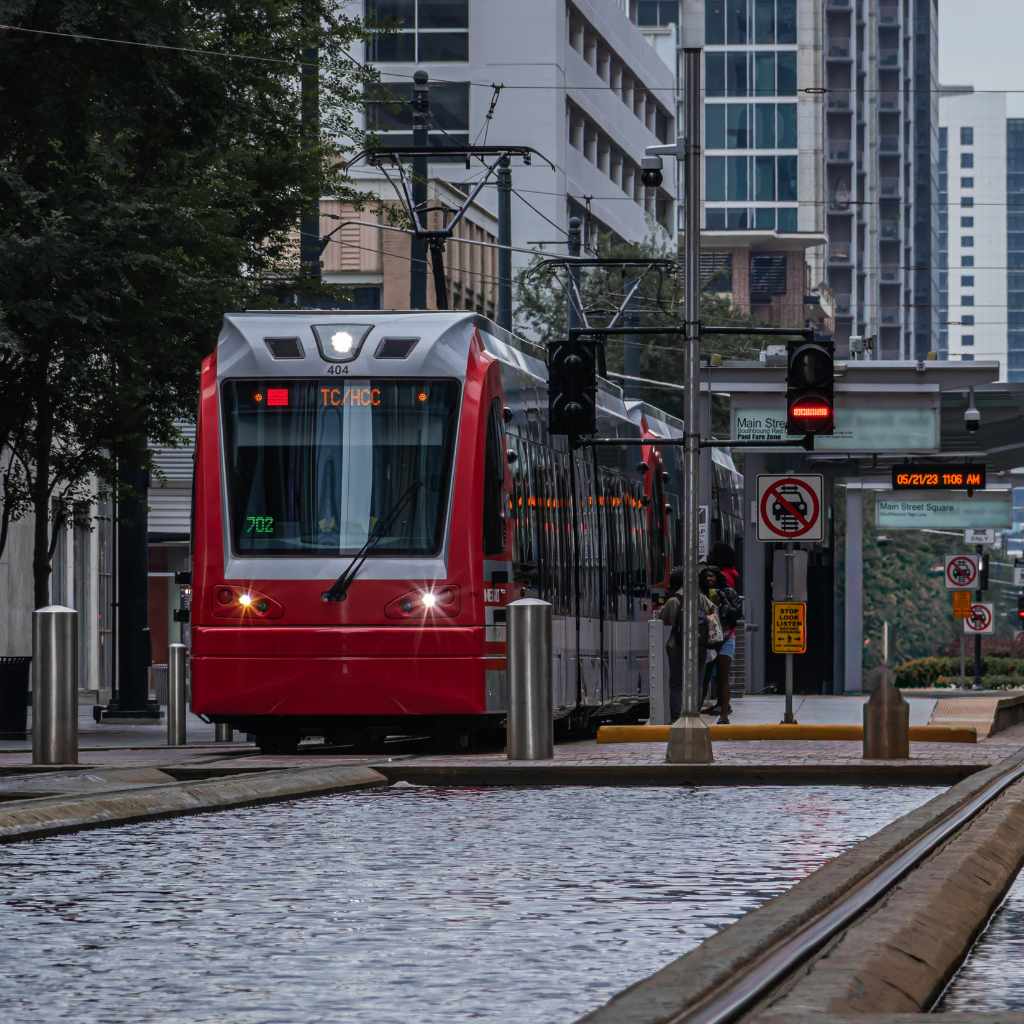
The METRORail offers service on several lines, including the Red Line (North), Green Line (East), Purple Line (Southeast), and the new Silver Line (to the airport). The light rail is most useful for commuting to areas along its specific corridors, such as Downtown, the Museum District, the Texas Medical Center, and NRG Park. It provides a faster, more predictable commute for those living or working near a station.
METRO Bike Share
For shorter trips or to complement bus and rail travel, METRO Bike Share offers a convenient option. Stations are located throughout key areas of the city, allowing for quick journeys between transit stops and final destinations, or for exploring neighborhoods.
Ridesharing Services
Services like Uber and Lyft are very popular in Houston and offer a convenient alternative to owning a car. They provide on-demand transportation, allowing you to get around without the responsibilities of car ownership, such as insurance, maintenance, and parking. For occasional use or for those who don’t travel long distances frequently, ridesharing can be a cost-effective solution.
Cost Considerations
The cost of ridesharing can add up, especially for daily commutes or frequent trips. It’s important to compare these costs against the expenses of car ownership (car payment, insurance, gas, maintenance) to determine the most economical choice for your situation.
Walking and Cycling
Houston’s walkability and bikeability vary significantly by neighborhood. Some areas, particularly those with newer urban developments or established walkable districts like parts of Downtown or the Heights, offer good pedestrian and cycling infrastructure. However, for many parts of the sprawling city, relying solely on walking or cycling may not be practical for daily needs due to distance and the lack of continuous sidewalks or bike lanes.
Car Ownership in Houston
Despite the growing public transit and ridesharing options, owning a car remains the most common and often the most convenient way to get around Houston for many residents. The city’s layout and the distance between key areas make a personal vehicle a significant asset for many.
Advantages of Car Ownership
- Flexibility and Freedom: Travel on your own schedule without waiting for public transport or booking a ride.
- Access to All Areas: Reach any destination in Houston and its vast suburbs, including those not well-served by public transit.
- Convenience for Errands: Easily transport groceries, run multiple errands, and manage family transportation needs.
- Comfort and Personal Space: Enjoy a private, climate-controlled environment for your travels.
Disadvantages of Car Ownership
- High Costs: Car payments, insurance premiums, fuel, registration, and maintenance can be substantial financial commitments.
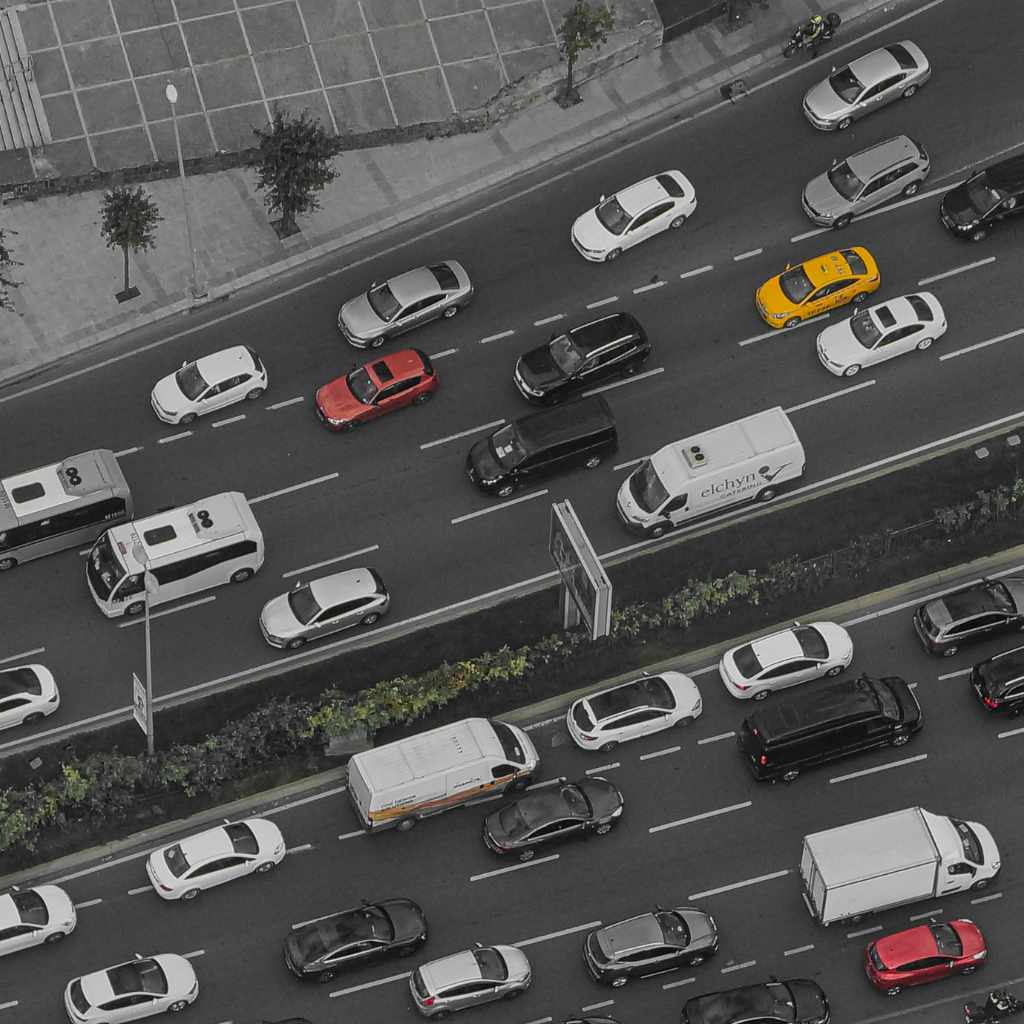
- Traffic and Parking: Houston is known for its traffic congestion, which can lead to long commute times and parking can be a challenge and an added expense in busy areas.
- Environmental Impact: Owning and driving a car contributes to air pollution and carbon emissions.
- Responsibility: You are responsible for all aspects of vehicle maintenance and upkeep.
Factors to Consider When Making Your Decision
To determine if you really need a car in Houston, consider these personal factors:
Where You Live
Your proximity to METRORail stations or frequent bus routes is a major factor. Living in Downtown, Midtown, or close to the Texas Medical Center can make car-free living more feasible. Conversely, living in outer suburbs will almost certainly require a car.
Your Commute
If your workplace is easily accessible via METRORail or a direct bus line, you might be able to go without a car. If your commute involves multiple transfers or areas not serviced by public transit, a car becomes more appealing.
Your Lifestyle and Errands
Do you need to transport children or large items? Do you enjoy frequent trips to different parts of the city or its surrounding attractions? A car offers unparalleled convenience for many lifestyle needs.
Your Budget
Calculate the total cost of car ownership versus the monthly expenses of public transit, ridesharing, and bike-sharing. This financial comparison can be a deciding factor.
The Hybrid Approach
For many people in Houston, a hybrid approach works best. This might involve owning a car but using public transit or ridesharing for specific commutes or events. Alternatively, one might rely primarily on public transit and ridesharing, keeping a car for occasional needs or for a partner.
For example, someone might use METRORail for their daily commute to work downtown and use Uber or Lyft for weekend outings. Another person might own a car but choose to use it sparingly for grocery runs to save on gas and parking fees.
Cost Comparison Table
To help visualize the financial differences, consider this simplified comparison. These are approximate monthly costs and can vary greatly.
| Expense | Car Ownership (Average) | No Car (Public Transit & Rideshare) |
|---|---|---|
| Car Payment | $300 – $600 | $0 |
| Car Insurance | $100 – $250 | $0 |
| Fuel | $100 – $200 | $0 |
| Maintenance/Repairs | $50 – $150 | $0 |
| METRO Pass/Fares | $0 – $50 | $50 – $100 |
| Rideshare (Occasional) | $0 – $100 | $100 – $300+ |
| Parking Fees | $0 – $200+ | $0 |
| Estimated Total Monthly Cost | $550 – $1,500+ | $150 – $400+ |
This table highlights how owning a car can be significantly more expensive, especially when factoring in all associated costs. However, the value of convenience and flexibility a car provides can outweigh the financial savings for some.
Can You Live Without a Car in Houston?
The short answer is yes, it is possible to live in Houston without a car, but it requires careful planning and a willingness to adapt. Your experience will be shaped by the factors mentioned earlier: your chosen neighborhood, your daily activities, and your comfort level with alternative transportation methods.
Neighborhoods That Support Car-Free Living
Some Houston neighborhoods are more conducive to a car-free lifestyle than others. These areas often have a higher concentration of amenities within walking or biking distance and better access to public transit.
- Downtown/Midtown: These central areas offer many jobs, restaurants, and entertainment options. METRORail lines run through here, and many workplaces are accessible.
- The Heights: Known for its walkable streets, boutique shops, and restaurants, The Heights offers a more urban village feel. Bus routes serve the area well.
- Montrose: A vibrant, eclectic neighborhood with a high walkability score and good access to bus routes connecting to other parts of the city.
- Museum District: Located near major cultural institutions and the Texas Medical Center, this area is well-served by the METRORail and buses, and many residents can walk to work or attractions.
Living in these areas, you can often manage your daily needs without the constant reliance on a car, supplementing with rideshares for less frequent trips.
Frequently Asked Questions
Question: Is Houston’s public transportation reliable?
Answer: METRO’s bus and rail services are generally reliable, but travel times can be longer than driving due to routes and stops. Reliability can also be affected by traffic for buses.
Question: How much does it cost to own a car in Houston?
Answer: The total cost of car ownership in Houston can range from $500 to over $1,500 per month, depending on the car, insurance rates, fuel prices, and maintenance needs.
Question: Are there areas in Houston where you don’t need a car at all?
Answer: Yes, neighborhoods like Downtown, Midtown, The Heights, Montrose, and areas near the Museum District and Texas Medical Center offer greater walkability and better access to public transit, making car-free living more feasible.
Question: What is the average commute time in Houston?
Answer: Average commute times in Houston can vary significantly, but many residents experience commutes ranging from 30 minutes to over an hour, especially during peak traffic hours. This is often a key motivator for considering car-free options if feasible.
Question: Is it safe to walk or bike in Houston?
Answer: Safety for walking and biking depends heavily on the specific neighborhood and street. Some areas have well-maintained sidewalks and dedicated bike lanes, while others may require more caution due to traffic volume or road conditions.
Final Thoughts
Deciding if you need a car in Houston is a personal choice that weighs convenience against cost and lifestyle. If you live in a neighborhood with good public transit access and your daily needs are close by, you might find that going car-free is a perfectly viable and even enjoyable option. You can save a significant amount of money each month by avoiding car payments, insurance, fuel, and maintenance.
Plus, you’ll reduce your carbon footprint and can avoid the stress of Houston’s traffic. On the other hand, if your job requires extensive travel, you live far from transit lines, or you have a busy family schedule with many logistical demands, owning a car might still be the most practical solution for your circumstances. Consider trying out public transit and rideshares for a few weeks to get a feel for what works best before making a big decision.
Exploring your specific needs and the resources available in your chosen part of the city will lead you to the right answer for your Houston living situation.