What Are AGM Car Batteries? Your Guide Explained
What are AGM car batteries and why are they becoming the go-to choice for modern vehicles? Absorbed Glass Mat (AGM) batteries represent a significant leap forward in automotive power technology, offering superior performance and reliability compared to traditional lead-acid batteries. This post will break down everything you need to know about AGM batteries, from how they work to their distinct advantages and when they’re the best fit for your car.
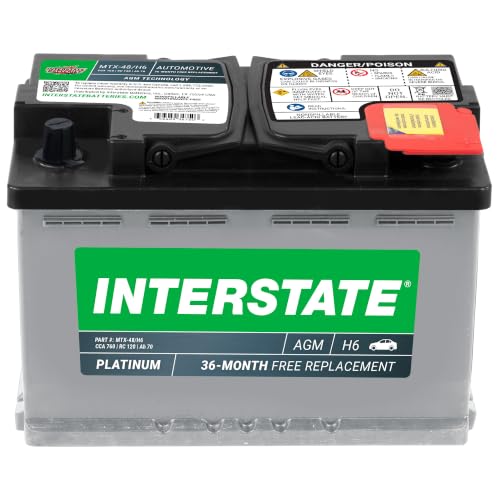
Simply put, AGM car batteries use a special electrolyte suspended in fiberglass mats between the lead plates, making them spill-proof, vibration-resistant, and capable of delivering more power and lasting longer than conventional batteries. They are ideal for vehicles with high electrical demands and start-stop technology.
Key Takeaways
- AGM car batteries utilize a sealed design where the electrolyte is absorbed into fiberglass mats, enhancing safety and durability.
- They offer superior performance, including faster recharging, deeper discharge cycles, and better resistance to vibration and extreme temperatures.
- AGM batteries are crucial for vehicles equipped with start-stop technology and advanced electronic systems due to their quick power delivery and recharge capabilities.
- While generally more expensive upfront, the longer lifespan and enhanced features of AGM car batteries often result in better long-term value.
What is an AGM Car Battery?
An Absorbed Glass Mat (AGM) battery is a type of sealed lead-acid (SLA) battery that has revolutionized the automotive power market. Unlike traditional flooded lead-acid batteries, which contain liquid electrolyte that can spill, AGM batteries immobilize the electrolyte by suspending it in thin fiberglass mats situated between the lead plates. This design not only makes them spill-proof and leak-proof but also significantly enhances their structural integrity and resistance to vibrations.
The core innovation lies in the absorbent fiberglass material, which is highly porous. This material wicks the sulfuric acid electrolyte, holding it in place and preventing it from sloshing around. This construction is crucial for modern vehicles that experience constant vibrations from road conditions and engine operation.
Furthermore, the sealed nature means they require virtually no maintenance, as there are no caps to open for checking electrolyte levels.
The tightly packed design of an AGM battery also contributes to its superior performance. The compressed plates and separator mats allow for more active material to be packed into the same physical space, translating to higher energy density. This means they can provide more power and handle higher electrical loads, which is essential for today’s cars that are loaded with electronics — though that denser lead construction is also why an AGM battery usually weighs a few pounds more than a standard flooded battery of the same size.
- Sealed Design: The electrolyte is absorbed into fiberglass mats, preventing spills and leaks.
- Vibration Resistance: Tightly packed components make them exceptionally durable against road shock.
- Maintenance-Free: No need to check or top up electrolyte levels.
- Deep Discharge Capability: Can be discharged deeper than flooded batteries without significant damage.
- Faster Recharging: Internal structure allows for quicker acceptance of charge.
- Higher Power Output: More active material packed in, leading to greater cranking amps.
- Longer Lifespan: Typically last longer than conventional batteries under optimal conditions.
How Does an AGM Battery Work?
The fundamental principle of how an AGM battery works is similar to any lead-acid battery: a chemical reaction between lead plates and a sulfuric acid electrolyte generates electrical energy. However, the AGM construction dramatically alters the battery’s operational characteristics. When the battery is charged, water and lead sulfate are converted back into lead dioxide and sulfuric acid.
During discharge, this process reverses.
In an AGM battery, the electrolyte is not free-flowing. Instead, it’s held within the pores of the fiberglass separators. This allows the battery to operate in any orientation without leaking, a critical safety feature.
The matting also helps to keep the plates in constant contact with the electrolyte, ensuring consistent power delivery and efficient recharging. When the battery is fully charged, a small amount of oxygen produced at the positive plate recombines with hydrogen at the negative plate, forming water. This is a key aspect of the “recombinant” nature of AGM batteries, which minimizes gas and water loss, contributing to their sealed design.
The internal resistance of an AGM battery is also lower than that of a flooded battery. This is due to the direct contact between the electrolyte-soaked mats and the plates, as well as the thinner separators. Lower internal resistance means less energy is lost as heat when current flows, resulting in more available power for the vehicle’s systems and a faster rate at which the battery can be recharged by the alternator.
This efficiency is paramount for modern vehicles that have frequent demands on their electrical systems.
| AGM Battery Component | Function |
|---|---|
| Lead Plates (Positive & Negative) | Active materials facilitate the electrochemical reaction. |
| Fiberglass Separator Mats | Absorb and hold the electrolyte, separating the plates and preventing short circuits. |
| Sulfuric Acid Electrolyte | The medium through which ion transfer occurs during charging and discharging. |
| Valves (Pressure Relief) | Release excess pressure in rare overcharging scenarios, then reseal. |
These components work in concert to provide a robust and efficient power source, significantly outperforming older battery technologies.
Why Choose an AGM Battery Over a Traditional Battery?
The advantages of AGM batteries are numerous and directly address the evolving needs of modern vehicles. Traditional flooded lead-acid batteries have been around for over a century, but they struggle to keep up with the increasing power demands of today’s cars, which are packed with complex electronic systems like advanced infotainment, navigation, driver-assistance systems (ADAS), and more. AGM batteries are specifically designed to meet these challenges.
One of the most significant benefits is their superior cycling capability. This means they can be discharged and recharged many more times than conventional batteries without suffering significant degradation. This is particularly important for vehicles equipped with start-stop systems, which frequently shut down the engine at idle and then restart it.
These cycles put immense stress on a battery, and AGMs are built to withstand this repeated demand far better than flooded batteries.
Vibration resistance is another key differentiator. Modern cars often have batteries located in less-than-ideal spots, exposed to road shock and engine vibrations. The solid-state construction of AGMs makes them highly resistant to damage from these forces, leading to a longer service life.
Furthermore, their sealed nature eliminates the risk of corrosive acid leaks, which can damage surrounding vehicle components and pose a safety hazard.
Warning: While AGM batteries are sealed, they should still be handled with care. Extreme overcharging can still lead to internal pressure buildup, though the safety valves mitigate this risk. Always ensure your charging system is compatible with AGM technology.
| Feature | AGM Battery | Traditional Flooded Battery |
|---|---|---|
| Spill Proof | Yes | No |
| Vibration Resistance | Excellent | Poor |
| Maintenance Required | None | Regular checks and topping up |
| Recharge Rate | Faster | Slower |
| Start-Stop Systems | Ideal | Not suitable |
| Lifespan | Longer | Shorter |
This comparison highlights why AGMs are a superior choice for modern automotive needs.
What are the Benefits of Using AGM Batteries?
The benefits of using AGM batteries extend to both vehicle performance and owner convenience. Their ability to deliver higher cranking amps means your engine will start more reliably, especially in cold weather. This increased power output is a direct result of the denser plate construction and lower internal resistance.
For vehicles equipped with start-stop technology, an AGM battery is almost a necessity. These systems require a battery that can handle frequent deep discharges and rapid recharges without significant wear. A traditional battery would quickly fail under such demands.
The longer lifespan of AGM batteries also translates to fewer replacements over the vehicle’s life, offering better value despite a higher initial cost. According to a report by MarketsandMarkets, the global automotive battery market is projected to reach $42.5 billion by 2025, with AGM batteries holding a significant and growing share due to their advanced capabilities.
Furthermore, the spill-proof and maintenance-free nature of AGM batteries simplifies ownership. You don’t need to worry about checking water levels or dealing with potential acid spills, which is a significant advantage for many car owners. This also makes them safer for installation in passenger compartments or other enclosed spaces where off-gassing from traditional batteries would be a concern.
- Enhanced Starting Power: Delivers higher cold-cranking amps (CCA) for reliable starts in any weather.
- Extended Cycle Life: Withstands thousands of deep discharge and recharge cycles, ideal for start-stop vehicles.
- Superior Energy Density: More power in a smaller, lighter package.
- Faster Charging: Accepts charge more quickly from the alternator or a charger.
- Safe Operation: Spill-proof and leak-proof design minimizes safety risks and protects vehicle components.
- No Maintenance: Eliminates the need for checking electrolyte levels or adding water.
- Improved Durability: Excellent resistance to vibration and shock, leading to a longer service life.
- Reliability for Electronics: Provides stable power for sensitive modern electronic systems.
When Should You Use an AGM Battery?
The decision to use an AGM battery often depends on the specifications of your vehicle and your driving habits. If your car came with an AGM battery from the factory, it’s generally best to replace it with another AGM of the same specifications. This is particularly true for vehicles equipped with start-stop technology, advanced battery management systems, or other high-demand electronic features.
Vehicles with numerous electronic accessories, such as powerful audio systems, GPS navigation, heated seats, or advanced safety features, can also benefit greatly from the stable and high power output of AGM batteries. If you frequently discharge your battery deeply (e.g., using accessories with the engine off for extended periods), an AGM is a much more suitable option than a standard flooded battery. The deeper discharge capability of AGMs means they can be drained to a lower voltage without permanent damage.
Even for older vehicles or those without advanced electronics, an AGM battery can still offer advantages in terms of reliability and lifespan. If you live in an area with extreme temperatures, the better performance of AGMs in both hot and cold conditions can be a significant plus. Ultimately, if your vehicle requires a premium, high-performance, and reliable power source, an AGM battery is an excellent choice.
Important: Always check your vehicle’s owner’s manual or consult a qualified mechanic before switching to an AGM battery if your car originally came with a flooded lead-acid battery. Some charging systems may require specific settings for optimal AGM charging.
| Vehicle Type / Feature | Recommendation | Reasoning |
|---|---|---|
| Start-Stop Systems | AGM Battery | Withstands frequent deep discharges and rapid recharges. |
| High Electrical Demand (Luxury/Performance Cars) | AGM Battery | Provides stable, high power for advanced electronics. |
| Frequent Deep Discharges | AGM Battery | More durable and efficient for repeated deep cycling. |
| Extreme Weather Conditions | AGM Battery | Better performance and lifespan in very hot or cold climates. |
| Basic Commuter Vehicle (No Start-Stop) | Flooded Battery or AGM | Flooded is cost-effective; AGM offers enhanced reliability and lifespan. |
Considering these factors will help you make the most informed decision for your automotive power needs.
What are the Potential Downsides of AGM Batteries?
Despite their many advantages, AGM batteries are not without their potential drawbacks. The most significant is their cost. AGM batteries are generally more expensive to purchase upfront than traditional flooded lead-acid batteries.
Prices can range from 50% to 100% more, depending on the brand, size, and specific features. For budget-conscious consumers with older vehicles that don’t require advanced battery technology, a flooded battery might seem like a more practical option.
Another consideration is compatibility with older charging systems. While modern vehicles are typically designed with AGM batteries in mind, some older cars might have charging systems that are not optimally configured for AGM charging profiles. Overcharging an AGM battery can lead to internal damage, although this is rarer than with flooded batteries.
It’s crucial to ensure that your vehicle’s alternator and voltage regulator are compatible or that you use a smart charger specifically designed for AGM batteries if you’re performing manual charging.
While AGM batteries are sealed and maintenance-free, they can be more sensitive to extreme heat. Prolonged exposure to very high temperatures can degrade their lifespan faster than in cooler environments, although they generally perform better than flooded batteries in hot climates when managed correctly. Lastly, while they offer deep discharge capabilities, repeatedly discharging an AGM battery completely will still shorten its overall lifespan, just as it would any battery type.
- Higher Upfront Cost: Generally more expensive than traditional flooded batteries.
- Charging System Compatibility: May require specific charging profiles; older systems might need adjustments.
- Sensitivity to Extreme Heat: Can degrade faster in prolonged high-temperature conditions if not managed.
- Overcharging Risk: While safer than flooded, aggressive overcharging can still cause damage.
- Not Always Necessary: For basic vehicles without high electrical demands, the extra cost may not be justified.
Frequently Asked Questions
What is the lifespan of an AGM car battery?
The lifespan of an AGM car battery typically ranges from 3 to 6 years, but this can vary significantly based on usage, climate, and maintenance practices. Well-maintained AGM batteries in vehicles with appropriate charging systems can sometimes last even longer.
Can I use an AGM battery in any car?
While you can physically install an AGM battery in almost any car, it’s recommended to use one if your vehicle originally came equipped with an AGM battery, especially if it has start-stop technology. For vehicles with standard flooded batteries, confirm compatibility with your charging system before switching to avoid potential issues.
How do I know if my car needs an AGM battery?
Your car likely needs an AGM battery if it has a start-stop system, regenerative braking, or a high number of electronic accessories. Check your owner’s manual or look for a label on your current battery; if it says “AGM,” you should replace it with another AGM. “EFB” (Enhanced Flooded Battery) is another type for start-stop, but AGM is generally superior.
How do I charge an AGM battery?
AGM batteries require a specific charging profile, usually a three-stage charging process (bulk, absorption, float) with a voltage that does not exceed 14.7V. Use a smart charger designed for AGM batteries or ensure your vehicle’s alternator is set to the correct voltage. Overcharging can damage the battery.
Are AGM batteries worth the extra cost?
For vehicles with advanced electronics, start-stop technology, or high electrical demands, the extended lifespan, superior performance, and reliability of AGM batteries often make them worth the higher initial investment. For basic vehicles, the cost-benefit analysis might lean towards traditional batteries, but the improved durability of AGMs is undeniable.
Final Thoughts
Understanding what are AGM car batteries reveals them to be a sophisticated power solution essential for modern automotive technology. Their robust construction, superior performance in demanding conditions, and maintenance-free operation make them an excellent choice for vehicles equipped with start-stop systems and advanced electronics. While they come with a higher upfront price tag, the long-term benefits in reliability, lifespan, and performance often outweigh the initial cost, proving their value in keeping your vehicle running smoothly and safely.
Products related to this article
Sponsored / affiliate links. As an Amazon Associate I earn from qualifying purchases. I may earn additional commission from eligible campaigns.