What Does a Clay Bar Do for a Car? Removes Bonded Contaminants
A clay bar lifts bonded contaminants, like brake dust, rail dust, tree sap, and industrial fallout, off your car’s paint that washing alone cannot touch. It does not polish or remove scratches; it only cleans the surface down to bare, smooth paint so wax, sealant, or ceramic coating can bond properly.
What a Clay Bar Actually Removes From Your Paint
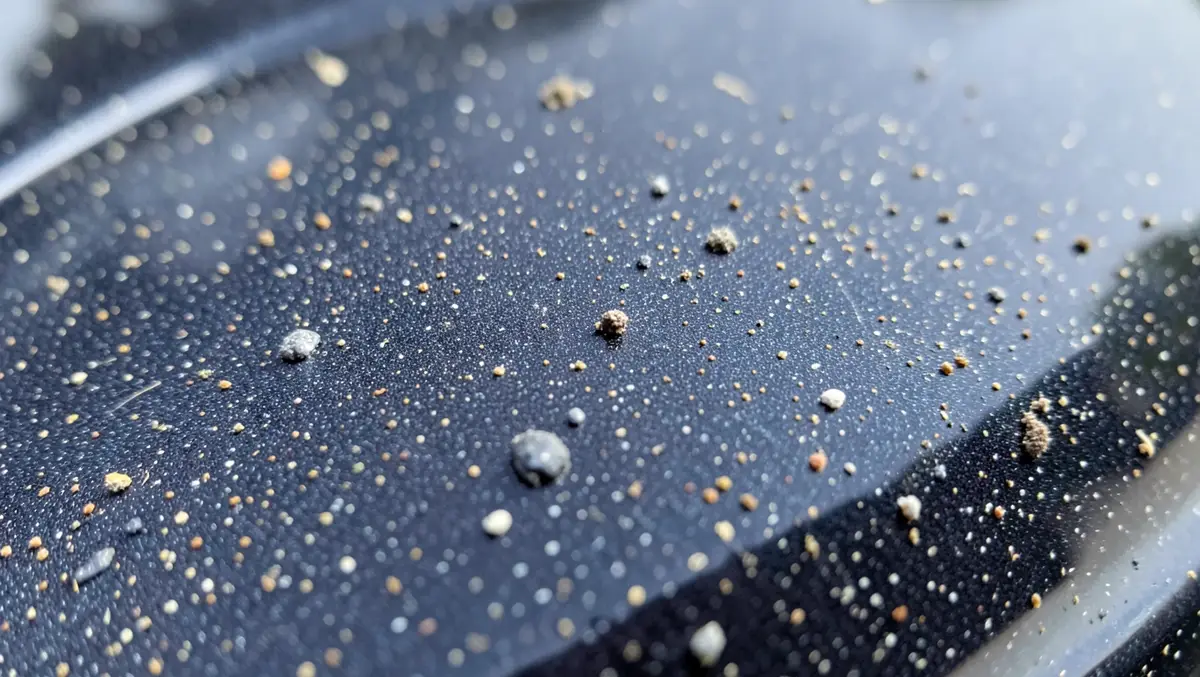
Every time you drive, microscopic particles land on the paint and bond to it instead of sitting on top the way loose dirt does. Brake dust, overspray from nearby paint jobs, tree sap, bird droppings, rail dust from train travel, and general industrial fallout all embed themselves into the clear coat. A regular wash with soap and water only lifts what is sitting loosely on the surface, so these bonded particles stay put no matter how often you rinse the car.
Run your fingertips over a car that has not been clayed in months and the paint often feels gritty, almost like fine sandpaper, even right after a wash. That texture is the giveaway. A clay bar is a synthetic putty designed specifically to grab those embedded particles and pull them free without cutting into the paint the way an abrasive compound would.
BEST COMPLETE CLAY BAR KIT
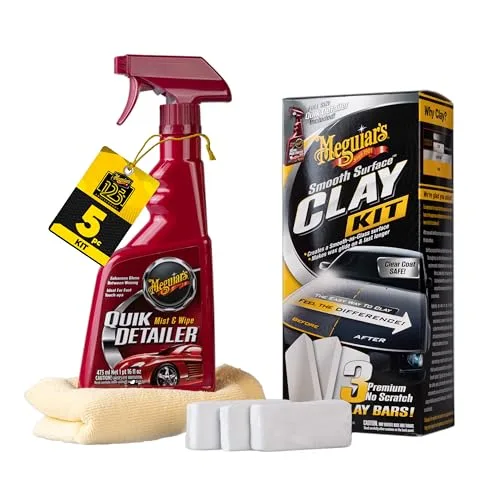 |
Meguiar’s Smooth Surface Clay Kit – $17.19 This all-in-one kit pairs three no-scratch, fine-grade clay bars with a matching quik detailer lubricant, so you have every tool this guide describes in one box.
|
How a Clay Bar Works
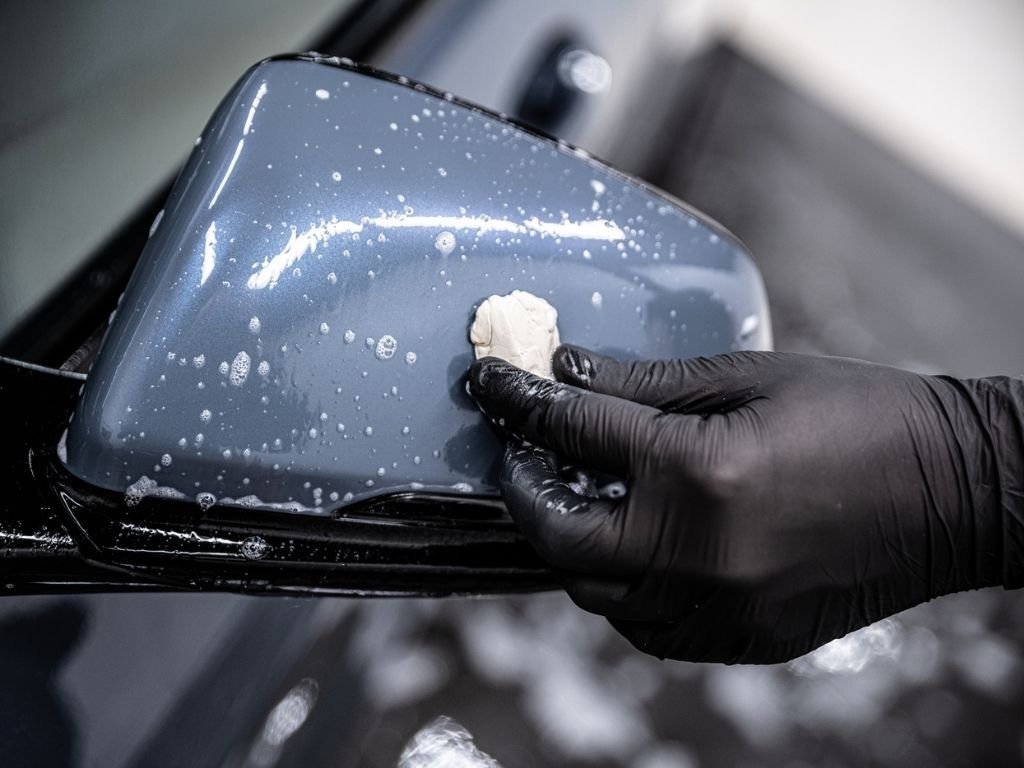
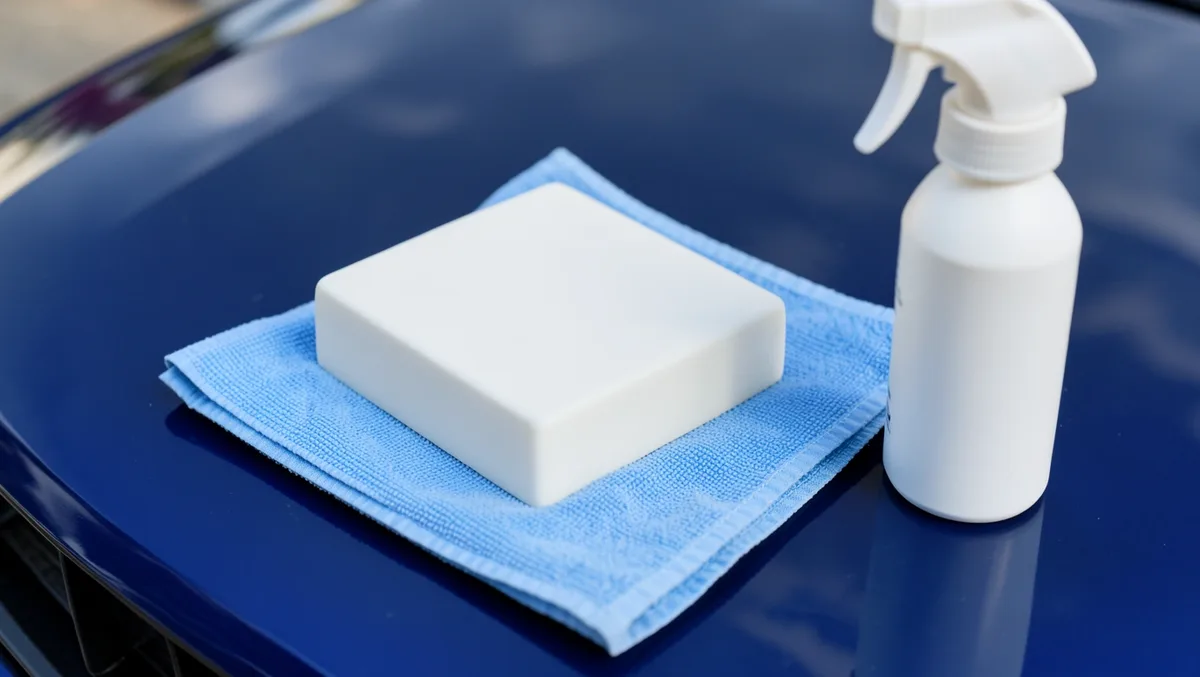
The clay itself is soft, tacky, and slightly elastic, closer to a piece of putty than anything you would picture as “clay” for pottery. You never run it dry across paint; a spray lubricant (or plain soapy water in a pinch) creates a thin, slick film that lets the clay glide across the surface instead of dragging. As the clay passes over a bonded particle, its tacky surface catches the contaminant and pulls it out of the paint. The clay then traps that particle inside itself rather than dropping it back onto the car, which is why folding the clay to a clean face every few passes matters: a dirt-loaded bar just drags trapped grit back across the paint and can leave light marring.
Contaminants that respond well to clay include brake dust, rail dust, tree sap, bird and insect droppings, paint overspray, and general industrial fallout. If your car is covered in stuck-on bugs after a highway trip, the same clay-and-lubricant process handles those too, though a dedicated bug removal soak loosens the worst of it before you ever touch the clay bar. What clay bars cannot do is remove scratches, swirl marks, or oxidation; those live below the surface in the clear coat itself and need an actual abrasive polish, not a contaminant-lifting tool.
Choosing the Right Clay Bar Grade
Clay bars come in fine, medium, and heavy grades, and the difference is aggressiveness. Fine (often labeled “light” or blue/white) grade is the safest choice for newer paint or cars that are clayed regularly, since it lifts light contamination without any risk of marring. Medium grade handles a car that has gone a year or more without claying, or one that picks up heavy brake dust and road film. Heavy or “aggressive” grade is reserved for extreme cases, like paint overspray or years of buildup, and it carries a real risk of light marring on soft clear coats if you press too hard or skip the lubricant.
When in doubt, start with a fine or medium bar. You can always follow up with a second, more aggressive pass if the paint still feels rough, but you cannot undo marring from clay that was too abrasive for the job. Complete kits that bundle a bar with the matching lubricant, such as the Chemical Guys clay bar kit, take the guesswork out of pairing the two correctly.
How to Clay Bar a Car, Step by Step
Wash and dry the car thoroughly first. Clay picks up any loose dirt still on the surface, and grinding that grit into the paint is the single most common way people cause swirl marks during this process. Once the car is clean and dry, work one small section at a time, roughly two feet square, so the lubricant does not dry out before you finish claying it.
- Spray the section generously with clay lubricant until it is visibly wet.
- Flatten the clay into a thin patty and glide it back and forth across the wet area with light pressure, letting the clay do the work rather than pressing down.
- Keep the surface wet with more lubricant if the clay starts to drag or squeak.
- Fold the clay to expose a clean face every minute or two, and knead it back into a patty; discard it once every surface is dirty and grey, or if you drop it on the ground.
- Wipe the section dry with a clean microfiber towel before moving to the next one.
A quick way to check your progress: slide a sandwich bag over your hand and run it lightly over the paint. Rough or gritty patches are contaminants the clay has not reached yet; a section is done once it feels perfectly slick under the bag. Once the whole car is clayed, the paint is stripped bare, so follow up the same day with a coat of wax or sealant to lock in that smoothness before new contaminants start bonding again.
Clay Bar Alternatives: Clay Mitts and Clay Towels
Traditional bars are not the only option anymore. Clay mitts and clay towels bond the same synthetic clay material to a sponge or microfiber pad, so you wipe the panel the same way you would with a wash mitt instead of folding and kneading a bar. They are faster on large flat panels like hoods and roofs, and they are far harder to drop and contaminate with grit from the ground, which is the most common way a traditional bar gets ruined mid-job. Traditional bars still have an edge for tight spots, like around emblems, door handles, and mirror housings, where a stiff mitt cannot flex into the gap. Many detailers now keep both: a mitt for the flat panels and a small piece of bar clay for the fiddly areas.
Benefits of Regular Clay Bar Use
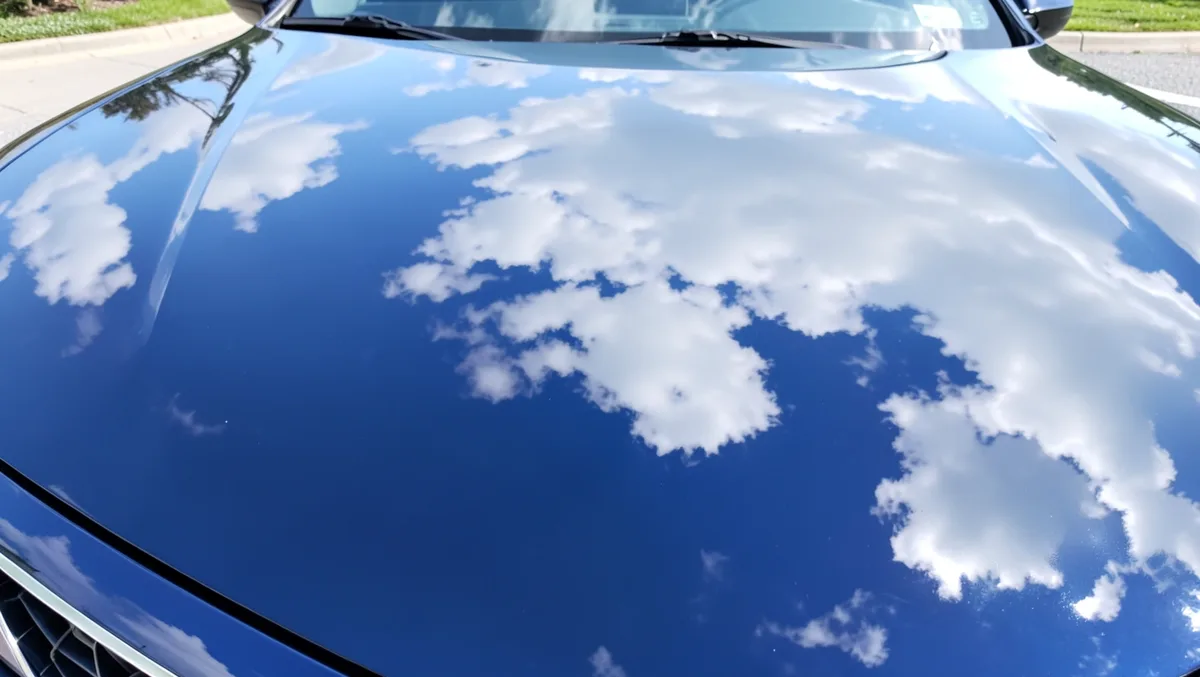
Clean, contaminant-free paint does more than look better. Bonded particles like iron fallout and industrial pollution are mildly acidic and can etch into the clear coat over time, so removing them regularly slows down oxidation and etching that would otherwise dull the finish permanently. A properly clayed surface also lets wax or sealant bond directly to the paint instead of sitting on top of a layer of grime, so the protection lasts longer and the shine looks deeper. That smoother, glossier finish is also one of the first things a buyer notices at resale, and detailers routinely cite paint condition as one of the cheapest ways to boost a car’s perceived value before a sale.
Common Clay Bar Myths
“Clay bars scratch paint.” Used correctly, with enough lubricant and light pressure, clay does not scratch. Marring almost always comes from using a bar that has picked up grit off the ground, skipping the lubricant, or reaching for an overly aggressive grade on soft paint. If your paint already has visible swirl marks or fine scratches from a past wash mistake, clay will not remove them; that needs an actual machine polish, since claying only strips contamination, not clear coat.
“It is an unnecessary expense.” A basic kit runs well under $20 and lasts for several full details, which is inexpensive compared to a professional paint correction or a respray caused by years of untreated etching. Skipping it does not save money long-term; it just moves the cost to a bigger repair bill later.
Frequently Asked Questions
Is a Clay Bar Good for Your Car?
Yes. A clay bar safely lifts bonded contaminants like brake dust, tree sap, and industrial fallout out of the clear coat without cutting into the paint the way an abrasive would. It leaves the surface smooth and prepares it for wax, sealant, or ceramic coating to bond properly.
Will a Clay Bar Remove Scratches?
No. Clay bars only remove surface contaminants; they do not cut into the clear coat, so they cannot remove scratches, swirl marks, or oxidation. Those need a machine or hand polish with an actual abrasive compound.
What Are the Disadvantages of Clay Bars?
Clay bars strip any existing wax or sealant along with the contaminants, so paint needs to be re-protected right after claying. Improper technique, such as skipping lubricant or reusing a dirty bar, can cause light marring, and the process itself is more time-consuming than a normal wash.
How Often Should You Clay Bar a Car?
Most cars only need claying two to four times a year, or whenever the paint starts to feel gritty right after a wash. Cars parked under trees, near train tracks, or driven often on the highway pick up bonded contaminants faster and may need it closer to every two to three months.
Bottom Line
A clay bar’s job is narrow but important: it pulls bonded contaminants out of the clear coat that no amount of washing will touch, leaving a surface smooth enough for wax or sealant to actually bond and last. It will not fix scratches or restore faded paint, but left unclayed for long enough, that trapped grime is what leads to the etching and dullness those bigger repairs are meant to fix.
Products related to this article
Sponsored / affiliate links. As an Amazon Associate I earn from qualifying purchases. I may earn additional commission from eligible campaigns.