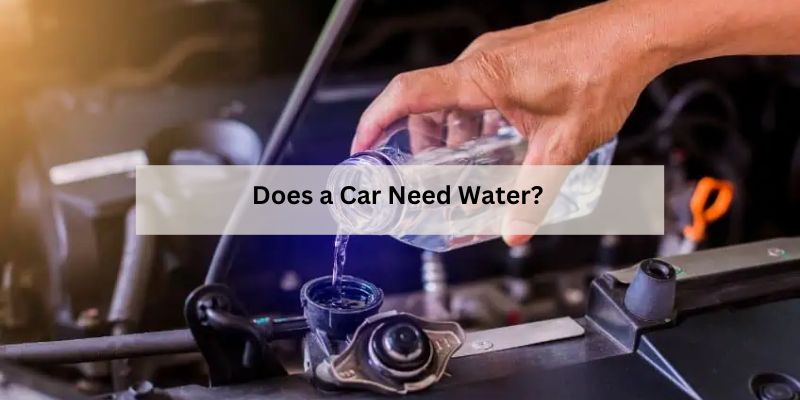
Does a Car Need Water?
Hey there! So, you’re curious about whether a car needs water? I get it—it’s one of those questions that pops up when you’re trying to keep your ride in tip-top shape. I’ve been a car owner for years, tinkering with everything from sedans to SUVs, and I’ve had my fair share of moments under the hood, wondering about stuff like this. The short answer?
Yes, most cars need water, but not in the way you might think. It’s not like pouring a glass of water into your gas tank! Instead, water (or a mix with coolant) plays a big role in keeping your engine cool and your windshield clean. I’ve learned a ton about this from mechanics and my trial-and-error, so let’s dive into the details. I’ll break it all down for you, step by step, like we’re chatting over coffee. Ready? Let’s go!
Why Would a Car Need Water?
When I first got my old Honda Civic, I was clueless about car maintenance. I remember popping the hood and seeing a tank labeled “coolant.” I thought, “Does this thing need water?” Turns out, it does! Water is a key part of your car’s cooling system, but it’s usually mixed with coolant (also called antifreeze) to keep your engine from overheating or freezing.
Cars also use water in the windshield washer system to clean the glass. I learned this the hard way when I ran out of washer fluid on a muddy road trip—yikes! So, water is used in two main ways: as part of the coolant mix to regulate engine temperature and as washer fluid to keep your windshield clear. Let’s explore each one.
The Role of Water in Your Car’s Cooling System
Your car’s engine gets crazy hot when it runs, like, hundreds of degrees! Without a way to cool it down, it could overheat and break. That’s where the cooling system comes in, and water is a big part of it. I remember my mechanic showing me how it works in my Toyota Corolla. The cooling system has a radiator, hoses, and a coolant reservoir, and it circulates a mix of water and coolant to absorb and dissipate heat.
Here’s the deal: water is great at absorbing heat, but it can freeze in cold weather or boil in extreme heat. That’s why it’s mixed with coolant, which has chemicals to prevent freezing and boiling. The mix is usually 50/50—half water, half coolant. I once tried using plain water in a pinch, and my mechanic gave me a stern look. Plain water can cause corrosion or boil over, so always mix it with the right coolant.
Why the Right Water Matters for Coolant
Not all water is equal for your car. I made the mistake of using tap water once, thinking it was fine. Big no-no! Tap water can have minerals that build up in your cooling system and cause damage. Here’s what I learned about the kind of water to use:
- Distilled Water: This is the best choice. It’s free of minerals and won’t clog your system. I buy a gallon at the store for a couple of bucks.
- Deionized Water: Similar to distilled, it’s pure and safe for your car. Some shops use this for coolant mixes.
- Avoid Tap Water: The minerals in tap water can cause rust or scale buildup. I learned this after noticing gunk in my radiator.
When I top off my coolant, I always use distilled water mixed with the coolant recommended in my car’s manual. It’s a small step that saves big headaches.
How Much Water Does the Cooling System Need?
The amount of water (or coolant mix) your car needs depends on its cooling system capacity. I’ve owned a few cars, and each one was different. Here’s a rough guide based on my experience:
| Vehicle Type | Cooling System Capacity | Water Needed (50/50 Mix) |
|---|---|---|
| Compact Car | 4–6 quarts | 2–3 quarts |
| Mid-Size Sedan | 6–8 quarts | 3–4 quarts |
| SUV | 8–12 quarts | 4–6 quarts |
| Pickup Truck | 10–16 quarts | 5–8 quarts |
| Hybrid | 4–7 quarts | 2–3.5 quarts |
For example, my Civic’s cooling system held about 5 quarts, so I needed 2.5 quarts of water mixed with 2.5 quarts of coolant. My SUV, though, takes closer to 10 quarts total, so it’s 5 quarts of each. Check your car’s manual for the exact amount—it’s usually listed there.
How to Check and Add Water to the Cooling System
I check my coolant level every few months, especially before long drives. It’s super easy, and you can do it too. Here’s how I do it:
- Make Sure the Engine Is Cool: Never open the radiator or coolant reservoir when the engine’s hot. I burned my hand once—ouch!
- Find the Coolant Reservoir: It’s a plastic tank under the hood, usually with “coolant” or “antifreeze” written on it.
- Check the Level: Look at the “min” and “max” lines on the tank. The fluid should be between them. If it’s low, you need to add more.
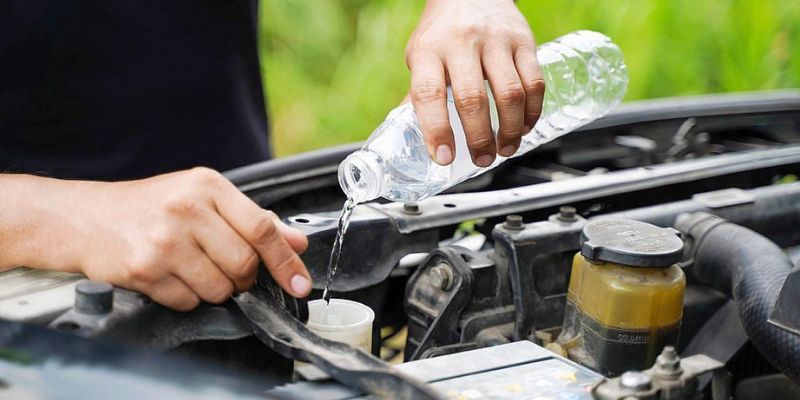
- Mix Coolant and Water: Use a 50/50 mix of distilled water and coolant. I keep a jug of each in my garage for quick top-offs.
- Pour Slowly: Add the mix to the reservoir until it reaches the “max” line. Don’t overfill—it can cause pressure issues.
- Check for Leaks: If you’re topping off often, there might be a leak. I had a small hose leak once, and my mechanic caught it early.
If the reservoir is empty or you see warning signs like steam or an overheating gauge, don’t drive—call a mechanic. I learned that lesson when my old car started steaming on the highway. Not fun!
Water in the Windshield Washer System
The other place your car needs water is the windshield washer system. I can’t tell you how many times I’ve been driving in rain or mud and realized my washer fluid was gone. The washer system sprays fluid to clean your windshield, and it’s usually a mix of water and washer fluid concentrate.
In my Civic, I used plain water once during a hot summer, and it worked okay. But in winter, that’s a bad idea—water can freeze in the lines. I now use a washer fluid mix designed for cold weather. It has antifreeze properties to keep things flowing. If you’re mixing your own, use distilled water and a washer fluid concentrate from an auto store. It’s cheap and keeps your system clean.
How to Refill the Windshield Washer Fluid
Refilling the washer fluid is one of the easiest car tasks. I do it myself all the time. Here’s how:
- Locate the Washer Tank: It’s under the hood, usually with a windshield or wiper symbol on the cap.
- Check the Level: If it’s low or empty, you’ll need to add fluid. I check mine every time I fill up gas.
- Pour in the Fluid: Use a premixed washer fluid or mix distilled water with a concentrate. Fill to the top but don’t overflow.
- Test It: Spray the windshield to make sure it’s working. I once forgot to close the cap, and it made a mess!
I keep a jug of washer fluid in my trunk for emergencies. It’s saved me on long trips when bugs or dirt hit the windshield.
Do Electric Cars Need Water?
This one threw me for a loop when I test-drove a friend’s Tesla. Electric cars don’t have traditional engines, so do they need water? The answer is a little different. Most electric vehicles (EVs) have a cooling system for the battery and motor, and some use a coolant mix with water, just like gas cars. My friend’s Tesla has a coolant reservoir, and the manual says to use a specific coolant with distilled water.
EVs also have windshield washer systems, so they need water or washer fluid there too. I was surprised to learn that even high-tech cars like EVs still rely on good old water for some things. If you drive an EV, check the manual for coolant specs—don’t guess like I did with my gas cars!
Common Mistakes to Avoid with Water in Your Car
I’ve made plenty of mistakes with my cars, and some were about water. Here’s what I’ve learned to avoid:
- Using Tap Water: As I mentioned, tap water can mess up your cooling system with mineral buildup. Stick to distilled water.
- Ignoring Low Coolant: If your coolant level is low, don’t just keep driving. I did this once, and my engine got way too hot.
- Mixing Coolant Types: Not all coolants play nice together. I mixed two types once, and it formed a weird sludge. Always use the type your manual recommends.
- Forgetting Washer Fluid: Running out of washer fluid in bad weather is a pain. I keep an extra jug handy now.
- Overfilling the Reservoir: Too much coolant can cause pressure buildup. I overfilled once, and it leaked out, making a mess.
Learning from these slip-ups has made me a smarter car owner, and I hope it helps you too.
How Often Should You Check Water and Coolant Levels?
I check my car’s coolant and washer fluid every couple of months, but it depends on how much you drive. Here’s my routine:
- Coolant: Check every 2–3 months or before a long trip. If you’re topping off often, there might be a leak—get it checked.
- Washer Fluid: Check monthly or when you notice the spray getting weak. I top it off every time I change my oil.
- Seasonal Checks: In winter, make sure your coolant has enough antifreeze to prevent freezing. In summer, check for low levels due to heat.
I learned to stay on top of this after a road trip where my coolant was low, and the engine started overheating. A quick check could’ve saved me a lot of stress.
Signs Your Car Needs Water or Coolant
Your car will give you clues if it’s low on water or coolant. I’ve seen these warning signs in my cars:
- Temperature Gauge High: If the gauge is in the red or you see a warning light, your engine might be overheating. I had this happen in my SUV once—scary!
- Steam or Smoke: Steam from under the hood means your engine’s too hot. Pull over and call for help.
- Low Coolant Light: Some cars have a specific warning light for low coolant. My Corolla had this, and it saved me once.
- Weak Washer Spray: If your windshield spray is weak or doesn’t work, the washer fluid is probably low.
If you notice any of these, don’t ignore them. I did once, and it led to a pricey repair.
Can You Use Water Without Coolant in an Emergency?
In a pinch, I’ve used plain water to top off my coolant. It got me to a gas station, but it’s not a long-term fix. Here’s why:
- Boiling Risk: Water boils at 212°F, but engines can get much hotter. Coolant raises the boiling point.
- Freezing Risk: In cold weather, water can freeze and crack your engine or radiator. I saw this happen to a friend’s car in winter.
- Corrosion: Water alone can cause rust in your cooling system. My mechanic warned me about this after my emergency top-off.
If you must use water, use distilled and get to a shop ASAP to add proper coolant. I keep a small jug of coolant in my trunk now for emergencies.
How to Choose the Right Coolant
Choosing the right coolant confused me at first—there are so many types! Here’s what I’ve learned:
- Check the Manual: Your car’s manual will list the recommended coolant type, like DEX-COOL or OAT (Organic Acid Technology). My Civic uses a green coolant, but my SUV needs a pink one.
- Don’t Mix Types: Mixing different coolants can cause gelling or corrosion. I learned this after a bad mix-up.
- Buy Quality: Stick to reputable brands from auto stores. I’ve had good luck with Prestone and Peak.
- Pre-Mixed vs. Concentrate: Pre-mixed coolant is ready to go, but concentrates are cheaper—you just add distilled water. I use concentrates to save a few bucks.
When in doubt, ask your mechanic. They’ll know what your car needs.
Maintaining Your Car’s Water Systems
Keeping your car’s water-related systems in check is easy once you get the hang of it. Here’s my routine:
- Regular Checks: Pop the hood every few months to check coolant and washer fluid levels.
- Flush the Cooling System: Every 2–5 years, flush and replace the coolant. I had this done on my SUV, and it runs cooler now.
- Clean the Radiator: Dirt or bugs can clog the radiator, making it less efficient. I spray mine gently with a hose every year.
- Inspect Hoses: Check for cracks or leaks in coolant and washer system hoses. I caught a small leak early and saved a big repair bill.
A little maintenance goes a long way. I’ve avoided major issues by staying on top of these simple tasks.
Conclusion
So, does a car need water? Absolutely! Water is a key player in your car’s cooling system, mixed with coolant to keep the engine from overheating or freezing. It’s also essential for the windshield washer system to keep your view clear. From my own experiences—burned hands, empty washer tanks, and a few close calls with overheating—I’ve learned how important it is to use the right water (distilled, please!) and stay on top of maintenance. Whether you’re topping off coolant, refilling washer fluid, or checking for leaks, a little care keeps your car running smoothly. I hope this guide answers all your questions and gives you the confidence to handle your car’s water needs like a pro. Got more questions? Check out the FAQs below for quick answers!
FAQs
Does every car need water?
Most gas-powered cars need water as part of the coolant mix in the cooling system and for the windshield washer fluid. Electric cars may use water in the coolant for batteries and washers, but check the manual.
Can I use tap water in my car’s cooling system?
No, tap water has minerals that can cause rust or buildup. Always use distilled or deionized water mixed with the right coolant.
How often should I check my car’s coolant level?
Check every 2–3 months or before long trips. If you’re topping off often, there might be a leak—get it checked.
What happens if my car runs out of coolant?
Your engine can overheat, which might cause serious damage. I’ve seen warning lights and steam when coolant is low—don’t ignore it!
Can I use water instead of washer fluid?
In a pinch, distilled water works for the washer system in warm weather. In winter, use washer fluid with antifreeze to prevent freezing.
How do I know if my coolant is low?
Check the coolant reservoir for “min” and “max” lines. If it’s below “min,” add a 50/50 mix of distilled water and coolant. A warning light or high-temperature gauge also means trouble.
Is it okay to mix different types of coolant?
No, mixing coolants can cause gelling or corrosion. Stick to the type listed in your car’s manual to be safe.