Does a Car Shake When It Needs Oil? What You Should Know
Figuring out why your car is acting up can be tricky, especially if you’re just starting. One thing that often confuses people is, Does a Car Shake When It Needs Oil? It can be a little stressful when your car does something unexpected. Don’t worry, though. This guide will make it easy to see if a lack of oil is the problem, and what other things to check. We’ll go over the main signs and what you can do about it. So, let’s get started!
Shaking Issues: Oil’s Role in Vehicle Performance
The health of your car’s engine depends a lot on oil. It does a lot more than just keep things moving smoothly. Oil keeps the engine parts from rubbing together and wearing down too fast. It also helps with cooling the engine and getting rid of dirt. When oil levels get low or the oil is old, the engine might have trouble working well. This can cause vibrations and shaking. That’s a good reason to keep an eye on your oil and check it regularly. It’s a simple check that can save you a lot of trouble later on.
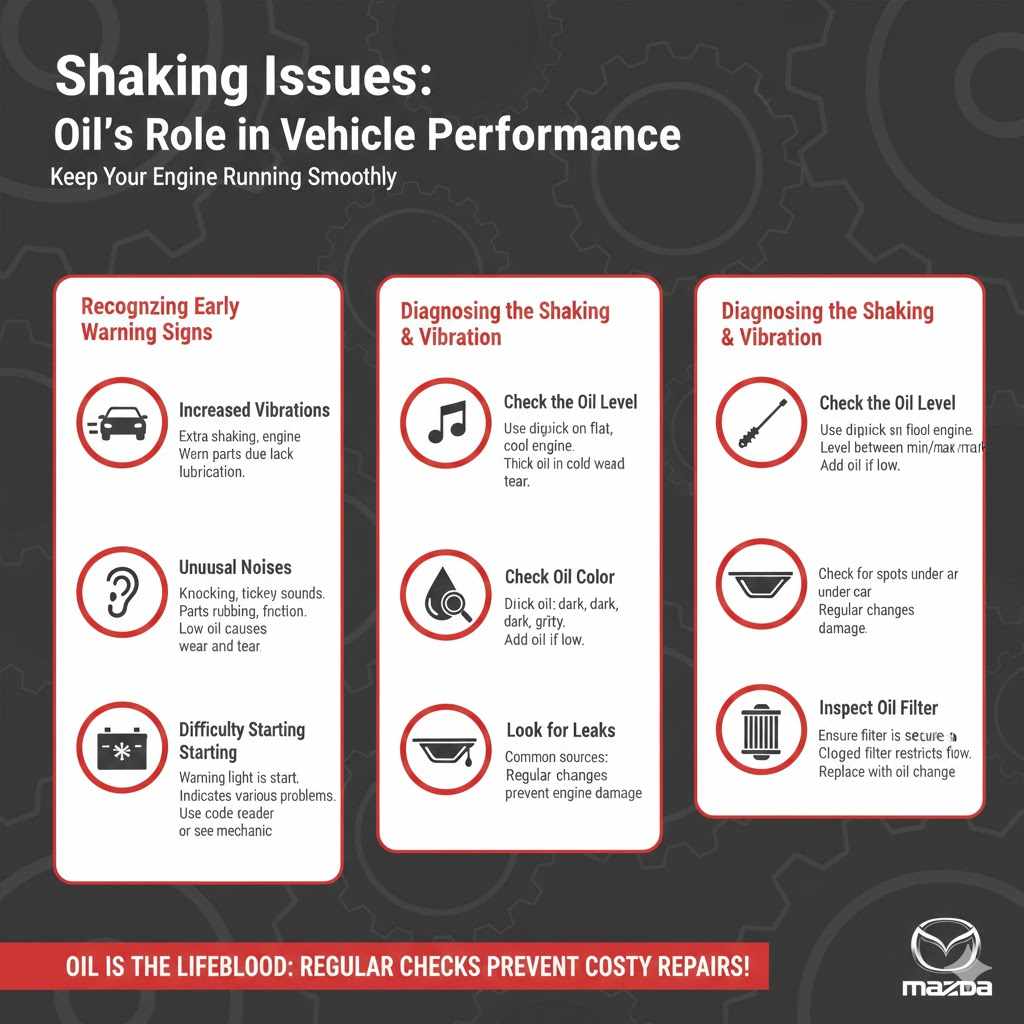
Recognizing Early Warning Signs
Your car will often show you warning signs before things get really bad. Knowing what to watch for can help you fix problems early. Pay attention to how your car drives. If you notice any unusual vibrations, it’s time to investigate. These warning signs are like little flags that say, “Hey, something isn’t right here!” Ignoring these signals can lead to bigger and more expensive repairs later on. Checking your car’s oil and other fluids regularly can prevent a lot of problems.
- Increased Vibrations: If you feel extra shaking when the engine is running, that’s a clue. It might be subtle at first, like a slight tremble, but it could get worse.Increased vibrations, especially when the engine is running or idling, could indicate a lack of proper lubrication. Worn or damaged engine components may cause these vibrations. Addressing them quickly can prevent more significant damage to your car’s engine. Keep in mind that vibrations can also come from other things, like tire issues, so you may need to look at other possible issues as well.
- Unusual Noises: Strange sounds, like knocking or ticking, can show up when oil is low. These noises happen because the engine parts aren’t properly lubricated.Unusual noises can occur when the engine is not properly lubricated. Parts that should be gliding smoothly may rub against each other. This friction causes knocking or ticking sounds. The longer you drive with low oil, the more wear and tear your engine experiences, leading to more noise and possible damage. Regular oil checks can help catch these problems before they become serious.
- Difficulty Starting: If your car struggles to start, oil might be part of the problem. This can be more common in colder weather.Low oil can affect how easily your car starts, because it reduces the engine’s ability to turn over smoothly. Cold weather can make the problem worse because the oil gets thicker and harder to move around. If your car hesitates to start, it’s a good idea to check your oil level and the condition of the oil. This step is a simple way to rule out a common issue.
- Check Engine Light: Your car’s check engine light will sometimes come on if there’s an oil issue. It can signal various problems, so check it right away.The check engine light can be a useful tool when it comes to vehicle health. When it lights up, it indicates a problem that needs attention. An oil issue is just one of many reasons the check engine light comes on. To figure out the cause, you can use a code reader or take your car to a mechanic for a proper diagnosis.
Diagnosing the Shaking and Vibration
If you feel your car shaking, you’ll need to figure out what’s causing it. Checking your oil is a good first step. Then, look for other signs like unusual noises or changes in how your car runs. Many different things can make a car shake, so you’ll want to check everything carefully. Being thorough when you check your car will help you find the problem fast, before it turns into something worse. Sometimes, a simple fix is all you need.
- Check the Oil Level: Use the dipstick to see if you have enough oil. If the level is low, add more oil to the engine right away.Checking your oil level is a quick and easy way to see if oil might be the problem. The dipstick shows how much oil is in your car. Make sure your car is on a flat surface and the engine is cool. Pull out the dipstick, wipe it clean, put it back in, and then pull it out again. The oil level should be between the minimum and maximum marks on the dipstick.
- Check the Oil Color and Condition: Look at the oil’s color and feel. Fresh oil is usually a light brown color and feels smooth.When you check your oil level, also examine the oil’s color and feel. Fresh oil is usually a light brown color. Oil that’s dirty, dark, or has a gritty feel may need to be changed. Check the oil regularly to keep your engine in good working order. Regular oil changes are one of the most important things you can do to maintain your car.
- Look for Leaks: Check under the car for oil spots. A leak can make your oil level drop quickly, which can lead to engine problems.Oil leaks are a common reason for low oil levels. Check for oil spots under the car where it’s parked. If you see spots, try to find where the oil is coming from. The leak could be from the oil pan, oil filter, or other engine parts. Getting a leak fixed as soon as possible is very important. This keeps your engine from running out of oil and becoming damaged.
Beyond Oil: Exploring Other Causes for Vehicle Vibrations
While low oil can cause shaking, it is not the only thing to blame. Several other car issues can also lead to vibrations. Things like tire problems, issues with the engine’s components, or brake problems might be the source. A proper diagnosis from a qualified mechanic is often needed to figure out what’s really happening. You can always get a second opinion if you are not sure.
Tire and Wheel Troubles
Tires and wheels play a significant role in how smoothly your car rides. If your tires are unbalanced, have uneven wear, or have other problems, they can cause shaking. Damage to the wheels, such as dents or bends, can also lead to vibrations. Checking your tires regularly is important to prevent problems. Maintaining your tires and wheels can make a big difference in how your car drives.
- Unbalanced Tires: If your tires aren’t balanced, they might cause shaking, especially at certain speeds.When tires are unbalanced, one part of the tire is heavier than others. As the tires spin, this can cause the car to shake, especially at higher speeds. This shaking gets worse as the speed increases. Having your tires balanced is a routine maintenance task. You should do it when you get new tires or if you feel any shaking.
- Uneven Tire Wear: Worn tires, or those with uneven wear, can cause vibrations. Check your tires regularly to see if they need to be replaced.If your tires are wearing unevenly, the car might start to shake. This happens when some parts of the tire are more worn than others. This kind of wear can be caused by problems with the car’s alignment, tire pressure, or driving habits. Regular tire rotations help keep wear even.
- Wheel Issues: Wheels that are damaged, bent, or out of alignment can also cause shaking.Wheels that are damaged, bent, or not correctly aligned can cause vibrations as the car moves. These problems can be caused by hitting potholes or curbs. It is important to have your wheels inspected if you suspect damage. You should get the alignment checked. This helps keep your car running safely.
Engine Components and Their Impact
Sometimes, the engine itself is the problem. Components like spark plugs, the motor mounts, or the fuel system can cause vibrations if they’re not working well. The engine’s parts need to work in sync for smooth performance. If any of these parts are faulty, it can lead to shaking. Engine problems need to be fixed right away, before they cause more damage or affect your car’s performance. Routine maintenance and inspections will help prevent these issues.
- Spark Plug Issues: Worn-out or faulty spark plugs can make the engine misfire, which will cause your car to shake.Spark plugs ignite the fuel in your car’s engine. When spark plugs go bad, the engine might misfire. This means the engine won’t burn the fuel efficiently. The car will often shake, especially when idling or accelerating. Replacing spark plugs at the recommended intervals can keep your engine running smoothly.
- Motor Mounts: Motor mounts help secure the engine to the car’s frame. If the mounts are worn or damaged, the engine can shake the car.Motor mounts hold the engine in place. These mounts absorb vibrations from the engine. If they break or wear out, they cannot do their job. This leads to increased vibrations and shaking. You might feel the car shaking more intensely when you accelerate or idle. Replacing worn motor mounts helps keep the car stable and prevents other parts from being damaged.
- Fuel System Problems: Fuel issues can cause shaking, too. Things like a clogged fuel injector or a bad fuel pump can make your engine run rough.The fuel system provides fuel to the engine. Any problem here can cause the engine to misfire or run poorly. This includes the fuel pump, fuel injectors, and fuel filter. Symptoms can include shaking, rough idling, or reduced power. Fixing fuel system issues can resolve the shaking and get your car running smoothly again.
Brake System Troubles
Problems with your brakes can also cause shaking. Warped brake rotors or problems with the brake pads can create vibrations when you’re braking. These issues don’t just affect how smoothly your car runs; they can also make it unsafe to drive. If you feel shaking when you use the brakes, you should have your brake system checked immediately. A properly working brake system is crucial for your safety on the road.
- Warped Brake Rotors: Warped rotors are a common cause of shaking when you brake. They can make the brake pedal shake, too.Brake rotors are the discs that the brake pads squeeze against to stop your car. Over time, these rotors can warp or become uneven due to heat or wear. When this happens, the car shakes when the brakes are applied. If you experience shaking while braking, it is a sign that you need to check your brakes.
- Brake Pad Problems: Worn or damaged brake pads can also make the car shake when you brake.Brake pads wear out as you use your brakes. When they are worn or damaged, they may not grip the rotors properly. This lack of grip causes shaking when you press the brake pedal. Regularly checking your brake pads and rotors can help identify problems early. Replace them when needed.
- Other Brake Issues: Other problems, like stuck calipers, can cause the brakes to drag and shake your car.Brake calipers squeeze the brake pads against the rotors. If the calipers get stuck, the brakes might not release fully. This can cause the car to shake, especially at higher speeds. Problems in the brake system can cause other issues. Regular inspections and maintenance can prevent these issues and keep your car running safely.
Addressing Oil-Related Concerns: Steps to Take
If you suspect an oil issue is causing your car to shake, you need to take action right away. You should start by checking the oil level and condition. You might need to add oil or schedule an oil change. Ignoring oil issues can result in serious engine damage. Taking care of oil problems promptly can keep your car running well. You may also want to do other checks for better safety.
Checking and Changing Your Oil
Checking your oil level and color should be a regular part of your car maintenance routine. You can do this yourself pretty easily. If the oil is low or old, it’s time to change it. Keeping the oil clean and at the correct level will keep your engine running smoothly. Regular oil checks can prevent major problems in the future.
- Oil Level Inspection: Use the dipstick to see if the oil level is correct. If it’s low, add more oil to the correct level.Start by parking your car on a level surface and letting the engine cool down. Locate the dipstick, usually marked with a symbol, and pull it out. Wipe the dipstick clean with a rag. Re-insert the dipstick fully and then pull it out again. The oil level should be between the minimum and maximum marks.
- Oil Quality Check: Look at the oil’s color and feel. Dark or gritty oil means it needs to be changed.When you check your oil level, examine the oil’s color and texture. Fresh oil should be light brown and smooth. If the oil is dark, has a gritty texture, or smells burnt, it is probably time for an oil change. Changing the oil will remove impurities and keep your engine in top condition.
- Oil Changes: Get an oil change when needed. Follow your car’s maintenance schedule for the best results.Regular oil changes are very important for keeping your car’s engine healthy. Most cars need an oil change every 3,000 to 5,000 miles, or every 3 to 6 months. Read your car’s manual for specific recommendations. During an oil change, the mechanic will also replace the oil filter. This maintains your engine’s performance.
Seeking Professional Assistance
While you can do some checks yourself, some car problems need a pro. If you’re not sure what’s wrong or the shaking continues after changing the oil, it is smart to get a professional to look at your car. They can diagnose the issue with the right tools and skills. A mechanic can often spot problems that you might miss. Taking your car to a mechanic can help keep small problems from turning into big ones.
- Consult a Mechanic: If you’re not sure what’s causing the shaking, ask a mechanic. They can give you advice.A certified mechanic has the tools and training to find the cause of your car’s shaking. They can examine your engine, tires, brakes, and other systems to identify the issue. A mechanic will give you a clear explanation and solutions for fixing the problem. Getting professional help will ensure that your car is properly repaired.
- Get a Diagnosis: A mechanic can tell you what’s causing the shaking. They can suggest repairs.A mechanic will do a thorough inspection of your car. They will look for possible causes of the shaking. This will involve checking tires, wheels, suspension, engine, and other components. The mechanic will also use diagnostic tools. This helps them find the exact cause of the shaking.
- Follow Recommended Repairs: Make sure you fix the problems your mechanic finds. This will get your car running smoothly again.Once your mechanic has diagnosed the problem, listen to their recommendations and get the repairs done. This might include balancing tires, replacing worn parts, or making engine adjustments. Getting your car fixed helps prevent more damage and keeps it running smoothly. Don’t delay. Taking care of problems as soon as possible is the best idea.
Does a Car Shake When It Needs Oil? Putting It All Together
So, does a car shake when it needs oil? Yes, low oil can definitely cause your car to shake. However, many other things can cause shaking. Getting to the bottom of the problem means checking everything. Being careful and keeping an eye on your car can keep things running well. Regular maintenance, like checking your oil and tires, can help stop problems before they start. You can save money and prevent bigger issues by taking good care of your car.
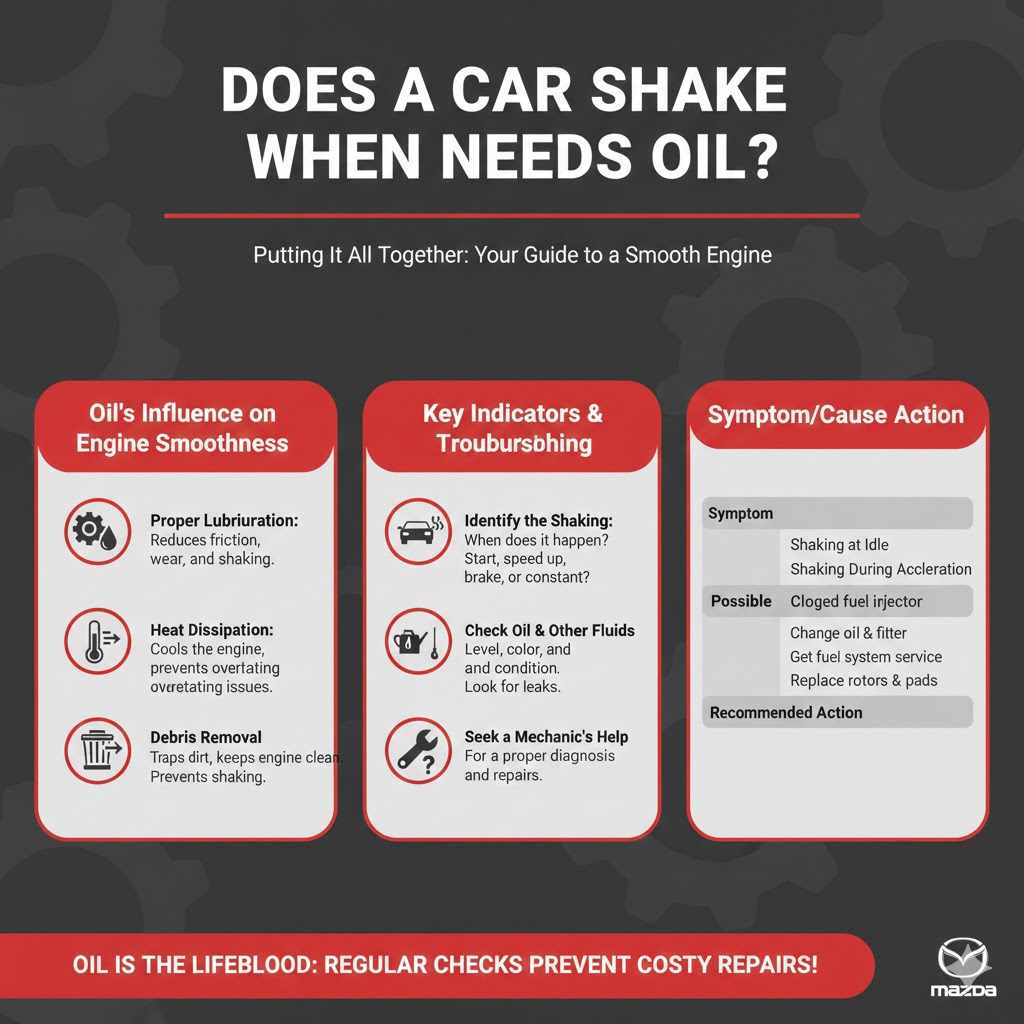
Oil’s Influence on Engine Smoothness
Oil is like the lifeblood of your car’s engine. It keeps everything moving smoothly. If there isn’t enough oil or if the oil is dirty, the engine’s parts can rub together and cause shaking. Keeping the oil at the right level and changing it regularly will help prevent this problem. By keeping a close eye on your oil, you’re making a big step toward a long-lasting and healthy engine.
- Proper Lubrication: Oil reduces friction. This keeps engine parts from wearing down fast and causing the car to shake.Oil acts as a lubricant, creating a protective layer between engine components. This stops them from rubbing against each other directly, which causes friction. If there is not enough oil, or if the oil is not good enough, friction can create vibrations. Proper lubrication ensures that the engine runs smoothly and doesn’t shake.
- Heat Dissipation: Oil helps cool the engine. Too much heat can cause problems, which can make the car shake.Engines get very hot when they run. Oil absorbs and carries away some of this heat, helping to keep the engine from overheating. Overheating can cause parts to warp or fail, which can lead to shaking. Having enough oil helps the engine stay within its normal temperature range.
- Debris Removal: Oil picks up dirt and debris. This keeps those particles from getting trapped in the engine.Over time, small particles of dirt and debris can build up in the engine. The oil carries these particles to the oil filter. The oil filter removes them. If the oil is dirty or the oil filter is clogged, these particles can cause wear and tear. This can create shaking. That is why oil changes are so important.
Key Indicators and Troubleshooting
Knowing what to look for and how to approach the problem is important. Shaking might be from oil, or it may be from something else. Regular car care is a must. Knowing how to troubleshoot and finding out what’s really happening will help you keep your car in great shape. This ensures that your car not only runs well but is also safe and reliable.
- Identify the Shaking: Feel when the shaking happens. Is it when you start, speed up, brake, or is it constant?Carefully note when you experience the shaking. Does it happen when you start your car, when you are accelerating, or only when you brake? Does the shaking seem constant, no matter how fast or slow you are going? Identifying when the shaking happens helps you narrow down the possible causes.
- Check Oil and Other Fluids: Check the oil and other fluids, like coolant and brake fluid. Low levels can signal other issues.Check the oil level using the dipstick. Look at the oil’s color and texture. While you are at it, check the levels of other important fluids in your car. A loss of fluids might indicate a leak or another problem that needs to be fixed. Regular fluid checks are part of good car maintenance.
- Seek a Mechanic’s Help: If you’re not sure, get a professional check. They can find the exact problem.If you have any doubts, or if you can’t find the source of the shaking, consult with a certified mechanic. They have the equipment, training, and experience. They can perform a thorough inspection. They can find the specific cause of the shaking. A mechanic will be able to perform repairs.
| Symptom | Possible Cause | Recommended Action |
|---|---|---|
| Shaking at Idle | Dirty or low engine oil | Change oil and filter |
| Shaking During Acceleration | Clogged fuel injector | Get a fuel system service |
| Shaking When Braking | Warped brake rotor | Replace rotors and/or pads |
Frequently Asked Questions
Question: What if the shaking happens only when the car is cold?
Answer: This can be a sign that the engine needs time to warm up. But, if it’s shaking more than a few minutes after the engine is running, you should check your oil and other fluids.
Question: How often should I check my car’s oil?
Answer: Check your oil at least once a month. Also, check it before any long trips to ensure your engine has enough lubrication.
Question: Can bad spark plugs make a car shake?
Answer: Yes, bad or worn-out spark plugs can cause misfires, which then makes your car shake, especially when idling or accelerating.
Question: What’s the main sign that oil is low?
Answer: The most obvious sign is the check engine light, or by checking the dipstick. Low oil pressure or a low oil level can cause the light to come on.
Question: Where can I get my car fixed?
Answer: You can take your car to a local mechanic or a trusted repair shop. Always make sure the shop is certified and has good reviews.
Final Thoughts
When it comes to the question, Does a Car Shake When It Needs Oil?, the answer is often, yes. Knowing the signs of low oil and other car problems can help you keep your car running well. You don’t need to be a car expert to take care of your car.
Regular oil checks and changes, along with attention to any unusual sounds or vibrations, can make a real difference. Pay attention to how your car feels and how it drives. By doing so, you can catch problems early, which can save you money and headaches down the road. Keep up with your regular maintenance, and your car will thank you with years of reliable service.