Maryland Car Tint Laws: The Complete 2026 Legal Guide
You just got your windows tinted, and three days later, a Maryland State Trooper pulls you over on I-95. He walks up, pulls a tint meter out of his pocket, and presses it against your driver’s side window. The reading comes back at 32% VLT. That’s a ticket, a fine, and a trip to get the tint removed or fixed. This scenario plays out every single day in Maryland, and most drivers never saw it coming.
This guide breaks down Maryland’s tint laws for 2026 in plain language. You’ll learn the exact VLT percentages allowed for every window on your vehicle, how the AS-1 line on windshields actually works, what happens if you get pulled over, and the precise steps to get a medical exemption if you need one. We’ll also cover how these laws apply to out-of-state drivers passing through, because the rules don’t care about your license plate.
Vepagoo
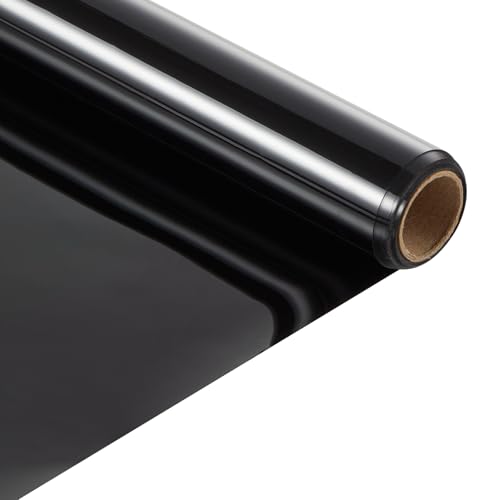
Vepagoo 35% VLT Ceramic Car Window Tint…
- Daytime Privacy: This ceramic window tint offers one-way visible effect during the day, letting you see out clearly while blocking…
- No Signal Interference: Unlike metal-based films, this nano-ceramic tint ensures smooth signal reception. Your GPS, phone, and oth…
- Heat & Glare Reduction: Significantly reduces infrared heat and minimizes sun/headlight glare. Keeps your car cooler, reduces AC l…
If you’re shopping for film, a quality ceramic option like the Vepagoo ceramic tint gives you solid heat rejection and no signal interference, but you still need to pick the right VLT percentage to stay legal in Maryland. The film is only half the equation; the law is the other half.
Maryland Car Tint Laws at a Glance (2026 Update)
Maryland law regulates window tint through the Maryland Transportation Code, specifically Section 22-406. The state uses the VLT (Visible Light Transmission) percentage to measure how much light passes through your window glass plus the film combined. A lower VLT number means darker tint.
Here is the quick reference table for passenger cars, which includes sedans, coupes, and convertibles:
| Window Position | Legal VLT Limit | Other Restrictions |
|---|---|---|
| Windshield | No tint below the AS-1 line | Must allow light above the line |
| Front Side Windows | 35% VLT | No metallic or mirrored finish |
| Rear Side Windows | 35% VLT | No metallic or mirrored finish |
| Rear Window | 35% VLT | Must have dual side mirrors if tinted |
For SUVs, vans, and trucks (vehicles classified as multipurpose passenger vehicles), the rules are slightly different. The front side windows must still allow 35% VLT, but the rear side and back windows have no VLT restriction. You can go as dark as you want behind the driver and front passenger. This distinction trips up a lot of people, so pay attention to your vehicle’s registration classification.
What is VLT and How is it Measured?
VLT stands for Visible Light Transmission. It’s the percentage of visible light that passes through the window. Factory glass typically comes in around 75% to 80% VLT from the dealership. When you add aftermarket tint film, the combined VLT of the glass plus the film is what law enforcement measures with a tint meter.
Here’s where the math gets tricky. If your factory glass already blocks 10% of light (so it’s 90% VLT), and you apply a film that’s rated at 50% VLT, the combined result is not 50%. It’s roughly 45% (0.90 multiplied by 0.50). Many drivers pick a film based on its label without accounting for the factory glass, then wonder why they fail an inspection.
If you want to end up at exactly 35% VLT on your front windows, you need to account for your vehicle’s stock glass. A film rated around 40% to 45% VLT usually gets you to the legal limit on most cars. The legal tint guide covers this calculation in more detail if you need the full breakdown.
Law enforcement uses a device called a tint meter. It shines a light through the window and measures what comes out the other side. The Maryland State Police carry these devices, and they can test any window on your vehicle during a traffic stop. There’s no grace period and no tolerance built into the law. If the meter reads 34% on a front window, that’s a violation.
Legal Tint Limits for Sedans vs. SUVs and Vans
The biggest source of confusion in Maryland tint law comes down to vehicle classification. Sedans and coupes follow one set of rules. SUVs, vans, and trucks follow another. The law draws the line based on how your vehicle is registered with the MVA, not how it looks.
For passenger cars (sedans, coupes, convertibles), every window behind the driver must allow at least 35% VLT. That includes the rear side windows and the rear window. You cannot legally go darker in the back of a sedan than you can in the front.
For multipurpose vehicles (SUVs, vans, pickup trucks), the front side windows must allow 35% VLT, but the rear side windows and the rear window have no VLT restriction. You can apply 5% limo tint to the back of an SUV and remain legal. This is the rule most people get wrong when they assume all vehicles follow the same standard.
Windshield Rules and the AS-1 Line
Maryland allows tint on the windshield only above the AS-1 line. The AS-1 line is a marking etched into the windshield glass by the manufacturer. It’s typically located about 5 to 6 inches down from the top of the windshield. If your windshield doesn’t have an AS-1 marking, the law requires tint to stop at the top 5 inches of the glass.
Enforcement is straightforward. An officer looks at your windshield and checks whether the tint extends below the AS-1 line. If it does, you get cited. The tint above the line can be any darkness, but most drivers use a 70% VLT film for heat rejection without affecting visibility.
One thing to note: the AS-1 line is not always visible from outside the vehicle. The etching is subtle, and some windshields have it on the passenger side. If an officer can’t find the line, they default to the 5-inch rule. Keep your tint above that point to avoid an argument on the shoulder.
Front Side Window Limits
The front side windows (driver and passenger doors) must allow 35% VLT on all vehicles in Maryland. This applies regardless of whether you drive a sedan or an SUV. There are no exceptions for vehicle type when it comes to the front windows.
This 35% requirement is a common source of tickets. Many drivers install 20% or 25% tint on their front windows because it looks uniform with the rear windows on an SUV. That’s a violation, and it’s one of the most frequently cited tint offenses in the state.
Rear Side and Back Window Limits
For sedans, the rear side windows and rear window must also allow 35% VLT. For SUVs, vans, and trucks, these windows have no VLT limit. You can use any darkness you want.
If you tint the rear window of a sedan or SUV below 35% VLT, you must have dual side mirrors. This is a safety requirement, not an aesthetic one. The mirrors must provide a clear view behind the vehicle since the rear window is too dark to see through.
Window Tint Reflection and Color Rules
Maryland restricts not just darkness but also reflection. The law limits the amount of light that window tint can reflect. The maximum allowable reflection is 25% for all windows. This is measured as the percentage of light reflected off the exterior surface of the glass.
Metallic and mirrored films are the usual culprits here. These films reflect a high percentage of light, which can blind other drivers and make it hard for law enforcement to see inside your vehicle. A highly reflective film on your front windows will fail a tint meter test even if the VLT is within limits, because the reflection reading exceeds 25%.
Color restrictions are minimal in Maryland. The law doesn’t prohibit specific colors like red, blue, or green tint. However, the state does prohibit red, amber, or blue lights on the front of a vehicle, so avoid any tint that could be mistaken for emergency vehicle lighting. Dark charcoal, black, and ceramic films are the safest choices.
Medical Exemptions: How to Get a Waiver
Maryland allows a medical exemption for darker tint on front side windows. The exemption is handled through the Maryland Motor Vehicle Administration (MVA). You can’t just put a note from your doctor on the dash and expect an officer to wave you through.
The process starts with a prescription from a licensed physician, physician assistant, or nurse practitioner. The prescription must state that you have a medical condition requiring protection from sunlight or UV rays. Conditions like lupus, photosensitivity, or certain skin cancers typically qualify.
You take the prescription to the MVA and apply for a Medical Exemption Waiver. The MVA reviews the application and, if approved, issues a waiver document. You must keep this waiver in your vehicle at all times. It specifies the VLT percentage you’re allowed to use, which is often lower than 35%.
There’s a catch. The waiver applies only to the vehicle you registered with the MVA. If you switch vehicles, you need to update the waiver. And if an officer pulls you over, the waiver must match the vehicle you’re driving. A waiver for your sedan doesn’t cover your truck.
Penalties, Fines, and Getting a SERO
A tint violation in Maryland is a misdemeanor. The fine structure is specific, and it escalates with each offense.
- First offense: $75 fine plus court costs (typically around $50 to $70).
- Second offense: $150 fine plus court costs.
- Third and subsequent offenses: $300 fine plus court costs.
Court costs vary by county, so the total out-of-pocket amount will be higher than the fine alone. In some counties, the total for a first offense can approach $150 after all fees are added.
Beyond the fine, the court will issue a SERO, which stands for Safety Equipment Repair Order. This is a directive from the court requiring you to fix the violation. You have a set period, usually 30 days, to remove the illegal tint or replace it with compliant film.
Once you’ve made the correction, you must have a law enforcement officer sign the SERO to verify compliance. Then you return the signed order to the court. If you ignore the SERO, your license or registration can be suspended.
Removing tint isn’t free. You’ll pay a shop to strip the old film, or you can do it yourself with a steamer and adhesive remover. The tint removal guide walks through the DIY process if you want to save the labor cost.
Out-of-State Vehicles and Enforcement
Maryland law applies to all vehicles operating on Maryland roads, regardless of where they’re registered. If you live in Virginia, Pennsylvania, or Delaware and drive into Maryland with darker tint than Maryland allows, you can be cited.
This surprises a lot of commuters. Virginia allows 50% VLT on front side windows, which is lighter than Maryland’s 35% requirement. But Pennsylvania allows 70% VLT, which is also lighter. If your tint is darker than Maryland’s limit, the Maryland State Police can pull you over and issue a citation.
There’s a practical reality here. Officers can’t test every out-of-state vehicle that crosses the border. But a routine traffic stop for speeding or a broken taillight gives them the opportunity to check your tint. If your tint is clearly darker than the legal limit, you’re getting a ticket on top of the original stop.
Out-of-state drivers don’t have to get a SERO in Maryland. The court will handle the fine through the mail, but the requirement to fix the tint follows you home. Your home state’s inspection rules will eventually catch up with you.
How to Choose a Compliant Tint Film
Selecting the right film starts with knowing your target VLT. For front side windows in Maryland, you want a film that brings the combined glass-plus-film VLT to 35% or higher. Most cars with factory glass need a film rated around 40% to 45% VLT to land at the legal limit.
Film types matter for performance and legality. Dyed film is the cheapest option, but it fades and bubbles over time. Carbon film holds its color better and doesn’t interfere with signals. Ceramic film is the premium choice; it blocks more heat and UV rays without the metallic reflection that can fail Maryland’s 25% reflection limit.
The ceramic tint cost guide breaks down pricing if you’re weighing options. Ceramic costs more upfront, but it lasts longer and doesn’t degrade like dyed films.
One more consideration: factory tint. Many vehicles come with glass that’s already slightly tinted from the factory. This isn’t a film; it’s the glass itself. In enforcement scenarios, factory tint is treated the same as aftermarket film. The tint meter measures the total VLT of the glass, whether it came from the factory or a tint shop. If your factory glass reads below 35% on a front window, it’s still a violation.
If you’re installing the film yourself, a product like the Vepagoo 35% VLT ceramic film is a reasonable starting point. It offers one-way daytime privacy, blocks 99% of UV rays, and resists scratches. Just remember that 35% film on top of factory glass will likely read below the legal limit. You may need a lighter film to stay compliant.
Frequently Asked Questions
Can I get pulled over just for window tint in Maryland?
Yes. Window tint is a primary offense in Maryland. An officer can stop you solely because they believe your tint is too dark. They don’t need another reason like speeding or a broken light. The tint itself is probable cause for a traffic stop.
Does Maryland allow 20% tint on rear windows of a sedan?
No. For passenger cars (sedans and coupes), all windows behind the driver must allow at least 35% VLT. The 20% tint is only legal on the rear windows of SUVs, vans, and trucks. If you drive a sedan, 20% tint on any rear window is a violation.
How do I know if my windshield has an AS-1 line?
Look at the top edge of your windshield from inside the vehicle. The AS-1 line is a small, etched marking on the glass, usually near the top corner on the driver’s side or center. It can be hard to spot. If you can’t find it, measure 5 inches down from the top of the windshield and keep all tint above that line.
Will a medical exemption waiver work for any vehicle I drive?
No. The waiver is tied to a specific vehicle registered with the MVA. If you drive a different vehicle, the waiver doesn’t apply. You need to update the waiver with the MVA if you change vehicles. Out-of-state vehicles don’t qualify for Maryland medical exemptions.
What happens if I don’t fix my tint after a SERO?
Ignoring a SERO is a separate offense. The court can suspend your driver’s license or vehicle registration until you comply. You’ll also face additional fines for failing to appear or failing to correct the violation. It’s cheaper and faster to fix the tint within the 30-day window.
Final Checklist for Staying Legal
- Front side windows must allow 35% VLT on all vehicles. No exceptions.
- Rear windows on sedans must allow 35% VLT. Rear windows on SUVs and vans have no limit.
- Windshield tint must stay above the AS-1 line or within the top 5 inches.
- Total reflection cannot exceed 25% on any window. Skip metallic and mirrored films.
- Factory tint counts toward the VLT measurement. Test your windows before adding film.
- Medical exemptions require an MVA-issued waiver, not just a doctor’s note.
- Out-of-state drivers face the same fines and enforcement as Maryland residents.
- If you get a SERO, fix the tint and get it signed off within 30 days.
Maryland tint laws aren’t complicated once you know the numbers. The 35% front window rule is the one that catches most people. Measure your glass, pick the right film, and you’ll avoid the ticket that so many drivers never see coming.
Products related to this article
Sponsored / affiliate links. As an Amazon Associate I earn from qualifying purchases. I may earn additional commission from eligible campaigns.