Does Car Glass Have Uv Protection? The Truth Revealed
It’s a question many of us have asked while driving on a sunny day. You might feel the warmth of the sun on your skin, but what about harmful rays? Does the glass in your car actually protect you?
This can feel like a confusing puzzle, especially when you’re just trying to enjoy a drive or get to your destination safely. Let’s dive into the truth about car glass and UV protection.
Car glass offers some protection against ultraviolet (UV) rays, but it’s not complete. While windshields block most UVA and UVB rays, side and rear windows often let more through, depending on their type and any added treatments.
Understanding UV Rays and Your Car
The sun sends out different kinds of rays. Some are visible, like the light that helps us see. Others are not visible but can still affect us.
Ultraviolet, or UV, rays are in this second group. They come in two main types that concern us: UVA and UVB.
UVB rays are the ones that cause sunburn. They are also a big reason for skin cancer. UVA rays are less about immediate burning.
They go deeper into your skin. This can lead to wrinkles and skin aging. UVA rays are also linked to skin cancer.
When you’re in your car, you’re somewhat shielded by the glass. But how much shielding do you actually get? This is where things get a bit more complex.
It’s not a simple yes or no answer. Many factors play a role in how much UV light enters your vehicle.
The Science of Car Glass and UV Rays
Car glass is made in layers. This is especially true for windshields. The most common type is laminated glass.
This means there are two layers of glass. Between these layers, there is a thin sheet of plastic, often polyvinyl butyral (PVB). This plastic layer is key.
The PVB layer in laminated glass is very good at blocking UVA rays. Most car manufacturers design their windshields to block about 96% of UVA light. This is a significant amount of protection.
It helps keep your dashboard from fading and protects the skin on your face and hands.
However, not all car glass is the same. Side and rear windows are usually made of tempered glass. Tempered glass is stronger.
It breaks into small, less sharp pieces if it cracks. But, standard tempered glass doesn’t block UV rays as well as laminated glass.
For example, side windows might only block around 50% to 70% of UVA rays. UVB rays are blocked better by most glass types. They are mostly stopped by the glass itself.
But UVA rays are the sneaky ones that get through more easily.
This means that even though you’re inside a car, you can still be exposed to a good amount of UV radiation. This is especially true for your arms and the side of your face if you’re sitting by a window.
Windshield vs. Side Window Protection
Windshields: Typically laminated glass with a PVB layer. Blocks about 96% of UVA rays. Offers high protection.
Side/Rear Windows: Usually tempered glass. Standard tempered glass blocks less UVA. Protection can range from 50% to 70% or more.
Key takeaway: Your windshield is your best shield in the car. Other windows offer less.
What Affects UV Protection in Your Car?
Several things can change how much UV light gets into your car. It’s not just about the type of glass. The way the glass is made and any treatments it has undergone are important.
Glass Thickness: Thicker glass tends to block more UV rays. However, glass thickness is usually standardized for safety and performance. So, this isn’t something you can easily change.
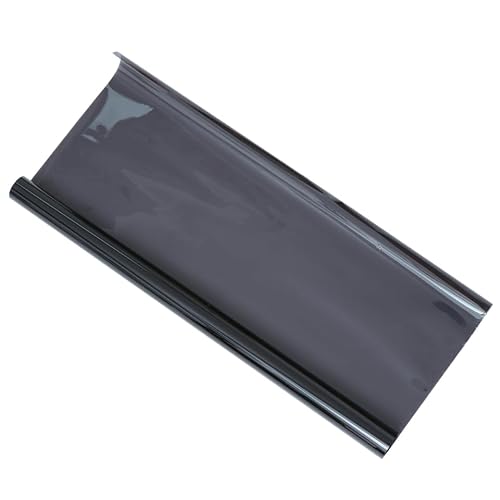
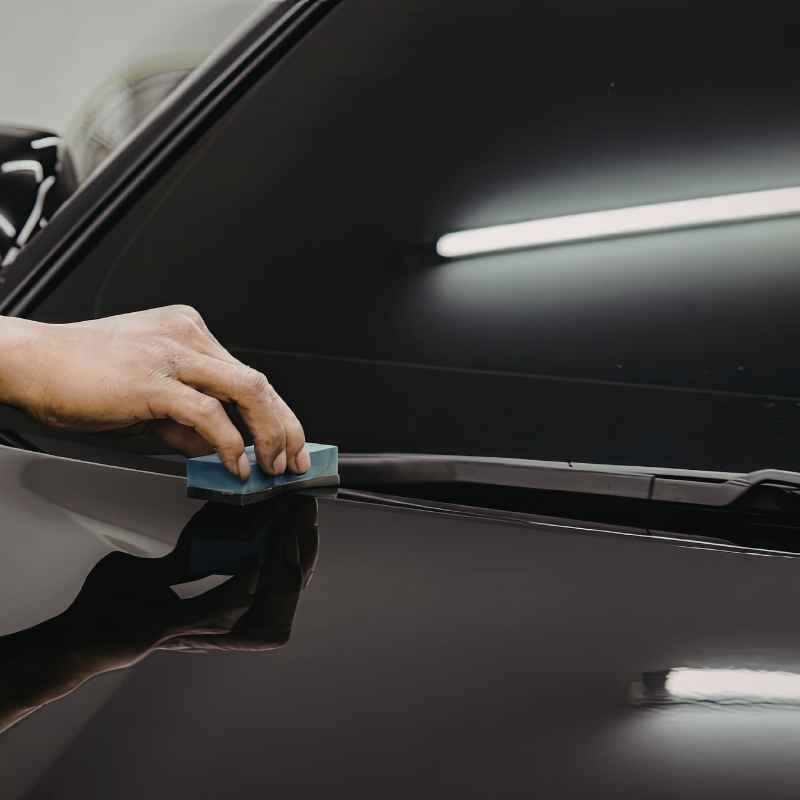
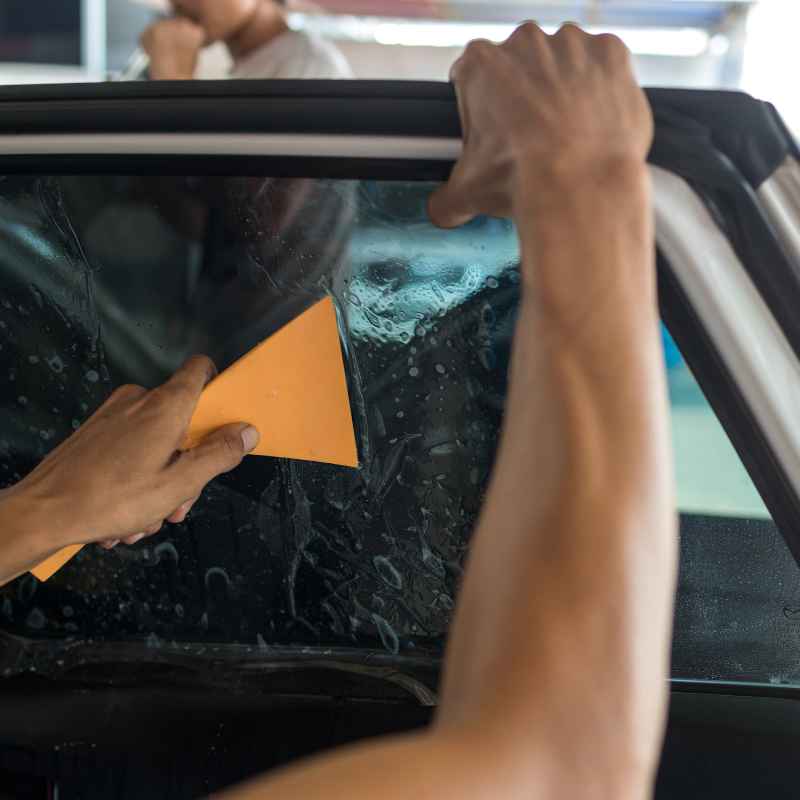
Tinting: This is a big one. Many people tint their car windows. Window tint film is applied to the glass.
Some tint films are designed to block UV rays. Others primarily reduce heat or privacy. A good quality UV-blocking tint can significantly improve protection.
Manufacturer Treatments: Some car manufacturers add special coatings to the glass. These coatings can help block UV rays. They might also help with heat or glare.
You can often find this information in your car’s manual or by checking the manufacturer’s specifications.
Age of the Car: Over time, glass can degrade. Seals around windows can weaken. This might not directly affect UV blocking.
But it can allow more general light and heat in. Older cars might have less advanced UV protection built-in compared to newer models.
Glass Color: While glass itself is often clear, sometimes slight tints or dyes are added during manufacturing. These can subtly alter UV light absorption. However, this is usually a minor factor compared to other elements.
Aftermarket Films: Beyond standard tinting, there are also specific UV-blocking films you can buy. These are different from dark tinting. They are clear or lightly tinted.
They focus solely on blocking UV radiation. These are often used in homes and cars where UV protection is a top concern.
It’s helpful to remember that even glass that doesn’t block a lot of UV might still block some. The percentage matters, but any barrier is better than none. The goal is to understand the levels of protection you have.
Quick Scan: What Boosts Car UV Protection?
- Laminated Glass: Standard for windshields, great UVA blocker.
- Quality Window Tint: Films with UV-blocking properties.
- Manufacturer Coatings: Special treatments applied at the factory.
- UV-Blocking Films: Clear or lightly tinted aftermarket options.
My Own Experience with Car Window Tint
I remember years ago, I bought a used car. It was a small sedan, older but ran well. I loved driving it around town.
One thing I noticed, though, was how much the sun seemed to bother me on longer drives. My left arm, the one resting on the door, would get noticeably warm and sometimes red, even with the window up.
I figured it was just the sun being strong. Then, a friend who worked at a car customization shop suggested I look into window tinting. I was a little hesitant.
I thought tint was just for looks or privacy. But he explained that good quality tints also block UV rays.
So, I went ahead and got a clear UV-blocking film applied to all my windows, including the windshield. I didn’t want dark windows, just the protection. The change was surprising.
On my next long drive, I felt a real difference. The intensity of the sun’s heat on my arm was much less. My skin felt less exposed.
It wasn’t that I couldn’t feel the sun at all. You still know it’s a sunny day. But the harsh, direct UV rays felt significantly diminished.
It made my drives more comfortable and made me feel better about my skin health. It was a small change that had a big impact.
This experience showed me firsthand how much standard car glass might be lacking. And how effective specific films can be. It’s easy to assume car windows are a complete shield.
But they are often not. That’s why looking into these added protections makes sense.
How to Check Your Car’s UV Protection
Figuring out exactly how much UV protection your car glass offers can be tricky. Manufacturers don’t always make this information easy to find for every model. However, there are a few ways you can get a better idea.
Check Your Car’s Manual: Sometimes, the owner’s manual will list specifications about the glass used. Look for terms like “UV protection,” “laminated glass,” or “solar control glass.” This is the most official source.
Look for Etchings on the Glass: Some car windows have small markings etched into the corner. These might indicate the type of glass or safety standards. You might see symbols or codes that you can then look up.
This requires a bit of research.
Consult a Professional: Window tinting shops often have tools that can measure UV transmission through glass. You can ask them to test your current windows. They can tell you the percentage of UV rays that are getting through.
Use a UV Light Meter: If you’re really curious, you can buy a simple UV light meter online. Hold it up to different windows on a sunny day. Compare the readings with and without the meter pressed against the glass.
This gives you a practical, though not perfectly scientific, idea.
Research Your Car Model Online: Search for ” windshield UV protection” or “side window UV rating.” You might find forums or articles where other owners have discussed this. Sometimes, reviews of the car mention its UV blocking capabilities.
Observe Fading: If you notice that the dashboard or interior fabric on the side of the car facing away from the driver fades much faster than other areas, it could be a sign of significant UV exposure through that window.
Practical Checks for UV Protection
Owner’s Manual: First place to look for official specs.
Glass Etchings: Tiny marks might hold clues.
Tint Shop Test: Professionals can measure UV levels.
UV Meter: A simple tool for a rough idea.
Online Research: See what others say about your car model.
When to Worry About UV Exposure in Your Car
Most of the time, driving in your car is relatively safe regarding UV exposure, especially with a good windshield. However, there are times when you should be more aware and take extra precautions.
Long Drives: If you spend hours behind the wheel every day, the cumulative exposure adds up. This is especially true for long road trips where you might be driving for many consecutive hours. Your cumulative exposure matters.
Driving in High Altitude Areas: UV radiation is stronger at higher altitudes. The air is thinner, offering less natural protection. If you live in or are traveling to mountainous regions, be extra mindful.
Driving in Sunny Climates Year-Round: If you live in a place with constant sunshine, like Florida or Southern California, you’re exposed more often. Even short drives add up over the months and years.
If You Have Sensitive Skin: People who are prone to sunburn, have fair skin, or have a history of skin cancer need to be more cautious. They may want to consider extra protection.
If Your Car Has Older or Damaged Glass: If your windows are old, have many chips, or the seals look worn, the protection might be compromised. While chips don’t directly reduce UV blocking, they can be a sign of overall wear.
If Your Side Windows Have Minimal Tint: As we discussed, side windows often block less UV. If they are also clear or have a very light tint, you are getting more exposure.
When Your Skin Feels Hot or Tingly: If you feel your skin getting uncomfortably warm or notice a tingling sensation on the side of your body facing the window, it’s a sign that significant UV rays are penetrating the glass.
It’s about understanding your personal risk factors and the specifics of your car. Being aware is the first step to making informed decisions about protecting yourself.
Simple Ways to Boost Your UV Protection While Driving
You don’t always need a full window tinting job to improve your car’s UV protection. There are simpler steps you can take. These can make a noticeable difference in reducing your sun exposure.
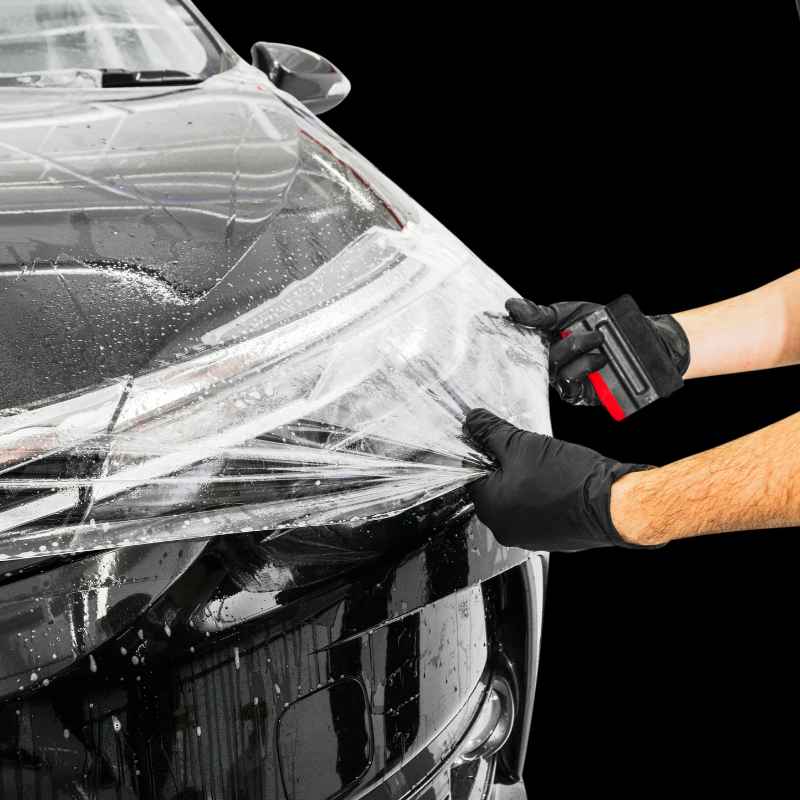
Apply a UV-Blocking Window Film: You can buy clear or lightly tinted UV-blocking films online or at auto parts stores. These are specifically designed to block UV rays without significantly changing the look of your windows. Application can be a DIY project or done by a professional.
Use Sunshades: While often used to keep the car cool, some sunshades can also block UV rays. Look for shades that mention UV protection. Even a simple mesh shade can offer some barrier.
Wear Sun-Protective Clothing: This is perhaps the easiest and most effective method. Wear long sleeves, especially if you drive frequently or for long periods. Clothing is a very reliable barrier against UV rays.
Use Sunscreen: Don’t forget to apply sunscreen to exposed skin before driving. This includes your face, neck, ears, and any skin on your arms or legs that might be near a window. Sunscreen provides a personal shield.
Wear Sunglasses: Protect your eyes from UV rays. Look for sunglasses that block 99-100% of UVA and UVB rays. This is important for eye health and comfort.
Consider Tinted Visors: Some cars have visor strips at the top of the windshield. These can offer a bit of extra shade and may have some UV blocking properties, depending on the material.
Check Your Car’s Factory Tint: If your car came with tinted windows from the factory, it might have some UV protection. You can often check the specs or get them tested. If they offer limited protection, consider adding a dedicated UV film over them.
The key is a multi-layered approach. Combining these tips can significantly enhance your protection from the sun’s harmful rays while you’re on the road.
Infographic: Your Driving UV Protection Toolkit
UV Window Film
Clear or light tints. Blocks UV.
Sunshades
Block sun, some block UV.
Long Sleeves
Clothing is a solid barrier.
Sunscreen
Apply to exposed skin.
Sunglasses
Protect your eyes.
The Role of Aftermarket Tinting
Window tinting is a very popular modification for cars. People do it for different reasons. Some want privacy.
Others want to reduce the heat inside their car on hot days. But a significant benefit, often overlooked, is UV protection.
When you choose to tint your windows, you have options. Not all tints are created equal. Some are basic dyes that darken the glass.
These might block a little bit of light and heat but offer minimal UV blocking. They are often the cheapest option.
Then there are higher-quality tint films. These often use special materials like carbon or ceramic. These materials are excellent at blocking both heat and UV rays.
Ceramic tints, in particular, are known for blocking a lot of UV without making the windows look dark.
Types of Tint Films and UV Protection:
- Dyed Tint: Least effective for UV. Primarily for looks.
- Carbon Tint: Good heat rejection and UV blocking. Durable.
- Ceramic Tint: Excellent heat and UV rejection. Often clear or lightly tinted.
- Metallic Tint: Can block UV but may interfere with electronics (GPS, radio).
When you go to a reputable tint shop, ask about their UV protection ratings. Most high-quality films will block 99% or even 100% of UVA and UVB rays. This is a huge improvement over standard car glass.
It’s important to choose a tint that is legal in your state. Many places have laws about how dark side and rear windows can be. However, clear UV-blocking films are usually legal everywhere because they don’t obscure visibility.
Always check local regulations.
The investment in good quality window tint can pay off in several ways. It protects your car’s interior from sun damage. It keeps you cooler.
And most importantly, it offers substantial protection for your skin from harmful UV radiation during your commute or travels.
UV Protection for Different Parts of Your Car
It’s not just the side windows and windshield that matter when it comes to UV rays. Other parts of your car can also be affected or offer protection.
Sunroofs: Many sunroofs are made of tinted glass. However, like side windows, the amount of UV protection can vary greatly. Some sunroofs offer very little UVA blocking.
If your car has a sunroof, it’s wise to check its UV rating. You can often get a UV-blocking film for sunroofs too.
Convertible Tops: If you drive a convertible, the fabric top offers a different kind of protection. While it blocks direct sunlight, the fabric itself may not block UV rays effectively. Prolonged exposure with the top down means you are essentially driving outdoors.
Be sure to use sunscreen and wear protective clothing.
Interior Materials: Even with UV-blocking glass, some UV rays can still penetrate. This is why car dashboards and seats can fade over time. The materials used in your car’s interior can also degrade with prolonged UV exposure.
Choosing UV-protective films helps slow this fading and damage.
Headlights and Taillights: The plastic covers on your car’s lights can yellow or become cloudy over time due to UV exposure. While this doesn’t affect driving safety directly, it’s an example of how UV can degrade materials. Some protective coatings are available for these as well.
Understanding that different parts of your car interact with UV rays in different ways helps you make more informed decisions. It’s about protecting both yourself and the longevity of your vehicle.
UV Interactions: Beyond the Main Glass
- Sunroofs: Variable UV protection. Can be treated.
- Convertible Tops: Block direct sun but may not block UV.
- Interior Fading: A sign of UV exposure, even with glass.
- Plastic Light Covers: Can degrade from UV over time.
What Experts Say About Car UV Exposure
Dermatologists and skin cancer organizations consistently highlight the risks of UV exposure, even from indoor sources or vehicles. The American Academy of Dermatology (AAD) advises people to take sun protection seriously, no matter where they are.
They point out that UVA rays, which penetrate glass more easily, contribute to premature aging and skin cancer. While UVB rays cause sunburn, UVA rays are present year-round and at similar intensities during daylight hours, whether it’s sunny or cloudy. This means consistent exposure matters.
The AAD recommends that drivers protect themselves. This includes using sunscreen on exposed skin and wearing UV-blocking sunglasses. They also support the use of window films that offer significant UV protection, especially for those who spend a lot of time driving.
Organizations like the Skin Cancer Foundation also emphasize that UV rays can cause damage in as little as 15 minutes. This underscores the importance of protection even on short drives. They often partner with companies that produce UV-protective products to raise awareness.
These experts stress that you can still get a significant dose of UV radiation while driving. This is because car windows are not designed to block all UV rays, particularly UVA. The prolonged exposure over years can increase your risk of skin damage and skin cancer.
This includes melanoma, the deadliest form of skin cancer.
The consensus among health professionals is clear: don’t assume you’re fully protected in your car. Be proactive about sun safety. This advice is based on extensive research into the effects of UV radiation on human health.
Frequently Asked Questions About Car Glass UV Protection
Does all car glass block UV rays?
No, not all car glass blocks UV rays equally. Windshields, usually made of laminated glass, block a high percentage of UVA rays. Side and rear windows, often tempered glass, typically block less UVA unless they have specific treatments or films.
Will window tinting protect me from UV rays?
Yes, many window tints are designed to block UV rays. High-quality tints, especially ceramic or carbon films, can block 99-100% of UVA and UVB rays. However, not all tints offer this benefit, so check the product specifications.
Do I need UV protection on my windshield?
Your windshield usually offers good UVA protection by design. However, if you spend many hours driving or are concerned about maximum protection, adding a clear UV-blocking film to the windshield can provide even better defense against aging and skin damage.
Can I get sunburned in my car?
While it’s less likely than being outdoors, you can still get sunburned or experience skin damage in a car. This is mainly due to UVA rays penetrating side and rear windows, especially during long drives. UVB rays are more likely to cause burning.
How can I tell if my car windows block UV?
You can check your car’s manual for specifications, look for etchings on the glass, or have a tint shop test your windows. Observing how quickly your car’s interior fades can also be an indicator of UV exposure.
Are clear UV-blocking films effective?
Yes, clear UV-blocking films are very effective. They are designed specifically to filter out UVA and UVB rays without darkening the windows. They are a great option if you want UV protection but not the look of tinted windows.
What is the difference between UVA and UVB rays?
UVB rays are the primary cause of sunburn and are strongly linked to skin cancer. UVA rays penetrate deeper into the skin, contributing to premature aging (wrinkles) and also playing a role in skin cancer. Both are harmful.
Final Thoughts on Car Glass and Sun Safety
So, does car glass have UV protection? The answer is a bit nuanced. Your windshield likely does a great job blocking harmful UVA rays.
But your side and rear windows might be letting more through than you think. It’s easy to feel safe inside a car, but the sun’s rays can still reach you.
Understanding the different types of glass and the role of tints or films is key. Being aware of how long you spend driving and your personal skin sensitivity can help you decide on the best steps. Whether it’s a dedicated UV film, better sunglasses, or just consistent sunscreen use, taking action can make a big difference in protecting your skin and your car’s interior over time.
Products related to this article
Sponsored / affiliate links. As an Amazon Associate I earn from qualifying purchases. I may earn additional commission from eligible campaigns.