The Art of Car Customization: Tasteful Upgrade Ideas
A practical customization plan often aims to keep most changes reversible and daily-use friendly, while limiting permanent mods to a smaller share of the build. Bad choices can hurt visibility, comfort, charging access, warranty coverage, and resale value fast. This guide covers tasteful upgrades, leasing-safe options, EV-friendly picks, and a decision framework for a reversible build.
What makes car customization tasteful in 2026?


Tasteful 2026 customization favors factory-believable changes, clean fitment, and reversible upgrades that still look deliberate. The 2026 shift is toward OEM plus styling: subtle, factory-look changes instead of loud add-ons that draw attention to poor trim, uneven gaps, or awkward color choices.
That matters because a custom car is no longer judged by part count alone. It is judged by how well the pieces work together. A body-color trim piece, a well-fitted wrap, or a restrained wheel change can look intentional. A mismatched body kit, dim underglow, or cabin full of loose accessories usually reads as unfinished.
How 2026 style differs from loud, trend-chasing builds
Car customization began with self-expression, and social media still speeds trend cycles. But the current bias is clearer: subtle changes age better. The same build that looks current in a reel can feel dated in a driveway if it leans on oversized aero, extreme camber, or too many contrasting finishes.
Use three filters before buying anything: does it look believable against the vehicle’s trim level, can it come off later, and will it help or hurt resale? If the answer is mixed, the modification is probably too aggressive for a daily-driven build.
Where OEM plus styling fits in
OEM plus styling means factory-look upgrades that stay believable. It fits owners who want a cleaner version of the original car rather than a radically altered one. Think of it as a design language, not a shopping list.
Examples include restrained wheel changes, subtle exterior trim swaps, mild lowering, and interior materials that match the car’s original finishes. Because the result still looks manufacturer-adjacent, this approach usually lands better with future buyers than a heavily personalized theme.
📊 The page says car customization is shifting toward OEM plus styling in 2026. Source: The Art of Car Customization: A 2026 Lifestyle Trend.
What is OEM plus styling for cars?
OEM plus styling for cars is a factory-look approach to customization that improves the car without breaking visual continuity. It keeps the original model believable, often using parts, colors, textures, and proportions that look like they could have come from the manufacturer.
That style tends to preserve resale better because it avoids niche tastes. Buyers may not want your exact wheel finish or steering-wheel trim, but they usually respond well to clean, restrained changes that make the car feel newer or better kept.
Which changes usually preserve resale better
Lower-visibility modifications usually age best: quality wheels in a conservative size, subtle tint where legal, OE-style spoilers, paint correction, and reversible interior changes. Full custom paint jobs and aggressive body kits are harder to unwind and may narrow the buyer pool.
Touch-up paint pens also fit here. They are not a style statement, but they matter. Before a wrap or before listing the car, use the correct color-code match to reduce visible chips on edges, mirrors, and bumper corners.

Are vinyl wraps better than paint for customization?
For most owners, vinyl wrap is the default way to change a car’s look in 2026 because it is reversible compared with paint and offers a full-color change without a permanent refinish. Paint still wins on longevity and depth of finish, but wrap usually wins on flexibility.
Wraps make sense when you want a different color, a satin or matte finish, or a short-to-medium-term style change. Paint makes more sense when the body needs repair, the car will keep one look for years, or the owner wants the most durable permanent finish.
When a wrap makes more sense than a repaint
A wrap generally works best on paint that is already in good condition. It is also useful for leased cars, EVs with bright factory colors that need toning down, and builds that may change direction later. A full-color change is practical here because the film can be removed.
Picture a white sedan that needs a black exterior for a photo-heavy project year, then needs to return to stock before lease return. A wrap is the cleaner choice. Paint would be slower, costlier to reverse, and more likely to complicate resale or inspection.
Prep work, surface condition, and common wrap failures
Wrap quality depends heavily on surface prep. Chips, oxidation, old adhesive, and contaminated panels can telegraph through film or shorten its life. A touch-up paint pen can help handle small rock chips before wrap installation, especially on leading edges and mirror caps.
Common failures include lifting edges, trapped dust, overstretched corners, and poor panel alignment around handles or badges. These problems usually come from rushed prep or bargain installation. A cheap wrap that looks uneven at the seams can lower confidence faster than leaving the original paint alone.
Where full-color changes fit in a reversible build
Full-color changes work well when the rest of the build stays restrained. A new exterior color can be the main visual move, but it should not be stacked with oversized aero, bright lighting, and multiple decal layers. That combination usually reads as clutter, not design.
How can you customize your car interior without permanent changes?
Interior customization can stay reversible through lighting, seat covers, and small repair items. The best nonpermanent changes add comfort or visual order without drilling, cutting, or covering the cabin in loose accessories that make the car harder to live with.
Interior customization searches hit a record high in January 2026, which fits the move toward cabin-focused upgrades. The practical answer is not more parts. It is better material choice, cleaner color control, and less visual noise.
Interior LED lighting as a reversible cosmetic change
Interior LED lighting can be a relatively budget-friendly, reversible cosmetic change when used as accent lighting only. App-controlled options can help tune brightness and color, but the best result is subtle footwell, console, or door-pocket lighting that supports the cabin rather than competing with it.
Keep it cosmetic. If the lighting spills into the windshield, distracts the driver, or creates reflected glare at night, it stops being tasteful. Cheap installs often fail at the wiring stage or leave visible adhesive and dangling leads.
Seat covers for comfort, coverage, and budget control
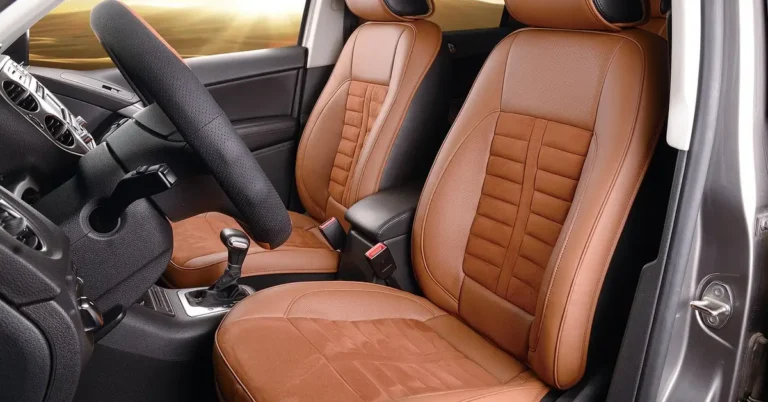
Seat covers are often a low-cost interior upgrade and can help cover wear while giving the cabin a cleaner look. Full-set coverage matters because partial covers often look mismatched. A good set should fit tightly and avoid blocking airbags or seat controls.
They are a strong fit for daily drivers and lease returns, especially when the original upholstery is light-colored or already showing use. Comfort and appearance both improve, but only if the covers are tailored enough to avoid a loose, slip-on look.
Touch-up paint pens for chips and small prep fixes
Touch-up paint pens are not glamorous, but they are useful. They handle small-surface repair on chips, scratches, and edge wear, and they matter before wrap installation because damaged paint can make film removal later more complicated.
Use the correct color-code match, not a close guess. A mismatched pen looks worse than a small chip. This is one of the few low-cost steps that can protect both appearance and resale without changing the car’s design direction.
Which upgrades add style without hurting resale value?
Upgrades that add style without hurting resale value are usually low-visibility, reversible, and consistent with the car’s original character. The best examples are OEM plus styling changes, quality wrap work, clean interior trim, and accessories that can be removed without evidence.
Buyers generally turn away from visible damage, cluttered cabins, loud decals, and modifications that look hard to undo. Heavy body kits, poor lighting installs, and permanent interior cuts are common resale headwinds because they suggest extra cost for the next owner.
Lower-visibility exterior changes
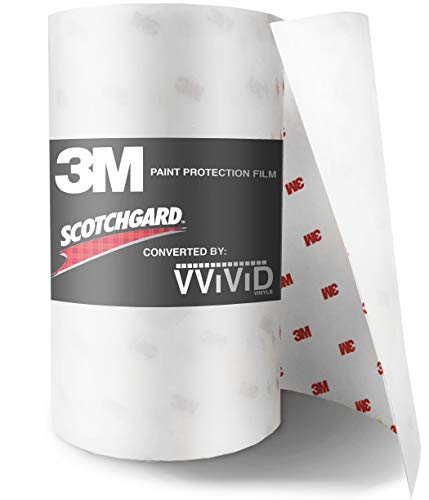
Use restrained changes first: wheels that fill the arches properly, modest tint where legal, paint protection film on high-impact areas, and badging changes that remain close to stock. These improve the car’s stance without making it look heavily modified.
Interior choices that are easy to remove
Seat covers, floor mats, clip-on organizers, and reversible LED accents are easier to remove than stitched or glued-in changes. The more the cabin still looks like the original design underneath, the less risky the build becomes for resale.
What usually turns buyers away
Overdone body kits, uneven wrap seams, purple or strobing lighting, cut dashboards, and too many decals all signal cost to reverse. If a change makes the next owner think about labor before enjoyment, it has probably gone too far.
2026 customization decision matrix
Use this matrix to compare the main options by cost, reversibility, resale impact, install difficulty, and driver fit. It is the simplest way to separate tasteful upgrades from expensive regret.
| Modification | Cost | Reversibility | Resale impact | Install difficulty | Best-fit driver type |
|---|---|---|---|---|---|
| OEM plus styling trim or wheel changes | Moderate | High | Usually favorable | Moderate | Daily driver, EV, leased car |
| Vinyl wrap | Moderate to high | High if paint is healthy | Neutral to favorable | High | Daily driver, leased car, show build |
| Interior LED lighting | Low | High | Usually neutral | Moderate | Daily driver, EV, first-time modifier |
| Seat covers | Low | High | Usually favorable | Low | Daily driver, leased car |
| Custom paint job | High | Low | Mixed | High | Show build |
| Body kit | Moderate to high | Low to moderate | Often mixed | High | Show build |
| Dash cam | Low to moderate | High | Neutral | Low | Daily driver, leased car, EV |
Best-fit driver types
Daily drivers should lean on reversible improvements that do not complicate visibility or maintenance. Leased cars need the strongest bias toward removable changes. EVs often benefit from cabin-focused and aero-light styling. Show builds can tolerate more permanent work, but fit and finish matter even more there.
- Start with reversible changes that address the biggest visual problem first.
- Check whether the modification is easy to remove without damage.
- Estimate resale effect before buying parts or booking install time.
- Compare labor difficulty with your tolerance for downtime.
- Reserve permanent mods for the final layer of the build.
Failure-case checklist for wraps, lighting, and interior mods
A common first-timer mistake is treating these categories as simple bolt-ons. They are not. Use this checklist before committing:
- Wraps: bad surface prep, existing paint damage, visible seams, and stretched corners around handles or badges.
- Lighting: cheap wiring, exposed adhesive, glare in the windshield, and colors that distract at night.
- Interior mods: cluttered cabin design, loose trim pieces, mismatched materials, and seat covers that block controls or airbags.
What is the difference between aesthetic, performance, and technology modifications?
The clean way to divide modifications is by purpose. Aesthetic changes alter how the car looks. Performance changes alter how it drives. Technology upgrades alter what the car can do for comfort, safety, and convenience. That separation keeps a build coherent.
The page’s three main types are performance changes, aesthetic alterations, and technology upgrades. Keeping them separate helps prevent the common mistake of mixing a styling plan with a power plan and ending up with a car that is fast, flashy, and unfinished.
Aesthetic modifications
Aesthetic modifications include custom paint jobs, vinyl wraps, body kits, aftermarket lighting, and window decals. They are the most visible changes, and they carry the highest risk of clashing with resale if they are too aggressive or too personalized.
Performance modifications
Performance modifications include upgraded turbochargers and superchargers, air intake systems, sport-tuned suspension, and performance-oriented tires and wheels. These changes are aimed at speed, grip, response, and handling, not visual refinement.
They may improve the driving experience, but they also increase the chance of noise, tire wear, ride harshness, or warranty friction. If the goal is tasteful style, performance work should stay separate unless the car is being built around that purpose.
Technology upgrades
Technology upgrades focus on in-car tech integration and convenience features. Think better connectivity, cleaner display integration, or modern feature additions that improve the cabin without changing the vehicle’s styling theme. These are especially useful for older cars that still have good bones.
What accessories are best for documenting a custom car build?
Dash cams are the best accessory for documenting a custom car build because they record front and rear traffic, accidents, and road conditions while the vehicle is being driven. They are accessories, not styling mods, but they help preserve the story of the build and the car’s condition over time.
For project documentation, a dash cam also captures transport to shows, test drives after installation, and any issues that happen during the break-in period. That is useful if a wrap lifts, a wheel contacts a fender liner, or a new suspension setup needs review.
Frequently asked questions
What car customization trends are popular in 2026?
The biggest 2026 shift is toward OEM plus styling, with subtle factory-look upgrades taking priority over loud visual changes. Wraps are now the default way to change a car’s look, and interior customization is drawing strong interest because cabin changes are often reversible and daily-use friendly.
What is OEM plus styling for cars?
OEM plus styling means modifying a car so it still looks like it could have come from the factory, only better equipped or better finished. It usually includes restrained wheels, subtle trim changes, and interior materials that match the original design rather than overpower it.
Are vinyl wraps better than paint for customization?
Vinyl wrap is usually better when reversibility, color experimentation, or lease-friendly changes matter most. Paint is better for permanence, repair work, and long-term durability. Wraps also depend more on surface prep, so poor paint condition or rushed installation can shorten the result’s life.
How can I customize my car interior without permanent changes?
Use reversible changes such as interior LED lighting, seat covers, removable organizers, and small accessories that do not require cutting or drilling. Touch-up paint pens can also clean up chips and worn edges before other upgrades. The key is to keep the cabin easy to return to stock.
What are the cheapest car customization ideas?
Seat covers, interior LED accents, touch-up paint pens, and simple OEM-plus trim changes are usually the cheapest ways to alter a car’s feel. These options give visible improvement without committing to expensive labor or permanent bodywork, which makes them useful for first-time modifiers.
Which car modifications add style without hurting resale value?
Modifications that are subtle, factory-believable, and easy to remove tend to protect resale best. Good examples are OEM-plus exterior changes, quality wrap work, conservative wheel upgrades, seat covers, and small interior improvements. Overly aggressive body kits and cluttered lighting usually have the opposite effect.
What is the difference between aesthetic and performance car modifications?
Aesthetic modifications change how the car looks, while performance modifications change how it drives. Paint, wraps, lighting, and decals are aesthetic. Turbochargers, superchargers, intake systems, suspension, tires, and wheels are performance-focused. Mixing the two is fine, but the goals should stay clear.
What accessories are best for documenting a custom car build?
A front-and-rear dash cam is the most useful accessory for documenting a build because it records driving events, transit damage, and post-install behavior. It is not a styling upgrade, but it does preserve evidence around the car’s condition and helps track the project over time.
Products related to this article
Sponsored / affiliate links. As an Amazon Associate I earn from qualifying purchases. I may earn additional commission from eligible campaigns.