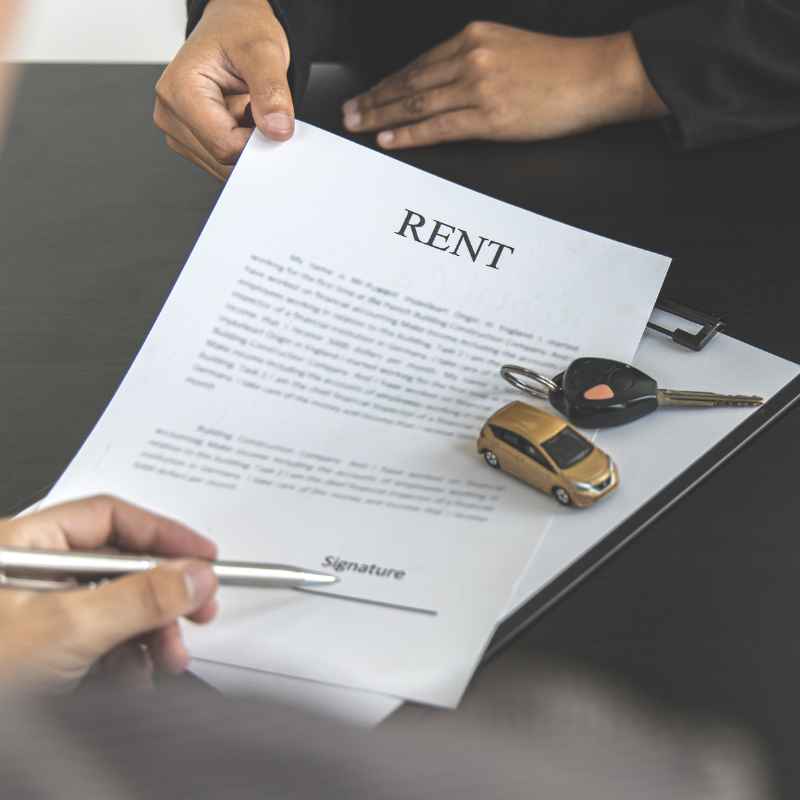
Will The Other Person’S Insurance Pay For A Rental Car?
The other person’s insurance may pay for a rental car if their driver was at fault for the accident. This coverage helps you get a temporary vehicle while yours is repaired or replaced. However, it depends on their policy and the state’s laws. You usually need to prove fault and that a rental is necessary.
Understanding Rental Car Coverage After an Accident
When you’re in a car accident, and it’s not your fault, you have rights. One of those rights often includes getting a rental car. This helps you keep your life moving. It means you can still get to work or take your kids to school. The goal is to put you back in the same position you were before the crash.
The other driver’s insurance company is the one responsible for these costs. This is true if their insured driver caused the accident. They have to cover damages. This includes the cost of a rental car. It’s part of making you whole again. This is also known as “loss of use.” It means you’ve lost the use of your car.
Why Does Insurance Cover Rental Cars?
Think about it this way: your car is unusable. You can’t go to your job. You can’t pick up your groceries. You can’t run errands. Your daily life is put on hold. Insurance coverage for a rental car bridges this gap. It provides a temporary solution. It’s a way to minimize the disruption to your life.
This coverage is typically found in the other driver’s liability insurance policy. Specifically, it falls under their “property damage liability” section. This part of their policy pays for damage they cause to other people’s property. Your car is considered property. A rental car is then a necessary expense due to that property damage.
How Fault Plays a Role
Determining fault is key. If the other driver is clearly at fault, their insurance should step up. If you were partly at fault, it can get more complicated. Some states have “comparative negligence” laws. This means you might still get some coverage. But it could be reduced by your percentage of fault.
In some cases, even if you think the other driver was fully at fault, their insurer might dispute it. They might argue you shared blame. This can lead to delays or denials. It’s why gathering evidence is so important. Witness statements and police reports help prove who was responsible.

My Own Rental Car Nightmare
I remember a fender bender a few years back. It was a busy Tuesday morning. I was on my way to a client meeting. Someone ran a red light and T-boned my driver’s side door. The impact wasn’t too bad, but my car was undriveable. The tow truck took it to the shop. I was left standing on the side of the road, feeling a bit dazed.
The police officer was great. He took statements and filed a report. He made it clear the other driver was in the wrong. I called my insurance company first, just to get the ball rolling. Then, I contacted the other driver’s insurance. That’s where the real headache began.
The claims adjuster sounded nice at first. “Don’t worry,” she said. “We’ll get you a rental.” But then she asked, “What kind of car do you need?” I said, “Just a standard sedan, please.” She paused. “Well,” she said, “our policy only covers rentals up to $30 a day. And it has to be from a specific rental company we partner with.”
I was shocked. A standard sedan usually costs more than $30 a day. Especially with all the taxes and fees. I felt a knot of panic in my stomach. My client meeting was the next day! I couldn’t miss it. This was supposed to be simple, but now it felt like a battle. I spent hours on the phone. I haggled with the adjuster. I looked up other rental places. It was exhausting.
Rental Car Coverage Limits Explained
Daily Limits: Most policies have a maximum amount they will pay per day. This might be $30, $40, or $50.
Total Limits: Some policies also have a maximum total amount for rental costs.
Rental Company Choice: The insurer might steer you to their preferred partners. You can often choose your own, but they may only pay up to their set limit.
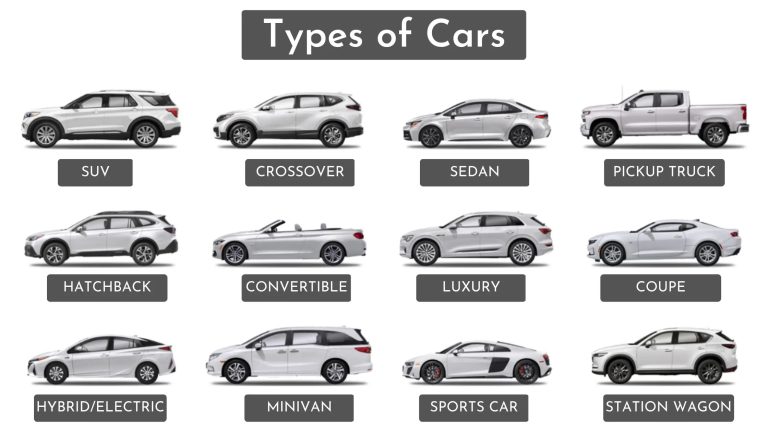
Type of Vehicle: Coverage usually limits you to a car similar to what you were driving. You typically can’t get a luxury SUV if you drive a compact car.
Duration: Coverage usually lasts only as long as your car is in the repair shop. If it’s totaled, there might be limits on how long they’ll pay for a rental.
The Importance of Your Own Policy
This experience taught me a valuable lesson. Relying solely on the other driver’s insurance can be risky. They might delay. They might offer less than what you need. This is why many people have “rental reimbursement” coverage on their own policy. It’s a small add-on. It can save you so much stress.
My own policy allowed for a higher daily rate. It also let me use any rental company I wanted. I ended up having to pay a little extra out-of-pocket. But it was much less than if I had no coverage at all. It was worth every penny to have peace of mind. And to get to my important meeting on time.
What Factors Affect Rental Car Coverage?
Several things can influence whether you get a rental car and how much the other driver’s insurance pays. It’s not always a simple “yes” or “no.” Understanding these factors helps you navigate the process.
1. The Other Driver’s Insurance Policy
Not all insurance policies are the same. The other driver’s coverage limits are important. Some policies have very basic property damage coverage. Others are more robust. If their policy doesn’t include rental car reimbursement, or if the limits are too low, you might be out of luck.
This is why it’s good to ask the claims adjuster about their policy specifics. Get it in writing if you can. Understand what their policy covers regarding rental vehicles. Don’t just take their word for it over the phone.
2. State Laws and Regulations
Each state has its own laws about car insurance. Some states require insurers to offer rental car coverage. Others do not. Laws can also dictate how long an insurer must provide a rental. They might also have rules about what types of vehicles are covered.
For example, in some states, if your car is declared a total loss, the insurer might only pay for a rental for a limited number of days. This is to give you time to find a replacement vehicle. Knowing your state’s laws can empower you.
State-Specific Insurance Rules
No-Fault States: In states like Florida or Michigan, your own insurance usually covers your damages, including a rental, regardless of fault, up to your policy limits.
At-Fault States: In most states, the driver who caused the accident is responsible for damages. Their insurance should cover your rental needs.
Minimum Coverage: State laws mandate minimum insurance coverage. However, these minimums might not be enough to cover a rental car fully.
3. The Severity of Damage
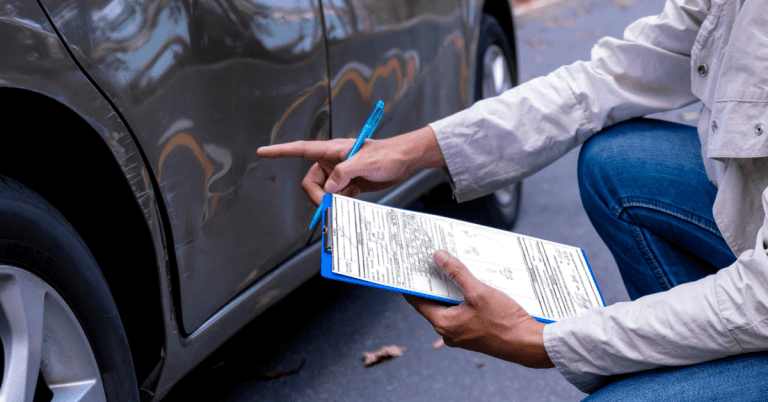
If your car has minor damage, like a scratched bumper, it might be repaired in a day or two. In such cases, the other driver’s insurance might decide a rental isn’t necessary. They might offer to pay for the repairs quickly. Or they might suggest you use alternative transportation for a short period.
However, if your car is significantly damaged, making it undriveable, a rental car becomes essential. This is where coverage is more likely to apply. The shop will give an estimate of how long repairs will take. This estimate often guides the rental duration.
4. Your Own Insurance Policy
As I mentioned, your own insurance can be a safety net. If you have comprehensive and collision coverage, you likely have rental reimbursement as an add-on. This coverage typically kicks in when your car is in the shop due to a covered claim.
Even if the other driver is at fault, you can sometimes use your own policy’s rental coverage. You would then file a claim with your insurer. They would likely seek reimbursement from the at-fault driver’s insurance. This can sometimes be faster. Your insurer knows the process well.
Rental Reimbursement on Your Policy
Cost: This is usually an affordable add-on to your auto insurance premium.
Daily Limit: You choose your daily coverage amount (e.g., $30, $50, $75).
Total Limit: There’s often a cap on the total number of rental days.
Usage: It typically covers rentals needed due to accidents, theft, or vandalism to your vehicle.
5. Totaled Vehicles
If your car is declared a “total loss,” it means the cost to repair it is more than its actual cash value. In this situation, the other driver’s insurance will pay you the market value of your car. They will also usually cover a rental car for a reasonable period. This gives you time to find a replacement vehicle.
The definition of “reasonable period” can vary. It might be 3-7 days after they offer you the settlement for your totaled car. It’s important to keep communication open. You don’t want to be without transportation when you’re trying to settle a totaled vehicle claim.
How to Get Your Rental Car Covered
Navigating the insurance process after an accident can feel overwhelming. Here’s a step-by-step guide to help you get your rental car covered by the other driver’s insurance.
Step 1: Secure a Police Report
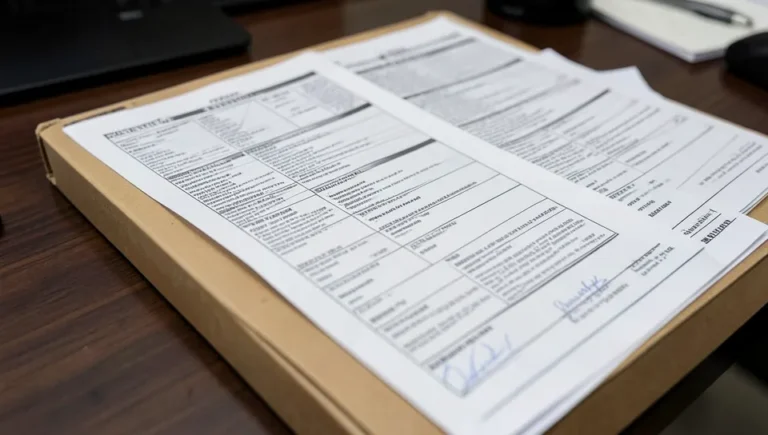
After an accident, if possible and safe, call the police. A police report is crucial. It documents the incident. It often includes details about who was involved and preliminary findings on fault. This report is strong evidence for the insurance companies.
If the police don’t come to the scene, you can often file a “no-incident” report yourself at the local police station. This still creates an official record of the event.
Step 2: Gather Information
Get the other driver’s name, address, phone number, and insurance company name. Also, collect their policy number. If there are witnesses, get their names and contact information too. Take pictures of the accident scene, the damage to both cars, and any relevant road signs.
This information is vital for your claim. The more details you have, the smoother the process will be.
Step 3: Contact the Other Driver’s Insurance Company
As soon as you can, file a claim with the at-fault driver’s insurance company. You can usually do this online or by phone. Be prepared to provide all the information you gathered.
Be honest and factual. Stick to the details of the accident. Don’t speculate or admit fault. Let the insurance adjusters determine fault based on the evidence.
Step 4: Discuss Rental Car Needs
When you speak with the claims adjuster, clearly state that you need a rental car. Explain why your vehicle is not drivable. Mention the impact on your daily life. For example, “I need a car to get to work, and my current vehicle is in the shop.”
Ask them about their rental car policy. Specifically, inquire about:
Daily rental limits
Total rental limits
Approved rental companies
Type of vehicle covered
How long they will cover the rental
Step 5: Choose a Rental Company
The adjuster might tell you to go to a specific rental company. They may have direct billing arrangements. However, you often have the right to choose your own rental agency. If you do, be aware of their daily limits. You might have to pay the difference if your choice is more expensive.
Always clarify who will pay the rental company. Will they bill the insurance company directly? Or will you pay, and then submit a reimbursement request? Direct billing is usually easier.
Step 6: Document Everything
Keep copies of all communication with the insurance company. Save rental car receipts, fuel receipts, and any other related expenses. If you have to pay for anything out-of-pocket, make sure you have documentation. This is crucial for any reimbursement claims.
Step 7: Follow Up Regularly
Don’t be afraid to follow up with the claims adjuster. Check on the status of your claim and the rental car authorization. Delays can happen. Staying in touch helps keep your case moving forward. Ask for an estimated timeline for repairs or a settlement if your car is totaled.
Quick Checklist for Rental Coverage
- Police Report: Get one if possible.
- Other Driver’s Info: Name, contact, insurance details.
- Claim Filed: Contact their insurance promptly.
- Rental Needs: Clearly state your need for a car.
- Policy Details: Ask about their rental coverage limits.
- Rental Choice: Understand your options and costs.
- Keep Records: Save all receipts and communications.
When the Other Driver’s Insurance Won’t Pay
It’s frustrating when you believe you’re entitled to a rental car, but the other driver’s insurance denies your claim. This can happen for several reasons.
Disputed Fault
If the insurance company believes their driver was not at fault, they will likely deny rental car coverage. They might believe you caused the accident. Or they might think fault is unclear. This is where a police report and witness statements become very important.
Sometimes, if there’s a dispute, you might have to wait for the insurance companies to investigate further. This can take time. You might need to file a claim under your own collision coverage if you have it.
Low Policy Limits
The at-fault driver might have chosen insurance with very low property damage liability limits. If the damage to your car is significant, their policy limits might be quickly exhausted by repair costs. In such cases, there might not be enough money left to cover a rental car.
If your car is totaled, their low limits might not even cover the actual cash value of your vehicle. In these situations, you might need to look into suing the driver personally for the remaining damages, though this can be a difficult process.
Rental Car is Not Deemed “Necessary”
The insurance company might argue that a rental car is not a “necessary” expense. This could happen if your car has very minor damage and can still be driven. Or if the repairs are expected to take only a few hours. They might suggest alternative transport, like public transit.
However, if your car is undriveable, it’s usually considered a necessary expense. This is especially true if you need a car for work.
Policy Exclusions
Every insurance policy has exclusions. These are specific situations or types of claims that are not covered. While rare for standard rental car coverage in an at-fault accident, it’s possible something in their policy could prevent coverage. Always ask for a clear explanation if your claim is denied.
What to Do if Your Rental Claim is Denied
- Review the Denial Letter: Understand the specific reason for the denial.
- Gather Your Evidence: Police report, photos, witness info.
- Contact Your Insurer: See if your own policy can help.
- Negotiate: Talk to the adjuster again, providing your evidence.
- File a Complaint: If you believe the denial is unfair, contact your state’s Department of Insurance.
- Consult an Attorney: A lawyer can advise you on your legal options.
When to Consider Hiring an Attorney
If the other driver’s insurance company is being difficult, denying your claim unfairly, or delaying the process significantly, it might be time to consult a personal injury attorney. An attorney can:
Review your case and advise you on your rights.
Communicate with the insurance company on your behalf.
Help gather evidence and build a strong case.
Negotiate a fair settlement.
Represent you in court if necessary.
Many personal injury attorneys offer free initial consultations. They often work on a contingency fee basis, meaning they only get paid if you win your case.
Real-World Scenarios and Solutions
Let’s look at a few situations to see how rental car coverage plays out.
Scenario 1: A Clear-Cut Accident
You’re stopped at a red light. The driver behind you is distracted and rear-ends you. Your car has significant damage to the bumper and trunk. It needs to go to a body shop for three days. The police report clearly shows the other driver at fault.
In this case, the other driver’s insurance should cover a rental car for those three days. They will likely direct you to a rental agency they work with. You’ll need to provide them with the police report and your repair estimate.
Scenario 2: A Multi-Car Pile-Up
You’re involved in a chain-reaction accident on the highway. It’s unclear who caused it initially. Several cars are damaged. The investigation takes a few days. The insurance adjusters eventually determine that Driver A is primarily at fault.
Driver A’s insurance should then cover your rental car. However, the process might be slower because of the complexity. It could take longer to get authorization. You might need to use your own collision coverage first and let your insurer deal with Driver A’s insurance.
Scenario 3: Minor Damage, Major Inconvenience
Your car has a dented fender and a broken taillight. It can still be driven safely. The repair shop estimates it will take two days. The other driver’s insurance might argue that a rental car isn’t necessary. They might offer a small sum for inconvenience.
If you rely on your car for essential travel, like commuting to a job that’s hours away, you can strongly make the case for a rental. You can provide proof of your commute or other essential travel needs.
Rental Car Considerations
Rental Agreement: Read the rental agreement carefully. Understand mileage limits, fuel policies, and prohibited uses.
Insurance: Your auto insurance may provide coverage for damage to the rental car. The at-fault driver’s property damage liability might also cover it, but confirm.
Tolls and Fees: Who pays for tolls, parking, and other fees incurred while using the rental car?
Geographical Limits: Some policies limit rental car use to within a certain radius of your home.
What This Means For You
The ability to get a rental car covered by the other driver’s insurance is a significant relief after an accident. It helps maintain your daily routine. It reduces the financial burden and stress.
When It’s Typically Covered
You can generally expect rental car coverage if:
The other driver was clearly at fault.
Your vehicle is undriveable due to the accident.
The damage requires your car to be in a repair shop.
Your state’s laws mandate or support such coverage.
When to Be Cautious or Proactive
Be prepared for potential challenges if:
Fault is disputed.
The other driver has minimal insurance.
The damage is very minor.
You are in a state with limited insurance requirements.
In these situations, consider using your own collision coverage if you have it. Or, ensure you have rental reimbursement on your own policy.
Simple Checks You Can Do
Before you need it, check your own auto insurance policy. Look for a line item called “Rental Reimbursement” or “Transportation Expense.” See what the daily limit is and the total number of days covered. This will give you peace of mind.
If you’re not sure, call your insurance agent. They can explain your coverage options. It’s a small cost for a big benefit.
Quick Fixes and Tips for Rental Cars
While not always “fixes,” here are some tips to make the rental process smoother.
Ask about direct billing: This saves you from paying upfront and waiting for reimbursement.
Understand fuel policies: Some companies want the car returned with a full tank. Others charge a premium for refueling. Choose what’s best for you.
Check for coupons or discounts: Rental companies and insurance companies sometimes offer special rates.
Inspect the rental car thoroughly: Before driving off, check for any existing damage and make sure it’s noted on the rental agreement. This protects you from being blamed.
Keep the rental car clean: Avoid excessive dirt or stains that could lead to cleaning fees.

Frequent Questions About Rental Cars After Accidents
Will the other driver’s insurance pay for a rental car if I have my own rental coverage?
Yes, usually. If the other driver is at fault, their insurance is primarily responsible for your damages, including rental car costs. You can use your own policy’s rental reimbursement first, and your insurer will likely seek reimbursement from the at-fault driver’s insurance.
This can sometimes be a faster process.
What if my car is totaled? How long will they pay for a rental?
If your car is declared a total loss, the insurance company will typically pay for a rental car for a reasonable period after they offer you a settlement. This period is usually a few days to a week, giving you time to shop for a replacement vehicle. The exact duration can vary by policy and state law.
Can I get a more expensive rental car than what I normally drive?
Generally, no. The other driver’s insurance will only cover a rental car that is similar in size and type to the vehicle you were driving before the accident. If you want to upgrade to a luxury car or a larger SUV, you will likely have to pay the difference in cost yourself.
Do I have to use the rental company the insurance suggests?
Not always. While insurance companies often have preferred rental partners, you usually have the right to choose your own rental agency. However, be aware that the insurance company will likely only pay up to their established daily rate.
You might be responsible for any amount exceeding that limit if you choose a more expensive agency.
What if the other driver has no insurance?
If the at-fault driver has no insurance, you generally cannot get a rental car paid for by them. In this situation, you would need to rely on your own insurance policy, specifically if you have uninsured motorist property damage (UMPD) coverage or collision coverage. Uninsured motorist bodily injury coverage would apply to medical expenses.
How quickly can I get a rental car approved?
Approval times can vary. If fault is clear and your vehicle is undriveable, you might get authorization within 24-48 hours after filing the claim. However, if fault is unclear, or if the insurance company is conducting a thorough investigation, it could take longer.
It’s best to follow up regularly with the claims adjuster.
Conclusion
After a car accident, the thought of arranging a rental car can add to the stress. Knowing that the other person’s insurance may cover your rental is a big help. The key is to understand how fault, policy limits, and state laws all play a part. Be prepared, gather your information, and communicate clearly with the insurance company. Sometimes, your own policy is your best friend in these situations. It’s all about getting back on the road safely and with minimal disruption.
Products related to this article
Sponsored / affiliate links. As an Amazon Associate I earn from qualifying purchases. I may earn additional commission from eligible campaigns.