Is Theft Covered In Car Insurance? What Your Policy Says
We will look at how car insurance handles theft. You’ll learn what to expect if your car is stolen. We’ll also talk about what your policy usually covers and what it might not — see our related guide, Is Theft Covered by Car Insurance.
Understanding this can save you a lot of stress.
Yes, car insurance can cover theft, but it depends on your coverage type. Comprehensive insurance is what typically pays out if your car is stolen. If you only have liability coverage, it won’t cover theft.
It’s crucial to check your policy details.
Understanding Car Insurance and Theft
Car insurance is a safety net for many driving problems. One of those problems can be theft. When a car is stolen, it’s a big loss.
It’s not just the car itself. It’s also the disruption to your life. You need to get around.
You might have personal items in the car.
Most standard car insurance policies have different types of coverage. These include liability, collision, and comprehensive. Liability covers damage you cause to others.
Collision covers damage to your car from an accident. Comprehensive covers other things. This includes theft, vandalism, fire, and natural disasters.
So, if you want theft to be covered, you need comprehensive insurance. Without it, you’re on your own.
The cost of comprehensive coverage varies. It depends on your car’s value — new cars, in particular, are often significantly more expensive to insure — as well as where you live and your driving history.
Many people think about theft coverage only when it happens. But it’s wise to know this before you need it. It helps you make good choices about your insurance.
My Own Close Call With Car Theft
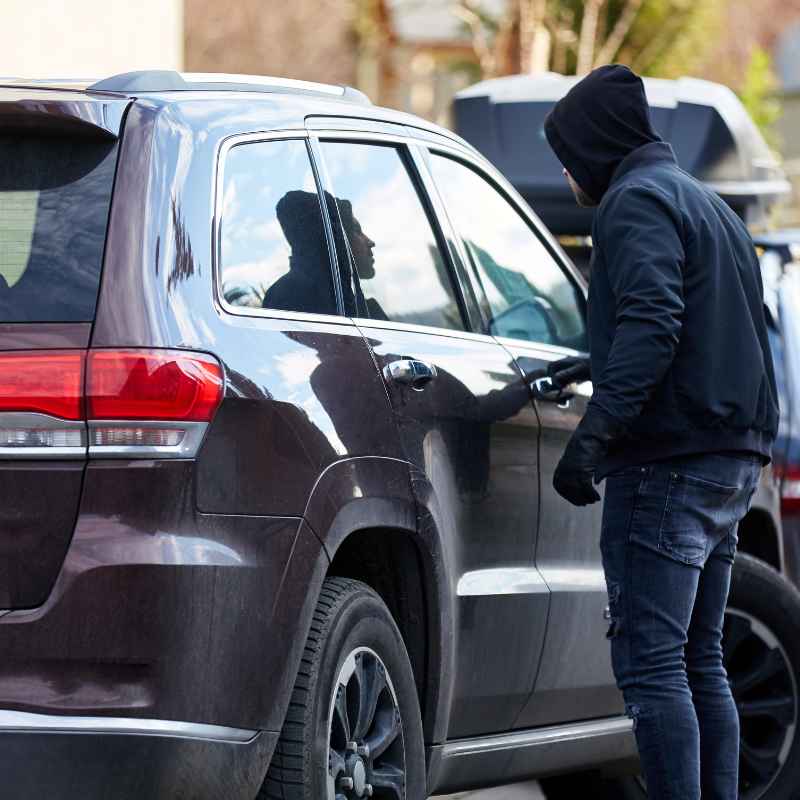
I remember one crisp autumn evening a few years back. I was visiting friends in a part of town I didn’t know well. I parked my older but trusty sedan on a dimly lit street.
It was late, and I was tired. I double-checked that the doors were locked. I walked away, not giving it another thought.
It was a mistake I won’t soon forget.
The next morning, I went to leave. My heart sank. The spot where my car had been was empty.
Just a blank space on the curb. A wave of panic washed over me. My mind raced.
Had I forgotten where I parked? No, I was sure. Then the chilling thought hit me: it was stolen.
I felt sick. My car wasn’t brand new, but it was my lifeline. It had my gym bag, some work papers, and sentimental items.
I immediately called the police. Then came the call to my insurance agent, my hands shaking.
That experience taught me a hard lesson. It’s not just about the money. It’s about the feeling of violation and the hassle.
Thankfully, my comprehensive insurance kicked in. It made the process much less painful. But it also made me realize how many people might not have that coverage.
Or they might not understand it.
Understanding Policy Types
Comprehensive Coverage: This is the key. It covers damage to your car from events other than collisions. Theft falls under this umbrella.
It’s an optional add-on for most policies.
Liability Coverage: This covers damages you cause to others. It does not cover your own car if it’s stolen.
Collision Coverage: This covers damage to your car from accidents. It does not cover theft.
How Comprehensive Insurance Works for Theft
So, you have comprehensive insurance. Your car is stolen. What happens next?
The first step is always to report it to the police. You’ll need a police report number. This is very important for your insurance claim.
The police will investigate. Sometimes, cars are found quickly. If it’s found, your insurance might cover any damage it sustained while stolen.
If the car is not found, your insurance company will proceed with the claim. They will likely ask for details about the theft. They will also review your policy.
They will check your deductible. A deductible is the amount you pay first. Your insurance pays the rest.
For example, if your deductible is $500 and your car is valued at $10,000, you would pay $500. The insurer would then pay $9,500.
The payout amount is usually based on the actual cash value (ACV) of your car. This means the value of your car right before it was stolen. It takes into account depreciation.
It’s not the price you paid for it. Or the price of a brand-new replacement. Insurance companies use guides like Kelley Blue Book or NADA guides.
They also consider the car’s condition and mileage.
Some policies offer
Quick Scan: Theft Coverage Essentials
| Coverage Type | Covers Theft? |
|---|---|
| Comprehensive | Yes |
| Collision | No |
| Liability | No |
What If Your Car Is Recovered?
Sometimes, the police find stolen cars. This can happen quickly or after some time. If your car is recovered, your insurance claim might change.
The insurance company will assess the car’s condition. They will check for any damage. This could be from the thieves or from being driven carelessly.
If there’s damage, your comprehensive coverage will likely pay for the repairs. Again, your deductible will apply. You will pay your deductible amount.
The insurer will cover the rest. If the car is recovered and in good condition, there might not be much of a payout. But you still get your car back.
However, if the car is recovered and badly damaged, it might be declared a total loss. This means the cost to repair it is too high. It’s more than the car’s value.
In this case, the insurance company will treat it as if the car wasn’t found. They will pay you the actual cash value, minus your deductible. You would then typically hand over the damaged car to the insurer.
It’s important to work closely with your claims adjuster. They will guide you through the process. They will explain what happens with your recovered vehicle.
They will also explain your options. This includes whether to accept the payout or keep the car if it’s not a total loss and you want to fix it yourself (which is rare).
Common Exclusions and Limits
While comprehensive insurance is broad, it’s not limitless. There are common exclusions. These are things your policy might not cover, even with comprehensive insurance.
One big one is if you lent your car to someone. If that person steals it, your insurance might deny the claim. It’s usually for theft by people you don’t know.
Another exclusion can be if you left your keys in the car. Or if the car was left unlocked. This shows a lack of reasonable care.
Insurance companies expect you to take basic steps to prevent theft. Leaving your car running and unattended is also a common exclusion.
Also, many policies have limits on personal items. If your car is stolen with your laptop, expensive tools, or other valuables inside, your auto insurance might not cover it fully. Your homeowner’s or renter’s insurance might cover these items.
But there are often deductibles and limits there too. Always check the specifics of both policies.
Some policies also limit coverage for custom parts. If you added expensive stereo systems, custom wheels, or performance upgrades, these might not be fully covered. You might need to add specific endorsements to your policy to cover these.
This is something to discuss with your insurance agent when you customize your car.
Contrast: Theft Coverage Realities
Myth: My car insurance will always
Reality: Most policies pay the actual cash value (ACV) of your car before it was stolen. This means it accounts for depreciation.
Myth: If my car is stolen, my insurance will cover all my personal belongings inside.
Reality: Auto insurance has limited coverage for personal items. Homeowner’s or renter’s insurance might cover more, but with its own limits and deductibles.
The Role of Your Deductible
Your deductible is a very important part of any theft claim. It’s the amount you agree to pay out-of-pocket. The insurance company pays the rest.
For comprehensive coverage, deductibles can range from $100 to $1,000 or more. A higher deductible usually means a lower premium. A lower deductible means a higher premium.
Let’s say your car is stolen and valued at $15,000. You have a comprehensive deductible of $500. The insurance company will pay $14,500.
If your car is stolen and valued at $400, and you have a $500 deductible, the insurance company may not pay anything. Your deductible is more than the car’s value. In this case, the claim might not be worth filing.
It’s wise to choose a deductible you can comfortably afford. Think about what you would do if you had to pay that amount suddenly. If you can’t afford a high deductible, a lower one might be better.
Even though your premium will be higher. It provides better financial protection in an emergency.
Always review your policy documents. They will clearly state your deductible amount for comprehensive claims. This is usually listed on your policy declarations page.
Knowing this number upfront is key. It helps manage your expectations when filing a claim.
Factors Affecting Your Coverage Amount
The amount your insurance company pays for a stolen car isn’t a fixed number. It depends on several things. The most significant factor is the actual cash value (ACV) of your vehicle.
This is what the car was worth right before the theft occurred.
Age of the car: Older cars are worth less due to depreciation. So, the payout will be lower. Mileage: High mileage can also reduce a car’s value.
Condition: The general wear and tear affect the value. A well-maintained car is worth more. Market value: The demand for your specific car model in your area plays a role.
Customizations: If you added aftermarket parts, their value might be considered, but only if you have coverage for them.
If your car is financed, the lender might have specific requirements. They may want to be paid first from any settlement. This is important to know.
You might owe more on the loan than the car’s value. This is called being “upside down” on your loan. Some insurance policies offer gap insurance.
This covers the difference between what your car is worth and what you owe.
It’s a good idea to regularly review your car’s value. You can use online tools. This helps you understand what you might receive if the worst happens.
It also helps you decide if you need better coverage. Or if you should add gap insurance.
What Happens to Your Loan if Your Car is Stolen?
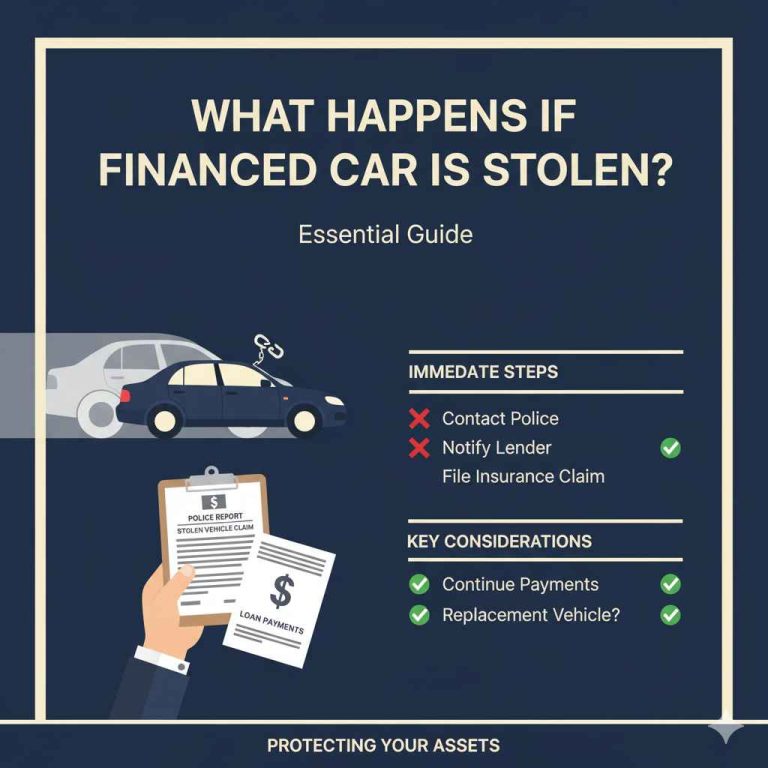
If you have a loan on your stolen car, things get a bit more complicated. Your insurance payout will first go to the lienholder (your lender). This is up to the amount you owe on the loan.
If the payout is less than what you owe, you still have to pay the remaining balance. This is why gap insurance is so valuable.
Gap insurance stands for Guaranteed Asset Protection. It bridges the financial gap between the ACV of your car and the amount you owe on your loan. For example, if your car is worth $12,000 but you owe $15,000, gap insurance would cover that $3,000 difference.
This prevents you from owing money on a car you no longer have.
It’s important to check if your policy includes gap insurance. If not, you can usually add it. It’s often quite affordable.
Especially compared to the cost of owing thousands of dollars on a car that was stolen. Not all lenders require gap insurance, but it’s highly recommended if you have a significant loan balance.
If your car is recovered and declared a total loss, the insurance settlement will still go to the lender first. Any remaining funds would then go to you. If the car is recovered and repairable, the repairs are made.
Then you continue making your loan payments as usual. The lender has a vested interest in the car until the loan is paid off.
Preventing Car Theft: Proactive Steps
While insurance is a safety net, preventing theft is even better. There are many steps you can take. Some are simple and free.
Others involve a small investment.
Always lock your doors. This sounds obvious, but people sometimes forget. Don’t leave your keys in the car.
Never leave the engine running and unattended. Park in well-lit areas. Thieves prefer to work in the dark.
Install an anti-theft device. This could be a steering wheel lock, a kill switch, or an alarm system. Use a car immobilizer.
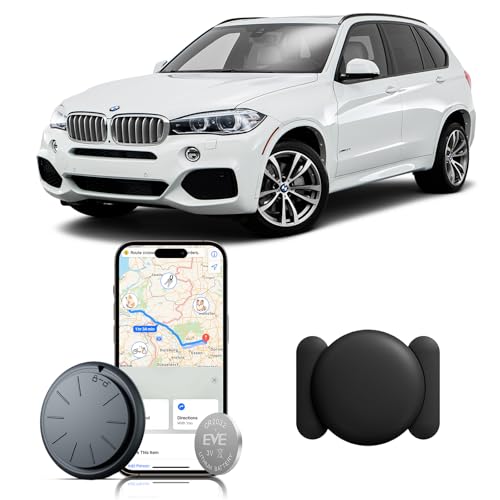
Many modern cars have these built-in. Consider a tracking system. If your car is stolen, a GPS tracker can help police find it.
Don’t leave valuables visible. Keep bags, electronics, and other items out of sight. Put them in the trunk before you arrive at your destination.
These steps can significantly reduce the risk of your car being targeted. They show you’re taking precautions. This can deter opportunistic thieves.
Think of these as small investments in your car’s safety. They are often cheaper than dealing with the aftermath of a theft.
Observational Flow: Theft Prevention Actions
- Start with the Basics: Always lock your doors. Never leave keys inside.
- Choose Wisely: Park in safe, visible spots. Well-lit areas are best.
- Deterrent Devices: Use steering wheel locks or alarms. They make your car a harder target.
- Hide Valuables: Keep all your belongings out of sight. Use the trunk.
- Technology Aids: Consider GPS trackers or immobilizers for extra security.
When is Theft Coverage Not Enough?
Even with comprehensive coverage, there are scenarios where the payout might not be what you hoped for. As mentioned, the actual cash value (ACV) is a major factor. If you drive an older car that has depreciated significantly, the ACV might be quite low.
The payout might not be enough to buy a comparable replacement car.
Another situation is having a very high deductible. If you chose a $1,000 deductible, and your car is valued at $1,500, you would only receive $500. This is often not practical.
It might be less than the hassle of the claim itself.
The condition of your car also matters. If your car was already in poor condition with many miles, its ACV will be lower. The insurance payout will reflect that.
It’s important to be realistic about the value of your vehicle. Insurance is designed to restore you to your financial position before the loss. It’s not designed to make you richer.
Furthermore, if you have a very specific or rare car, like a classic car, standard comprehensive coverage might not be adequate. These vehicles often require specialized insurance policies. These policies account for their unique value and market.
Always discuss any special vehicles with your insurer.
What If Your Car Is Stolen Abroad?
This is a less common but important consideration. If you drive your car into Canada or Mexico, your U.S. auto insurance policy might offer some coverage for theft.
However, this is not guaranteed. Many U.S. policies have limitations on foreign travel.
You need to confirm this with your insurance provider before you leave.
Coverage can vary greatly. Some policies might extend comprehensive coverage. Others might only cover liability.
If you’re traveling internationally, it’s wise to purchase local insurance. This ensures you are adequately covered. It also avoids potential legal and financial complications.
Renting a car abroad is different. Rental car companies offer their own insurance. This can include theft protection (often called Collision Damage Waiver or Loss Damage Waiver).
If you have comprehensive coverage on your own car, it might extend to rental cars. But again, always check your policy details and the rental agreement.
If your car is stolen in a foreign country, you’ll need to work with local authorities. You’ll also need to contact your insurance provider immediately. Be prepared for potential language barriers and different claim processes.
Tips for Filing a Car Theft Claim
When your car is stolen, you’ll need to file a claim. Here are some tips to make the process smoother:
Act Quickly: Report the theft to the police immediately. Then, contact your insurance company as soon as possible. The sooner you report, the sooner they can start the claim process.
Gather Information: Have your policy number ready. Provide the police report number. Be prepared to give details about the car (make, model, year, VIN).
Also, list any personal items that were inside.
Be Honest and Detailed: Provide accurate information about the theft. Don’t leave out important details. Insurance adjusters are trained to spot inconsistencies.
Honesty builds trust.
Document Everything: Keep copies of all paperwork. This includes the police report, claim forms, and any correspondence with the insurance company. Take photos if there is any damage if the car is recovered.
Understand Your Deductible: Know the amount of your deductible. Be ready to pay it when the claim is settled.
Ask Questions: Don’t hesitate to ask your claims adjuster questions. Understand the process, timelines, and payout calculations — see our full breakdown of the 30-45 day claims timeline and payout math. It’s your right to know.
Know Your Car’s Value: Have an idea of your car’s actual cash value before you talk to the adjuster. This will help you assess their offer.
Filing a claim can be stressful. By being prepared and organized, you can navigate it more effectively. Remember, the goal of insurance is to help you recover from unexpected losses.

Common Questions About Car Theft Insurance
Frequently Asked Questions
What type of car insurance covers theft?
Comprehensive car insurance is the type that typically covers theft. It covers damage to your vehicle from events other than collisions, including theft, vandalism, fire, and natural disasters.
How much will I get if my car is stolen?
The payout amount is usually based on the actual cash value (ACV) of your car at the time of the theft. This takes into account depreciation, mileage, and the car’s condition.
Do I need to pay a deductible if my car is stolen?
Yes, you will typically have to pay your comprehensive insurance deductible. Your insurance company will pay for the car’s value minus your deductible amount.
What if my stolen car is recovered with damage?
If your car is recovered and damaged, your comprehensive coverage will likely pay for the repairs, minus your deductible. If the damage is extensive, it might be declared a total loss.
Does insurance cover personal items stolen from my car?
Auto insurance has limited coverage for personal items. Your homeowner’s or renter’s insurance might offer better coverage for these items, but check their specific limits and deductibles.
What happens if I owe more on my car loan than it’s worth?
If your car is stolen and you owe more than its value, you could be in a difficult situation. Gap insurance is designed to cover this difference, preventing you from owing money on a car you no longer have.
Final Thoughts on Theft Coverage
Dealing with a stolen car is a tough experience. Knowing your insurance policy is crucial. Comprehensive coverage is your best friend here.
It provides the financial protection you need. Always review your policy details. Understand your deductible and any limits.
Taking steps to prevent theft is also smart. It adds an extra layer of security. By being informed, you can feel more prepared.
This helps ease the worry. It ensures you have the right coverage when you need it most.
Products related to this article
Sponsored / affiliate links. As an Amazon Associate I earn from qualifying purchases. I may earn additional commission from eligible campaigns.