Does Car Insurance Cover Death of Owner: Essential Insights
Imagine this: a loved one has passed away, and amidst the grief, you’re left wondering about the practical matters. One pressing question may be, “Does car insurance cover the death of the owner?”
It’s a topic that might not cross your mind often, but understanding it is crucial. You deserve peace of mind, knowing how your insurance policy can support you during such challenging times. This article will unravel the complexities and give you the clarity you need.
You’ll discover not only the basics but also the hidden aspects that many overlook. Keep reading to find out how car insurance might play a role in your financial security and what steps you can take to ensure your policy offers the protection you need.
Car Insurance Basics
Car insurance helps cover costs if accidents happen. Different types offer various protections. Liability coveragepays if you hurt someone or damage property. Collision coveragefixes your car after crashes. Comprehensive coveragecovers non-crash events, like theft or fire. Personal injury protectionhelps pay medical bills. Uninsured motorist coverageprotects if the other driver has no insurance.
Types Of Coverage
Each coverage type has its own purpose. Liability is often required by law. Collision and comprehensive are optional but useful. Personal injury protection can save money on medical costs. Uninsured motorist coverage is also important for protection.
Common Exclusions
Not everything is covered by car insurance. Some common exclusions include intentional damage or using the car for business. Racing or illegal activities are usually not covered. Death of the owner often needs special policies. Always read your policy carefully.
Life Insurance Vs Car Insurance
Life insurancehelps families when someone dies. It gives money to the family. This helps them pay for things. Car insuranceprotects cars. It pays when cars crash or get damaged. These two insurances have different jobs.
Life insurance works when people die. It doesn’t depend on how they die. Car insurance works when accidents happen. It pays for car repair. It helps when cars get stolen too.
Death Of Owner Scenarios
Car accidents can be very dangerous. Accidental death coverage is very important. Some car insurance policies include this. If the owner dies in a crash, the insurance might help. It can pay for medical bills. It can also help with funeral costs. Family members might get financial support. This can be very helpful. Always check your policy details. Knowing what is covered is very important.
Sometimes people die from natural causes. This is different from accidents. Car insurance usually does not cover this. Most policies focus on accidents. If the owner dies naturally, the policy might not help. It’s important to read the insurance details. Some people buy life insurance. This can cover natural death. Always talk to an insurance agent. Ask what your policy covers. They can explain the details.
Policy Terms And Conditions
Reading the fine print is crucial. Insurance policies have hidden details. These details affect coverage. Many people skip reading them. This can lead to surprises. Important surprises. Always check for exclusions. Exclusions limit what the insurance covers. Some policies do not cover death. Others might have conditions for coverage. Conditions like how death occurs.
Beneficiary designations are key in car insurance. They decide who gets benefits. If the owner dies, the beneficiary gets the payout. Sometimes, policies list multiple beneficiaries. Ensure names are correct. Incorrect names cause problems. Problems like delayed payouts. Always update beneficiary details. Update them when needed. This avoids future issues.
Claims Process
Car insurance may include coverage for the owner’s death. Policies differ, so check specific terms. Understanding your policy helps in knowing potential benefits for survivors.
Filing A Claim
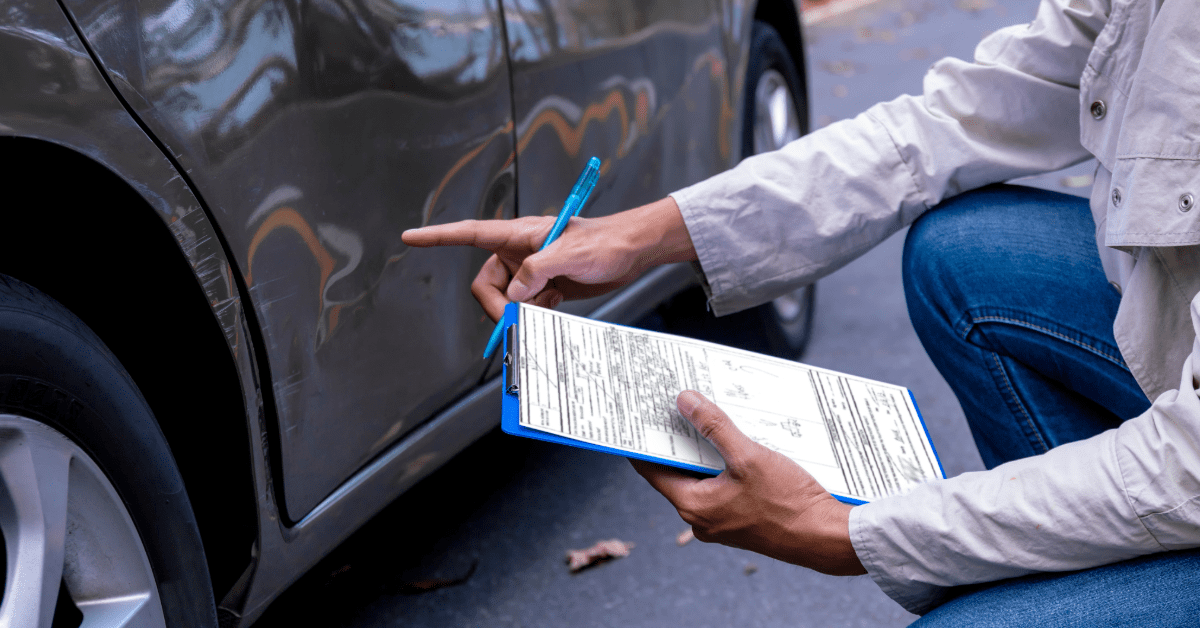
Filing a claim can be confusing. First, contact your insurance company. Tell them about the accident. They will guide you through the steps. You will need to fill out forms. Provide details about the accident. Insurance companies often have claim forms online. Submit the completed form. An agent will review your claim.
Required Documentation
Gather important documents. These include your car insurance policy. The police report is needed too. Also, provide medical records if available. Proof of car ownership is necessary. Keep receipts for repairs or expenses. Insurance might ask for photos of the damage. Be sure to have all papers ready. This helps speed up the process.
Legal Considerations
The death of a car owner brings many legal tasks. One big task is settling the person’s estate. An estate includes all that the person owned. Family members or friends might need to handle this. They might need help from lawyers. The insurance money might help with debts. But it does not replace the owner. It just aids in settling their affairs.
Heirs are the people who get things from the owner. Car insurance might not give money to heirs. It might cover other costs. Heirs might receive the car itself. They might also take on the owner’s debts. Understanding the insurance policy is important. It helps heirs know what to expect.
Financial Implications
Car insurance costs can change if the owner passes away. The insurance company might change the premium. This means the amount paid for the insurance may go up or down. The new premium depends on the person who takes over the policy. They might have a different driving record. This record affects the cost. If a family member takes over, the premium could stay the same. But if a stranger takes over, the cost may change. Insurance companies look at many things to decide the new cost. These include the new owner’s age, driving history, and car type.
Planning for the future is important. Families should talk about who will take over the car and insurance. This helps to avoid surprises. Knowing who will be responsible can make the transition easier. It’s good to check the policy regularly. Make sure it meets the needs of the new owner. Planning helps avoid unexpected costs. It can also provide peace of mind.

Credit: www.peakesinsurance.com
Alternative Coverage Options
Basic car insurance may not cover death. Supplemental policies can help. These policies give extra protection. They cover accidents and more. Families find them useful. They provide financial support when needed. Choose the best policy for your needs. Check what each policy offers.
Some companies offer combined packages. These packages include life insurance. They cover car accidents and death. Combined packages are easier to manage. They save time and money. Review each option carefully. Make sure it fits your needs. Ask questions if unsure. Always read the policy details.

Credit: www.pyferreese.com
Frequently Asked Questions
Does Car Insurance Cover Owner’s Death?
Car insurance typically covers accidents, but not the death of the owner. Life insurance is designed for covering death-related expenses. Review your policy or consult your insurer to understand specific coverage details related to accidents or injuries.
What Happens To Car Insurance After Owner’s Death?
After an owner’s death, the car insurance policy may be transferred to a legal heir. Contact the insurance provider for guidance on documentation required for transfer. Ensure all necessary paperwork is completed promptly to maintain coverage.
Can Beneficiaries Claim Car Insurance After Death?
Beneficiaries cannot claim car insurance directly after the owner’s death. However, they may claim life insurance benefits if applicable. Ensure that you understand the difference between car and life insurance policies for correct claims.
Is Life Insurance Needed For Car Owners?
Life insurance is recommended for car owners to cover expenses after death. It provides financial security for beneficiaries and covers debts, including car loans. Evaluate your needs and consider appropriate life insurance coverage.
Conclusion
Car insurance policies vary widely. Some offer death benefits. Others don’t. Understanding your policy is crucial. Review your coverage details carefully. Talk to your insurance agent. Ask questions about death coverage. It’s important for your peace of mind. This helps in planning for unexpected events.
Policies may require specific add-ons. Consider adding life insurance for extra protection. It complements your car insurance. Always keep loved ones informed. They should know about your coverage details. This ensures they can act promptly if needed. Make informed decisions.
Protect your family’s future.