Can You Drive a Car Without Insurance? Laws, Fines & Risks
No — driving a car without insurance is illegal in 49 states; only New Hampshire has no mandatory-insurance law, and even there you must prove you can cover damages yourself. Get caught, and you risk fines from $50 to $1,500+, a license suspension, and years of mandatory SR-22 filing. This guide covers state-by-state penalties, what an at-fault accident costs with no coverage, and when simply owning an uninsured car is still legal.
What Are the Legal Requirements for Car Insurance?
Each state sets its own minimum car insurance requirements, but nearly all of them require some level of liability coverage before you can legally drive. New Hampshire is the only state that does not mandate auto insurance — instead, it requires drivers to prove financial responsibility (typically a bond of $50,000 or more) if they’re at fault in an accident. Virginia used to offer a similar workaround, an uninsured-motor-vehicle fee, but it eliminated that option on July 1, 2024, and now requires insurance statewide with electronic verification. For a full breakdown of exactly what type and amount of coverage every state requires, see our guide to whether car insurance is mandatory in the USA.
| Question | New Hampshire | Every Other State + Washington, D.C. |
|---|---|---|
| Is insurance mandatory? | No | Yes |
| What’s required instead | Proof of financial responsibility (typically a $50,000+ bond) if you cause an accident | State-set minimum liability insurance, carried at all times you drive |
| Recent change | None | Virginia closed its uninsured-vehicle fee loophole on July 1, 2024 — insurance is now required there too |
Financial Risks of Driving Without Insurance
Driving without insurance poses real financial risk because you have no policy standing between you and the full cost of an accident. Every dollar of damage, medical care, or legal exposure becomes your personal responsibility instead of your insurer’s.
Accident Costs
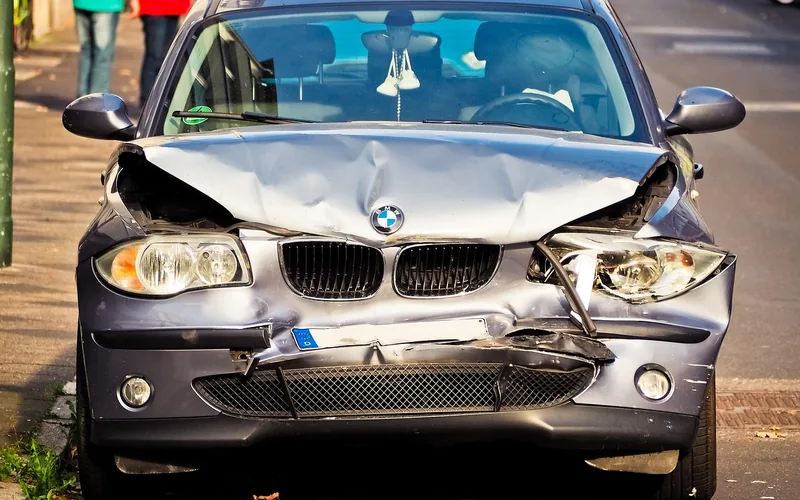
If you cause an accident with no insurance, you pay out of pocket for every cost it creates — your own medical bills, the other driver’s medical bills, vehicle repairs, a rental car, and any property damage. Because these costs aren’t capped by a policy limit, a single serious crash can easily exceed what most people can pay from savings.
Damage Liability
Without insurance, you’re personally liable for damage to other vehicles and property, and there’s no insurer to negotiate or pay on your behalf. If you can’t cover the bill, the other party can sue you directly, and a judgment against you can lead to wage garnishment or a lien on your assets until it’s paid off.
Personal Consequences
Beyond the financial exposure, driving without insurance carries direct legal consequences the moment you’re stopped or involved in an accident — fines, license suspension, and sometimes vehicle impoundment.
License Suspension
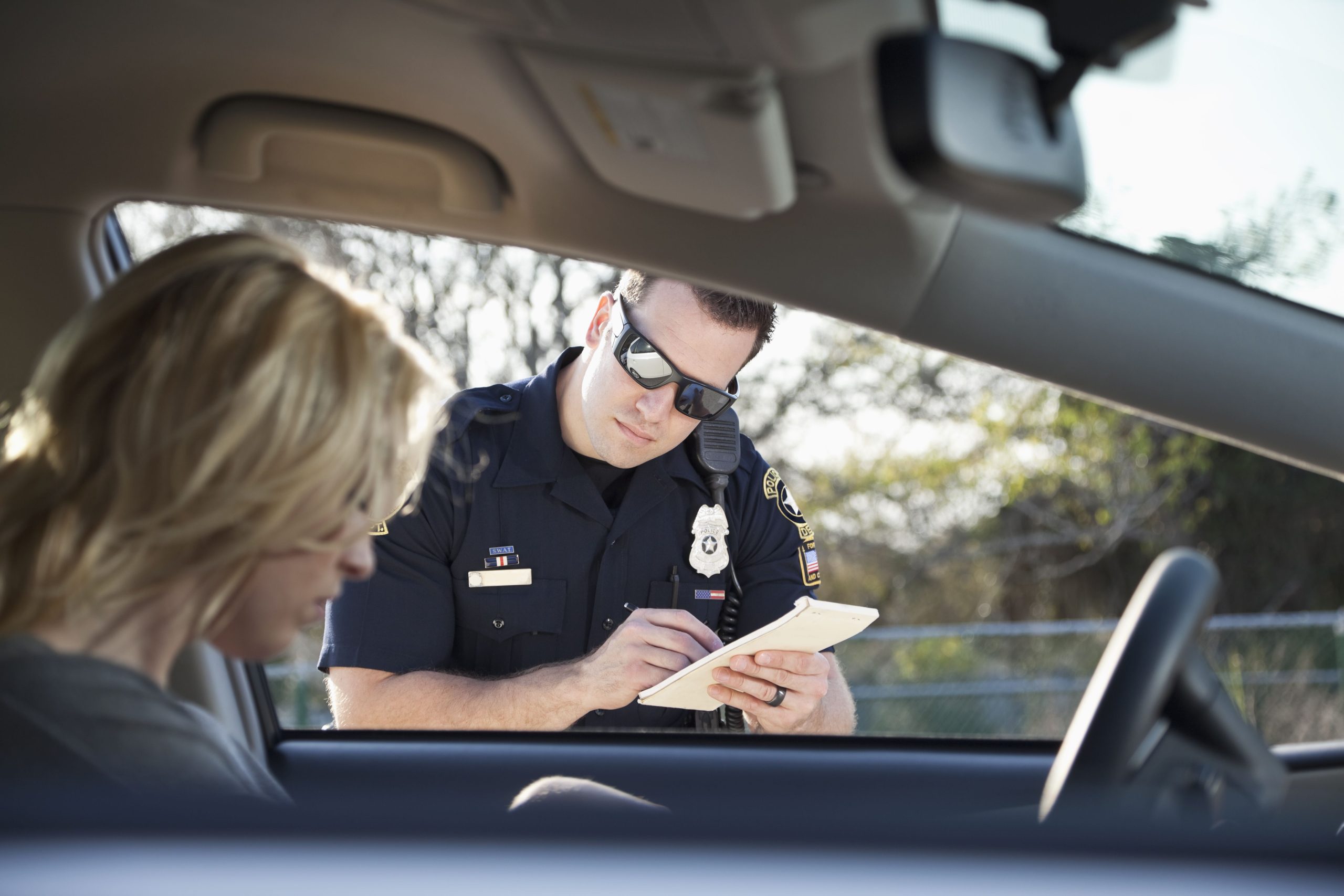
If police confirm you’re driving without insurance, most states suspend your license on the spot, even for a first offense — typically for 30 to 180 days. Driving on a suspended license compounds the problem, often adding new fines or a short jail term. Reinstating your license usually requires proof of current coverage plus a reinstatement fee.

Fines
First-offense fines for driving without insurance vary widely by state — from as little as $10 to $100 in the most lenient states, up to $1,500 or more in stricter ones, plus separate court and reinstatement fees. The table below groups typical first-offense penalties by severity tier.
| Severity Tier | Example States | Typical First-Offense Fine | License Suspension |
|---|---|---|---|
| Lower-penalty states | Wisconsin, Arkansas, North Carolina, Idaho | $10–$100 | Often none or short-term |
| Mid-range states | National midpoint for most states | $500–$1,000 | 30–180 days |
| Strict-penalty states | Mississippi and similar states | $1,000+ (up to $5,000 for repeat offenses) | Up to 1 year, plus mandatory SR-22 |
📊 14.0% of U.S. motorists — about 1 in 7 drivers — were uninsured in 2022, according to a 2023 Insurance Research Council study. Source: Insurance Information Institute (III), 2023
Impact on Others
Driving uninsured doesn’t just put your own finances at risk — it shifts real cost onto whoever you hit. Without your insurance to pay a claim, the other driver may have to cover their own vehicle repairs and medical bills out of pocket, or rely on their own uninsured motorist coverage (if they carry it) while trying to recover the cost from you directly.
Medical bills in particular need to be paid quickly regardless of who’s at fault. Without an at-fault driver’s insurance to step in, an injured person may face delayed treatment or mounting debt while a settlement or lawsuit against you plays out — a process that can take months or years.
Is It Legal to Own a Car Without Insurance If You Don’t Drive It?
Yes, in most states — owning an uninsured car is legal as long as it’s never driven on a public road. A vehicle parked entirely on private property, like a garage or driveway, generally doesn’t need active insurance, since the legal requirement is tied to operating a vehicle on public roads, not simply possessing one.
The catch is registration: most states require proof of insurance to keep a vehicle actively registered, so storing a car uninsured usually means switching it to a non-operational or storage registration status with your state’s DMV instead. Some counties also have local ordinances restricting unregistered or uninsured vehicles parked in driveways, so it’s worth checking local rules too. The insurance requirement can also shift the moment someone else drives the car — for the rules on that specific situation, see is it legal to drive someone else’s car.
Insurance Alternatives
If you can’t get a standard policy, a few legal alternatives exist to keep you covered and compliant.
High-risk pools are state-run programs for drivers who’ve been turned down by regular insurers, usually because of multiple accidents or violations. Coverage through a high-risk pool costs more than a standard policy, but it satisfies your state’s legal requirement while you rebuild a clean driving record.
Non-owner insurance is designed for people who don’t own a car but occasionally drive one — a borrowed or rented vehicle, for example. It’s typically cheaper than a standard policy and provides liability coverage between trips, which also makes it the standard way to satisfy an SR-22 requirement if you don’t own a vehicle. Once you do have a policy in place, deciding how much protection to add — for instance, weighing full coverage against comprehensive coverage — is the next decision worth getting right. If you’re insuring a car you just bought, the rules can differ in the first few days — see can I drive a new car home without insurance.
Long-Term Effects
A no-insurance violation doesn’t end when the fine is paid — it can follow you financially for years afterward.
Credit Score Impact
Driving without insurance can indirectly hurt your credit score. If an accident leaves you with large, unpaid medical or repair bills, those debts can go to collections, and collections accounts can lower your credit score for years — making it harder to get loans or sign rental agreements.
Future Insurance Rates
A gap in coverage or a no-insurance conviction makes future insurance more expensive. Insurers check your coverage history when you apply, and a visible lapse signals higher risk — which typically means higher premiums for years afterward. Keeping continuous coverage, even a minimal policy, is usually cheaper in the long run than letting it lapse.
Uninsured Motorist Coverage
Uninsured motorist coverage protects you if the other driver in an accident has no insurance — it pays your medical bills and vehicle repairs when there’s no other policy to collect from. Given that roughly 1 in 7 drivers nationwide is uninsured, this coverage fills a real, common gap.
Requirements vary by state: some states require insurers to include uninsured motorist coverage on every policy, while others only require it be offered so you can decline it in writing. Check your state’s specific rule with your insurer or state insurance department, such as the National Association of Insurance Commissioners (NAIC), before assuming you’re covered.
How to Avoid Driving Uninsured
Most no-insurance violations happen because a policy lapsed, not because a driver chose to go without coverage. These steps keep that from happening.
- Compare quotes from several insurers: Get quotes from at least three to four companies before your policy renews — prices for identical coverage can vary significantly between insurers.
- Ask about every discount you qualify for: Safe-driver, bundling, low-mileage, and defensive-driving-course discounts can meaningfully lower your premium.
- Look into installment or pay-per-mile plans: If a lump-sum premium is the barrier, ask insurers about monthly installment plans or usage-based, pay-per-mile policies.
- Check your state’s assistance programs: Some states and local community organizations offer low-income auto insurance assistance — check with your state’s department of insurance.
- Set a renewal reminder: Mark your calendar two to three weeks before your policy expires so a missed payment or renewal never turns into an accidental lapse.

Frequently Asked Questions
Is It Illegal to Drive Without Insurance?
Yes. Driving without insurance is illegal in every state except New Hampshire, which instead requires proof you can cover damages yourself. In the other 49 states and Washington, D.C., you must carry at least the state’s minimum liability coverage any time you operate a vehicle on a public road.
What Happens If You Get Caught Driving Without Insurance?
You’ll typically face a fine, and many states suspend your license on the spot, even for a first offense. Some states also impound the vehicle until you show proof of insurance and pay a reinstatement fee. Repeat violations bring steeper fines, longer suspensions, and a multi-year SR-22 filing requirement.
Can You Drive Uninsured in an Emergency?
No — there’s no legal emergency exception for driving without insurance. Even a short trip, like moving a car off the road after it breaks down, can result in a citation if you’re pulled over without proof of coverage. Keep at least minimum liability insurance active at all times you plan to drive.
Is New Hampshire Really the Only State That Doesn’t Require Car Insurance?
Yes, as of 2026. New Hampshire has no mandatory auto insurance law, but drivers must still prove financial responsibility — typically a $50,000+ bond — if they cause an accident. Virginia used to offer a similar uninsured-motor-vehicle fee option, but it eliminated that loophole on July 1, 2024, and now requires insurance for every registered vehicle.
What Happens If You’re in an Accident While Driving Without Insurance?
You become personally responsible for every cost the accident causes — the other driver’s medical bills, vehicle repairs, a rental car, and any property damage — with no insurer to pay on your behalf. If the total exceeds what you can pay, the other party can sue you and pursue wage garnishment or a lien on your assets.
Is It Legal to Own an Uninsured Car If You Never Drive It?
In most states, yes — you can keep an uninsured, unregistered vehicle parked on private property, like a garage or driveway, without insurance as long as it’s never driven on a public road. Registering the vehicle, even for storage, usually triggers your state’s minimum insurance requirement, so check your DMV’s non-operational or storage registration rules first.
How Long Do You Need an SR-22 After a No-Insurance Violation?
Most states require an SR-22 filing for three to five years after a no-insurance conviction, and any lapse in coverage during that period restarts the clock and can suspend your license again. Florida and Virginia use a similar FR-44 certificate instead, which requires higher liability limits than a standard SR-22.
Conclusion
Driving without insurance is illegal in every state except New Hampshire, and getting caught risks fines, license suspension, and a multi-year SR-22 filing. Cause an accident while uninsured, and every cost becomes your personal responsibility with no policy to fall back on. This is general information, not personalized legal or insurance advice — check your state’s specific requirements with your state insurance department or a licensed agent before making coverage decisions.
Products related to this article
Sponsored / affiliate links. As an Amazon Associate I earn from qualifying purchases. I may earn additional commission from eligible campaigns.