What Cars Get 40 MPG? 2026 EPA List (Hybrids, SUVs, AWD)
No gasoline-only car in the EPA’s model year 2026 data reaches 40 mpg combined; the best is 36. Every 2026 car that clears 40 is a hybrid, 17 models in all, led by the Toyota Prius at 57 mpg. This guide sorts them by EPA combined mpg, keeps plug-in hybrids and EVs on their own scale, and shows how much one trim or drivetrain choice can move the number.
What Cars Get 40 MPG? The 2026 EPA Numbers
Best Tire Pressure Check Pick
 |
Longacre 52-52004 0-60 PSI Tire Pressure Gauge, 2 Inch
|
As an Amazon Associate we earn from qualifying purchases. Spec-based pick from the listing, not a hands-on test.
The figures below come from the vehicle data file published by the EPA and Department of Energy at fueleconomy.gov (the vehicles.csv download, last modified 29 September 2026), for model year 2026 unless a row says otherwise. Combined mpg is the window-sticker number: EPA weights city mpg by 55% and highway mpg by 45%, as its label page explains.
| Type of vehicle | Model year 2026 configurations in EPA file | Reach 40 mpg combined | Best combined rating |
|---|---|---|---|
| Gasoline, diesel or flex-fuel (no hybrid system) | 585 | 0 | 36 mpg (41 highway), Honda Civic 4-door |
| Hybrid (never plugs in) | 230 | 40 | 57 mpg, Toyota Prius |
| Plug-in hybrid (gasoline-only rating) | 32 | 2 | 48 mpg, Kia Niro Plug-in Hybrid |
| Battery electric (rated in MPGe) | 321 | Not comparable | 51 to 146 MPGe, median 91 |
A hybrid badge is not a promise: 190 of the 230 hybrid configurations in the file rate below 40 combined, including larger SUVs, minivans and pickups. And a configuration is one engine, drive and trim combination, so the 17 models that make the cut cover 40 separate EPA rows.
40+ MPG Cars by Body Style: 2026 EPA Combined MPG
| Model (best configuration) | EPA class | Combined mpg (city/highway) | Best AWD combined mpg |
|---|---|---|---|
| Toyota Prius | Midsize Cars | 57 (57/56) | 54 |
| Hyundai Elantra Hybrid Blue | Midsize Cars | 54 (51/58) | None at 40+ |
| Kia Niro FE | Small SUV | 53 (53/54) | None at 40+ |
| Toyota Camry Hybrid (LE) | Midsize Cars | 51 (52/49) | 50 |
| Hyundai Sonata Hybrid Blue | Large Cars | 51 (47/56) | None at 40+ |
| Toyota Corolla Hybrid | Compact Cars | 50 (53/46) | 48 |
| Honda Civic Hybrid (4-door) | Midsize Cars | 49 (50/47) | None at 40+ |
| Honda Accord Hybrid | Large Cars | 48 (51/44) | None at 40+ |
| Lexus ES 350h | Midsize Cars | 46 (48/44) | 44 |
| Honda Prelude | Subcompact Cars | 44 (46/41) | None at 40+ |
| Lexus UX 300h | Compact Cars | 43 (45/41) | 42 |
| Toyota RAV4 Hybrid | Small SUV | 43 (47/40) | 42 |
| Kia Sportage Hybrid | Small SUV | 42 (41/44) | None at 40+ |
| Toyota Corolla Cross Hybrid | Small SUV | 42 (46/39) (AWD only) | 42 |
| Toyota Crown Hybrid | Midsize Cars | 41 (42/41) (AWD only) | 41 |
| Honda CR-V Hybrid | Station Wagon (EPA class) | 40 (43/36) | None at 40+ |
| Lexus NX 350h | Small SUV | 40 (42/38) | None at 40+ |
Rows are sorted by best combined rating. EPA classes the Honda CR-V Hybrid as a station wagon and the Kia Niro as a small SUV, a quirk of how the agency groups vehicles.
Trim and drivetrain matter more than most buyers expect, because EPA rates each combination separately. A Camry Hybrid LE with front-wheel drive is rated 51 mpg combined, while the XSE with all-wheel drive is rated 43; over 15,000 miles that is roughly 55 gallons. The Prius spans 49 to 57 across its four rows, and the Corolla Hybrid 44 to 50.

Top Fuel-Efficient Sedans
The Toyota Prius leads at 57 mpg combined (57 city, 56 highway) in its base row, with 52 for the XLE/Limited trim and 54 with all-wheel drive. The Hyundai Elantra Hybrid Blue follows at 54 combined and 58 highway, the best highway rating of any non-plug-in 2026 car in the file. The Sonata Hybrid Blue reaches 51.
The Toyota Camry Hybrid LE is rated 51 (50 with AWD), and its sportier trims fall to 46 or 43. The Corolla Hybrid rates 50 combined, Honda’s Civic Hybrid four-door 49, the Accord Hybrid 48 (44 for Sport/Touring) and the Honda Prelude 44. Our FWD versus AWD fuel economy comparison explains why AWD costs most sedans a few mpg.
Top Fuel-Efficient Hatchbacks
EPA’s file groups cars by size class, not body style, so hatchbacks are picked out by model name. Honda’s Civic 5-door hybrid is rated 48 mpg combined, against 34 for the gasoline Civic 5-door. The gasoline Toyota Corolla Hatchback is rated 35 combined and 41 highway: a fine highway car, but not a 40 mpg car overall. The Kia Niro, classed by EPA as a small SUV, is rated 53 in Niro FE form and 49 in the standard row.
EPA’s file lists the Hyundai Ioniq hybrid only through model year 2022, when the Ioniq Blue was rated 59 mpg combined, higher than any 2026 car, and the Honda Insight likewise rated 52. Used examples are the way to match today’s best ratings; this guide does not cover used prices. The file has no Chevrolet Bolt for 2026.
Top Fuel-Efficient SUVs
The Toyota RAV4 Hybrid is rated 43 mpg combined with front-wheel drive and 42 for the AWD SE and LE, with XLE, Limited and XSE at 41; the Woodland Edition drops to 38. The Kia Niro leads the class at 53 and 49. The Kia Sportage Hybrid reaches 42 with front-wheel drive but only 35 with AWD, while the Toyota Corolla Cross Hybrid appears only with AWD and is rated 42.
The Honda CR-V Hybrid is rated 40 with front-wheel drive and 37 with AWD, and the Lexus NX 350h 40 and 39. Several others miss by a hair: the Ford Escape AWD hybrid is rated 39, the Hyundai Tucson Hybrid Blue AWD and Mazda CX-50 hybrid 38, and the Ford Maverick hybrid pickup 38. See also whether hybrid cars are good for mountain driving.
Top Fuel-Efficient Luxury Cars
Lexus is the only luxury marque in the model year 2026 file with a non-plug-in hybrid rated 40 mpg combined or better. The Lexus ES 350h is rated 46 (44 with AWD), the UX 300h 43 (42 with AWD) and the NX 350h 40 with front-wheel drive only. Luxury plug-in hybrids use gasoline heavily once the battery empties: the Volvo XC60 T8 is rated 28 mpg on gasoline and the BMW 550e xDrive 25.
Gas-Only Cars: How Close Do They Get?
None reach 40 combined, but eight gasoline configurations reach 40 mpg on the highway: the Honda Civic 4-door, Toyota Corolla and Corolla Hatchback at 41, and versions of the Corolla, Hyundai Elantra and Volkswagen Jetta at 40. Their combined ratings run from 33 to 36 mpg, because the combined number weights city driving at 55% and these cars rate 29 to 32 mpg in town. The best diesel in the file is rated 25 combined. A hybrid does the opposite: the Prius is rated 57 city and 56 highway.

Plug-In Hybrids and EVs: Why They Get a Separate List
EPA rates cars that use electricity in MPGe, miles per gallon of gasoline-equivalent. A plug-in hybrid carries two ratings, MPGe for electric driving and plain mpg once the battery is empty, per the EPA plug-in label guide. Only the gasoline-only number belongs on a 40 mpg list.
Of the 32 plug-in hybrid configurations in the 2026 file, two clear 40 on gasoline: the Kia Niro Plug-in Hybrid (48 mpg, 108 MPGe) and the Ford Escape FWD plug-in hybrid (40 mpg, 101 MPGe). The model year 2025 Toyota Prius PHEV SE is listed at 52 and 127 but is absent from the 2026 file. The 321 EV configurations range from 51 to 146 MPGe, median 91, led by the Lucid Air Pure RWD at 146 and the Tesla Model 3 Standard RWD at 139. Our guide to whether Tesla makes gas cars covers the electric-only lineup.
Model year 2027 entries are already appearing in the file: 14 hybrid configurations clear 40 combined so far, led by the 2027 Prius at 55.
Benefits Of 40 Mpg Cars
EPA’s label page warns about the “MPG illusion”: going from 10 to 15 mpg saves about 33 gallons over 1,000 miles, while going from 30 to 35 saves only about 5. Here is the same effect over 15,000 miles a year, the distance EPA uses on its labels.
| Combined rating | Gallons per 15,000 miles | Gallons saved vs. 22 mpg |
|---|---|---|
| 22 mpg (median 2026 non-plug-in configuration) | 682 | 0 |
| 36 mpg (best gasoline-only car) | 417 | 265 |
| 40 mpg | 375 | 307 |
| 50 mpg | 300 | 382 |
| 57 mpg (Toyota Prius) | 263 | 419 |
Moving from 22 to 40 mpg saves about 307 gallons a year at that mileage, 40 to 50 saves another 75, and 50 to 57 only about 37. Multiply by your local pump price for your own figure. See also what counts as good gas mileage and which car has the most mpg by category.
Tips For Maximizing Fuel Efficiency
EPA’s fueleconomy.gov tips pages put numbers on the habits that matter, and EPA notes its ratings are best for comparing vehicles, not predicting your own mpg.
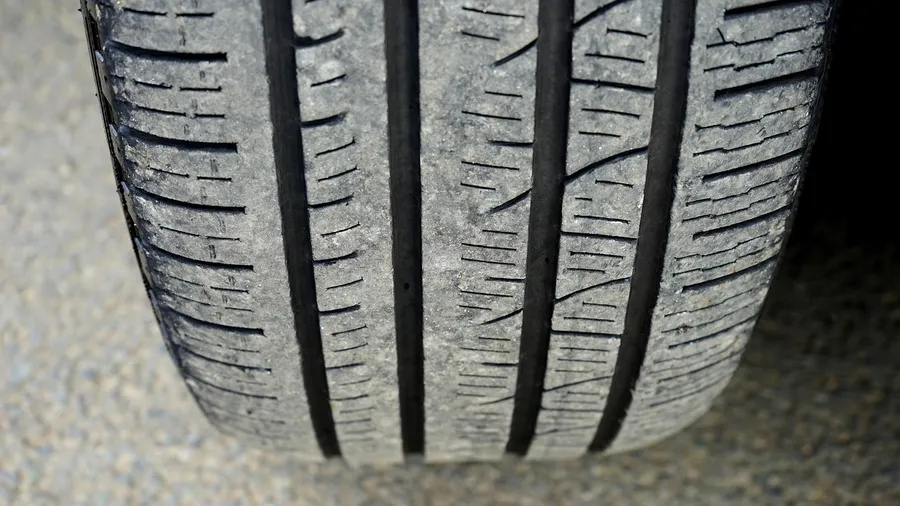
- Tire pressure: proper inflation improves mileage by 0.6% on average and up to 3%; under-inflation costs about 0.2% per 1 psi drop. Use the door-jamb sticker, not the sidewall maximum. Our tire pressure guide helps.
- Driving style: aggressive driving can cut mileage 15% to 30% at highway speeds and 10% to 40% in stop-and-go traffic.
- Roof cargo: a large roof box can cost 6% to 17% on the highway; rear trays cost far less.
- Weight and idling: 100 extra pounds cost about 1%, and idling burns a quarter to a half gallon an hour.
- Air filter: on modern fuel-injected cars a new filter improves acceleration, not mpg.
EPA’s speed-versus-mpg estimates came from tests of 74 mostly conventional gasoline cars with only two hybrids, so they are less precise for hybrids. See our guides to eco mode and choosing the right gas grade.
Frequently Asked Questions
Does Any Car Get 50 Mpg?
Yes. In EPA’s model year 2026 data, 10 hybrid configurations reach 50 mpg combined or more, led by the Toyota Prius at 57, the Hyundai Elantra Hybrid Blue at 54 and the Kia Niro FE at 53. No gasoline-only car comes close; the best is 36.
What Car Has The Best MPG?
Among cars that never plug in, the 2026 Toyota Prius is highest at 57 mpg combined. EVs are rated in MPGe instead: the Lucid Air Pure RWD tops the 2026 file at 146 MPGe. MPG and MPGe should not be ranked on one list.
Is 40 Mpg Good For A Car?
Yes. The median combined rating across the 815 non-plug-in model year 2026 configurations in the EPA file is 22 mpg, and only 4.9% reach 40. That is a catalog median, not a sales-weighted average.
Is There A Car That Gets 60 Mpg?
Not on gasoline alone in model year 2026: the highest non-plug-in rating is the Toyota Prius at 57 mpg combined, and EPA lists the 2027 Prius at 55. Plug-in hybrids and EVs show higher numbers, but those are MPGe figures for electric driving.
Why Do Some “40 Mpg Car” Lists Still Mention the Hyundai Ioniq or BMW i3?
Older lists were written when those cars were current. EPA’s data file lists the Ioniq hybrid and the Honda Insight through model year 2022 and the BMW i3 through 2021. The i3 never belonged on an mpg list: the EV is rated 113 MPGe and the range-extender version 31 mpg on gasoline.
Which 40 Mpg Cars Come With All-Wheel Drive?
In model year 2026 the AWD hybrids rated 40 combined or higher are the Toyota Prius AWD (54), Camry Hybrid AWD LE (50), Corolla Hybrid AWD (48), Lexus ES 350h AWD (44), RAV4 Hybrid AWD, Corolla Cross Hybrid AWD and Lexus UX 300h AWD (42 each) and Toyota Crown Hybrid AWD (41).
Conclusion
In model year 2026, 40 mpg combined is a hybrid number: 17 models and 40 EPA configurations clear it, from the Prius at 57 down to the Honda CR-V Hybrid and Lexus NX 350h at 40. No gasoline-only car gets there. Check the exact trim and drivetrain, because AWD and sportier trims can cost up to 8 mpg inside one model.
What this guide does not cover: new or used car prices, real-world owner mileage, and model years before 2025 apart from the Ioniq, Insight and i3 notes. Ratings are EPA figures from the vehicle data file as of 29 September 2026.
Products related to this article
Sponsored / affiliate links. As an Amazon Associate I earn from qualifying purchases. I may earn additional commission from eligible campaigns.