Does Car Insurance Cover Lawsuits? What Liability Pays For
Yes, car insurance covers lawsuits, but only through your liability coverage, and only up to your policy’s dollar limits. If you’re sued after an at-fault accident, your insurer typically assigns a lawyer, pays your legal defense costs, and covers any settlement or judgment inside those limits. Damages beyond your limits become your own personal responsibility, which is exactly the gap an umbrella policy is built to close.
Understanding Car Insurance and Lawsuits
Car insurance is often thought of as coverage for repairing your own vehicle, but its bigger job is protecting you financially when you cause harm to someone else. If you rear-end another driver, they can sue you for medical bills, car repairs, or even pain and suffering. Whether your policy responds to that lawsuit, and how much of it your policy pays, depends entirely on the type and amount of coverage you carry.
Liability insurance is the piece of your policy built for exactly this situation. It pays for damages you cause to other people, and it covers your legal defense if they take you to court. Every state that requires auto insurance sets a minimum liability limit, but those minimums are often far lower than what a serious injury lawsuit can cost, which is why the size of your limits, not just whether you have insurance, determines how protected you actually are.
Types of Car Insurance That May Cover Lawsuits
Not all car insurance responds to a lawsuit the same way. Here is how each major type of coverage comes into play:
- Liability Insurance: This is the backbone of most car insurance policies, split into two parts: bodily injury liability and property damage liability. Bodily injury covers medical bills, lost wages, or pain and suffering for the other party when you’re at fault; property damage covers repairs to their car or other property. If someone sues you, liability insurance pays your legal defense costs and any settlement or judgment, up to your policy’s limits.
- Uninsured/Underinsured Motorist Coverage: If a driver with no insurance, or not enough insurance, hits you, your own uninsured/underinsured motorist coverage can step in and cover your medical bills and damages, instead of you having to sue a driver who likely can’t pay anyway.
- Personal Injury Protection (PIP): In no-fault states such as Florida and Michigan, PIP pays for your own medical expenses and lost wages regardless of who caused the accident. PIP doesn’t directly pay a lawsuit, but by covering costs upfront, it removes much of the incentive for a lawsuit in minor accidents.
- Umbrella Insurance: An umbrella policy is extra liability coverage that sits on top of your car insurance. Once your liability limits are used up, the umbrella policy pays the remaining costs of a lawsuit, up to its own limit. A $1 million umbrella policy typically costs around $300 to $400 a year, which makes it inexpensive protection for drivers with real assets, a home, savings, or future wages, to protect.
Here’s a quick summary:
| Coverage Type | Covers Lawsuits? | What It Covers |
|---|---|---|
| Liability Insurance | Yes | Legal defense, settlements, medical bills, property damage (up to policy limits) |
| Uninsured/Underinsured Motorist | Sometimes | Your damages if the at-fault driver lacks insurance |
| Personal Injury Protection (PIP) | Indirectly | Your medical bills and lost wages, reducing lawsuit likelihood |
| Umbrella Insurance | Yes | Extra coverage for lawsuits when liability limits are exceeded |

How Liability Insurance Handles Lawsuits
Liability insurance is the part of your policy that deals directly with a lawsuit. Here’s how the process works if you’re found at fault in an accident.
If you’re at fault and the other driver sues you, your insurance company assigns a lawyer to defend you and covers legal fees plus any settlement or judgment, as long as the total stays within your policy’s limits. For example, with $100,000 in bodily injury liability and an $80,000 settlement, your insurer pays the full amount. If the settlement instead comes to $150,000, you are personally on the hook for the extra $50,000 unless you carry umbrella insurance.
Choosing the right coverage limits matters because state minimums are rarely designed with a serious lawsuit in mind. California, for instance, raised its state minimum liability limits to $30,000 per person and $60,000 per accident for bodily injury, plus $15,000 for property damage, starting January 1, 2025, and even those higher minimums can fall short if, say, you hit a pedestrian and their medical bills run into six figures. Many drivers choose limits well above their state’s minimum for exactly that reason.
What Happens If You’re Sued Beyond Your Coverage?
This is the scenario every driver should plan for. If a court awards damages higher than your liability limits, you are personally responsible for the difference. A driver with only $50,000 in liability coverage who is found liable for $200,000 in damages owes the remaining $150,000 out of pocket, and unpaid judgments can lead to wage garnishment or a lien on property. See how to protect your assets after a car accident for the specific steps to take before that happens.
To avoid this, consider these steps:
- Increase Your Liability Limits: Raising your bodily injury limits, many drivers choose $250,000 per person or higher, directly reduces how much of a large judgment falls on you personally.
- Get Umbrella Insurance: An umbrella policy is a cost-effective way to add $1 million or more in extra liability protection once your car insurance limits are exhausted, and it protects assets like a home or retirement savings.
- Talk to Your Agent: An insurance agent can review your assets and risk factors and recommend limits that actually match what you have to lose.
If a judgment goes unpaid, the court can garnish wages or place a lien on property to collect. Choosing adequate coverage before an accident happens is the only way to avoid that outcome.
When Car Insurance Might Not Cover Lawsuits
Car insurance doesn’t cover every lawsuit. There are situations where you might be left on your own:
- Intentional Acts: If you intentionally cause damage, for example, ramming another car during a road-rage incident, your insurer will not cover the resulting lawsuit. Insurance is built to cover accidents, not deliberate acts.
- Driving Under the Influence: Causing an accident while driving under the influence typically voids liability coverage for that claim. Insurers exclude intoxicated driving because covering it would reward reckless behavior.
- Using Your Car for Business: Using your personal vehicle for rideshare driving or delivery work usually falls outside your personal auto policy. Drivers doing that kind of work need rideshare or commercial coverage, since a standard personal policy can deny the claim entirely.
- Exclusions in Your Policy: Every policy lists specific exclusions, such as letting an unlicensed driver borrow your car. If that driver causes an accident, your insurer can deny the resulting lawsuit.
Reading your policy’s exclusions section before you need it is the only way to know exactly where your coverage stops. If you’re not sure about something, call your insurance company and ask.
How to Protect Yourself from Lawsuits
A few proactive steps reduce both the odds of a lawsuit and how exposed you are if one happens:
- Drive Safely: Avoiding accidents in the first place is still the most effective way to avoid a lawsuit, leaving extra following distance and checking blind spots costs nothing.
- Choose Higher Coverage Limits: Higher liability limits cost only a little more per year but close most of the gap between what a serious lawsuit can cost and what your policy pays.
- Consider Umbrella Insurance: If you own a home or have meaningful savings, an umbrella policy adds a large layer of protection for a modest annual cost.
- Document Everything: After any accident, photograph the scene, collect witness contact information, and file a police report. That documentation becomes evidence if a lawsuit follows.
- Know Your Policy: Read your policy’s coverage limits and exclusions before you ever need them, and call your insurer with any questions rather than assuming you’re covered.
The Role of No-Fault Insurance in Lawsuits
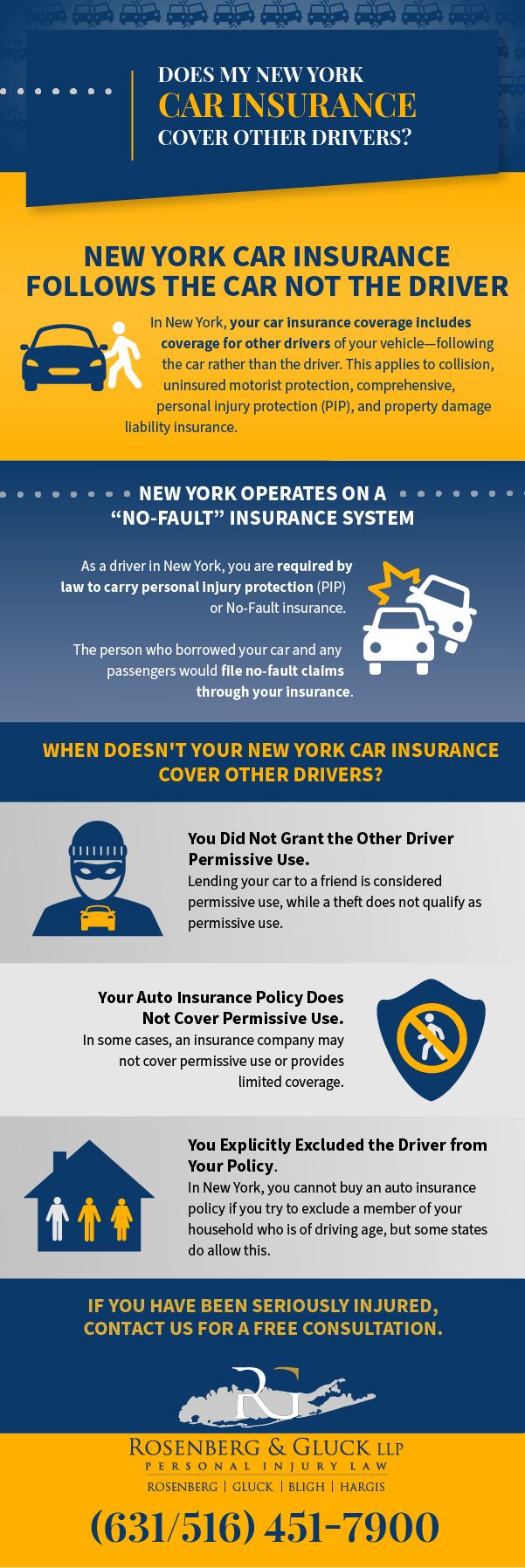
In no-fault states such as Florida, Michigan, and New York, your PIP coverage pays for your own medical bills and lost wages, no matter who caused the accident. This reduces the need for lawsuits in minor accidents, but if the injuries are serious, the other party can still sue you, and that’s where your liability insurance comes in.
No-fault doesn’t mean “no lawsuits.” If someone’s injuries exceed a state’s specific threshold, like permanent disfigurement or long-term disability, they can still sue you for pain and suffering or other damages the no-fault system doesn’t cover. That’s also why medical payments coverage and adequate liability limits still matter even in a no-fault state.
What to Do If You’re Sued
Getting sued is stressful, but the process is manageable if you follow a few steps:
- Notify Your Insurance Company Immediately: Call your insurer the moment you receive a lawsuit notice or summons. Waiting can jeopardize your defense, since insurers need time to assign a lawyer and start building your case.
- Don’t Talk to the Other Party: Let your insurance company and its attorney handle all communication with the person suing you. Anything you say directly can be used against you.
- Gather Evidence: Hand over any photos, police reports, or witness statements to your insurer right away. That evidence strengthens your defense.
- Stay Calm: Lawsuits can take months or even years to resolve. Your insurer’s attorney handles the process on your behalf, so there’s rarely a reason to intervene yourself.
How Insurance Companies Handle Lawsuits
Once a lawsuit is filed, your insurance company’s claims adjusters and attorneys investigate the accident, review the evidence, and negotiate directly with the other side’s lawyer. If the case goes to court, they represent you there.
Most lawsuits settle out of court rather than going to trial, since settlements are faster and cheaper for everyone involved. If a case does go to trial, your insurer still covers the legal fees and any judgment, as long as the total stays within your policy’s limits.
Why Understanding Your Policy Matters
Many drivers choose a policy based on price alone and never read what it actually covers. That gap only becomes obvious after an accident, when it’s too late to change your limits.
Your policy is a contract that spells out exactly what’s covered, what isn’t, and where your limits stop. Reviewing it once a year, and calling your insurer about anything unclear, is far cheaper than discovering a gap during a lawsuit.

Conclusion
So, does car insurance cover lawsuits? Generally yes, through liability insurance and, when your limits run out, an umbrella policy. But coverage depends entirely on your specific policy, its limits, and the circumstances of the accident. Carrying adequate liability limits, adding umbrella insurance if you have assets to protect, and knowing your policy’s exclusions are the most effective ways to make sure you’re actually covered if a lawsuit happens.
FAQs
What happens if my car insurance doesn’t cover a lawsuit?
If your insurance doesn’t cover a lawsuit, say, because of an exclusion like driving under the influence, you’ll have to pay out of pocket. This could mean dipping into savings or facing wage garnishment. To avoid this, consider higher liability limits or an umbrella policy for extra protection.
Can I be sued even if I have car insurance?
Yes, you can still be sued, even with insurance. Your liability coverage will typically handle the lawsuit, but if the damages exceed your policy limits, you might be personally responsible for the rest. That’s why choosing adequate coverage is so important.
Does car insurance cover lawsuits from passengers in my car?
If you’re at fault in an accident, your liability insurance can cover lawsuits from passengers for their injuries or damages. In no-fault states, your PIP coverage might cover your passengers’ medical bills, reducing the chance of a lawsuit.
How can I avoid car accident lawsuits?
The best way to avoid lawsuits is to drive safely and avoid accidents. Carry enough liability insurance, consider umbrella coverage, and document everything if an accident happens. Knowing your policy and working with your insurer can also help.
Will my insurance rates go up after a lawsuit?
If you’re sued and your insurance covers it, your rates might go up at renewal time, especially if you were at fault. The increase depends on your insurer and the accident’s severity. Safe driving and a clean record can help keep rates lower.
Products related to this article
Sponsored / affiliate links. As an Amazon Associate I earn from qualifying purchases. I may earn additional commission from eligible campaigns.