What Happens After a Car Lease Ends: Fees, Buyout & Options
When your car lease ends, you have three main paths: return the vehicle, buy it at the residual value locked into your contract, or lease a new car. Walking away without buying or re-leasing usually triggers a separate $300-$500 disposition fee, which most brands waive if you buy out the lease or finance your next vehicle with them. Below is the full lease-end timeline, inspection checklist, mileage and wear-and-tear costs, and every buyout, extension, and sale option you have.
The Lease-End Timeline: What Happens and When
Most leasing companies mail (or email) an end-of-lease letter about 90 days before your contract expires. It repeats your mileage allowance, buyout price, and return address, and gives you a deadline to tell them what you plan to do. Here’s the general order of events:
- ~90 days out: You receive the end-of-lease notice with your options, mileage total, and disposition fee amount.
- ~45-60 days out: Many leasing companies (through a third-party inspection service) offer a free pre-inspection at your home or office, so you can see and fix flagged damage before the official turn-in.
- ~30 days out: Decide your path — return, buy, extend, or lease again — and line up financing if you’re buying out the car or getting a new lease.
- Turn-in day: A final walkthrough, keys and paperwork handed over, and a signed release confirming the leasing company has the vehicle back.
Missing these deadlines doesn’t just cost you money — some leasing companies charge a daily late fee if you keep driving the car past the contract end date without an approved extension.
End Of Lease Inspection
After a car lease ends, an inspection checks for damage and excessive wear. Repairs might be necessary to avoid extra fees.
Inspection Process
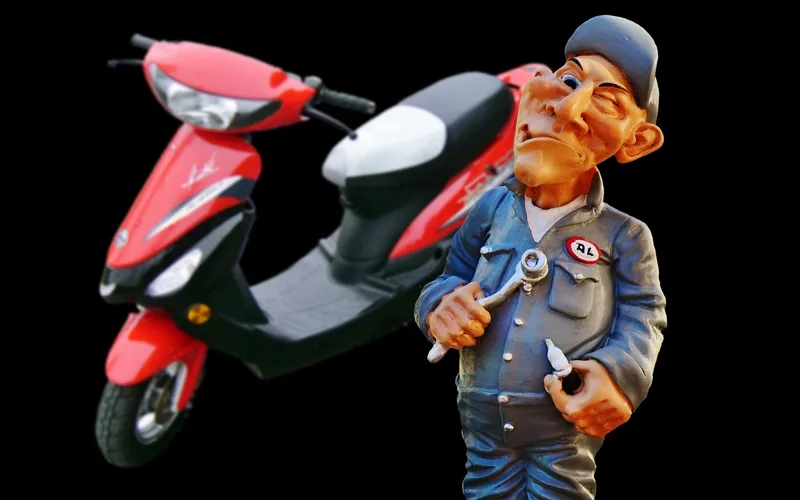
The end of lease inspection checks the car’s condition. Inspectors look for damage, wear, and tear. They may check the tires, lights, and paint. Inside, they check the seats, dashboard, and carpets. This inspection ensures the car is in good shape. If there are issues, you might have to pay for repairs. Make sure the car is clean and tidy. Remove personal items before the inspection.
Common Inspection Findings
Inspectors often find scratches and dents. They also check for stained seats. Worn tires are another common issue. Missing parts like knobs or mats might be noted. Cracked windshields or mirrors are also checked. These findings can lead to extra charges. Keeping the car in good condition helps avoid these costs.
Wear And Tear Fees
Standard wear includes small scratches and minor dings. These are acceptable. Excessive wear involves deep scratches, dents, or damaged interiors. These can lead to fees. Check your lease agreement for details.
Keep your car clean. Regular maintenance helps. Fix minor issues promptly. Use seat covers and floor mats. Inspect your car before the lease ends. Document its condition. This can help avoid disputes. If you’ve already put a mark on the car, see our guide on what happens if you scratch a leased car for repair-shop-vs-DIY cost comparisons.
BEFORE YOU RETURN THE CAR

Carfidant Scratch Repair and Swirl Remover Kit
Buffs out the light scratches and swirl marks inspectors flag most often, before they turn into a wear-and-tear charge at turn-in.
- Best for: Light scratches, swirl marks, and water spots on any paint color
- Why we picked it: One kit includes buffer pad and compound, no separate tools needed
- Main drawback: Won’t fix deep scratches that go through the clear coat and base coat
Compare more pre-return checklist tools
|
OPTION 1 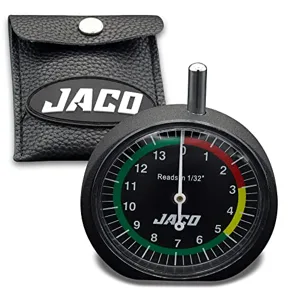 JACO TreadPro Tire Tread Depth Gauge
|
OPTION 2  Chemical Guys Interior Detailing Kit
|
OPTION 3 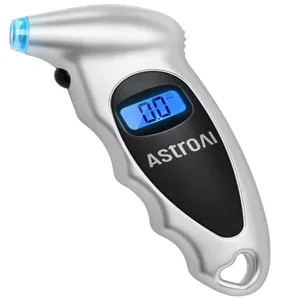 AstroAI Digital Tire Pressure Gauge
|
As an Amazon Associate we earn from qualifying purchases.
Excess Mileage Charges
Car lease agreements have a mileage limit. This is the maximum miles you can drive. Exceeding this limit means extra costs. These costs are called excess mileage charges. Usually, the charge is per mile. For example, 15 cents per mile. Multiply the extra miles by the rate. This gives the total charge. Keep track of your miles. This helps avoid surprises at the end.
Avoiding extra charges is possible. Stay within the mileage limit. Plan your trips wisely. Use public transport when you can. Carpooling is another option. Regularly check your car’s mileage. This helps you stay aware. Adjust your driving habits if needed. These simple steps save money. They also reduce stress. Always read your lease agreement carefully. Know the terms and conditions.
Disposition Fee: The Charge Most Drivers Don’t See Coming
A disposition fee is a separate, standard charge — typically $300 to $500 — that leasing companies bill when you return the car and don’t buy or lease another vehicle from them. It covers the cost of inspecting, cleaning, transporting, and reselling the car at auction, according to GM Financial’s disposition fee guide. It’s separate from — and in addition to — any excess mileage or wear-and-tear charges.
You can usually avoid or skip it in two ways:
- Buy out your lease. If you purchase the car, the leasing company doesn’t need to remarket it, so there’s no disposition fee to charge.
- Lease or finance your next vehicle from the same brand. Many manufacturers, including BMW, Toyota, and Nissan, waive the fee as a loyalty perk when you re-lease or buy through them.
If you’re returning the car and walking away with no new purchase, budget for this fee ahead of time — it’s one of the easiest lease-end costs to plan around, but also one of the easiest to be surprised by.
Returning The Vehicle

Before returning the car, clean it inside and out. Fix any small scratches or dents. Check the tire pressure and oil levels. Remove personal items from the car. Make sure you have all the keys and documents. Take pictures of the car for records.
Contact the leasing company to schedule a return. Bring the car to the agreed location. An inspector will check the car for damages. They will note the car’s condition. You may have to pay for any extra wear and tear. Sign the return documents. Keep a copy for your records.
Buying The Leased Car
The purchase price of your leased car is set in the lease contract you originally signed. This is called the residual value — the manufacturer’s estimate of what the car would be worth at lease end. Sometimes a dealer may offer a lower price than the buyout figure in your contract, so it’s worth checking if that’s a better deal.
To buy your leased car, you may need financing. You can get a loan from a bank, credit union, or the dealer. Compare rates and terms. Choose what fits your budget.
Leasing A New Car
After a car lease ends, you have three options. Return the car, buy it, or lease a new one. Each choice has its benefits.
Negotiating A New Lease
Negotiating a new lease lets you drive a new car every few years. Start by researching the current market value of the car so you know you’re getting a fair deal. Know the mileage limits and any extra fees before you sign. Ask about special offers or loyalty discounts — dealers often have promotions, and re-leasing the same brand can also waive your old disposition fee. Read the new lease terms carefully and understand the fine print. Know your budget and stick to it. See our full guide to negotiating a car lease for specific talking points to bring to the dealer.
Extending The Lease
After a car lease ends, extending the lease can be a good option. This allows you to keep driving the same car for a longer period.
Extension Terms
Extending a car lease is possible. Many car dealers offer this option. It can be a short-term or long-term extension. Terms depend on the car dealer. Monthly payments usually stay the same. Sometimes, they might change. Always read the new lease terms carefully. (If you’re looking to get out of a lease instead of extending it, see can you end a car lease early for the opposite scenario.)
Pros And Cons
Pros:
- Keep driving the same car
- No need to return it right away
- Familiar with the vehicle
- Possibly avoid new car lease fees
Cons:
- May not be the best financial choice
- Car might be out of warranty
- Could face higher repair costs
- New lease deals might be better
Transferring the Title After a Lease Buyout
Once you’ve paid the buyout price, the car is yours to keep — but the leasing company technically still holds the title until you complete one more step: the title transfer.
Visit your local DMV or state title office. You’ll need your ID, proof of purchase (the bill of sale or a paid-in-full statement from your lender), and a completed title-transfer application. Pay the applicable title fee. Once the new title is issued in your name, the car is fully and officially yours — no more restrictions from the original lease agreement.
Returning To Dealership
Schedule an appointment with your dealership. This helps to ensure they are ready for you. It also means you won’t have to wait long. Call or book online. Make sure you get a confirmation.
Gather all the required documents. This usually includes your lease agreement, vehicle inspection report, and any service records. Don’t forget the keys and any extra accessories. These might be things like spare tires or floor mats.
Exploring Other Options
After a car lease ends, you have choices like buying the car or leasing a new one. Each option has its benefits. Consider your budget and needs to decide the best path forward.
Private Sale
Selling your leased car privately can be a good choice. You might get more money than the dealer offers. This involves finding a buyer yourself. It takes more effort but can pay off. Make sure to check the market value. This helps set a fair price. Meet buyers in safe places. And always have paperwork ready. This includes the lease buyout amount. The buyer pays this amount to the leasing company. Then, they own the car. Be honest about the car’s condition. This builds trust with buyers.
Trade-in Opportunities
Trading in your leased car is easier. Dealerships handle most of the work. They check the car’s value. Then, they offer a trade-in amount. This amount goes towards your new lease or purchase. Sometimes, this can save money. You might get deals on new cars. Always compare offers from different dealers. This helps find the best deal. Keep your car clean and well-maintained. This can increase its trade-in value. Make sure to gather all documents. This includes the lease agreement and maintenance records. Trading in can be a quick and simple option. Note that not every dealer or reseller accepts a leased car with money still owed on it — see what leases CarMax will refuse before you count on a specific buyer.
Frequently Asked Questions
What Are My Options After A Car Lease Ends?
After your car lease ends, you can return the car, buy it, or lease a new one.
Can I Buy My Leased Car?
Yes, you can buy your leased car at the end of the lease term, usually at a predetermined price called the residual value.
What If My Leased Car Has Damage?
If your leased car has damage, you may be charged for repairs or excess wear and tear.
How Do I Return A Leased Car?
To return a leased car, schedule an inspection, clean the car, and return it to the dealership.
What Is A Disposition Fee, And Can I Avoid It?
A disposition fee is a typical $300-$500 charge for reselling a returned lease car. You can usually avoid it by buying out the lease or by leasing or financing your next vehicle from the same brand.
Will I Get A Refund On My Gap Insurance When My Lease Ends?
Usually no. Lease-end gap insurance premiums are built into your monthly payment and are considered fully earned once the lease term completes naturally. A refund of the unused premium typically only applies if you cancel the coverage early, such as by buying out the lease ahead of schedule. Check with your leasing company’s gap insurance administrator, and see our guide on how much gap insurance costs on a car loan for more on how these policies work.
Conclusion
After a car lease ends, you have choices. You can buy the car. Or, you can return it and lease a new one. You might also walk away and explore other options. Each choice has its pros and cons. Consider your needs and budget.
Make a decision that best fits your situation. Remember, planning ahead 90 days before your lease matures helps you avoid surprise fees and gives you time to fix anything an inspector would flag.
Products related to this article
Sponsored / affiliate links. As an Amazon Associate I earn from qualifying purchases. I may earn additional commission from eligible campaigns.