Car Window Tint Cost: How Much to Expect and Why It Varies
Car window tint typically costs a few hundred dollars, with ceramic film usually on the higher end. Full-vehicle price is driven most by window count, old tint removal, and cut-to-fit labor. Bad quote comparisons often leave you paying for the wrong film, surprise removal fees, or a legal redo. This guide breaks down what changes tint prices, how to compare estimates line by line, and which line items to check before you book.
This guide is part of our Car terms explained series.
How much does car window tint cost?
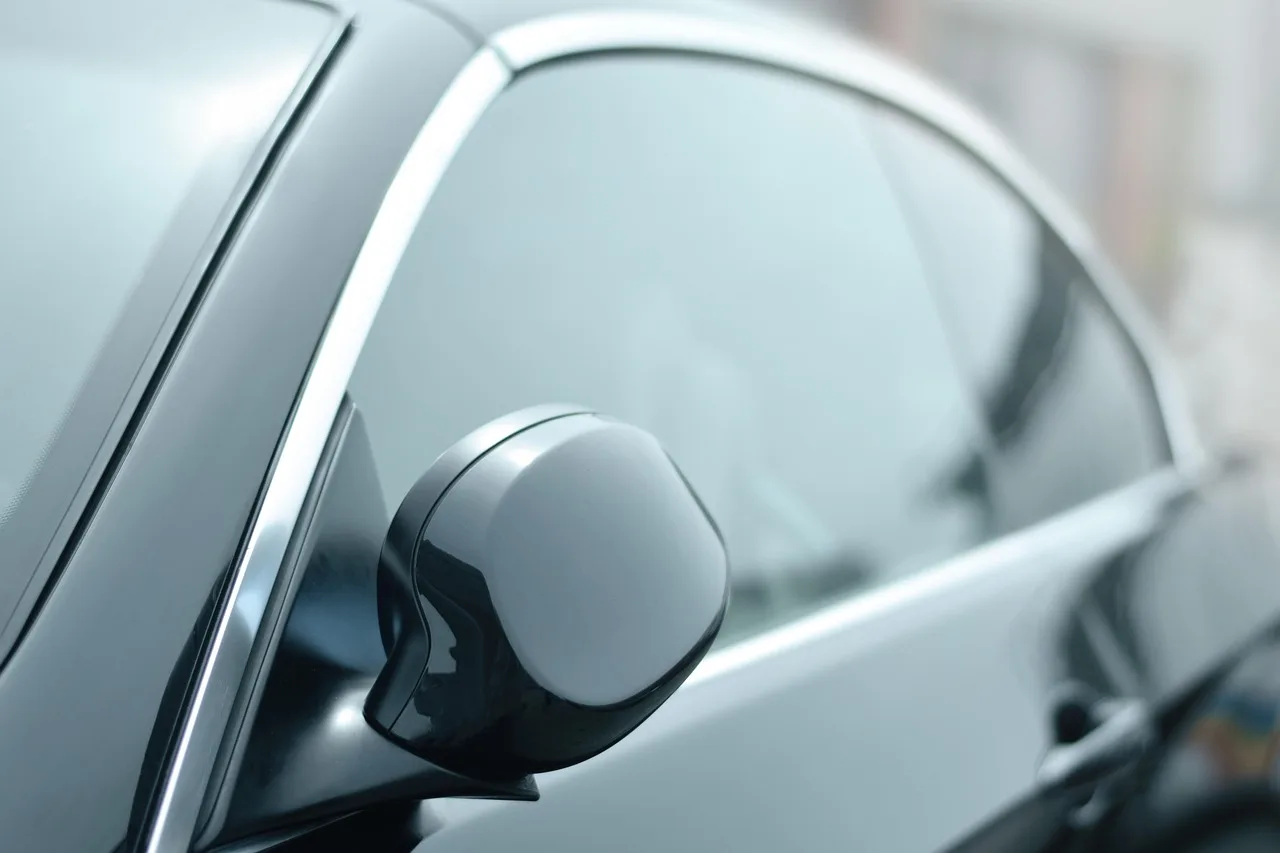


For most vehicles, car window tinting costs $150 to $600, with a national average of around $350. The final bill depends on film type, how much glass you want covered, whether old tint must come off first, and how much labor the installer needs to shape the film cleanly.
What a basic full-car quote usually includes
A basic quote usually covers the side and rear glass on a standard sedan, the film itself, and labor to cut and install it. If the shop quotes only film and not removal, a windshield strip, or warranty coverage, the low number can rise quickly once you add those items.
Why the lowest quote is not always the cheapest outcome
The cheapest price can hide thin film, weak adhesion, short warranty coverage, or poor cut quality. That matters because a redo can cost more than the price gap between a bargain shop and a better installer. A clean install with better film often costs less over time than a short-lived bargain job.
📊 The national average for a professional car window tint job is around $350. Source: Glassandauto.
What changes the price the most?
Film type, vehicle size, and installation labor change the price the most. Coverage matters too. A quote for two front windows is far lower than a full vehicle, and a sedan usually costs less than an SUV, crossover, truck, or van because of window area and fit complexity.
Film type and performance level
Dyed film sits at the low end, carbon sits in the middle, and ceramic sits at the top. That pricing ladder reflects material cost and performance differences, but not every shop prices the same way. Brand, warranty terms, and local labor rates can move quotes up or down.
Vehicle size and glass area
Larger vehicles cost more because they have more glass and more trimming time. SUVs and trucks add $50 to $150 more on average, and SUVs often bring more complex rear glass. Vans and minivans can also raise labor time because of larger panes and extra curves.
Labor, shop reputation, and warranty
Installer quality matters because tint is cut and fitted by hand, then finished around seals, defroster lines, antennas, and sensor-heavy glass. A better warranty, certified brands, and stronger shop reputation usually mean a higher quote, but they also lower the odds of bubbling, peeling, or a costly redo.
How much do different tint films cost?
Film type changes both the price and the result. Dyed film is cheapest, carbon is mid-tier, and ceramic is the most expensive. Do not compare quotes by darkness alone, because VLT tells you how dark the tint is, while TSER and IRR tell you more about heat performance.
Dyed film
Dyed film is the lowest-cost option and usually runs $150 to $250 for a sedan. For a full vehicle, it can run $100 to $300. It offers basic privacy and glare reduction, but it has a shorter lifespan and can fade or turn purple over time.
Carbon film
Carbon film usually runs $250 to $400 for a sedan. It sits in the middle on price, gives better heat rejection than dyed film, and does not interfere with signals. It also tends to have a matte finish and a longer lifespan than dyed film.
Ceramic film
Ceramic film is the premium option, usually $400 to $600 for a sedan and $400 to $800 for a full vehicle. It offers the highest heat rejection, strong UV blocking, and lifetime or 10+ year durability. It also has zero signal interference, which matters in vehicles packed with electronics.
| Film type | Typical sedan price | Typical full-vehicle price | Main tradeoff |
|---|---|---|---|
| Dyed | $150 to $250 | $100 to $300 | Lowest price, shorter life, fades or turns purple |
| Carbon | $250 to $400 | Varies by shop | Mid-tier pricing, better heat rejection, no signal interference |
| Ceramic | $400 to $600 | $400 to $800 | Highest price, strongest heat control, long life |
How much does tinting a 4-door car cost?
A 4-door sedan usually costs $150 to $600 depending on film choice, while an SUV or truck often costs $50 to $150 more. The spread comes from film quality, the number of windows covered, and whether the rear glass is large, curved, or hard to trim cleanly.
Sedan pricing versus SUV and truck pricing
Sedans are the baseline in most price guides. SUVs and trucks cost more because they have more glass and, often, more complex rear windows. That extra labor can matter even when the same film is used, especially on vehicles with steep hatch glass or privacy glass already in place.
Why vans and larger crossovers usually cost more
Vans and minivans can need more material and more labor time than a compact sedan. Larger crossovers land somewhere between a sedan and a full-size SUV, but the quote can still climb if the rear quarter windows are large or curved.
How full-car quotes differ from partial coverage
Full-vehicle pricing usually includes all side and rear glass. Partial coverage is cheaper because it uses less film and less labor. A quote for only the rear row or only the front doors may look attractive, but it does not tell you what the rest of the car will cost later.
How much does it cost to tint just the front windows?
Tinting only the 2 front side windows usually runs $75 to $150, which makes it the cheapest common professional package. All 4 side windows often cost $200 to $500. If you add the rear window or a windshield strip, the total moves up from there.
Front two windows only
Front-window-only tint is a common starter job for drivers who want glare reduction, more privacy, or a cleaner look without paying for the whole car. It is also a common way to compare shops, because the quote is easier to read than a full-vehicle package with add-ons.
All four side windows
Doing all 4 side windows usually costs $200 to $500. That price is higher because it covers twice as many front-door panes plus the rear doors. On some cars, the rear doors are smaller and flatter; on others, they are more curved and take longer to finish well.
Rear window and full-vehicle pricing
The rear window often adds more labor than a side pane because of defroster lines and glass curvature. Full-vehicle packages usually make more sense when you want matched appearance and consistent heat control across the cabin instead of mixing tinted and untinted sections.
What add-ons raise the quote?
Old tint removal, windshield work, and difficult glass can raise the quote fast. Peeling, bubbling, or badly installed tint often needs removal before new film goes on, and that extra labor is usually not included in the base price. Curved or sensor-heavy glass can also take longer to install correctly.
Old tint removal
Yes, old tint removal costs extra in many cases. It is common on peeling or bubbling film, and it can add a meaningful amount to the final bill because the installer has to remove adhesive and clean the glass before installing new film. That labor can turn a cheap quote into a much larger one.
Windshield strip pricing
A windshield strip is a smaller add-on than full windshield tint, but it still adds labor and material. It is often used to cut glare from low sun without darkening the full windshield. Ask whether the quote includes the strip cut to legal height for your state.
Full windshield tint add-on
Adding windshield tint costs an extra $150 to $300. Full windshield work is more complex because the glass is large, curved, and often packed with sensors or camera hardware. That is why some shops quote it separately or decline it for certain vehicles.
Sensor-heavy or curved glass complications
Modern windshields can include rain sensors, driver-assist cameras, heads-up display areas, and antenna elements. Those features do not always prevent tinting, but they can raise labor time and the chance of a quote adjustment after inspection. Curved glass has the same effect.
How much should car window tinting cost?
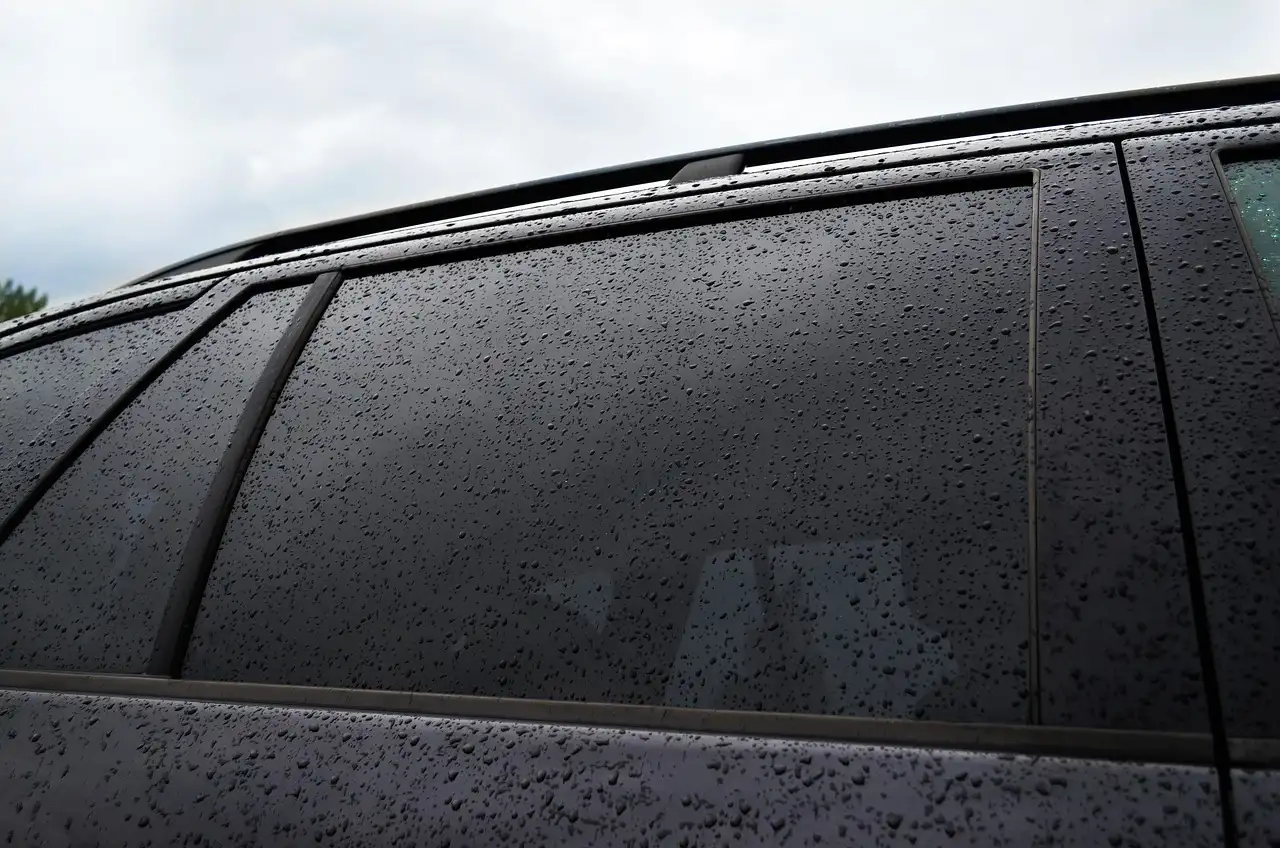
How much should car window tinting cost depends on the film, the vehicle, and the glass you want covered, but most vehicles land between $150 and $600. If you see a quote far below that range, check what film is being used, whether removal is included, and whether the price covers the same windows.
Quote worksheet: compare estimates line by line
Use a line-by-line sheet so you compare like-for-like instead of comparing only the headline price. Say your sedan has peeling rear tint, and one shop quotes a low full-car price without removal while another lists removal separately. The second quote may be more honest, even if it looks higher.
- Write down the film type and brand class.
- Count the windows covered: front 2, all 4 side windows, rear window, or full vehicle.
- Add any old tint removal charge.
- List windshield strip or full windshield add-ons.
- Check the warranty term and what it covers.
- Compare VLT, TSER, and IRR side by side.
| Quote item | Shop A | Shop B | What to check |
|---|---|---|---|
| Film type | Dyed | Ceramic | Same shade may still have very different heat performance |
| Windows covered | Front 2 only | All 4 side windows | Coverage changes the price more than many drivers expect |
| Old tint removal | No | Yes | Removal can add a meaningful charge |
| Windshield strip | Not included | Included | Ask whether the strip is legal for your state |
| Expected final total range | Lower headline price, higher add-on risk | Higher headline price, fewer surprise add-ons | Compare the full bill, not the starting number |
Same shade, different performance
VLT tells you how much visible light passes through the film, so it is the darkness metric and part of legal compliance. TSER measures total solar energy rejection, which is better for comparing film quality. IRR measures infrared rejection, which helps show heat control. Two films can share the same VLT and perform very differently on heat.
Picture two 35% VLT films. One is dyed and mainly cuts glare; the other is ceramic and rejects much more solar energy. From the outside, they can look similar. Inside the cabin, the temperature feel can be very different because TSER and IRR are stronger performance comparisons than shade alone.
How much should car window tinting cost?
How much should car window tinting cost for a normal sedan is usually $150 to $600, with ceramic pushing higher. That broad answer still needs context: front windows only are cheaper, SUVs and trucks cost more, and old tint removal or windshield work can change the final total quickly.
Check legal tint limits before you choose a shade
VLT limits are set by state and local rules, so the legal darkness range depends on where you drive. Check your state’s limit before booking, especially if you want a darker windshield strip or a rear setup that is legal in one state but not another.
Frequently asked questions
How much does tinting car windows cost?
Most professional tint jobs cost $150 to $600, with a national average of around $350. Your quote changes with film type, number of windows, old tint removal, and whether the installer includes a windshield strip or other add-ons in the price.
What is the average cost to tint car windows?
The average cost to tint car windows is around $350 for a professional job. That average sits between low-cost dyed film and higher-priced ceramic work, so it is best treated as a midpoint, not a promise for every sedan, SUV, or truck.
How much does it cost to tint a 4-door car?
A 4-door sedan usually falls within the $150 to $600 range depending on the film you choose. If the vehicle is an SUV or truck, expect $50 to $150 more because of extra glass area and, often, more complex rear windows.
How much does it cost to tint just the front windows?
Tinting just the 2 front side windows usually costs $75 to $150. That is the lowest common professional package and a useful way to compare shops before you commit to a full-vehicle job, especially if you are new to tint pricing.
Is ceramic tint worth the extra cost?
Ceramic tint is worth the extra cost if you want the highest heat rejection, strong UV blocking, and zero signal interference. It costs more up front than dyed or carbon film, but it also tends to last longer and perform better in hot, sun-heavy conditions.
Does old tint removal cost extra?
Yes, old tint removal usually costs extra when the existing film is peeling, bubbling, or damaged. That labor adds time before the new film can go on, so it should be listed separately on the quote. If it is not, ask before booking.
Products related to this article
Sponsored / affiliate links. As an Amazon Associate I earn from qualifying purchases. I may earn additional commission from eligible campaigns.