What Happens If You Scratch A Leased Car? Know Your Options
It’s a sinking feeling, isn’t it? You’re driving your leased car, maybe just pulling into a parking spot or navigating a tight alley, and then it happens. That sickening scrape or thud. You know, that moment you realize you’ve put a mark on a car that isn’t technically yours. It’s a worry many car lessees face, and it can feel overwhelming. What does this mean for your lease agreement? Will it cost a fortune? Let’s break down what happens when you scratch a leased car and explore your best paths forward — see our related guides, Do You Need a Car in Miami? Pros, Cons and Alternatives and Can a Leased Car Be Insured by Someone Else? Check Your Lease First.
If you scratch a leased car, you will likely have to pay for the repairs. Lease agreements require you to return the car in good condition, minus normal wear and tear. Minor scratches may be covered by your insurance or paid out-of-pocket, while significant damage will need professional repair before return to avoid higher charges. You have options for fixing the damage, including dealership repairs, independent shops, or even DIY for very minor marks — see our related guide, How Much Will Car Insurance Go Up After a Claim.
Understanding Lease Agreements and Car Condition
When you sign a lease, you’re essentially renting a car for a set period. Part of that agreement is a promise to take good care of the vehicle. Think of it like renting an apartment; you’re expected to keep it in good shape.
Lease contracts spell this out. They talk about “normal wear and tear.” This is the kind of minor stuff that happens with everyday use. A small chip on the windshield from a rock?
A tiny scuff on the bumper from an errant shopping cart? That’s usually considered normal.
But a deep scratch? Or a dent? That’s usually beyond normal.
The lease company expects the car back in a condition that reflects its age and mileage, but without major damage. This protects their investment. When the lease ends, they’ll inspect the car.
They’re looking for anything that significantly lowers its resale value. Deep scratches, dents, or torn upholstery fall into this category.
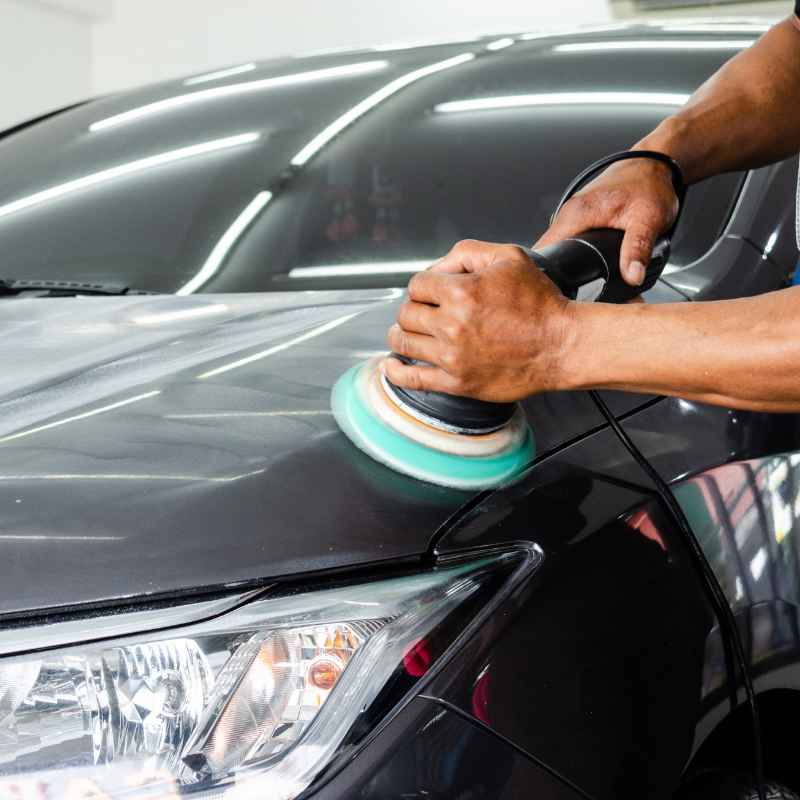
What Constitutes Damage on a Leased Car?
So, what exactly counts as damage that you’ll have to pay for? It’s not just about the looks. It’s about value.
Dealerships and leasing companies have standards. These often look at things like:
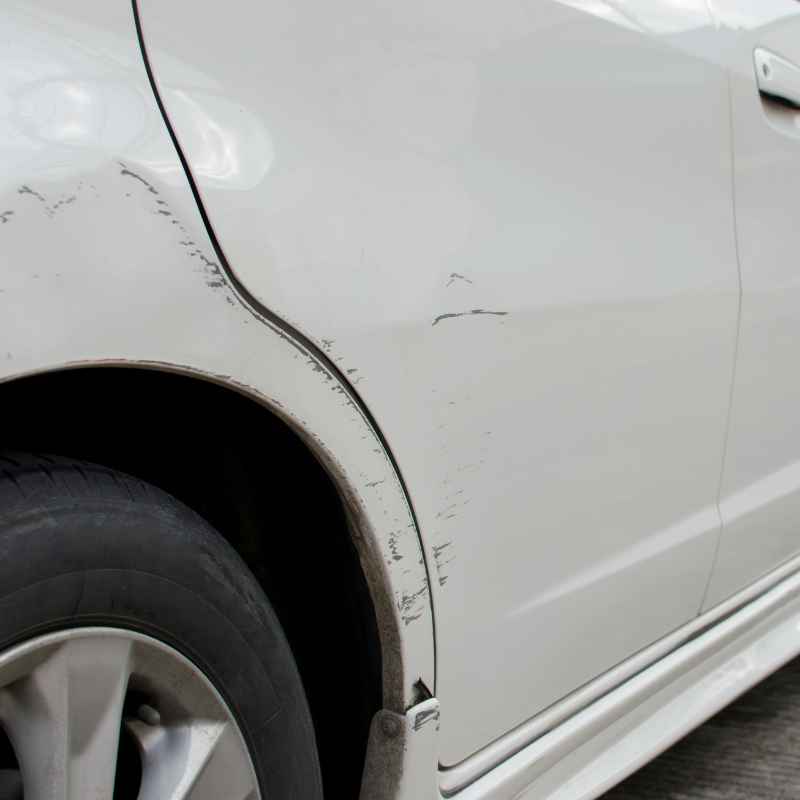
- Paint Depth: If the scratch goes through the clear coat and into the primer or metal, it’s more serious.
- Surface Area: A small, light scuff is different from a long, deep gash.
- Location: Scratches on visible body panels, like doors or fenders, are usually more costly to fix than those on less obvious spots.
- Number of Incidents: One small scratch might be overlooked. Several deep ones? That’s a red flag.
- Underlying Issues: Did the scratch also bend metal or damage sensors?
Think about it this way: if the scratch is something you can feel with your fingernail, it’s probably going to be flagged. If it’s just a slight discoloration or a mark that wipes off, it might be okay. The key is always the impact on the car’s resale value.
The leasing company wants their car back in a condition that lets them sell it easily without a big loss.
My Own Lease-End Scare
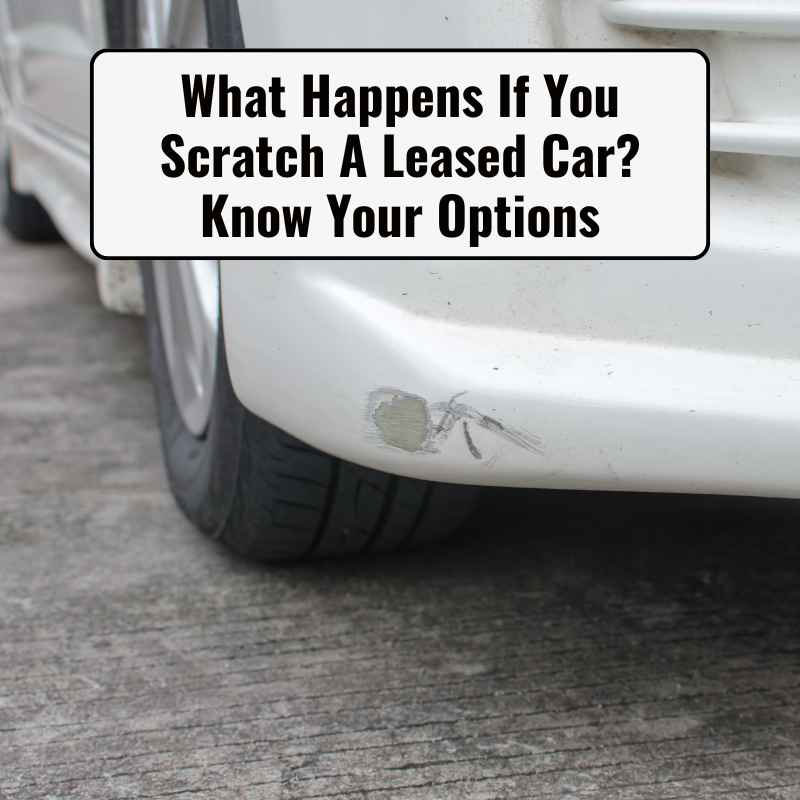
I remember one time, about two years into a lease on a compact SUV. I was helping a friend move, and in the tight confines of his garage, the rear bumper caught a metal shelf. It wasn’t a huge dent, but it left a nasty, long scratch, and the plastic bumper cover was slightly creased.
My stomach dropped. I immediately thought about the end of the lease and the potential bill. It was a Saturday afternoon, and I felt this knot of dread grow.
I spent the next few days looking at it, touching it, and worrying. I knew I couldn’t just ignore it. The scratch was deep enough that I could catch my fingernail on it.
It wasn’t just a surface mark. I started researching how to fix it. Should I go to the dealership?
A local body shop? Could I even fix it myself? The thought of getting hit with a huge repair bill at lease-end was stressful.
This experience taught me how important it is to know your options and act sooner rather than later.
Understanding Lease-End Wear and Tear Standards
What’s Expected: Minor chips, light scuffs, small dents under 1 inch.
What’s Not: Deep scratches, large dents, torn upholstery, cracked glass, frame damage.
Where to Find Info: Your lease contract is the best source. Look for a “Wear and Tear” section.
Your Options When You Scratch Your Leased Car
Okay, so you’ve got a scratch. Don’t panic. You have choices.
The best choice for you depends on the severity of the scratch and your budget. Here are the main paths you can take.
Option 1: Self-Repair for Minor Scratches
For very light scratches that haven’t gone through the paint, you might be able to fix them yourself. These are the kind of marks that might be buffed out. There are many products available for this.
- Scratch Removal Kits: These often include compounds or polishes. You apply them with a soft cloth. They work by gently abrading the clear coat around the scratch. This helps to level the surface.
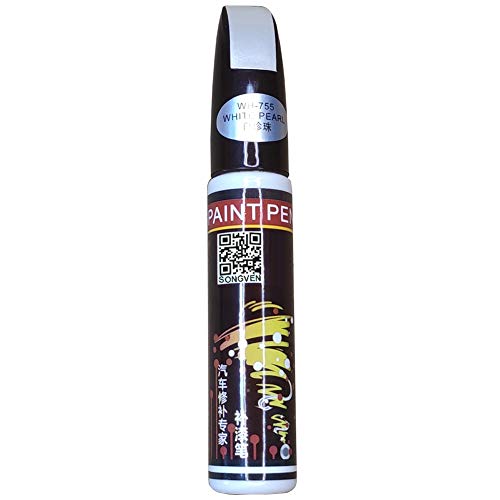
- Touch-Up Paint Pens: If the scratch is deeper, but you want a quick fix, a color-matched touch-up pen can help. You apply the paint directly into the scratch. It won’t look perfect, but it can prevent rust and make it less noticeable.
Pro Tip: Always test any product on an inconspicuous area first. Make sure you have the correct paint code for your car. This is usually on a sticker inside the driver’s door jamb.
Option 2: Professional Repair Before Lease-End
For more significant scratches, professional repair is usually the best route. Doing this yourself can sometimes make things worse if you’re not experienced. You have a few places to consider:
Repair Shop Comparison
Dealership:
- Pros: Exact color match, factory-trained technicians, convenience.
- Cons: Often the most expensive option.
Independent Body Shop:
- Pros: Can be more affordable than dealerships, good quality work often available.
- Cons: Quality can vary, ensure they specialize in paintwork.
Mobile Paint Repair Services:
- Pros: Convenient (they come to you), often good for smaller jobs, competitive pricing.
- Cons: May not handle very large or complex damage.
Choosing a Shop: Look for shops with good reviews. Ask for estimates. Get a clear understanding of what the repair involves.
Make sure they warranty their work. It’s often cheaper to fix the scratch yourself at a good shop than to let the leasing company charge you their higher rates at lease-end.
Option 3: Let the Leasing Company Handle It (and Charge You)
This is the path of least resistance, but often the most costly. When you return the car, the leasing company will inspect it. If they find damage that exceeds normal wear and tear, they will charge you.
They have their own repair standards and pricing. These are frequently higher than what you’d pay at an independent shop.
How it works: They’ll send you an itemized bill. This bill will include the cost of repairs and potentially an administrative fee. Sometimes, they may not even repair it but will deduct the estimated cost from your security deposit or bill you directly.
If the damage is significant, the charge could be substantial. It’s generally advisable to avoid this option if possible.
Option 4: Using Your Insurance
This is a less common option for minor scratches, but it might be worth considering for more significant damage. If the scratch was caused by something other than your own actions, like vandalism or a hit-and-run, your comprehensive insurance might cover it.
When to Consider Insurance:
- Vandalism: If someone intentionally keyed your car.
- Accidents: If another vehicle caused the damage and fled.
- Significant Damage: If the cost of repair is high and exceeds your deductible.
The Catch: You’ll have to pay your deductible. If your deductible is higher than the repair cost, it’s not worth filing a claim. Also, filing claims can sometimes impact your insurance rates.
Always weigh the cost of the deductible against the repair bill and potential rate increases.
The Lease-End Inspection Process
The lease-end inspection is a crucial moment. It’s when the leasing company determines if you’ve met the terms of your agreement regarding the car’s condition. They want to ensure the vehicle is in a resaleable state.
They’ll look at the exterior, interior, tires, and mechanical condition.
What to Expect:
- Appointment: You’ll typically schedule an inspection appointment near the end of your lease term.
- The Inspector: A representative from the leasing company or a third-party inspection service will examine the car.
- The Report: They’ll complete a detailed report noting any damage or excessive wear.
- Review: You’ll usually get a copy of this report.
Common Lease-End Charges: Besides scratches, other common charges include tires that are too worn, interior tears or stains, damaged wheels, and missing items like floor mats or owner’s manuals. Understanding these potential charges beforehand can help you avoid surprises.
How to Minimize Your Risk
The best strategy is always prevention. Taking good care of your leased car from day one can save you a lot of headaches and money down the line. Here are some tips:
Preventative Care Checklist
- Park Smart: Choose parking spots away from high-traffic areas. Avoid parking near poles or other objects that could cause damage.
- Wash Regularly: Keep the car clean. This helps you spot minor issues before they worsen.
- Be Gentle: Avoid slamming doors. Be careful when loading or unloading items.
- Mind the Curbs: When parking, be mindful of your wheels. Rim damage is a common lease-end charge.
- Address Issues Promptly: Don’t ignore small dings or scratches. Fix them early.
I learned this lesson the hard way with that bumper scratch. If I had addressed it within a few months of it happening, the repair would have been much simpler and cheaper. Waiting until lease-end meant more worry and more potential costs.
I ended up getting it fixed at a good independent shop before the final inspection. It cost a few hundred dollars, but it was way less than what the leasing company would have charged me.
Understanding the Cost of Repairs
The cost to fix a scratch on a leased car varies greatly. It depends on several factors:
- Severity of the Scratch: Light scuffs are cheaper than deep gouges.
- Size of the Damaged Area: A small spot is less expensive than a large panel.
- Location of the Scratch: Panels with complex curves or multiple layers of paint can cost more.
- Type of Paint: Some metallic or pearl finishes are more costly to match.
- Who Does the Repair: Dealerships are typically the most expensive.
Rough Estimates (U.S. Dollars):
- Very Minor Scuff/Scratch (DIY or Mobile): $50 – $200
- Moderate Scratch (Independent Shop): $200 – $600
- Deep Scratch/Minor Dent (Independent Shop): $400 – $1,000+
- Significant Damage (Dealership): $500 – $2,000+ (can be much higher)
These are just estimates. Always get specific quotes. A small, careful repair from a good independent shop is almost always better than facing the leasing company’s inflated charges at the end of the lease.
What Happens If You Don’t Pay?
If you have damage that exceeds normal wear and tear and you don’t pay for the repairs, the leasing company has recourse. They will pursue payment. This can happen in a few ways:
- Security Deposit: They may deduct repair costs from your initial security deposit.
- Billing: They will send you a bill for the charges.
- Collection Agency: If you don’t pay the bill, they can send the debt to a collection agency. This will negatively impact your credit score.
- Legal Action: In extreme cases, they could take legal action to recover the costs.
It’s crucial to address any damage. Ignoring it will only lead to bigger problems and higher costs. The goal is to return the car in the condition stipulated by the lease, minus the expected wear and tear.
If you’re unsure about what that means, ask for clarification from your leasing company early on.
Can You Trade In a Leased Car with Scratches?
This is a common question, and the answer is usually yes, but with a significant caveat. Most lease agreements do not allow you to trade in a leased car before the lease term is up. However, if your lease agreement permits early termination or buyout, you might be able to trade it in.
The Catch: If you have scratches or other damage, the car’s trade-in value will be significantly reduced. The dealership will factor those repair costs into their offer. You’ll likely receive less money than if the car were in perfect condition.
For this reason, it’s often better to get the damage repaired before attempting a trade-in.
Some dealerships might offer to buy out your lease. In this scenario, they pay off the remaining lease balance. You then own the car and can sell it to them.
However, if there’s damage, their buyout offer will reflect that. You might end up owing more to buy it out than the car is actually worth, especially with visible damage.
My Experience with Early Lease Termination
Years ago, I had a situation where I wanted to get out of a lease early. My financial situation changed, and I needed a more practical vehicle. The car I had was fine, but it had a few minor dings and a noticeable scratch on the rear passenger door from a parking lot incident.
I went to a dealership to see my options. They offered to buy out my lease, but their offer was quite low because of the damage and the mileage.
I decided against it and waited until the lease was closer to ending. Then, I got quotes to fix the damage. Once repaired, the car looked much better.
I was able to return it without any major penalties. This reinforced my belief that dealing with damage proactively is always the smarter move. Letting the leasing company deal with it at the end often means paying a premium for their convenience and process.
The Role of Excess Wear and Tear Waivers
Some leasing companies offer an “excess wear and tear” waiver. This is often an optional add-on when you sign the lease. It’s essentially a form of insurance against minor damage.
What they typically cover:
- Minor dents and dings (usually up to a certain size).
- Minor upholstery tears or stains.
- Cracked glass (windshield, side windows).
- Scratches (again, usually up to a certain depth or length).
What they usually DON’T cover:
- Major collision damage.
- Damage from neglect or abuse.
- Tires that are excessively worn.
- Missing parts.
- Repairs not performed by approved vendors.
Is it worth it? It depends. The cost of the waiver is paid over the life of the lease. If you are someone who is very careful with cars, you might not need it.
If you’ve had issues with damage in the past, it could provide peace of mind. Always read the fine print to understand exactly what is and isn’t covered.
Final Thoughts on Lease Damage
Dealing with a scratch on a leased car can feel like a significant problem. But by understanding your lease agreement, knowing your options, and acting proactively, you can manage the situation effectively. Don’t let the fear of a bill paralyze you.
Take a deep breath, assess the damage, and explore the most cost-effective and sensible repair route. Getting the scratch fixed before your lease-end inspection is almost always the best course of action. It saves you money, stress, and ensures a smoother return process.
Frequently Asked Questions About Scratched Leased Cars
What is considered normal wear and tear on a leased car?
Normal wear and tear usually includes minor cosmetic issues like small paint chips from road debris, very light scuffs on the bumper or doors that don’t go through the paint, minor interior wear like slightly worn floor mats, and tire tread wear that aligns with the expected mileage.
Can I fix a scratch on a leased car myself?
Yes, for very minor, superficial scratches, you can often use scratch removal kits or touch-up paint pens. However, if the scratch is deep or involves dents, professional repair is usually recommended to ensure a good finish and avoid further damage.
Will my insurance cover a scratch on a leased car?
Your comprehensive insurance might cover scratches if they are the result of vandalism or a hit-and-run. However, you’ll need to pay your deductible. For scratches caused by your own actions (like parking mishaps), insurance typically won’t cover them unless it’s part of a larger accident claim.
How much will the leasing company charge me for a scratch?
The cost can vary greatly. Leasing companies often use their own pricing guides, which can be higher than independent shop rates. A small scratch might cost $100-$300, while a deep scratch on a prominent panel could run $500 or more.
This depends on the severity, size, and location.
What if the scratch is on a plastic bumper cover?
Scratches on plastic bumper covers can often be repaired by professionals using specialized techniques and coatings. For deep gouges, the damaged section of the bumper might need to be repainted or even replaced, which will increase the cost.
Should I get a scratch repaired at the dealership or an independent shop?
Dealerships are often more expensive but guarantee factory-approved repairs. Independent body shops can be more affordable and offer excellent quality, especially for paintwork. It’s wise to get quotes from both and compare them based on price, warranty, and customer reviews.
What happens if I return a leased car with an unrepaired scratch?
The leasing company will assess the damage during the lease-end inspection and charge you for the repair. They will deduct the cost from your security deposit or bill you directly. These charges can sometimes be higher than what you would pay for a professional repair yourself.
Conclusion
Understanding the implications of scratching a leased car is key to managing your lease agreement. The core principle is that you are responsible for returning the vehicle in good condition, beyond normal wear and tear. Small cosmetic issues might be overlooked, but deeper scratches and dents will likely incur charges.
By exploring repair options, considering preventative measures, and knowing your lease terms, you can navigate this common concern with confidence and avoid unexpected costs at lease end.
Products related to this article
Sponsored / affiliate links. As an Amazon Associate I earn from qualifying purchases. I may earn additional commission from eligible campaigns.