Does Driving a Car Charge the Battery? Essential Secrets
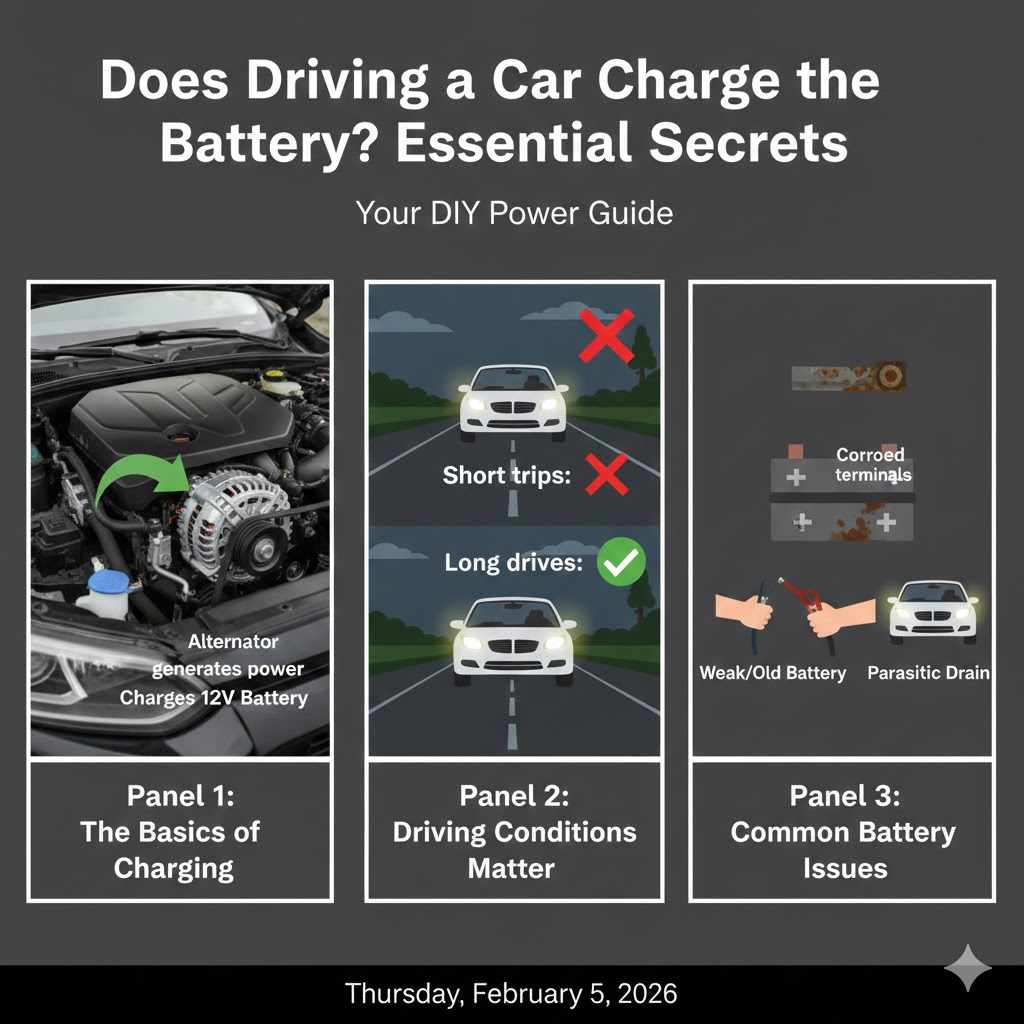
Yes, driving your car charges the battery. Your car’s engine runs a component called the alternator, which acts like a small generator. It produces electricity to power your car’s electronics and, most importantly, recharge your battery while you drive. For a meaningful charge, you should aim for at least 30 minutes of continuous driving, preferably at highway speeds.
It’s a moment every driver dreads. You turn the key, and instead of the familiar roar of your engine, you hear a sad clicking sound… or worse, nothing at all. Your car battery is dead. Someone kindly gives you a jump-start, and they offer some classic advice: “Just drive it around for a while to charge it back up.”
But does that actually work? How long do you need to drive? And are you doing it right?
I’m Md Meraj, and I’m here to take the mystery out of your car’s charging system. You don’t need to be a mechanic to understand how this works. I’ll break down everything you need to know in simple, easy-to-follow steps. We’ll explore how your car charges its own battery, the right way to do it, and the common mistakes to avoid. Let’s get you back on the road with confidence!
How Your Car Charges Its Battery: The Power Trio
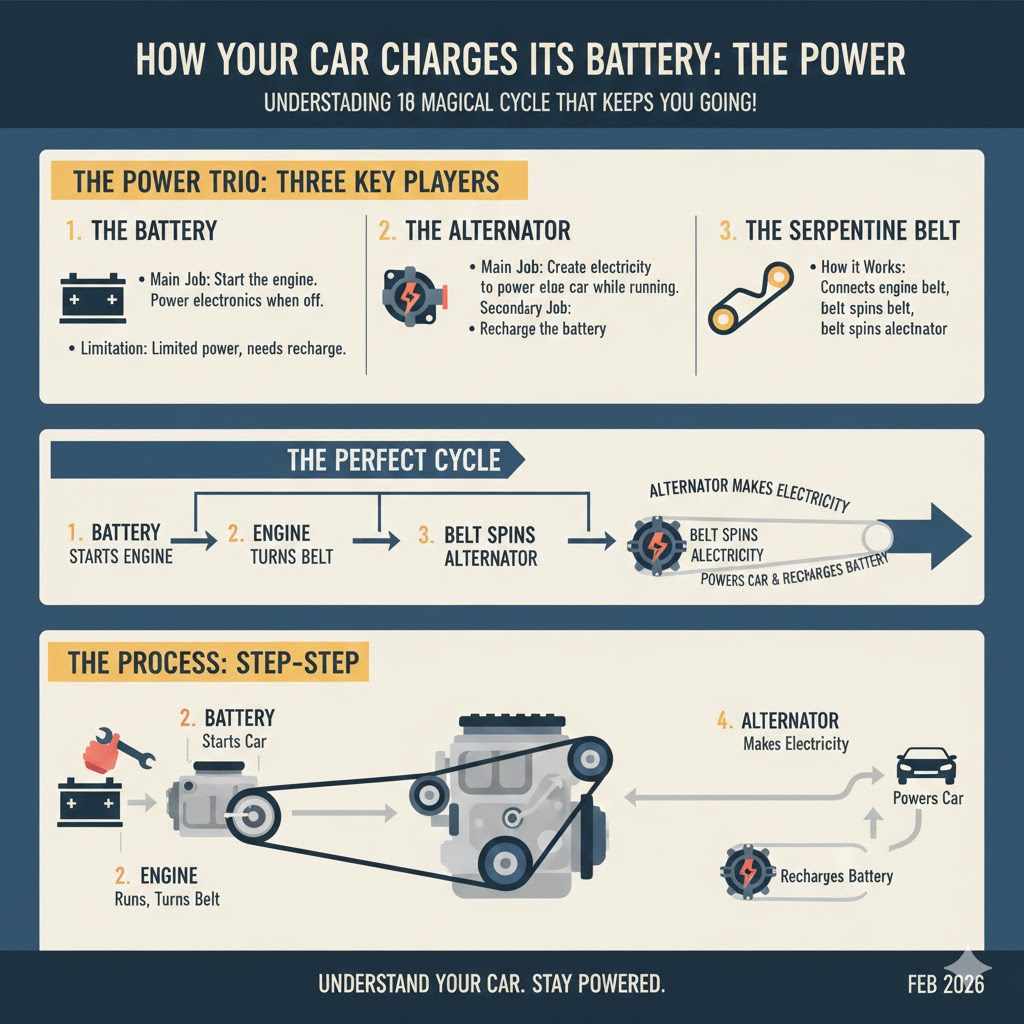
Think of your car’s charging system as a team of three key players working together. When you understand their jobs, everything makes perfect sense.
1. The Battery: The Starter
Your car battery has one main, heavy-duty job: providing the powerful jolt of electricity needed to start the engine. It’s like the starting pistol in a race. It also powers your car’s electronics, like the lights and radio, when the engine is turned off.
- Main Job: Start the engine.
- Secondary Job: Power electronics when the engine is off.
- Limitation: It holds a limited amount of power and needs to be recharged, just like your phone.
2. The Alternator: The Generator
This is the true hero of the charging system. The alternator is a small generator that creates electricity once the engine is running. As the engine spins, it turns a belt connected to the alternator, which generates all the electrical power your car needs while it’s on.
- Main Job: Create electricity to power the car while the engine is running.
- Secondary Job: Recharge the battery so it’s ready for the next start.
If your battery starts the car, the alternator keeps it running. It’s the reason your lights don’t die and your radio keeps playing on a long road trip.
3. The Serpentine Belt: The Connector
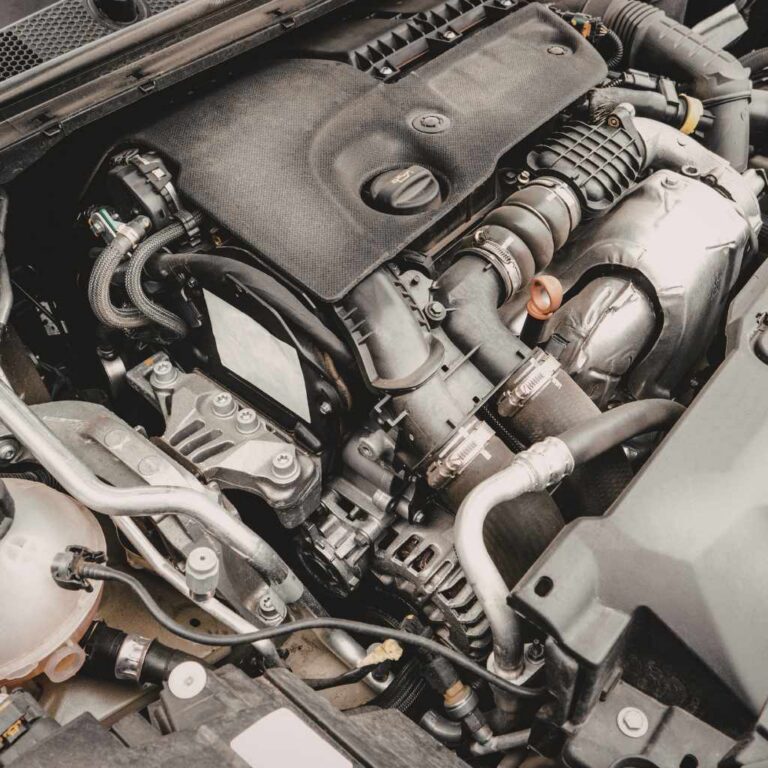
How does the engine’s power get to the alternator? Through a strong rubber belt called the serpentine belt. You can see it weaving around different pulleys at the front of your engine. When the engine runs, it spins this belt, which in turn spins the alternator’s pulley, making it generate electricity. It’s the physical link that makes the whole system work.
So, the process is simple: The battery starts the car. The running engine turns the serpentine belt. The belt spins the alternator. The alternator makes electricity to run the car and recharge the battery. It’s a perfect cycle!
Driving to Charge a Dead Battery: Myth vs. Reality
You’ve just gotten a jump-start, and your car is running again. The common wisdom is to go for a drive. But this is where many people get it wrong. Driving is great for topping off a battery, but it’s not a miracle cure for a deeply drained one.
The Myth
Many people believe that a quick 10-minute trip around the neighborhood is enough to fully recharge a dead battery. This is unfortunately not true. A short, low-speed drive with lots of stopping and starting does very little to charge the battery.
The Reality
The alternator is designed to maintain a battery’s charge and replace the small amount of power used to start the car. It is not designed to be a heavy-duty battery charger for a completely dead battery.
Think of it like this: If your phone is at 1%, plugging it in for 5 minutes won’t get you through the day. It needs a long, steady charge. Your car battery is the same. While driving helps, it’s a slow and steady process. A dedicated battery charger is much more efficient at restoring a deeply discharged battery.
| Charging Method | Best For | Effectiveness | Time Required |
|---|---|---|---|
| Driving the Car | Topping off after a jump-start or maintaining a healthy battery. | Good for partial charging. Inefficient for a fully dead battery. | 30-60+ minutes of steady driving. |
| Dedicated Battery Charger | Safely recharging a deeply discharged or completely dead battery. | Excellent. Provides a full, controlled, and healthy charge. | 4-12 hours, depending on the charger and battery state. |
Factors That Affect How Fast Your Battery Charges
Not all driving is created equal when it comes to charging your battery. Several factors can either help or hinder the process. Understanding them will help you charge your battery more effectively.
1. Engine Speed (RPM)
The alternator produces more electricity as it spins faster. This means your engine’s speed, measured in Revolutions Per Minute (RPM), is the biggest factor.
- Idling: When your car is parked and running, the engine is at its lowest RPM. The alternator produces very little extra power, sometimes just enough to run the car’s systems. Idling is a very inefficient way to charge a battery.
- City Driving: Stop-and-go traffic keeps your RPMs low and inconsistent. This provides a slow, weak charge.
- Highway Driving: Driving at a steady speed on the highway (typically above 40-50 mph) keeps the engine at a higher, more consistent RPM. This allows the alternator to spin fast and produce a strong, steady current to charge the battery effectively.
2. Electrical Load
The electricity from your alternator has to be shared. It powers everything in your car, from the engine’s spark plugs to your heated seats. Anything left over goes to charging the battery.
Think of it like your home’s water pressure. If one person is showering, the pressure is great. If someone else starts the dishwasher and washing machine, the shower pressure drops.
Things that create a heavy electrical load include:
- Air Conditioning (AC) or Heater Fan on High
- Headlights (especially high beams)
- Heated Seats and Windows
- Windshield Wipers
- A Loud Sound System
To charge your battery as quickly as possible, turn off all non-essential accessories.
3. Battery Age and Health
Just like any rechargeable battery, your car battery degrades over time. An older battery (typically 3-5 years old) can’t hold a charge as well as a new one. It might charge up but then lose that power quickly. If you find your battery is constantly dying even after long drives, it’s likely time for a replacement. No amount of driving can save a battery that is at the end of its life.
4. Outside Temperature
Extreme temperatures, both hot and cold, affect your battery’s ability to accept and hold a charge. Cold weather is especially tough, as it slows down the chemical reactions inside the battery, making it harder to charge. According to the U.S. Department of Energy, battery performance can suffer significantly in extreme climates.
Step-by-Step Guide: How to Properly Charge Your Battery by Driving
Let’s say you’ve just jump-started your car. Follow these simple steps to give your battery the best possible charge from driving.
- Get a Safe Start: First, make sure you’ve jump-started your vehicle correctly and safely. Once the car is running, carefully disconnect the jumper cables in the reverse order you connected them.
- Turn Everything Off: Before you even put the car in gear, turn off every single electrical accessory. This includes the radio, AC/heater, headlights (if it’s daytime), interior lights, heated seats, and unplug any phone chargers. This sends maximum power from the alternator directly to the battery.
- Start Driving—The Right Way: The goal is to keep your engine RPMs consistently elevated. This means avoiding short trips and stop-and-go traffic if possible. The best option is to get on a highway or a clear road where you can maintain a steady speed.
- Drive for at Least 30 Minutes: A 10-minute drive is not enough. You need to drive for a minimum of 30 minutes. An hour is even better. This gives the alternator enough time to put a meaningful amount of charge back into the battery.
- Don’t Turn the Car Off Too Soon: If you drive for 30 minutes and then stop for gas, you risk the car not starting again. Complete your charging drive in one continuous trip.
- Park and Test: After your drive, park the car and shut it off. Let it sit for about an hour, then try starting it again. If it starts up strong, the battery has likely recovered. If it sounds weak or struggles to turn over, you may have a deeper issue.
How Long Should You Drive? A Quick Guide
Here’s a simple table to help you decide how long your charging drive should be.
| Battery Situation | Minimum Driving Time | Ideal Driving Conditions | Important Note |
|---|---|---|---|
| Slightly low (e.g., left interior light on overnight) | 20-30 minutes | Mix of city and highway driving is okay. | Turn off all accessories for the first 10-15 minutes. |
| Needed a jump-start (fully drained) | 45-60 minutes | Highway or open road driving at a steady speed (50+ mph). | It is crucial to have zero unnecessary electrical load. |
| Car has been sitting for weeks | 30 minutes per week | A steady drive without many stops. | This is for maintenance to prevent the battery from dying. |
Is It a Bad Battery or a Bad Alternator?
Sometimes, a dead battery isn’t the real problem. It might just be a symptom of a failing alternator that isn’t doing its job of recharging it. Knowing the difference can save you time, money, and frustration.
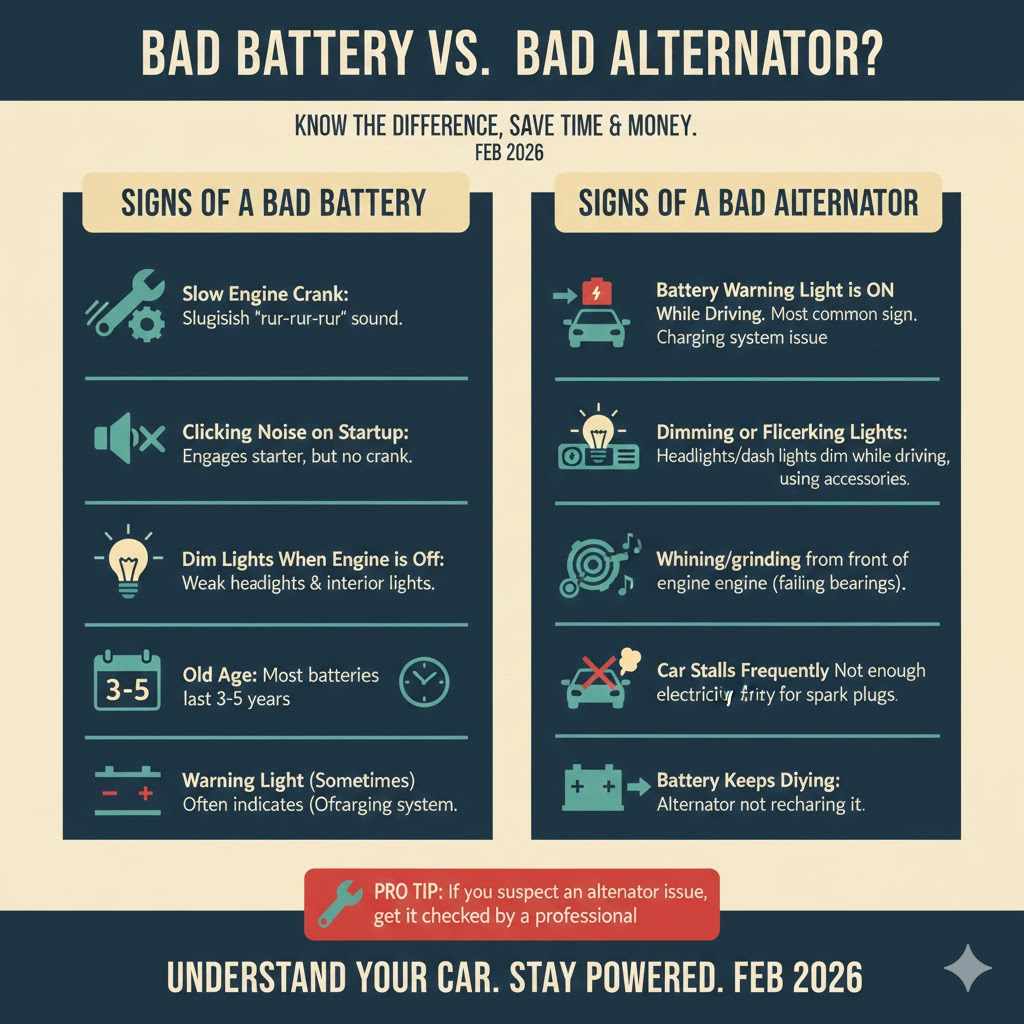
Signs of a Bad Battery:
- Slow Engine Crank: The engine turns over sluggishly when you try to start it (a “rur-rur-rur” sound).
- Clicking Noise on Startup: You hear a rapid clicking sound, but the engine doesn’t turn over. This means the battery has enough power to engage the starter, but not enough to crank the engine.
- Dim Lights When Engine is Off: Your headlights and interior lights are weak before you start the car.
- Old Age: Most car batteries last 3 to 5 years. If yours is older, it’s likely nearing the end of its life.
- Warning Light (Sometimes): A battery-shaped warning light may come on, but this light more often indicates a charging system problem (the alternator).
Signs of a Bad Alternator:
- Battery Warning Light is ON While Driving: This is the most common sign. The light often looks like a battery, but it indicates a problem with the entire charging system, usually the alternator.
- Dimming or Flickering Lights: Your headlights and dashboard lights dim or flicker while the car is running, especially when you use other accessories like the radio or AC.
- Strange Noises: You might hear a whining or grinding noise coming from the front of the engine, which could be the bearings inside the alternator failing.
- Car Stalls Frequently: The alternator provides power for the spark plugs. If it’s failing, it may not supply enough electricity, causing the engine to stall.
- The Battery Keeps Dying: If you have a relatively new battery that keeps dying, the alternator is the most likely culprit because it’s not recharging it.
If you suspect an alternator issue, it’s important to get it checked by a professional. Driving with a bad alternator can leave you stranded when the battery finally runs out of all its power. Regular vehicle checks, as recommended by the National Highway Traffic Safety Administration (NHTSA), can help you spot these issues early.
Frequently Asked Questions (FAQ)
1. How long do you have to drive a car to charge the battery?
For a meaningful charge after a jump-start, you should drive for at least 30 to 60 minutes. The ideal way is to drive at a steady highway speed, which allows the alternator to work most efficiently. A short, 10-minute trip around town won’t do much.
2. Will idling a car charge the battery?
Yes, idling does charge the battery, but it’s extremely slow and inefficient. At idle, the engine is at its lowest speed, so the alternator produces very little extra electricity. It could take hours of idling to put a significant charge back into the battery, and it wastes a lot of fuel.
3. Can a completely dead battery be recharged by driving?
It’s very unlikely. If a battery is so dead that it won’t even power the interior lights, driving alone probably won’t bring it back to full health. The alternator is meant to top off a battery, not perform deep-cycle charging. In this case, you should use a proper external battery charger for several hours.
4. Does turning on the heat or AC affect battery charging?
Absolutely. The blower fan for your heat and the compressor for your AC are two of the biggest electrical consumers in your car. Running them diverts a significant amount of power from the alternator, which means less power is available to charge the battery. For the fastest charge, keep them off.
5. Why does my car battery keep dying?
There are a few common reasons:
- Old Battery: The battery is simply too old (3-5+ years) and can no longer hold a charge.
- Bad Alternator: The alternator isn’t recharging the battery while you drive.
- Parasitic Drain: Something is staying on after you turn the car off, slowly draining the battery. This could be a faulty light, a radio, or a bad module.
- Short Trips: You only take very short trips, so the alternator never has enough time to replace the power used to start the car.
6. How often should I drive my car to keep the battery charged?
If you don’t use your car often, a good rule of thumb is to take it for a continuous 30-minute drive at least once a week. This is usually enough to keep the battery topped off and in good health, preventing it from slowly discharging while it sits.
Conclusion: Drive Smart, Stay Charged
So, does driving a car charge the battery? Absolutely, it does. It’s the primary way your vehicle keeps its battery healthy and ready to go. But as we’ve learned, it’s not just about starting the car and pulling out of the driveway. The secret lies in driving the right way—for long enough, at a steady speed, and without a heavy electrical load.
Remember the key takeaways:
- Your car’s alternator does the charging while the engine is running.
- Aim for at least a 30-minute drive at highway speeds for a good charge.
- Turn off accessories like the AC and radio to speed up the process.
- Driving is for maintaining or topping off a battery, not for reviving a completely dead one.
- If your battery keeps dying, investigate whether the problem is the battery itself or the alternator.
Understanding these simple principles puts you in control. The next time your car needs a jump-start, you’ll know exactly what to do to get your battery back in shape and drive with confidence. Happy motoring!