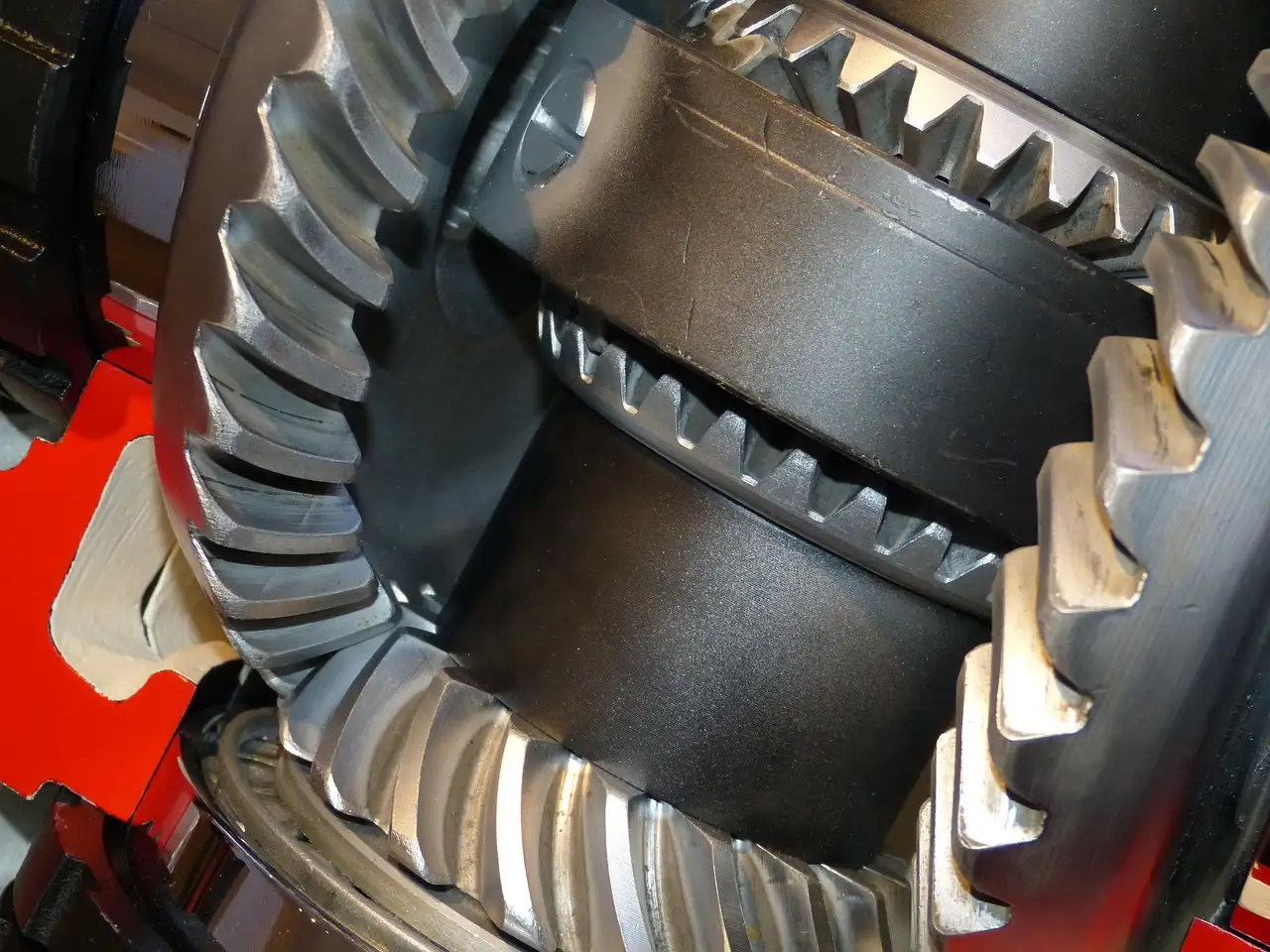
Differential Repair Cost
Differential repair cost is often about $300 to $1,500 for seal, bearing, or service work, while a damaged ring-and-pinion or case can push replacement into roughly the $1,500 to $3,500+ range; if the gears are scored or the housing is cracked, replacement is usually the better call. Ignoring whining noises, seepage at the seals, or metal flakes in the gear oil can wipe out the axle and send the bill higher fast. This guide breaks down symptoms, drivetrain layout, and the repair-versus-replace decision so you can judge the cost before you approve the work.
What a bad differential sounds like?


A failing differential often changes noise with vehicle speed. Whining on acceleration, humming at steady road speed, clunking on turns, vibration under load, and visible leaks all point to different failure paths, so the sound alone is not enough. A shop still has to sort differential trouble from transmission, wheel bearing, axle, or transfer case problems.
Whining on acceleration
Whining that gets louder under throttle often points to pinion bearing wear, incorrect gear setup, or ring-and-pinion damage. If the noise rises as speed rises, many shops start with the differential because gear wear and bearing preload issues often change pitch with load.
Humming at speed
Humming or a steady growl at road speed often points to bearings, especially pinion, side, or carrier bearings. The noise may stay present whether you accelerate or coast, which is why bearing failure is one of the most common repair paths before gear replacement becomes necessary.
Clunking, vibration, and metal in fluid
Clunking on turns can point to worn gears, excessive lash, or a limited-slip differential with worn clutch packs. Vibration under load can come from internal wear, but it can also come from a driveshaft, U-joint, axle, or transfer case. Metal flakes in the gear oil are a serious sign because they usually mean internal damage has already progressed.
Say your rear-wheel-drive sedan starts whining only when you accelerate onto the highway. If the sound eases when you lift off the throttle, a pinion bearing or ring-and-pinion problem is more likely than a wheel bearing. That pattern usually sends diagnosis to the differential before any larger drivetrain teardown.
Differential cost table
This table maps symptoms to likely failed parts and the service path that usually follows. Costs vary by layout, labor access, and damage level, but the repair decision is usually driven by whether the problem is fluid-related, bearing-related, gear-related, or severe enough to justify replacement.
| Symptom | Likely failed component | Cost tier | Service path |
|---|---|---|---|
| Whining on acceleration | Pinion bearing, ring-and-pinion wear, setup issue | Medium to high | Bearing repair or ring-and-pinion work |
| Humming at speed | Carrier bearing, side bearings | Low to medium | Bearing or seal repair |
| Fluid leak | Pinion seal, axle seal, cover gasket | Low | Service or bearing/seal repair |
| Clunk on turns | Lash, limited-slip clutch wear, internal gear wear | Medium | Bearing or ring-and-pinion work |
| Vibration under load | Internal wear, gear damage, driveline issue | Medium to high | Ring-and-pinion work or replacement |
| Metal in fluid | Severe bearing or gear failure | High | Full replacement |
What affects repair cost
Diagnostic time, parts access, and damage level drive most of the bill. A quick fluid service costs far less than a teardown for bearings or gears, and a front unit that shares space with the transmission can cost far more than a simple rear axle assembly. AWD and 4WD systems add more parts to sort through.
Labor time and diagnostic fees
Shops usually begin with a road test, fluid check, and inspection for leaks or metal. That diagnostic step matters because differential noise can be mistaken for transmission noise, axle noise, or even a transfer case issue. If the housing has to come apart, labor can quickly outrun the price of the parts.
Parts cost by vehicle class
Rear differential repair and replacement costs vary by vehicle. A rear differential on a pickup or SUV can be easier to service than a front transaxle-style unit, while a front differential in a FWD vehicle may be packaged with the transmission and cost more to replace. ConsumerAffairs lists front differential replacement at $2,000 to $8,000+, with FWD vehicles the most expensive cases because of transmission integration. ConsumerAffairs also lists 4WD/AWD front differential replacement at $2,500 to $5,000+.
That same spread shows up in examples: a Honda Civic front differential replacement estimate was $2,000, while a Mercedes-Benz CLA front differential replacement estimate reached $8,000+. A Ford F-150 front differential quote was $2,500, and a BMW 740i xDrive front differential quote was $5,000.
Towing, fluid condition, and use history
Towing, off-road use, and delayed fluid changes all raise repair risk. Heat thins gear oil, worn additives stop protecting bearings as well, and contaminated fluid can chew through gears faster. Differential fluid changes are often recommended every 30,000 to 60,000 miles, and limited-slip differential units may need the correct friction additive.
Suppose an AWD crossover tows a trailer through hot summers and the rear diff starts humming at 55 mph. If the fluid is dark or low, a shop may still be able to save the unit with service and bearing work. If metal is present, the decision moves toward gears or replacement much faster.
Rear differential versus front differential
Rear and front differentials do the same job, but the packaging is different. Rear-wheel-drive vehicles only have rear differentials, while front differentials are found in FWD, AWD, and 4WD vehicles. That matters because a front unit may be integrated into the transmission, while a rear unit may be part of a rear axle assembly.
RWD rear axle units
On RWD cars, trucks, and SUVs, the rear differential is the main unit in play. Repair can be more straightforward because the rear axle assembly is often separate from the transmission, though labor still rises if bearings, seals, or ring-and-pinion gears need replacement.
Front diffs in FWD, AWD, and 4WD vehicles
A front differential can sit inside or alongside the transmission case in FWD designs, which is why front differential replacement can be especially expensive. In AWD and 4WD vehicles, the front differential may work with a transfer case, so diagnosis has to separate diff noise from transfer case noise before the repair order gets written.
Why some FWD repairs run higher
FWD vehicles are the most expensive front differential cases because the unit may be built into the transmission. That means a failure that would be a simple rear axle repair on another layout can turn into major drivetrain labor here, especially if the housing, gears, or internal bearings are damaged.
Repair, rebuild, or replace?
Repair is usually the cheapest path when the problem is limited to seals, bearings, or fluid condition. Rebuild makes sense when the gears are still serviceable but several internal parts need replacement. Full replacement becomes the cleaner fix when the housing is cracked, the gears are scored, or the repair bill approaches the price of a remanufactured unit.
When bearings and seals are enough
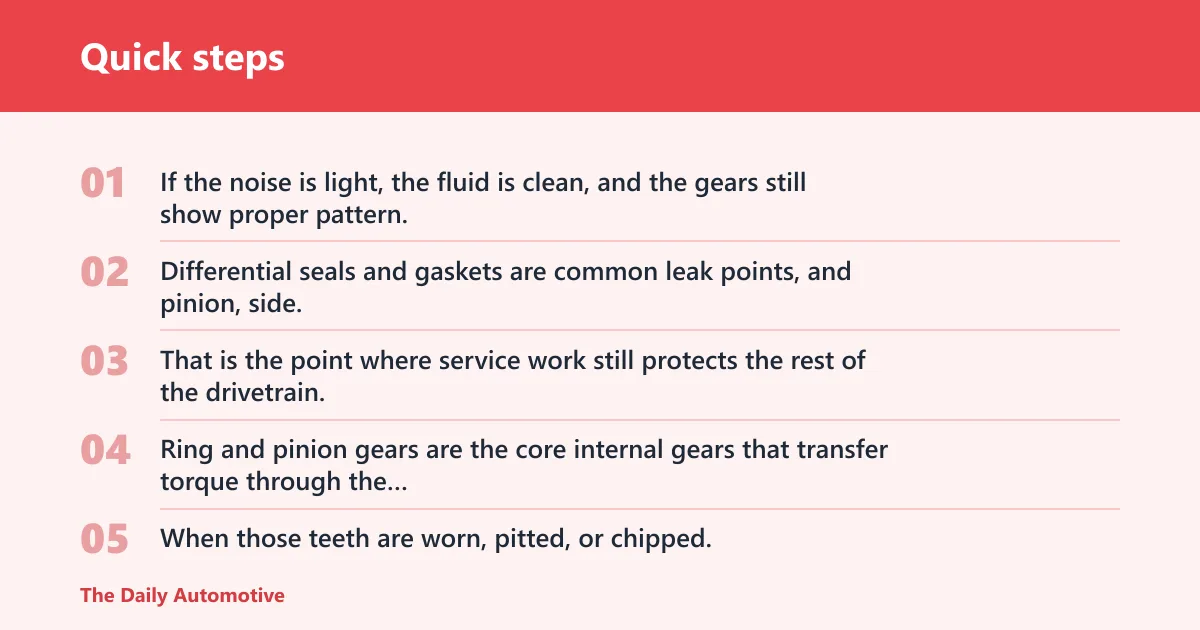
If the noise is light, the fluid is clean, and the gears still show proper pattern, a bearing-and-seal job can make financial sense. Differential seals and gaskets are common leak points, and pinion, side, and carrier bearings are common wear items. That is the point where service work still protects the rest of the drivetrain.
When ring-and-pinion work makes sense
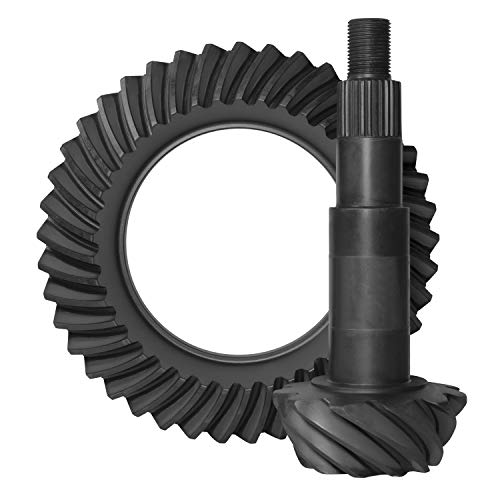
Ring and pinion gears are the core internal gears that transfer torque through the differential. When those teeth are worn, pitted, or chipped, a gear set replacement can be the right move. This is more expensive than a seal job, but still cheaper than replacing the whole unit if the case is usable.
When a full replacement is the cleaner fix
If the fluid contains heavy metal, the case is cracked, or the unit has run long enough to damage multiple bearings and gears, replacement is often the better financial choice. The risk is simple: once the internal parts have eaten themselves, the bill can jump from service work to a complete axle or differential assembly.
Common first-timer mistake is assuming a rear-end noise always means the rear differential itself. A bad wheel bearing, axle shaft, driveshaft U-joint, or transfer case can sound very similar, especially in AWD and 4WD systems. A proper inspection helps keep you from paying for the wrong assembly.
Can you keep driving?
Short trips to a shop may be reasonable if the noise is mild and the fluid level is still safe, but continuing to drive a noisy differential is risky. Whining that changes with speed, grinding, vibration, or leaking gear oil can turn into ring-and-pinion failure or a locked axle if you wait too long.
When noise needs immediate inspection
If the noise gets louder under load, the vehicle feels unstable in turns, or you see fresh gear oil under the axle, the car should be inspected soon. A differential that runs low on fluid can overheat bearings and gears quickly, and that usually raises the cost more than a quick seal repair would have.
Signs that point to stop-driving risk
Stop driving and arrange towing if you hear grinding, see metal in the fluid, or notice a sudden change in handling. Those signs suggest active internal damage, not just wear. If the unit is slipping, binding, or clunking hard, the chance of collateral damage to the axle or transmission increases fast.
When the issue may be a transfer case or axle instead
In AWD and 4WD vehicles, the transfer case can mimic differential noise, and a damaged axle or driveshaft can do the same. That is why diagnosis matters before any tear-down. Front differential noise in a FWD car can also be confused with transmission trouble because the assemblies are closely packaged.
Frequently asked questions
How much does it cost to fix a differential?
Most differential repair jobs fall into two bands: about $300 to $1,500 for fluid service, seals, or bearings, and much more for gear damage or replacement. The final price depends on layout, access, and whether the housing still supports a rebuild. Front units usually cost more than rear units when the transmission is involved.
How much does differential repair cost?
For a repair, not a full replacement, the bill often depends on whether the shop is replacing a seal, a bearing, or an internal gear set. A seal job is usually the cheapest, bearings are next, and ring-and-pinion work pushes the total higher because setup labor is more involved.
How much differential service cost
Fluid service is the least expensive path and is often recommended every 30,000 to 60,000 miles. The price varies with oil type, fill capacity, and whether a limited-slip differential needs friction additive. Service is worth it because clean gear oil can delay the kind of wear that turns into bearing or gear damage.
How much does rear differential repair cost?
Rear differential repair cost depends on whether the issue is a leak, bearing wear, or gear damage. Rear-wheel-drive vehicles only have rear differentials, so diagnosis is usually more direct than on AWD systems. If the housing is damaged or the gears are noisy, replacement can be cheaper than rebuilding a badly worn unit.
What signs mean my differential is failing?
Whining on acceleration, humming at speed, clunks on turns, vibration under load, leaks, and metal in the fluid are the main warning signs. Noise that changes with vehicle speed is especially common. Because transmission, axle, wheel bearing, and transfer case faults can sound similar, the next step should be inspection, not guessing.
Is differential repair cheaper than replacement?
Yes, when the damage is limited to seals, bearings, or fluid-related wear. Repair becomes less attractive when the ring and pinion are scored, the case is cracked, or several internal parts are damaged at once. At that point, replacement can be the simpler and sometimes cheaper long-term choice.
How often should differential fluid be changed?
A common interval is every 30,000 to 60,000 miles, though towing, off-road use, and heavy loads can shorten that window. Limited-slip differentials may also need the correct friction modifier, and missing that additive can create chatter or clutch wear. Fresh fluid is one of the lowest-cost ways to protect the unit.
What affects rear differential replacement cost
Vehicle layout, labor access, gear type, and whether the unit is part of a larger assembly all affect the price. Rear differentials on RWD vehicles are usually simpler than front units in FWD or AWD vehicles. Damage to the gears, bearings, housing, or related driveline parts pushes the cost up fast.
Products related to this article
Sponsored / affiliate links. As an Amazon Associate I earn from qualifying purchases. I may earn additional commission from eligible campaigns.