Leather Hides for Car Upholstery: Types, Sizing & Buying Guide
A leather hide for car upholstery is raw tanned leather sold by the square foot or as a whole/half hide, meant to be cut and sewn into new seat covers, door panels, or armrests — not a cleaner or conditioner. Automotive-grade hides run roughly $3 to $8 per square foot depending on grade, with a full cowhide covering about 45 to 55 square feet. If you’re looking to clean or repair leather you already have, see our guides on repairing car upholstery or cleaning leather seats instead — this guide is specifically about sourcing the raw material for a full reupholster or restomod project.
What Are Leather Hides for Car Upholstery?
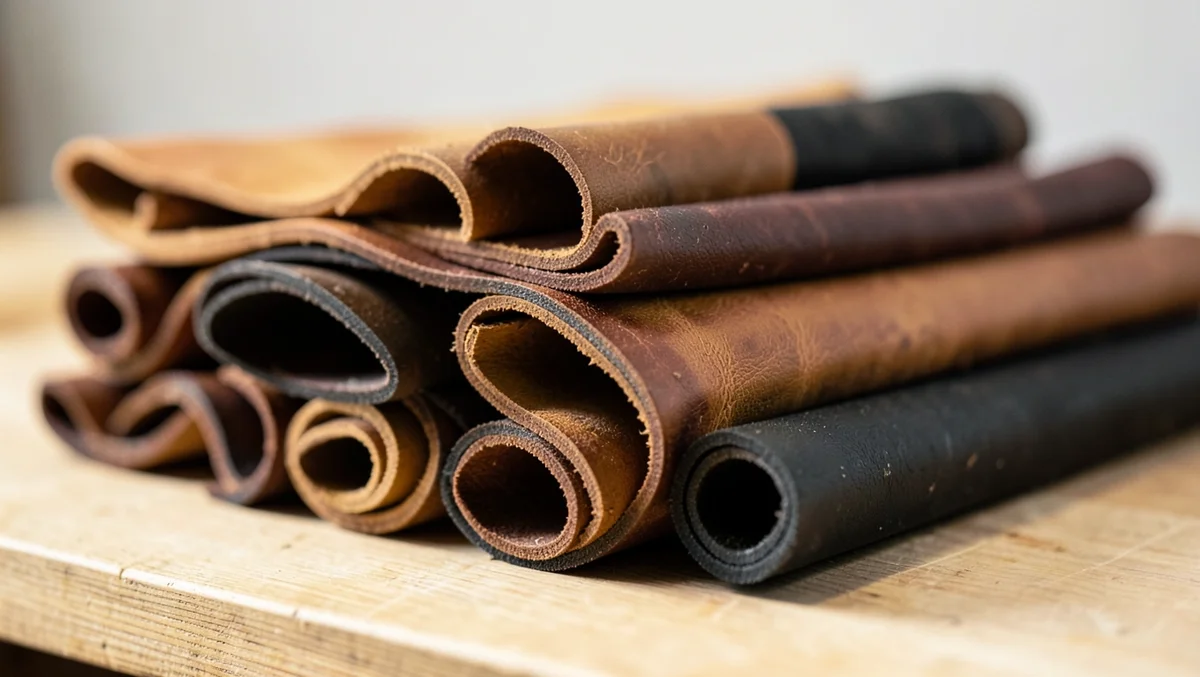
A leather hide is an entire tanned animal skin, almost always cowhide for automotive work, sold flat and uncut so an upholsterer or DIYer can lay out their own seat patterns on it. This is different from buying a pre-cut seat cover or a small repair patch: a hide gives you enough material to reupholster an entire interior, match grain and color across every panel, and cut around natural marks or scars in the skin. Automotive hides are typically thinner and more tightly finished than furniture leather, since they need to resist UV fading, temperature swings, and years of friction from getting in and out of the seat.
MADE FOR AUTOMOTIVE SEATING
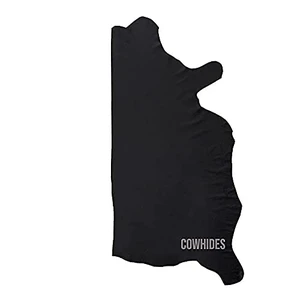 |
GM Meridian Black Leather Hide (Full Side, 3 ft x 7.5 ft) – $86.99 This is a genuine automotive-spec cowhide side sold specifically for seat upholstery, not a furniture or craft hide, so the finish and thickness are already matched to what a car seat needs.
|
Full-Grain vs. Top-Grain vs. Bonded Leather: Which Grade Should You Buy?
Every leather hide listing uses one of these three grade terms, and the grade determines both price and how the seat will actually hold up. Buying the wrong grade is the most common mistake first-time DIY upholsterers make.
| Grade | What It Is | Best For | Typical Price Range |
|---|---|---|---|
| Full-grain | The outer layer of the hide, unsanded, with the natural grain and any marks left intact | Restomods, classic cars, high-end DIY work where authenticity matters | $6–$12+/sq ft |
| Top-grain (corrected-grain) | Lightly sanded to even out the surface, then embossed with a uniform artificial grain pattern | Most factory-style reupholstery jobs — this is what most OEM automotive leather actually is | $3–$8/sq ft |
| Bonded leather | Leftover leather fibers glued to a fabric backing, not a real hide | Budget interior trim pieces only — avoid for seating surfaces, it peels and cracks within a few years | $1–$3/sq ft |
For a seat that gets sat on daily, top-grain automotive leather is almost always the right call: it’s what most manufacturers actually used from the factory, it’s easier to color-match, and it costs far less than full-grain without the durability trade-off bonded leather makes. Save full-grain for a show car or a project where the natural grain variation is part of the appeal.
How Much Leather Do You Need to Reupholster a Car Seat?
Hides are sold as a half side (roughly 20–25 sq ft), a full side (roughly 40–50 sq ft), or an occasional whole hide before it’s split down the backbone. As a rough rule of thumb that professional automotive upholsterers use for estimating material, budget for the following, then add 10–15% extra for pattern matching and mistakes:
| Project | Approximate Leather Needed |
|---|---|
| One bucket seat (seat + back + bolsters) | 12–18 sq ft |
| A pair of front bucket seats | 24–35 sq ft (roughly one half side, or a bit more) |
| Rear bench seat | 15–25 sq ft |
| Full interior (front + rear seats, door panels, console) | 45–65 sq ft (roughly one full side to a side and a half) |
These figures assume standard bucket or bench seats in a typical sedan or coupe; larger truck bench seats, extra bolstering, or perforated panels that need a backing layer will push you toward the higher end of each range. Always order slightly more than the estimate — running short mid-project means trying to color-match a second hide, which rarely comes out identical.
Hide Thickness and Weight for Automotive Upholstery
Automotive seat leather is thinner than the leather used for furniture or bags, because a thick hide is harder to sew over foam contours and adds unwanted bulk to seams. Most automotive-grade hides are finished to roughly 1.0–1.3mm (commonly listed as “2.5–3oz” in the leather trade), which is thin enough to wrap tight bolster curves without puckering but still holds a stitch line without tearing. If a listing doesn’t state a thickness in millimeters or ounces, it’s worth asking the seller before buying — a hide meant for belts or wallets (often 3–5mm) will be far too stiff to sew into a seat cover.
DIY Reupholstering vs. Hiring a Professional
Buying your own hide only saves money if you’re prepared to do the sewing yourself, or you already have a relationship with an upholsterer willing to work with customer-supplied material (some shops charge a surcharge or decline this, since they can’t warranty a hide they didn’t source). A professional reupholster job typically runs $150–$400+ per seat in labor alone on top of material costs, so supplying your own hide mainly pays off on a multi-seat job or when you want a specific color/grain a shop doesn’t stock.
- DIY makes sense when: you have (or are willing to learn) a heavy-duty sewing machine capable of leather, you’re doing a full interior where per-seat labor savings add up, or you want a hide/color combination no local shop carries.
- Hire a professional when: the seats have complex factory stitching patterns (perforation, contrast piping, embossed logos), the foam or frame also needs repair, or this is a one-off seat where the labor cost difference is small relative to your time.
Leather Hides vs. Marine-Grade Vinyl: Which Holds Up Better in a Car?
Marine-grade vinyl is the main alternative material for a DIY reupholster, and it’s worth considering before committing to real leather. Vinyl costs less per square foot, comes in wider rolls (less seaming on large panels), and resists UV fading and mildew better than leather — which is why it’s the default on boat seating. Real leather breathes better against skin in hot weather, ages with a patina instead of just wearing out, and is what most buyers expect in a factory-leather-optioned car, which matters for resale value. If the vehicle sits outside in intense sun or high humidity most of the year, vinyl is the more practical daily-use choice; for a car kept garaged or a resale-focused restoration, leather is worth the extra cost.
Frequently Asked Questions
How Much Does a Leather Hide Cost for Car Upholstery?
Automotive-grade top-grain leather typically runs $3 to $8 per square foot, while full-grain leather runs $6 to $12 or more per square foot. A full side (40–50 sq ft) generally costs $150 to $400 depending on grade, with automotive-specific hides often priced toward the lower end since they’re finished thinner than furniture leather.
What Is the Difference Between a Full Hide and a Half Hide?
A full hide is the entire tanned skin, roughly 45 to 55 square feet for cowhide. Tanneries commonly split it down the backbone into two “sides” of about 20 to 25 square feet each, sold separately as half hides. Buying a full hide (or two matching sides) is the safest way to keep color and grain consistent across every panel of a multi-seat project.
Can You Use Furniture Leather for Car Seats?
Technically yes, but it’s not ideal. Furniture leather is usually thicker and finished for indoor use, so it can crack or fade faster under a car’s UV exposure and temperature swings than leather finished specifically for automotive use. If you do use furniture-grade leather, look for a hide finished at 1.0–1.3mm rather than the thicker 1.4mm+ common in couch leather.
How Many Square Feet Is a Full Cowhide?
A full cowhide typically covers 45 to 55 square feet, though this varies by the animal’s size and the tannery. Listings usually specify the exact square footage since hides are natural, irregularly shaped material and no two are identical — always check the listed square footage rather than assuming a standard size.
Do I Need Special Tools to Sew Automotive Leather?
Yes — a standard household sewing machine generally cannot punch through leather and foam-backed panels reliably. Automotive upholstery work is usually done on a walking-foot or heavy-duty industrial machine with a leather-point needle, plus hand tools like a rotary cutter, an edge beveler, and contact cement for gluing panels before stitching.
The Bottom Line
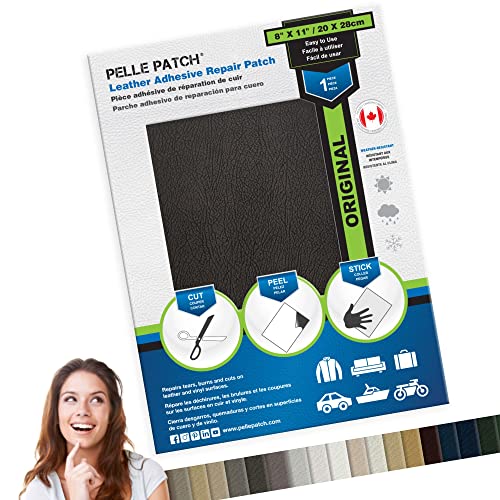
Buying a leather hide is the right move when you’re reupholstering an entire seat or interior and want control over grade, color, and grain matching — not when you’re patching a small tear or refreshing existing leather. For that smaller job, our guide to upholstery patches for car seats covers the cheaper $10–$25 fix, and our car upholstery repair guide walks through fixing tears, burns, and sagging without replacing the whole seat cover. Once new leather is installed, keeping it conditioned with a product like a dedicated leather cleaner will help the new hide outlast the seat it’s covering.
Products related to this article
Sponsored / affiliate links. As an Amazon Associate I earn from qualifying purchases. I may earn additional commission from eligible campaigns.