Why Do Car Windows Fog Up Inside When It Is Cold?
If your windows fog on the inside, the cabin air is too humid, and cold glass has dropped below the dew point, so moisture condenses there. Ignore it, and you lose visibility, spend time clearing the glass, and may be hiding a leak or wet interior that keeps coming back. This guide explains the humidity sources, the fastest way to clear it now, and how to find the moisture source for good.
This guide is part of our Winter Car Care: The Complete Cold-Weather Guide series.
Why car windows fog up inside

- Measures humidity and temperature
- Fast updates every 10 seconds
- Works in many spaces
Inside fog is condensation. Moisture in the cabin air, often from breath, wet clothing, or snow brought in on shoes, hits the cold windshield and turns into tiny droplets. The windshield often fogs first because it is usually the coldest interior surface in winter.
How humid air turns into fog
Water vapor is always present in the cabin. When that vapor touches glass that is colder than the air’s dew point, it condenses. The glass turns cloudy before the cabin feels “wet” because condensation happens on the surface first, not in the air you can feel.
Why the windshield fogs first
The windshield sits in front of cold outside air, so its inner surface cools quickly. Side glass may fog too, but the large windshield usually shows the problem first. That is why drivers often notice a hazy center view before they see moisture on the doors or rear glass.
What dew point means for your cabin
Dew point is the temperature where moisture starts condensing out of the air. That matters because the cabin can feel comfortable while the glass is still cold enough for fog to form. You do not need a “steamy” cabin for fog to appear.
Why glass can fog before the cabin feels damp
Air can hold more water vapor when it is warmer. As the cabin cools overnight, the same amount of moisture becomes harder to keep in the air. The glass reaches dew point first, so you get a film on the windows before you notice moisture anywhere else.
Why cold weather makes the problem worse
Cold weather lowers the temperature of the glass and often raises the moisture load inside the car. Snow on boots, wet coats, and breath from passengers all add water vapor. The colder the glass, the less extra moisture it takes to trigger fogging.
How to clear fog right now
Use the defroster with outside air and dry air from the A/C system. Aim airflow at the windshield, turn on the air conditioning if your system allows it, and switch off recirculation if the fog is getting worse. Heat helps, but airflow and drying do the real work.

Use the defroster with fresh air
The HVAC defroster clears the glass by moving air across it. Warm air helps because it can carry more moisture, and outside air helps because it is usually drier than the cabin air trapped inside. If the vents are aimed correctly, airflow strips moisture from the glass faster than idle cabin air can condense it.
Turn on A/C to dry the air
The air conditioning system does not only matter in summer. It pulls moisture out of the incoming air, which helps winter defogging by lowering the amount of water vapor available to condense. Many cars will dry the air even when the heat is on, as long as the compressor can run.
Switch off recirculation if fog gets worse
Recirculation mode traps the same humid air inside the cabin. That can be useful briefly in dusty air or extreme cold, but it often makes fogging worse when moisture is already high. Outside air usually clears the glass more quickly.
- Set the front defroster.
- Direct air to the windshield and side windows.
- Use the A/C if it can run with heat.
- Turn off recirculation.
- Raise the fan speed until the glass clears.
Car windows fog up decision table
| Symptom | Likely cause | Fastest fix |
|---|---|---|
| Morning-only fog | Overnight cooling drops the windshield below dew point. | Run the defroster with outside air and A/C until the glass clears. |
| Fog that returns after defrosting | Cabin moisture source is still present. | Find wet mats, damp clothing, leaks, or standing water. |
| Fog with wet floor mats | Water is evaporating from the cabin floor. | Remove the mats, dry the carpet, and stop the water source. |
| Fog mainly on the windshield | The windshield is the coldest interior glass. | Use front defrost, outside air, and a higher fan setting. |
| Fog that is worse with recirculation on | Humid cabin air is being trapped inside. | Turn recirculation off and bring in outside air. |
Why does the fog keep coming back?
If fog returns soon after clearing, the cabin still has a moisture source or the defroster cannot move enough air. Wet mats, snow-covered boots, leaks, and weak airflow are the common reasons. A clogged cabin filter can also slow defogging by reducing vent output.
Wet mats, boots, and clothes
Snow melts into water inside the vehicle. Wet floor mats, damp carpet, soaked seats, and jackets left on the seat all release moisture into the cabin air. That water vapor can refill the air faster than a weak defroster can remove it.
Picture a compact car with two damp front mats and a rear floor mat full of melted slush. Even if the windshield clears in five minutes, the fog may be back at the next stop because the cabin is still drying itself from the inside.
Leaks and standing water
Leaks can keep a cabin humid for days. Sunroof drain problems, door seal leaks, blocked cowl drains, or standing water under the carpet can all contribute to repeated fogging. If the fog is persistent and the carpet feels damp, look for the water source before relying on the defroster alone.
Cabin filter or vent airflow problems
A clogged cabin filter can reduce airflow enough to weaken defog performance. Blocked vents, a weak blower motor, or a dirty filter all slow how quickly dry air reaches the glass. If the fan sounds normal but little air comes out, airflow deserves attention.
Suppose the windshield clears only when the fan is on high, then clouds back up when the fan drops. That pattern points to poor airflow, not just humid air. A new cabin filter may help if the old one is dirty or overdue.
How to keep the inside glass clear

Keep moisture out of the cabin, keep air moving, and keep the glass clean. Those three habits matter more than blasting heat alone. A clear windshield in winter is usually the result of dry air, not maximum temperature.
Remove moisture sources from the cabin
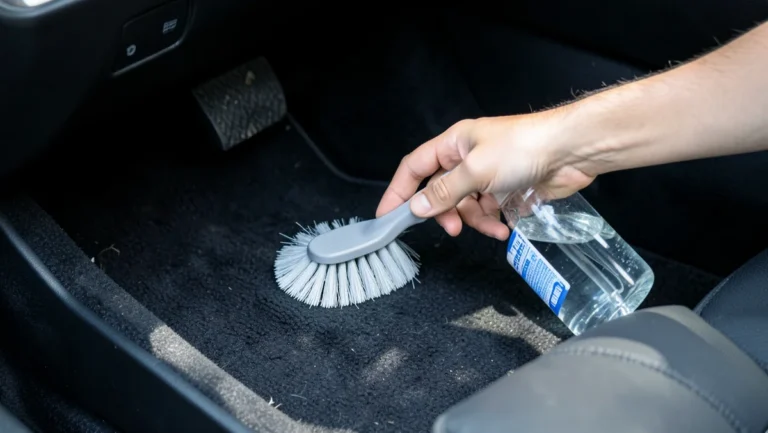
Shake snow off shoes before getting in. Remove wet mats, dry damp seats, and do not leave soaked gear in the car. If the cabin has standing water, drying the interior and fixing the leak matters more than repeated defrost cycles.
Keep the inside glass clean
Film on the inside glass gives moisture a place to cling, which can make fog appear faster and linger longer. Clean the windshield and side glass with a glass-safe cleaner so the surface is not coated with residue from smoke, off-gassing, or dashboard dust.
Use the right HVAC settings before driving
Before you pull away, choose front defrost, outside air, and enough fan speed to move dry air across the glass. If your system allows it, keep A/C on with heat. Turn recirculation off unless you have a specific reason to use it.
Frequently asked questions
Why car windows fog on the inside
They fog because humid cabin air hits cold glass and reaches its dew point. Breath, wet clothes, and snow carried into the car add moisture. The glass fogs first because it cools faster than the rest of the cabin and becomes the first surface where condensation forms.
What causes car windows to fog up
Fog comes from water vapor inside the cabin, not from the glass itself. Common sources are passengers’ breath, wet floor mats, damp clothing, snow on boots, and leaks. When that moisture touches a cold windshield or side window, it condenses into a visible film.
Why does my car windshield fog up?
The windshield fogs first because it is usually the coldest interior surface in winter. Moist cabin air hits that cold glass and condenses there before the rest of the cabin feels damp. Strong defroster airflow and dry outside air usually clear it fastest.
Why does my car fog up inside?
Your car fogs up inside when the cabin air is too humid for the cold glass. That humidity can come from breath, wet items, or a leak that keeps the interior damp. If it happens often, the cause is usually more than weather alone.
Products related to this article
Sponsored / affiliate links. As an Amazon Associate I earn from qualifying purchases. I may earn additional commission from eligible campaigns.