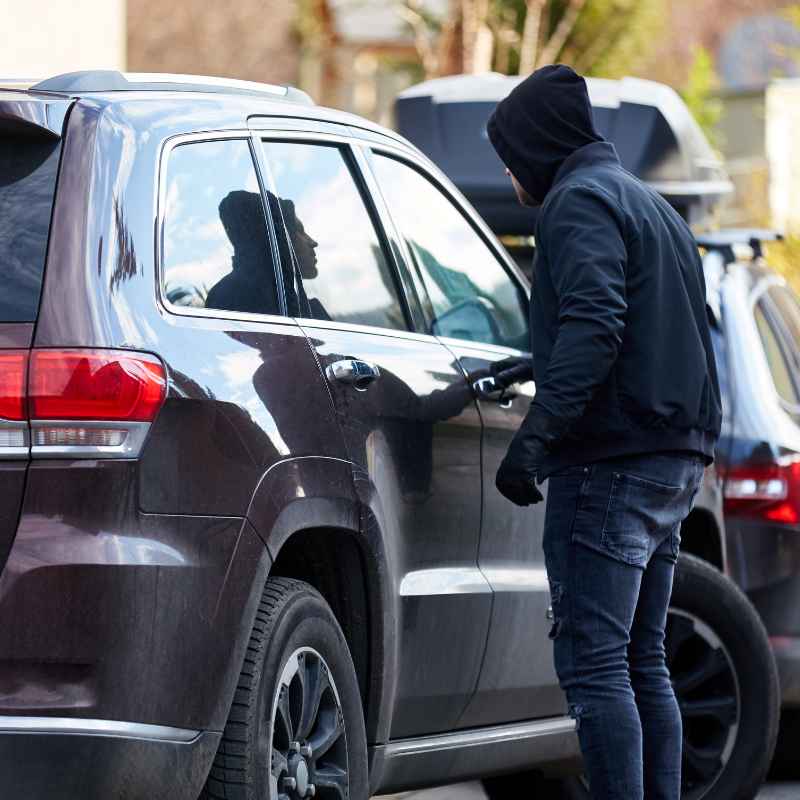
Does Insurance Cover Car Theft? What Your Policy Includes
Losing your car to theft feels awful. It’s a violation that brings stress and worry. You might wonder if your insurance policy has your back.
This is a common concern for many car owners. We’re here to break down what car insurance covers when it comes to theft. Let’s explore the details together so you know exactly where you stand.
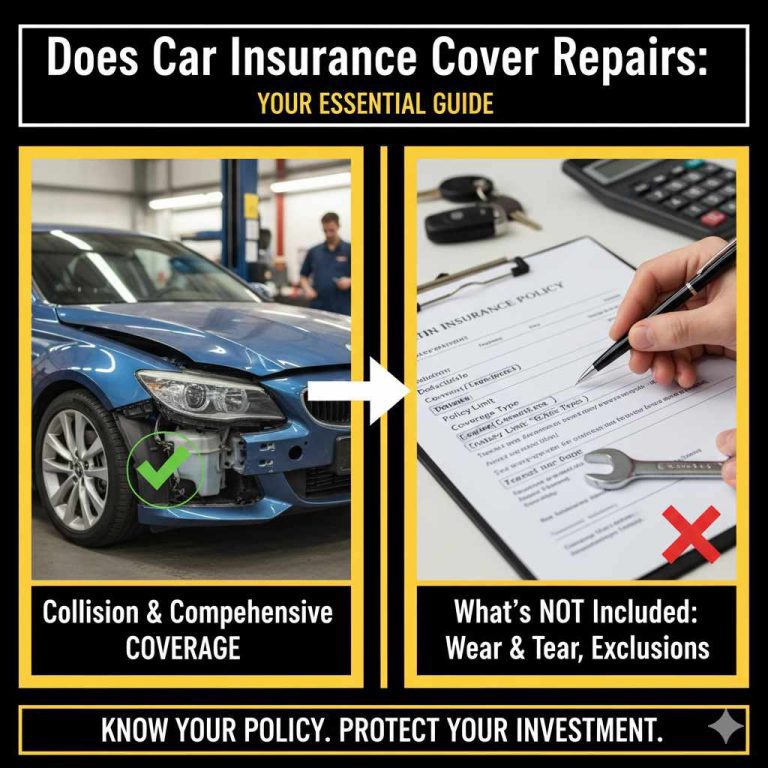
Generally, if you have comprehensive coverage on your auto insurance policy, it will help pay to replace your stolen car or repair it if it’s found damaged. If you only have liability coverage, it won’t cover theft of your vehicle.
Understanding Comprehensive Coverage
The main type of car insurance that covers theft is called comprehensive coverage. Think of it as protection beyond just accidents. It’s designed to cover damage to your car from things that are not collisions.
This includes things like theft, vandalism, fire, or hitting an animal. Most policies refer to it as “other than collision” coverage. This is a crucial part of knowing if your car is protected.
Without comprehensive coverage, if your car is stolen, you would likely have to pay for a replacement yourself. This can be a huge financial burden. Many people don’t realize this until it’s too late.
It’s always good to review your policy yearly. Make sure you understand what each part of your policy does for you.
Comprehensive coverage is often an add-on. It is not always required by law. State minimums for car insurance usually only cover damage you cause to others.
This is liability coverage. It does not cover your own vehicle. This is a big difference.
It means you need to actively choose to add this protection.
When you buy comprehensive coverage, you pick a deductible. This is the amount you pay before insurance kicks in. A lower deductible means higher premiums.
A higher deductible means lower premiums. You need to find a balance that works for your budget and risk tolerance. For example, if your car is stolen and you have a $500 deductible, you pay the first $500.
Then, the insurance company pays the rest, up to your car’s actual cash value.

What Your Auto Insurance Policy Might Include
So, if your car is stolen, what exactly does comprehensive coverage pay for? It’s not just about the car itself. It can cover a few related things too.
This makes it a more complete form of protection. Understanding these details can ease your mind.
Primarily, it covers the actual cash value (ACV) of your stolen vehicle. This is what your car was worth just before it was stolen. It’s not what you paid for it.
It’s also not what it would cost to buy a brand-new identical car. ACV takes into account depreciation. Factors like mileage, age, condition, and wear and tear all play a role.
Your insurance company will determine this value.
Sometimes, if your car is found after being stolen, it might have sustained damage. Comprehensive coverage usually helps pay for these repairs. This is up to the ACV of the car.
If the repair cost exceeds the car’s value, the insurance company might declare it a total loss. Then, they will pay you its ACV. This helps you get back on the road.
Some policies might also offer rental car reimbursement. This is often an optional add-on. If you have it, it can help pay for a rental car while yours is stolen or being repaired.
There are usually limits on the daily amount and the number of days. Check your policy to see if you have this coverage.
Another potential benefit is coverage for personal items stolen from your car. However, this is often not covered by your auto insurance. It’s usually covered by your homeowner’s or renter’s insurance policy.
There are exceptions, so it’s worth checking your auto policy specifics. Most policies will not cover items like laptops or phones left in the car.
It’s important to note that
Key Policy Components for Theft Coverage
Coverage Type: Comprehensive (Other Than Collision)
What it Covers: Theft of your vehicle, damage from theft.
Valuation: Actual Cash Value (ACV) of the car before theft.
Deductible: Amount you pay out-of-pocket before insurance pays.
Optional Add-ons: Rental Car Reimbursement.
Exclusions: Often excludes personal belongings stolen from the car.
Factors That Affect Your Coverage and Payout
Several things can influence whether you’re covered for car theft and how much you get paid. It’s not always a simple process. Insurance companies look at specific details of the situation.
Knowing these can help you prepare and understand the outcome.
The type of coverage you have is the biggest factor. As we’ve discussed, if you don’t have comprehensive coverage, theft is usually not covered. It’s as simple as that.
Many drivers opt out of comprehensive coverage on older cars. They feel the cost of premiums outweighs the car’s depreciated value. This is a personal financial decision.
Your deductible plays a significant role in your payout. If your car is stolen and its ACV is $10,000, and you have a $1,000 deductible, your payout will be $9,000. If your deductible was $500, your payout would be $9,500.
Always choose a deductible you can afford to pay if needed.
The actual cash value (ACV) of your car is crucial. If you drive a very old car with high mileage, its ACV might be quite low. If it’s stolen, the payout might not be enough to buy a comparable replacement.
This is where some drivers feel shortchanged. It’s important to have realistic expectations based on your car’s age and condition.
The circumstances of the theft can also matter. If your car was stolen while parked in a high-crime area, this is typically covered. However, if you were involved in something illegal, it might affect coverage.
For example, if the car was stolen during a crime you were committing, your insurance might deny the claim. Your insurance policy has a list of exclusions.
Did you have any modifications on your car? Aftermarket additions like custom stereos or performance upgrades might not be fully covered. Some policies offer limited coverage for modifications.
You might need separate insurance for custom parts. Always inform your insurer about any significant changes to your vehicle.
Finally, your claims history can be a factor. If you have a history of frequent claims, your premiums might be higher. However, it doesn’t usually prevent coverage for a theft claim itself, assuming you have the right coverage.
Insurers might raise rates after a claim, though.
Understanding Your Payout
- Policy Limits: Ensure your comprehensive limit is set to your car’s ACV.
- Deductible Amount: This is subtracted from the ACV.
- Car’s ACV: The market value of your car before the theft.
- Modifications: Custom parts may need separate or additional coverage.
- Claim Circumstances: Illegal activities can void coverage.
My Own Experience with a Stolen Car
I remember one chilly Tuesday evening. I had parked my trusty old sedan in my usual spot outside my apartment building. I was working late on a project, completely absorbed.
Around midnight, I got a call from a neighbor. They said my car wasn’t where I usually parked it. My heart sank.
I rushed outside, and sure enough, it was gone.
Panic set in. That car was my lifeline. It carried me to work, to see family, and on all my errands.
I immediately called the police to file a report. Then, I sat down, feeling numb, and opened my laptop. I pulled up my insurance documents.
I had comprehensive coverage, thankfully. I remembered choosing it because I lived in a city where car theft was sadly not uncommon. I held my breath hoping for the best.
The next day, the police found my car. It had been joyridden and left abandoned a few towns over. It was a mess.
The ignition was damaged, the interior was trashed, and one of the tires was flat. I felt a wave of relief that it was found, but also dread about the repairs. My insurance adjuster was kind.
They explained the process. We looked at the ACV of my car. It wasn’t high, but it was fair for its age.
They covered the repairs, minus my deductible. It was a stressful ordeal, but my insurance truly helped me get back on track without breaking the bank.
What To Do If Your Car Is Stolen
If you discover your car has been stolen, it’s an incredibly upsetting experience. But acting quickly and correctly is key. Here’s a step-by-step guide on what you should do immediately.
This will help you navigate the process smoothly.
1. Contact the Police Immediately: This is your absolute first step. Call your local police department non-emergency line or 911 if you witnessed the theft.
Provide them with as much detail as possible: your car’s make, model, color, license plate number, and any distinguishing features. Get a copy of the police report. You will need this for your insurance claim.
2. Notify Your Insurance Company: Call your insurance agent or the claims department as soon as possible after filing the police report. They need to be informed promptly.
Explain the situation clearly. Have your policy number ready. The sooner you notify them, the sooner they can start processing your claim.
3. Gather Your Documents: Collect all relevant documents. This includes your insurance policy, the police report number, vehicle registration, and proof of ownership.
If you have records of recent repairs or upgrades, gather those too. This information can be helpful when discussing your car’s value.
4. Cooperate with the Insurance Adjuster: The insurance company will assign an adjuster to your case. They will investigate the theft and determine the value of your car.
Be honest and provide them with all requested information. If your car is recovered, the adjuster will assess any damage and determine repair costs.
5. Understand the Valuation Process: If your car is not recovered, or if it’s recovered but deemed a total loss, the insurance company will pay you the actual cash value (ACV) of your car. They will likely use valuation services to determine this.
You can research similar cars for sale in your area to compare. This helps you understand if the offer is fair.
6. Consider Loan or Lease Payoff: If you have a loan or lease on the stolen vehicle, your insurance payout might go directly to the lienholder or leasing company to pay off the remaining balance. If the ACV is more than what you owe, you’ll receive the difference.
If it’s less, you might still owe money to the lender. This is where gap insurance can be very helpful.
Quick Steps for Car Theft
Report to Police: File a report immediately. Get the report number.
Call Insurer: Notify your insurance company right away.
Gather Paperwork: Policy, police report, registration.
Work with Adjuster: Provide all details honestly.
Understand ACV: Know how your car’s value is determined.
Lender Notified: If you have a loan, your insurer will contact them.
When Is Car Theft NOT Covered?
While comprehensive coverage is broad, it does have limitations. There are specific situations where your insurance company might deny a theft claim. Understanding these exclusions can prevent surprises.
It’s always better to know the “what ifs” beforehand.
One common exclusion is if the theft occurred because you left your keys in the car. Many policies state that the owner must take reasonable precautions to prevent theft. Leaving your keys accessible, especially in an unlocked car, can be seen as negligence.
This can lead to a denied claim. Always lock your doors and take your keys.
If the vehicle was used for illegal activities at the time of the theft, coverage might be denied. For instance, if the car was stolen while being used in a robbery or other crime, the insurer might consider it an exclusion. This is because the policy is for normal use, not for criminal enterprises.
Another scenario involves staged thefts. If an insurance company suspects that the theft was faked to collect insurance money, they will investigate thoroughly. If they find evidence of fraud, the claim will be denied.
They may also pursue legal action against the policyholder.
Damage or loss resulting from fleeing from the police can also be excluded. If a car is stolen and then crashed while the thief is trying to escape law enforcement, the damage might not be covered under the theft claim. The circumstances surrounding the discovery of the car can sometimes affect coverage.
Furthermore, if you have undisclosed drivers who took the car without permission and it was stolen, this might complicate things. Most policies require that the primary driver is listed. Unauthorized use can sometimes be a gray area.
Finally, wear and tear or mechanical failure that leads to the car being vulnerable to theft might not be covered. For example, if a faulty lock mechanism made it easy to steal, and this was due to poor maintenance, the insurer might not cover the loss. Regular maintenance is important for your car’s overall health and safety.
Common Exclusions for Theft Coverage
Keys Left in Car: Negligence can void coverage.
Illegal Activity: Using the car in a crime.
Staged Theft: Faking a theft for insurance money.
Police Pursuit Damage: Damage during a police chase.
Unauthorized Use: Complications with unlisted drivers.
Poor Maintenance: Vulnerability due to lack of upkeep.
Preventing Car Theft: Tips for Peace of Mind
While insurance is there for when the worst happens, prevention is always better than the cure. Taking proactive steps can significantly reduce the risk of your car being stolen. These simple habits can save you a lot of heartache and hassle.
Always Lock Your Doors and Close Windows: This sounds obvious, but many thefts happen because cars are left unlocked. Make it a habit, even if you’re just stepping away for a minute. Ensure all windows are fully closed.
Even a small gap can sometimes be exploited.
Never Leave Your Keys or Fob Inside: This is one of the easiest ways for a thief to steal your car. Don’t leave your keys in the ignition, on the seat, or anywhere inside the vehicle. Take them with you every time you leave your car.
Park in Well-Lit Areas: When parking your car, choose spots that are well-lit and visible. Thieves prefer to operate in the dark or in secluded areas where they are less likely to be seen. If you’re at home, use your garage if you have one, or park in your driveway.
Don’t Leave Valuables Visible: Keep your car tidy and free of tempting items. Laptops, phones, bags, or even loose change can attract thieves. If you must leave something in your car, lock it in the trunk or take it with you.
Even empty bags can suggest there might be something inside.
Consider Anti-Theft Devices: Beyond the factory alarm, consider additional security measures. A steering wheel lock (like “The Club”), a kill switch, or a GPS tracking device can deter thieves. Some of these are relatively inexpensive and can make your car a much harder target.
Be Mindful of Your Surroundings: Pay attention to who is around you, especially when parking or getting out of your car. If something feels off, trust your gut and move to a safer location. Awareness is a powerful tool against potential crime.
Install an Aftermarket Alarm System: If your car doesn’t have a factory alarm, or if you want extra protection, an aftermarket alarm can be a good investment. Many systems include features like ignition kill switches and motion sensors.
Proactive Theft Prevention
Secure Your Vehicle: Always lock doors and close windows.
Key Management: Never leave keys or fobs in the car.
Smart Parking: Choose well-lit, visible areas.
Hide Valuables: Keep the interior clear of tempting items.
Install Devices: Steering wheel locks, alarms, tracking systems.
Stay Aware: Be mindful of your surroundings.
What Does “Total Loss” Mean for a Stolen Car?
When a car is stolen and then recovered by the police, it’s often not in the same condition as when it was taken. Thieves might damage it, strip parts, or use it carelessly. If the cost to repair the vehicle exceeds a certain percentage of its market value, the insurance company will declare it a “total loss.”
This means the insurance company will pay you the actual cash value (ACV) of the car before it was stolen or damaged. They will then usually take possession of the damaged vehicle. This is often referred to as salvage.
If you owe money on the car, the payout will go to your lender first.
It’s important to understand that “total loss” isn’t always about the car being completely destroyed. It’s an economic calculation. If the repair bills are too high compared to the car’s worth, it’s cheaper for the insurer to pay out the ACV and dispose of the damaged vehicle.
If your car is declared a total loss, you have a few options. You can accept the ACV payout from your insurance company. You can also choose to keep the salvage yourself.
If you keep the salvage, the insurance company will deduct its salvage value from your payout. This means you get less money but keep the damaged car.
Deciding whether to keep salvage depends on its condition and your ability to repair it. Sometimes, a car might be deemed a total loss due to cosmetic damage or minor mechanical issues that an individual can fix for less than the salvage value. However, for most people, accepting the ACV and letting the insurance company handle the salvage is the easiest path.
The process for determining ACV usually involves looking at recent sales of similar vehicles in your local market. Your insurance company might use data from valuation services. You have the right to dispute their valuation if you believe it’s too low.
Providing evidence of your car’s condition and market value can help.
When Should You Worry About Your Car Being Stolen?
While car theft can happen anywhere, some situations and locations put you at higher risk. Knowing these factors can help you take extra precautions. It’s about being informed and aware.
High Crime Areas: If you live in or frequently park in areas with a high rate of car theft, your risk is naturally higher. Police reports and local news can give you an idea of crime statistics in your neighborhood or areas you frequent.
Older Cars: Older vehicles are often easier to steal. They might have less advanced anti-theft systems. Also, parts from older, popular models can be valuable to thieves for resale.
Specific Car Models: Certain car makes and models are targeted more often by thieves. This could be due to their popularity, the value of their parts, or specific vulnerabilities in their design. Check lists of the most stolen cars in your state or nationally.
Parking in Unsupervised Areas: Leaving your car overnight or for extended periods in dark, secluded parking lots or on the street without surveillance increases the risk. Thieves look for easy opportunities.
Leaving the Car Running Unattended: This is a common mistake, especially in cold weather when people warm up their cars. It’s an open invitation for a thief. Never leave your car running and unattended, even for a moment.
Visible Valuables: As mentioned before, any item visible inside your car can attract attention and increase the risk of theft, not just of the items but of the car itself to break into it.
Lack of Anti-Theft Devices: If your car has no alarm system or visible deterrents, it might be seen as a softer target compared to other vehicles.
In summary, if your car is older, a popular model, and you frequently park in less secure areas, you should be extra vigilant. Taking simple preventive measures is crucial in these situations.
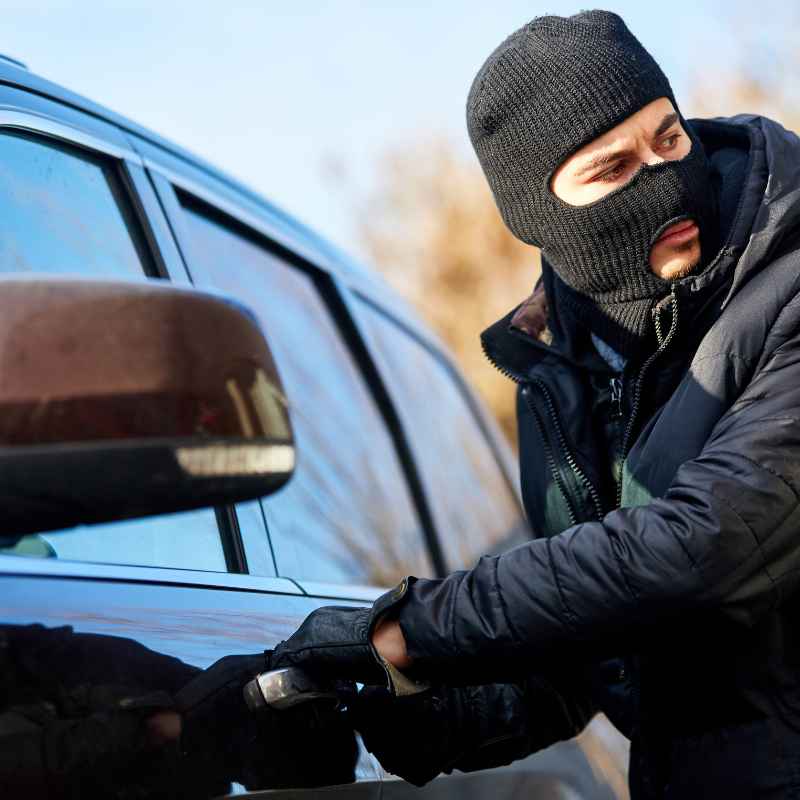
Frequently Asked Questions About Car Theft Insurance
Does my basic car insurance cover theft?
Basic car insurance, which usually refers to liability coverage, does not cover the theft of your own vehicle. To have your car covered against theft, you need to add comprehensive coverage to your policy. Comprehensive coverage is sometimes called “other than collision” coverage.
What is the actual cash value (ACV) of my stolen car?
The actual cash value (ACV) is what your car was worth right before it was stolen. This value is determined by factors like the car’s age, mileage, condition, and wear and tear. It accounts for depreciation, so it’s usually less than what you originally paid for the car or what it would cost to buy a brand-new replacement.
How long does it take to get a payout after my car is stolen?
The time it takes to get a payout can vary. It depends on how quickly your insurance company processes the claim and whether the car is recovered. Typically, if the car is not recovered, the process can take a few weeks after the claim is filed and all documentation is submitted.
If the car is recovered, the timeline might be longer due to assessment of damages.
What if my stolen car is found damaged?
If your stolen car is found damaged, your comprehensive coverage will usually pay for the repairs. However, the cost of repairs will be capped at the actual cash value (ACV) of your car. If the repair costs exceed the ACV, the insurance company will likely declare it a total loss and pay you the ACV.
Does gap insurance cover if my stolen car is worth less than my loan?
Yes, gap insurance is specifically designed for this situation. If your car is stolen and declared a total loss, and the ACV is less than what you owe on your loan or lease, gap insurance will cover the difference (the “gap”). This prevents you from owing money to your lender for a car you no longer have.
What happens if my car is stolen and I have a loan on it?
If your car is stolen and has a loan, your insurance payout from comprehensive coverage will first go to your lender to pay off the outstanding loan balance. If the payout is more than what you owe, you will receive the remaining amount. If the payout is less than what you owe and you don’t have gap insurance, you will be responsible for paying the difference to the lender.
Conclusion
Knowing whether your car insurance covers theft is essential. Comprehensive coverage is your best bet for protection. Always review your policy details.
Understand your deductibles and coverage limits. Taking steps to prevent theft is also a wise choice. This combination gives you peace of mind.
It ensures you’re prepared for unexpected events on the road.
Products related to this article
Sponsored / affiliate links. As an Amazon Associate I earn from qualifying purchases. I may earn additional commission from eligible campaigns.