Does Insurance Cover Dents in Car? Your Complete Guide to Coverage and Claims
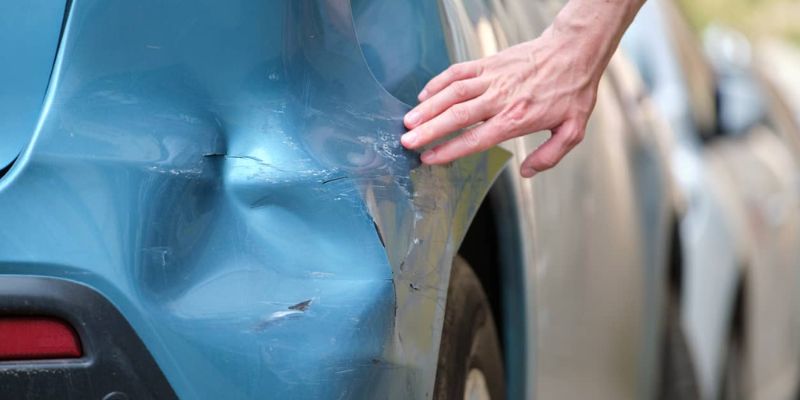
Hey there, friend! So, you’ve got a dent in your car, and you’re wondering, “Does insurance cover dents in car?” I totally get it—when I noticed a nasty dent on my SUV’s door after a parking lot mishap, I was stressed about the repair bill and whether my insurance would help.
After diving into this topic, talking to my insurance agent, and navigating a claim myself, I’ve got the full scoop for you. Picture us sitting in your driveway, looking at that dent, and figuring out how to handle it without breaking the bank. Whether it’s a tiny ding or a big dent, this guide will walk you through everything you need to know about insurance coverage for dents in the USA. Let’s sort this out and get your car looking good as new!
What Causes Dents in Cars?
Before we talk insurance, let’s look at what causes dents. I’ve seen all sorts of dents on my cars over the years, and they come from a bunch of different culprits:
- Parking Lot Mishaps: Someone’s door swinging open in a tight parking spot can leave a dent. That’s how my SUV got dinged at the grocery store.
- Hailstorms: Hail can pelt your car with ice, leaving multiple dents. I saw a friend’s car covered in dings after a bad storm.
- Minor Collisions: Bumping into a pole, fence, or another car can cause dents. I once backed into a mailbox—yep, embarrassing.
- Falling Objects: Tree branches or debris can dent your hood or roof. A pinecone dented my old sedan during a windy day.
- Shopping Carts: Rogue carts in parking lots can roll into your car. I’ve had to dodge these at the mall.
Knowing what caused the dent helps when talking to your insurance company. Some causes are covered more easily than others, which I’ll explain next.
Types of Car Insurance Coverage
Not all insurance policies cover dents—it depends on the type of coverage you have. I learned this when I called my insurer about my dent. Here’s a quick rundown of common coverage types in the USA:
- Liability Insurance: This covers damage you cause to others, not your own car. I have this, but it didn’t help with my dent.
- Collision Coverage: This pays for damage from accidents, like hitting another car or object. It might cover dents from collisions, depending on your policy.
- Comprehensive Coverage: This covers non-collision damage, like hail, vandalism, or falling objects. My dent was covered under this because it was from another car’s door.
- Uninsured/Underinsured Motorist Property Damage: This helps if an uninsured driver damages your car. It could apply to dents, but it’s rare.
- Personal Injury Protection (PIP): This covers medical bills, not physical damage like dents.
Most dent claims fall under collision or comprehensive coverage. I checked my policy online to confirm I had comprehensive, which saved me a lot of worry. Let’s dive into when insurance covers dents.
Does Insurance Cover Dents?
Whether insurance covers dents depends on your policy, the cause, and a few other factors. I’ve broken it down based on my experience and what I learned from my agent:
Dents from Collisions
If your dent comes from an accident—like hitting a pole or another car—collision coverage usually applies. I looked into this when I dented my bumper backing into a fence. Collision coverage paid for the repair, but I had to pay my deductible, which was $500. If another driver caused the dent, their liability insurance might cover it, assuming you can identify them. I once got a dent from a hit-and-run, and my collision coverage stepped in since the other driver was gone.
Dents from Non-Collision Events
Comprehensive coverage handles dents from things like hail, vandalism, or falling branches. My SUV’s door dent was covered because it was considered vandalism (another car’s door hit mine). Hail damage is a common comprehensive claim—I saw a neighbor’s car get covered for dozens of dents after a storm. If a tree branch dents your hood, comprehensive should help, too. Again, you’ll pay your deductible, which for me was $250 for comprehensive claims.
Dents from Unknown Causes
Sometimes, you find a dent and have no clue how it got there. I had a mysterious dent on my trunk once. If you have comprehensive coverage, it might still be covered as vandalism or an unknown event, but you’ll need to file a claim and explain the situation. My insurer asked for photos and a description, and they approved it.
Small Dents and Dings
Tiny dents, like door dings or shopping cart marks, are trickier. If you have comprehensive coverage, they’re technically covered, but filing a claim for small repairs might not be worth it. I’ll explain why later. I usually fix minor dings myself to avoid insurance hassles.
Factors That Affect Coverage
Even with the right coverage, a few things influence whether your dent is covered. I learned these the hard way when filing my claim:
- Policy Details: Check your policy for exclusions. Some plans don’t cover certain damages, like wear-and-tear dents. I read my policy fine print to make sure.
- Deductible: You pay this out-of-pocket before insurance kicks in. My comprehensive deductible was $250, so I paid that for my door dent repair.
- Cause of Damage: Collision or comprehensive must match the cause. My hit-and-run dent wasn’t covered under comprehensive, only collision.
- Location: Some states have specific rules. In Colorado, my hail damage was covered, but coverage varies by insurer and state.
- Claim History: Too many claims can raise your premiums. I avoided claiming a small dent to keep my rates low.
I called my agent to clarify these before filing, and it saved me a lot of confusion. Always double-check with your insurer.
Should You File an Insurance Claim for Dents?
Filing a claim isn’t always the best move. I’ve weighed this decision a few times. Here’s what I consider:
- Repair Cost vs. Deductible: If the repair costs less than your deductible, it’s cheaper to pay out-of-pocket. My door dent repair was $600, so I claimed it since it was above my $250 deductible.
- Premium Increases: Claims can raise your rates, especially for small repairs. I skipped a claim for a $200 dent to avoid a rate hike.
- Claim Limits: Some insurers limit how many claims you can file. I checked my policy to make sure I wasn’t close to the limit.
- Resale Value: Fixing dents preserves your car’s value. I claimed a big dent because I plan to sell my car soon.
- Time and Hassle: Claims involve paperwork and inspections. For a tiny ding, I’d rather pay a shop directly.
I talked to my agent about a small dent once, and they suggested skipping the claim to save on premiums. For big repairs, though, claims are worth it.
How to File an Insurance Claim for Dents
If you decide to file a claim, the process is pretty straightforward. I went through this for my SUV’s dent, and here’s how it worked:
- Contact Your Insurer: Call or use their app to report the damage. I called my insurer, Geico, and gave them the details.
- Provide Details: Share what caused the dent, when it happened, and where. I explained it was a parking lot incident.
- Submit Evidence: Take photos of the dent and send them. I snapped clear pictures in good light and uploaded them online.
- Get an Inspection: The insurer might send an adjuster or ask you to visit a shop. My adjuster met me at a local repair shop.
- Receive an Estimate: The adjuster estimates repair costs. Mine was $600, and Geico covered $350 after my deductible.
- Approve Repairs: Choose a shop and schedule the repair. I picked a trusted shop, and Geico paid them directly.
- Pay Your Deductible: I paid $250 upfront, and the rest was covered.
The whole process took about a week. I kept in touch with my adjuster, which made it smooth.
How Much Do Dent Repairs Cost?
Repair costs vary, which affects whether you claim. I’ve gotten quotes for different dents, and here’s what I found:
| Dent Type | Average Cost | Notes |
|---|---|---|
| Small Ding | $50-$150 | Paintless dent repair (PDR) is common for minor dings. |
| Medium Dent | $150-$450 | May need PDR or traditional repair if paint is damaged. |
| Large Dent | $450-$1500 | Often requires bodywork and repainting. |
| Hail Damage | $1000-$5000+ | Multiple dents increase costs; comprehensive usually covers. |
I paid $100 for a small ding with PDR, which was cheaper than my deductible, so I didn’t claim it. For my $600 door dent, insurance made sense. Get quotes from shops to compare with your deductible.
Paintless Dent Repair (PDR) vs. Traditional Repair
I was amazed by how shops fix dents, especially with PDR. Here’s what I learned about the two main methods:
- Paintless Dent Repair (PDR): This uses special tools to push or pull dents out without painting. I had a small ding fixed this way in an hour for $100. It’s cheaper, faster, and keeps your original paint. PDR works for shallow dents with intact paint.
- Traditional Repair: For deeper dents or damaged paint, shops sand, fill, and repaint the area. My door dent needed this because the paint was scratched. It took two days and cost $600. It’s more expensive but restores bigger damage.
I prefer PDR when possible—it’s quick and affordable. Ask your shop if PDR is an option before filing a claim.
Does Filing a Dent Claim Affect Your Premiums?
This is a big worry for me. Filing a claim can raise your premiums, but it depends:
- Claim Type: Comprehensive claims (like hail) are less likely to raise rates than collision claims (like accidents). My hail claim didn’t affect my premium.
- Your History: If you’ve filed multiple claims, rates may go up. I only file for big repairs to avoid this.
- Insurer Policies: Some companies offer “accident forgiveness” or don’t raise rates for first claims. I checked with Geico, and they didn’t hike my rate for my dent claim.
- State Laws: Premium rules vary by state. In Colorado, my rates stayed steady after a small claim.
I called my agent to estimate the impact before filing. For small dents, paying out-of-pocket often saves money long-term.
How to Prevent Dents in Your Car
Preventing dents saves you from insurance headaches. I’ve picked up some habits to keep my car dent-free:
- Park Smart: Choose end spots or park far from other cars. I park at the back of lots to avoid door dings.
- Use a Car Cover: Covers protect against hail or falling branches. I use one during storms.
- Avoid Tight Spaces: Don’t squeeze into narrow parking spots. I skip tight spaces at the mall.
- Watch Weather: Park in a garage during hailstorms. I check forecasts and move my car indoors when needed.
- Be Cautious: Drive carefully to avoid bumping objects. I’m extra slow in tight driveways now.
These steps have kept my new car dent-free so far. It’s all about being proactive.
When Insurance Might Not Cover Dents
Sometimes, insurance won’t cover dents. I ran into a few situations where coverage didn’t apply:
- No Comprehensive/Collision: If you only have liability, dents aren’t covered. I had a friend learn this the hard way.
- Wear and Tear: Dents from normal use, like gradual corrosion, aren’t covered. My old car’s rusty dent wasn’t eligible.
- Policy Exclusions: Some policies exclude specific damages, like vandalism if you didn’t report it to police. I reported my dent right away to avoid this.
- High Deductible: If your deductible is high, like $1000, small repairs won’t be covered unless costs exceed it. I lowered my deductible to $250 for this reason.
- At-Fault Damage: If you caused the dent and don’t have collision coverage, you’re on your own. I paid for a self-inflicted dent once.
Check your policy or call your insurer to confirm coverage. I always keep my policy details handy.
Choosing a Repair Shop
Picking the right shop is key for quality repairs. I’ve had good and bad experiences, so here’s what I look for:
- Reputation: Check Yelp or Google reviews. I chose a shop with 4.5 stars and great feedback.
- Certifications: Look for ASE or I-CAR certified techs. My shop had these, and the work was top-notch.
- Insurance Approval: Some insurers have preferred shops. Geico recommended one, and it streamlined my claim.
- Quotes: Get estimates from 2-3 shops. I compared prices and picked the one with fair pricing and good service.
- Warranty: Choose shops that guarantee their work. My dent repair came with a 1-year warranty.
I visited my shop before approving repairs to see their setup—it gave me confidence. A good shop makes all the difference.
Alternatives to Insurance Claims
If insurance isn’t the best route, you have options. I’ve tried these for smaller dents:
- Pay Out-of-Pocket: For repairs under your deductible, paying cash is cheaper. I paid $100 for a ding instead of claiming.
- DIY Repair: Small dents can be fixed with PDR kits or suction cups. I tried a $20 kit, but it only worked on shallow dings.
- Discount Shops: Some shops specialize in low-cost dent repair. I found one that fixed a dent for $75.
- Trade-In: If your car’s old, consider trading it in instead of fixing dents. I did this with a beat-up car and avoided repair costs.
I weigh the cost and hassle before deciding. For minor dings, skipping insurance is often smarter.
Why Dent Repair Matters
Fixing dents isn’t just about looks—it’s practical. Here’s why I prioritize it:
- Resale Value: Dents lower your car’s value. I sold my dent-free SUV for $1500 more than a damaged one.
- Rust Prevention: Dents with chipped paint can rust. I fixed a dent to stop rust from spreading.
- Appearance: A dent-free car looks sharp. I love driving my car when it’s flawless.
- Safety: Large dents near structural areas can weaken your car. I had a dent near a door hinge fixed for safety.
Taking care of dents keeps your car in great shape for years.
Conclusion
There you go, friend! Now you know all about whether insurance covers dents in your car and how to handle those pesky dings. I’ve been through the stress of finding a dent and wondering if my insurance would step up, and I’m so glad I learned the ins and outs of collision and comprehensive coverage. Whether it’s a hailstorm, a parking lot door ding, or a mystery dent, your insurance might have you covered—if you have the right policy and it makes sense to file a claim. From weighing repair costs against your deductible to picking a great shop and preventing future dents, you’ve got the tools to keep your car looking awesome without draining your wallet. So, let’s get that dent fixed, enjoy a smooth ride, and keep your car shining like it deserves. Here’s to dent-free driving and peace of mind!
FAQs
Does car insurance cover dents from hail?
Yes, if you have comprehensive coverage, hail dents are usually covered, minus your deductible.
Will filing a dent claim raise my insurance rates?
It might, especially for collision claims or if you have multiple claims. Comprehensive claims are less likely to increase rates.
Can I fix a dent myself and still file a claim?
No, insurers need to assess the damage before repairs. Fixing it first could void your claim.
What if someone else dents my car?
If you know who did it, their liability insurance should cover it. If not, your collision or comprehensive coverage might apply.
Are small dents worth claiming on insurance?
Usually not, if repair costs are below your deductible or close to it. Paying out-of-pocket avoids premium hikes.
How long does it take to repair a dent?
Small dents take 1-2 hours with PDR. Larger dents with painting can take 1-3 days.
Does insurance cover dents if I only have liability?
No, liability only covers damage you cause to others. You need collision or comprehensive for your car’s dents.