Does Pressing the Gas Help Jump a Car: Proven Tips
Yes, pressing the gas can help jump a car, but only under specific circumstances when one car is jump-starting another. It’s not about making your own car jump higher or faster. This guide clarifies the correct way to use the gas pedal during a jump-start for a safe and successful assist.
Getting a jump-start for a dead car battery can feel like a mystery, especially when it comes to knowing exactly what to do with the gas pedal. You’ve probably heard conflicting advice, and maybe even seen people revving their engines like they’re at a drag race. But what’s the truth? Does pressing the gas actually help jump a car, and if so, how? Don’t worry, this guide will break it down. We’ll go through exactly what you need to know, step-by-step, so you can confidently help a friend or get yourself going again with peace of mind.
Understanding the Jump-Start Process
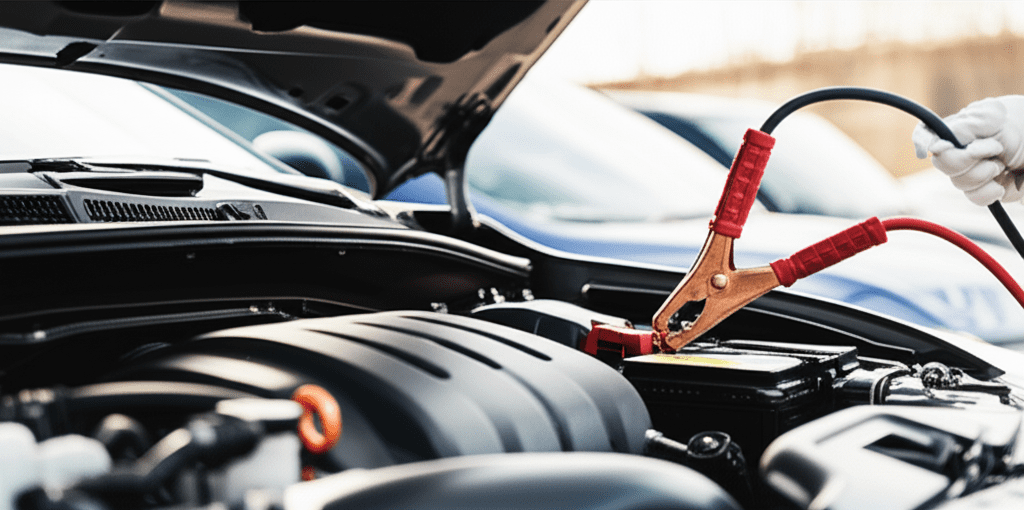
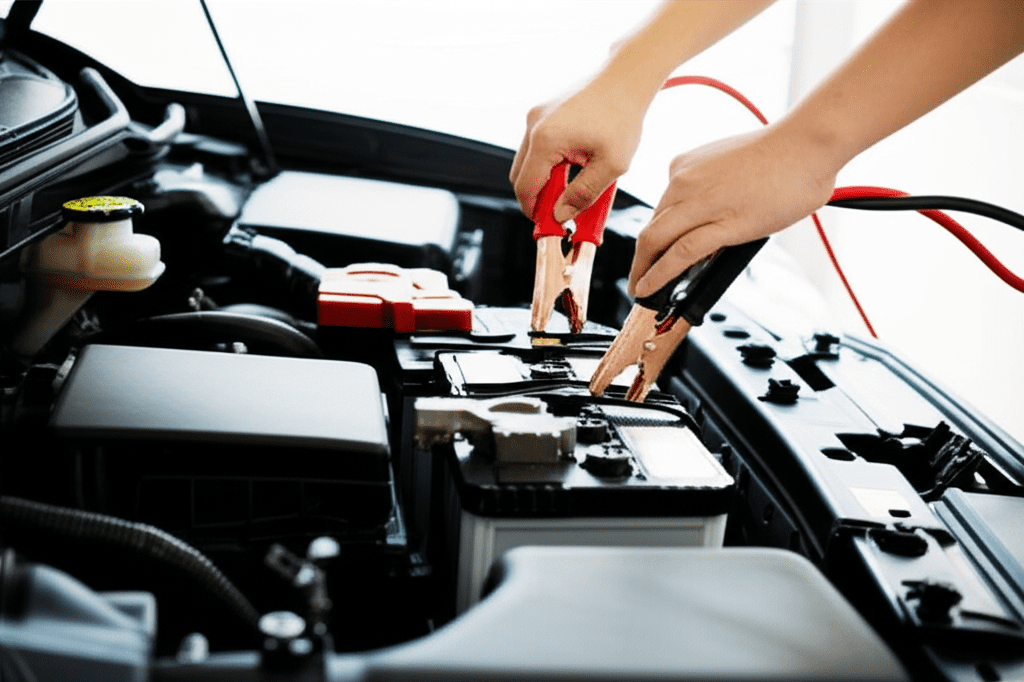
Before we dive into the gas pedal’s role, let’s quickly cover the basics of a jump-start. This process involves using jumper cables to connect a healthy car battery to a car with a dead battery. The healthy car acts as a temporary power source, allowing the engine of the car with the dead battery to start. It’s crucial to connect the cables in the correct order to avoid sparks and damage.
Here’s the usual sequence for connecting jumper cables:
- Positive to Positive: Connect one red clamp to the positive (+) terminal of the dead battery.
- Other Positive to Positive: Connect the other red clamp to the positive (+) terminal of the good battery.
- Negative to Negative: Connect one black (or blue) clamp to the negative (-) terminal of the good battery.
- Ground Connection: Connect the other black clamp to an unpainted metal surface on the engine block or chassis of the car with the dead battery. This is a crucial safety step to prevent sparks near the battery.
Once connected, you start the working car and let it run for a few minutes to charge the dead battery. Then, you attempt to start the car with the dead battery.
The Role of the Gas Pedal in Jump-Starting
Now, let’s get to the main question: does pressing the gas help? The answer is a qualified yes, but it’s not about revving your engine wildly.
When and Why to Press the Gas
When you are the car providing the jump-start, you might be asked to keep your engine running at a slightly higher RPM than idle. This is typically done when the car you are assisting is trying to start. Here’s why:
- Increased Charging Output: Most car alternators produce more electrical power at higher engine speeds. By reving the engine of the assisting car slightly (usually to around 1,500-2,000 RPM), you are increasing the rate at which your alternator charges the battery of the dead car. This can provide a stronger and more consistent flow of power, making it easier for the dead car’s engine to turn over.
- Stabilizing the Electrical System: A struggling engine on the dead car can sometimes put a strain on the electrical systems, including the one on your car. Maintaining a slightly higher RPM can help stabilize your car’s alternator output and prevent fluctuations that might hinder the charging process.
It’s important to note that you don’t need to floor the gas pedal. A gentle increase in RPMs is all that’s required. Typically, the person in the car being jumped will try to start their engine while you are maintaining this slightly elevated RPM.
When NOT to Press the Gas
There are situations where pressing the gas is unnecessary or even counterproductive:
- While Connecting Cables: Never press the gas pedal or rev your engine while you are connecting or disconnecting the jumper cables. This is when sparks are most likely to occur, and revving increases the risk of a dangerous spark near the batteries.
- If the Dead Car Starts Immediately: If the car you are assisting starts without any issues after a few minutes, there’s no need to keep the engine revving. You can then return to idle and proceed with safely disconnecting the cables.
- When the Dead Car’s Battery is Extremely Damaged: In rare cases, a severely damaged battery might not be able to accept a charge, or the engine might be mechanically unsound, preventing it from starting regardless of the electrical assist. Revving your engine won’t help in these scenarios.
Step-by-Step: How to Properly Assist with a Jump-Start
Let’s put it all together into a clear, actionable guide. Remember, safety is paramount.
Preparation and Safety First
Before you even touch the jumper cables, ensure both vehicles are parked safely.
- Park Safely: Position the assisting car close enough to the dead car so the jumper cables can reach both batteries, but not so close that the vehicles are touching. Ensure both cars are in Park (or Neutral for manual transmissions) with the parking brake engaged.
- Turn Off Both Cars: Make sure both engines are completely shut off, and all accessories (headlights, radio, AC) are turned off in both vehicles.
- Open Hoods: Open the hoods of both vehicles and locate the batteries. You might need to remove a plastic cover from the battery terminals. Consult your car owner’s manual if you can’t find them.
Connecting the Jumper Cables
Follow the connection sequence precisely:
| Cable Color | Connect To | Vehicle |
|---|---|---|
| Red | Positive (+) Terminal | Dead Battery |
| Red | Positive (+) Terminal | Good Battery |
| Black | Negative (-) Terminal | Good Battery |
| Black | Unpainted metal surface (ground) | Engine block or chassis of the dead car |
A good grounding point on the dead car is a sturdy, unpainted metal bolt or bracket away from the battery, fuel lines, and moving parts.
Starting the Helping Car and Assisting
This is where the gas pedal comes into play.
- Start the Assisting Car: Start the engine of the car with the good battery.
- Let it Run: Let the assisting car run for about 5-10 minutes. You may be asked by the person in the dead car, or you might choose on your own initiative, to keep your engine revving slightly. Aim for a steady 1,500 to 2,000 RPM. This boosts the charging power going to the dead battery.
Attempting to Start the Dead Car
- Try Starting: While you are maintaining the slightly higher RPM, have the driver of the dead car try to start their engine.
- If it Doesn’t Start: If the car doesn’t start after a few attempts, let the assisting car continue run for a few more minutes, maintaining higher RPMs. Then, try again. Don’t crank the dead car’s engine for more than 10-15 seconds at a time, as this can overheat the starter motor.
After the Car Starts
Once the dead car’s engine is running, you’re almost done.
- Keep Both Running: Allow both cars to run for a few minutes with the jumper cables still attached. This helps the newly started car’s alternator begin to charge its own battery.
-
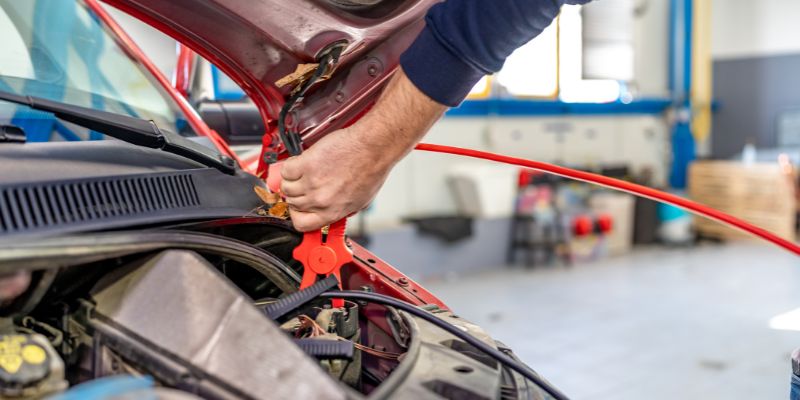
Disconnect Cables Safely: Disconnect the jumper cables in the reverse order of connection. This is just as critical for safety.
- Remove the black clamp from the grounded metal surface on the dead car.
- Remove the black clamp from the negative (-) terminal of the good battery.
- Remove the red clamp from the positive (+) terminal of the good battery.
- Remove the red clamp from the positive (+) terminal of the now-running dead battery.
- Keep the Assisted Car Running: Advise the driver of the car that was just jumped to keep their engine running for at least 15-30 minutes (preferably by driving it) to allow their battery to recharge sufficiently. If they turn it off too soon, it might not start again.
When to Seek Professional Help
Sometimes, even with a proper jump-start, a car won’t start, or it might start but then die again shortly after. This is when it’s time to call in the experts.
- Persistent Dead Battery: If the battery is consistently draining or won’t hold a charge, it likely needs to be replaced. You can find great guides on battery testing and replacement at reputable automotive resources like AutoZone’s DIY guides, which often provide insights into battery health.
- Cables Not Working: Faulty jumper cables can be a reason a jump-start fails. Make sure your cables are in good condition, with no frayed wires or damaged clamps.
- Other Mechanical Issues: If the car doesn’t start even with a good battery charge, the problem might be with the starter motor, alternator, fuel system, or ignition system. These are more complex issues that require professional diagnosis and repair.
- Corroded Terminals: If your car battery terminals are heavily corroded, they can prevent a proper connection, hindering the charging process. Cleaning them with a wire brush or a specialized battery terminal cleaner is a good DIY task, but if corrosion is severe or persistent, it may indicate a larger issue.
Troubleshooting Common Jump-Start Problems
Even with the right steps, things can go wrong. Here are a few common hiccups and how to address them.
Car Won’t Start After Jump
If the car still won’t start after following the steps:
- Check Connections: Ensure all clamps are making solid, clean contact with the battery terminals and the ground point. Loose connections are the most common culprit.
- Recharge Longer: Let the assisting car run for an additional 5-10 minutes at higher RPMs before trying to start again.
- Battery Health: The battery in the dead car might be completely beyond its lifespan and unable to accept a charge.
- Other Issues: As mentioned, there could be underlying issues with the starter, alternator, or fuel system.
Sparks When Connecting Cables
Minor sparks can sometimes occur, especially when attaching the final clamp to the ground point. However, large, sustained sparks can indicate a problem.
- Incorrect Order: This often happens if you connect the negative clamp to the dead battery’s negative terminal instead of a ground point. Always connect the last clamp to a metal surface away from the battery.
- Short Circuit: If clamps from opposite terminals touch each other or the wrong parts of the car, it can cause a short circuit and a dangerous spark. Double-check your connections.
Car Dies After Disconnecting Cables
This usually means the assisting car provided enough power to start the engine, but its own battery or alternator is not sufficient to keep it running.
- Battery Failure: The battery in the assisted car is likely failing and cannot hold a charge.
- Alternator Issues: The alternator in the assisted car may not be producing enough voltage to charge the battery while the engine is running. This can be confirmed by checking the voltage at the battery terminals while the engine is running; it should be higher than when the engine is off. A good resource for understanding alternator function is the U.S. Department of Energy’s vehicle technology website, which often has explanations of how various car components work.
FAQs: Your Jump-Start Questions Answered
Q1: Should I rev my engine when jump-starting a car?
Yes, the car providing the jump-start should ideally run at a slightly higher RPM (around 1,500-2,000) while the other car is trying to start. This helps the alternator send more power to charge the dead battery.
Q2: How long should I let the assisting car run before trying to start the dead one?
Let the assisting car run for about 5-10 minutes, ideally with the engine speed slightly elevated, before the driver of the dead car attempts to start it.
Q3: What happens if I connect the jumper cables incorrectly?
Connecting cables incorrectly can cause sparks, damage the car’s electrical systems, or even explode the battery. Always follow the recommended connection order meticulously.
Q4: Can I use a car with a smaller engine to jump-start a larger one?
Yes, generally, but it might take longer for the smaller car’s battery to charge the larger car’s depleted battery. Ensure the smaller car’s battery isn’t already very low.
Q5: My car started, but died again after disconnecting the cables. What’s wrong?
This typically means the battery in your car is no longer holding a charge, or there’s an issue with your car’s alternator, which is responsible for recharging the battery while the engine runs.
Q6: Do I need to turn off accessories in the assisting car?
Yes, it’s best to turn off all accessories (lights, radio, AC, etc.) in both cars before connecting the cables to minimize electrical load and prevent potential surges.
For more comprehensive information on battery maintenance and jump-starting, check out resources from the National Highway Traffic Safety Administration (NHTSA), such as their guidance on battery systems.
Conclusion
Understanding how the gas pedal plays a role in jump-starting a car demystifies a common roadside concern. By knowing to slightly increase the RPMs on the assisting vehicle, you can provide a more robust charge to a dead battery, increasing the chances of a successful start for the struggling vehicle. Remember, this is about providing optimal charging power, not about sheer speed or force. Always prioritize safety by correctly connecting and disconnecting the cables and ensuring a stable ground connection.
If you find yourself jump-starting often, or if a jump-start doesn’t solve your problem, it’s a clear signal that your car’s battery or charging system might need a closer look from a qualified mechanic. Staying informed and following these proven tips will give you the confidence to help yourself and others get back on the road safely.