Are Duracell Car Batteries Good? Maker, AGM and EHP Lines
Duracell does not build its own car batteries. East Penn Manufacturing signed an exclusive agreement to release batteries under the Duracell name, and SlashGear reported in March 2025 that Duracell’s car batteries are made in the U.S. by East Penn, the company behind the Deka brand. This guide sets out what the maker says about the Duracell lines, how AGM and flooded batteries differ, what heat and cold do to a battery, and the safety rules for working near one.
Who Makes Duracell Car Batteries?
East Penn’s release on the Duracell automotive batteries says East Penn signed an exclusive agreement with Duracell, then part of the Procter & Gamble Company, to release batteries branded under the Duracell name. SlashGear reports that Duracell is now owned by Berkshire Hathaway, which took full control in 2014 by swapping Procter & Gamble shares worth $4.7 billion, and that the car batteries are made in the U.S. by East Penn.
Battery Eye Protection Pick
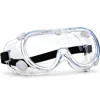 |
Super More Anti-Fog Protective Safety Goggles, Clear Lens, Adjustable, $12.99 (Amazon price on 2026-10-25) Splash goggles that fit over glasses, for the eye protection East Penn’s FAQ says to wear on or near any battery.
|
As an Amazon Associate we earn from qualifying purchases. Spec-based pick from the listing, not a hands-on test.
The goggles are in the box because East Penn’s FAQ says to wear safety glasses and a face shield when working on or near batteries.
East Penn’s FAQ says its AGM design and process meets major US and European OE automotive manufacturers’ standards. That is the maker’s own statement, not an independent test.
The Duracell Battery Lines East Penn Describes
East Penn’s release names two automotive types released first, plus a marine battery. The page carries no date, so the table shows the lines as the maker described them at launch.
| Line named in the release | What East Penn says | Design feature it names |
|---|---|---|
| Extreme power AGM | Premium AGM technology with two times (2x) the durability and dependability of a standard product | Ideal for the multiple accessory power demands in new vehicles, or the extra drain of electronic devices plugged into the cigarette lighter |
| Advanced generation EHP | Designed to provide superior life and maintenance-free performance | EHP stands for Extra Heat Protection: a reinforced design to withstand higher under-the-hood temperatures or severe service, which East Penn says also helps performance in colder weather |
| Premium marine AGM | Scheduled for release at the start of the Duracell offering | AGM technology for boats, not cars |
The 2x durability line is a maker claim measured against what East Penn calls a standard product, with no test method given in the release.
Are Duracell Car Batteries Good? What the Maker Says
There is no single score to quote, so this section sticks to what East Penn’s automotive FAQ says about how to judge a battery. The first point is about cold cranking amps (CCA).
- CCA is not the whole story. To the question of whether the best batteries always have the highest CCA ratings, the FAQ answers no, and says optimized power is not always reflected by CCA.
- What CCA measures. The FAQ says a CCA rating measures cranking over a 30 second period, and that cars today start in milliseconds thanks to fuel injection and computerized starting controls.
- What a premium battery should do. The FAQ says premium batteries should deliver the right balance of life, power and durability, not just starting power.
The same FAQ names these common causes of automotive battery failure.
- Accidental power drains, such as leaving headlights or dome lights on, which can drain the battery until it cannot start the vehicle and can do permanent capacity damage at a very low state of charge.
- The wrong battery for the application: a battery not designed to provide the starting power the vehicle requires wears out quickly to the point of a no-start.
- Dimensions that do not match the vehicle’s recommendations, which can mean a poor fit and damage from vibration or clearance issues.
- Heat, which the FAQ says does most of the damage to battery life.
The FAQ points to East Penn’s Battery Application Guide for matching a battery to a car. Sizing is covered in what group battery is my car and how to know what type of battery your car needs.
AGM vs Flooded: What East Penn’s FAQ Says
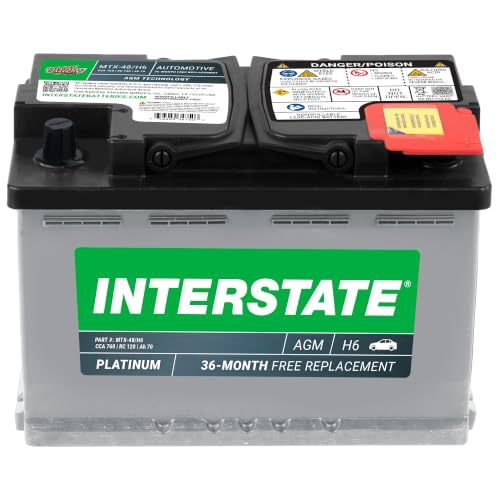
Duracell’s extreme power line is AGM (absorbed glass mat). The table below sets out how East Penn’s FAQ describes an AGM battery against a traditional flooded one. These are the maker’s statements about its own designs. For a plain-language version, see what are AGM car batteries, what is a flooded car battery and is your car battery standard or AGM.
| Feature | AGM (per East Penn) | Flooded (per East Penn) |
|---|---|---|
| Electrolyte | Absorbed in special glass mats, so there is no free-flowing acid and the battery will not spill or leak | Liquid electrolyte that can spill and cause corrosion if tipped or punctured |
| Venting | Valve-regulated, with a one-way pressure-relief valve; must never be opened | Uses a vent to allow gas to escape |
| Mounting | Spillproof, so it can go in non-traditional spots such as under a seat; upside-down is not recommended | Can only be installed upright |
| Left discharged | Higher deep-discharge tolerance | Loses capacity and becomes permanently damaged if left discharged for any length of time (sulfation) |
| Cycle life | East Penn says its AGM batteries have 2x the cycle life of traditional maintenance-free flooded batteries | The comparison baseline |
| Charging system | Will replace a flooded battery in any typical voltage-regulated alternator system, which East Penn puts at 13.8 to 14.4 volts | The traditional design |
East Penn also separates two ideas. Extended life, it says, can simply mean a battery survives longer than average in a typical car in an average climate, while extended cycle life means surviving more grueling demands such as warmer climates, higher under-hood temperatures and frequent electrical loads while the engine is off.
Heat, Cold and Battery Life
East Penn’s FAQ says the following about heat, cold and idle time.
- Heat. Even in cool climates a battery under the hood can reach damaging high temperatures, and tighter engine spaces have pushed under-hood temperatures higher than ever, according to the FAQ.
- Cold. Oil and transmission fluids are more viscous in the cold, so starting needs more energy. The FAQ says it is heat that does most of the damage, but more batteries actually fail when they are put to the test in the cold.
- Sitting unused. The FAQ calls not using a battery at all the hardest scenario: a battery that sits for long periods can self-discharge, and if discharged for too long it can be permanently damaged.

For help telling whether a weak battery or a charging fault is behind a slow start, see how to check car battery health and how to tell if your car battery needs replacing.

Battery Safety: Acid, Hydrogen and Sparks
This part is safety-critical and comes from East Penn’s FAQ. It applies to lead-acid batteries in general, and the FAQ tells readers not to attempt battery maintenance without training or proper instructions. If you are unsure at any step, stop and ask a qualified technician.
- Protective gear. The FAQ lists safety glasses or a face shield, acid-resistant gloves, protective aprons and safety shoes, proper lifting devices and properly insulated tools. It says to always wear safety glasses and a face shield when working on or near batteries.
- Sulfuric acid. The FAQ says sulfuric acid is harmful to the skin and eyes. If acid is splashed, flush the affected area with water immediately, and consult a physician if it gets in the eyes.
- Sparks and flames. It says to prohibit smoking and open flames, and to avoid arcing in the immediate vicinity of the battery. It also says to disconnect the grounded cable first and connect it last to prevent dangerous sparks.
- Jewelry and tools. Do not wear metallic objects such as jewelry while working on batteries, and keep the top of the battery dry and clear of tools.
- Hydrogen and oxygen. All lead-acid batteries release hydrogen and oxygen during charging, and the FAQ calls these potentially explosive gases. It says never to install any type of battery in a completely sealed container or tightly enclosed space, and to provide adequate ventilation.
- Damaged cases. A sealed AGM battery does not normally present an acid danger, but the FAQ says that if the case or cover is damaged, acid could be present.
For the connection order, see which terminal to disconnect first, and for what a damaged case looks like, see what a leaking car battery looks like.
Replacing a Battery on a Modern Vehicle
East Penn’s FAQ says that for most modern vehicles the engine computer records data such as engine misfires and oxygen-sensor performance, and that disconnecting battery power clears those settings so the vehicle must relearn them. It says several BMW, Audi and Lexus models require the computer system to be reset after a battery replacement, that Mercedes-Benz owner’s manuals carry specific electrical set-up instructions, and that hundreds of vehicle models need extra steps.
Its list of extra steps includes power window, lock and sunroof programming, convenience accessory programming, and supplemental restraint (airbag) and ABS system precautions. The FAQ says anyone replacing a battery should follow the owner’s manual requirements for system resets and safety precautions. Related reading: does disconnecting the battery reset the car computer and what to do after replacing a car battery.
What to Check Before Buying a Duracell Battery
Each point below comes from East Penn’s FAQ and release.
- Size. The FAQ says automotive makers set aside a designated amount of space, and that standards set sizes, maximum overall dimensions and terminal arrangements. Battery Council International (BCI) maintains the standards for North American batteries.
- Starting power. The FAQ says a battery not designed for the starting power a vehicle requires will wear out quickly.
- Accessory load and start-stop. The FAQ says AGM durability and charge acceptance make it an essential component for many stop/start systems, and that AGM batteries are expected to excel at cycling, severe-service durability, deep-discharge resiliency and vibration resistance.
- Recycling. East Penn says virtually 100% of every lead-acid battery component can be recycled to make a new battery.
Related reading on installation: see does Batteries Plus install car batteries and will Batteries Plus replace a car battery.
Related Guides
- Are DieHard car batteries good?
- Are Costco car batteries a good deal?
- Are Duralast car batteries good?
- Does my car need an AGM battery?
- Best battery terminal cleaner
Frequently Asked Questions
Are Duracell Car Batteries Reliable?
No independent lab score is cited in this guide, so the evidence here is the maker’s own. East Penn says its AGM design and process meets major US and European OE automotive manufacturers’ standards, and its FAQ lists the common causes of battery failure: accidental power drains, a battery that cannot supply the starting power the vehicle needs, dimensions that do not fit the vehicle, and heat.
How Long Do Duracell Car Batteries Last?
East Penn does not give one lifespan figure in the pages used for this guide. Its FAQ says actual battery life is highly variable and unpredictable, and that the stresses on a battery differ by climate, vehicle and user habits. It adds that a battery may last a long time under ideal conditions but fail with only minimal abuse.
Do Duracell Car Batteries Have A Warranty?
This guide does not list Duracell warranty terms; the seller’s product page and the warranty sheet for the exact battery carry them. East Penn’s FAQ names two things that void the warranty on its sealed valve-regulated batteries: opening the battery, and removing a vent valve.
Are Duracell Car Batteries Good In Cold Weather?
East Penn describes its advanced generation (EHP) Duracell line as reinforced against under-hood heat, and says that extra reinforcement also helps performance in colder weather. Its FAQ also says engines are harder to start when it is cold, and that more batteries fail when put to the test in the cold even though heat does most of the damage.
Who Makes Duracell Car Batteries?
East Penn Manufacturing. Its release says it signed an exclusive agreement with Duracell to release batteries under the Duracell name, and SlashGear’s March 2025 article says Duracell’s car batteries are manufactured in the U.S. by East Penn.
What This Guide Does Not Cover
- Prices, warranty lengths, CCA ratings and group sizes for individual Duracell models; check the seller’s product page and the warranty sheet for the exact battery.
- Independent test scores or rankings against other brands; see the guides to individual brands above.
- Vehicle-specific battery requirements; use your owner’s manual and a qualified technician.
Conclusion
Duracell car batteries are made by East Penn under an exclusive agreement, and East Penn describes the Duracell lines as an AGM battery with 2x the durability of a standard product and an EHP battery reinforced against heat. Those are maker claims, and East Penn’s own FAQ is clear that CCA is not the whole story, that the right size and starting power for the car matter, and that heat and neglect shorten battery life. On safety, the FAQ asks for eye protection, ventilation, no sparks or flames, and the grounded cable disconnected first.
Products related to this article
Sponsored / affiliate links. As an Amazon Associate I earn from qualifying purchases. I may earn additional commission from eligible campaigns.