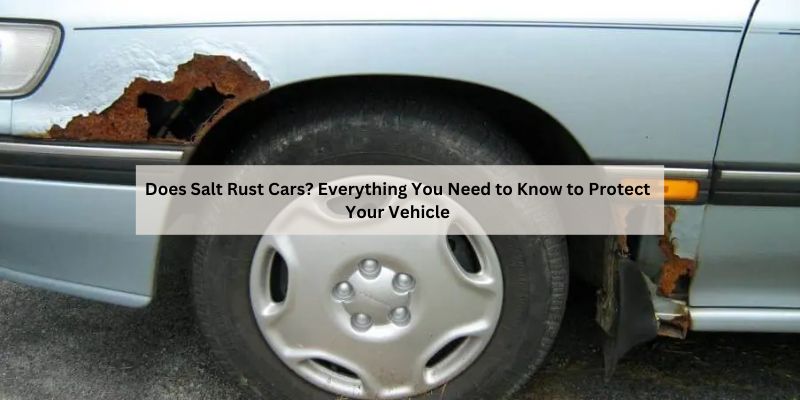
Does Salt Rust Cars? Everything You Need to Know to Protect Your Vehicle
Hey there, friend! So, you’re wondering, “Does salt rust cars?” I get why you’re curious—nobody wants their shiny ride turning into a rusty mess. Living in Colorado, where road salt is a winter staple, I’ve seen firsthand what it can do to a car if you’re not careful. After digging into this topic, talking to mechanics, and learning how to keep my car rust-free, I’ve got the full scoop for you.
Picture us sitting in your garage, looking at your car, and chatting about how to keep it safe from salt’s sneaky damage. Whether you’re in a snowy state or just want to protect your vehicle, this guide will break down everything you need to know about salt and rust for drivers across the USA. Let’s dive in and keep your car looking great!
What Is Rust and Why Does It Happen?
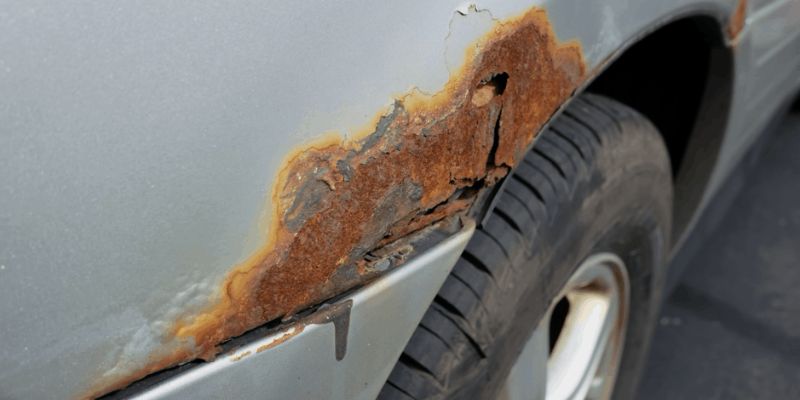
Let’s start with the basics. Rust is what happens when iron or steel reacts with oxygen and moisture, forming iron oxide—that reddish-brown stuff you see on old cars. I first noticed rust on my old pickup’s wheel well, and it was not a pretty sight. Cars are made of steel, so they’re prime targets for rust, especially when water and air get involved.
Rust isn’t just ugly—it weakens metal over time. If it spreads, it can eat through body panels, frames, or even brake lines, which is dangerous and expensive to fix. I learned that rust loves to start in places where water sits, like seams, scratches, or undercarriage spots. But how does salt fit into this? Let’s find out.
How Does Salt Cause Rust?
Salt is like rust’s best friend—it speeds up the process big time. When I moved to a snowy area, I noticed cars rusting faster than in my old hometown. Here’s why: salt lowers the freezing point of water, keeping it liquid longer. This means more moisture sticks around on your car, giving rust a chance to form.
Salt also acts like a catalyst. It makes the chemical reaction between steel, oxygen, and water happen faster by conducting electricity. I saw this on my car’s undercarriage after a winter of salty roads—tiny rust spots popped up where salt had settled. Road salt, used to melt ice on highways, is the worst culprit, but ocean air in coastal areas can also carry salt that harms cars. I’ve driven near the coast and noticed a gritty film on my car afterward.
Where Is Salt a Problem for Cars?
Salt’s impact depends on where you live. In the USA, some areas are tougher on cars than others. I’ve traveled a bit and seen how location matters:
- Snowy States: Places like Michigan, New York, Ohio, and Colorado use tons of road salt in winter. I saw cars in Michigan with rust eating through fenders after just a few years.
- Coastal Areas: States like Florida, California, or North Carolina have salty ocean air. My friend in Miami had rust on his car’s hood from sea spray.
- Humid Regions: Humidity in states like Texas or Louisiana keeps moisture around, helping salt do its damage. I noticed my car felt damp after a humid day.
If you live in these areas, rust is a bigger threat. I check my car more often in winter because of the salt on Colorado roads. Even if you’re in a milder climate, salt from occasional storms or coastal drives can still cause trouble.
Signs of Rust on Your Car
How do you know if salt’s causing rust? I learned to spot these signs early to catch problems before they get bad:
- Brown or Red Spots: Small rusty patches on paint, often near wheel wells, doors, or seams. I found some on my trunk after a salty winter.
- Bubbling Paint: Paint that bubbles or peels might hide rust underneath. I saw this on my old car’s rocker panel.
- Flaking Metal: Advanced rust causes metal to flake or crumble. I noticed this on a friend’s car frame—scary stuff.
- Pitted Surfaces: Tiny pits or rough spots on metal mean rust is starting. I check my undercarriage for these.
- Corrosion on Bolts: Rusty bolts or screws, especially under the car, are a warning sign. I spotted some on my exhaust system.
If you see these, act fast. I ignored a small spot once, and it spread like wildfire. Let’s talk about how salt gets on your car in the first place.
How Does Salt Get on Your Car?
Salt sneaks onto your car in a few ways. I was surprised at how many sources there are:
- Road Salt: In snowy states, trucks spread salt or brine on roads to melt ice. I drive through slushy, salty roads all winter, and it sticks to my car’s undercarriage.
- Ocean Spray: Near coasts, wind carries salty mist that settles on your car. I noticed a salty film after parking near the beach.
- Parking Lots: Salt from treated lots can splash onto your car. My office lot is salty, and I see it on my tires.
- Dirty Roads: Even unsalted roads can kick up salt from previous treatments. I’ve seen this on rural roads after storms.
Once salt’s on your car, it clings to paint, metal, and crevices, especially if it’s wet. I learned to wash my car often to keep salt from sitting too long.
How Salt Damages Different Car Parts
Salt doesn’t just hit one spot—it can harm many parts of your car. Here’s what I’ve seen it do:
- Body Panels: Fenders, doors, and hoods get rusty spots or holes. My old car’s door had rust along the bottom edge.
- Undercarriage: The frame, suspension, and exhaust are super vulnerable. I found rust on my car’s frame after a few winters.
- Wheels and Brakes: Brake lines and rotors can corrode, which is dangerous. I had to replace a rusty brake line once—yikes.
- Paint: Salt eats through paint, exposing metal to rust. I saw this on my car’s bumper where a scratch let salt in.
- Seams and Joints: Welds and seams trap salt and water, speeding up rust. I check these spots regularly.
Each part needs protection to stay safe. I’ve learned to inspect my car after winter to catch damage early.
How to Prevent Salt Rust on Your Car
The good news? You can fight salt rust with some simple steps. I’ve been doing these for years, and my current car is still rust-free. Here’s what works:
Wash Your Car Regularly
Washing removes salt before it causes harm. I wash my car every 1-2 weeks in winter, even when it’s cold. Use a car wash with an undercarriage spray to clean hard-to-reach spots. I go to a touchless wash to avoid scratches. If you wash at home, use a car shampoo and rinse thoroughly. I make sure to dry it with microfiber towels to prevent water spots.
Apply Wax or Sealant
Wax creates a barrier against salt and water. I wax my car every 3 months, using a product like Meguiar’s. A synthetic sealant lasts longer—up to 6 months—and I’ve used it on my SUV with great results. Apply it after washing for a shiny, protective coat. My car’s paint still looks great thanks to this step.
Use Rust Inhibitors
Rust inhibitors, like spray-on undercoatings, protect the undercarriage. I had my car sprayed with Fluid Film, and it’s held up well. You can buy cans at auto stores for DIY applications. I spray it on my frame and wheel wells before winter. It’s a bit messy, but worth it for rust protection.
Park Indoors
Keeping your car in a garage shields it from salt and moisture. I park in my garage during snowstorms, and it’s saved my car from extra exposure. If you can’t park indoors, a car cover helps. I used one when I lived in an apartment, and it kept salt off my paint.
Inspect and Repair Scratches
Scratches let salt reach bare metal, starting rust. I check my car for chips or scratches and touch them up with automotive touch-up paint. I fixed a small scratch on my hood, and it stopped rust from forming. For bigger damage, a body shop can help.
Rinse After Driving
After driving on salty roads, rinse your car as soon as possible. I stop by a coin-operated wash for a quick rinse if I can’t do a full wash. Focus on the undercarriage, wheels, and lower panels where salt collects. This has kept my car rust-free even after snowy drives.
Professional Rust Protection Options
If you want extra protection, pros offer some great solutions. I’ve looked into these and even tried a couple:
- Undercoating: Shops apply a thick, rubberized coating to the undercarriage to block salt and water. I had this done for $200, and it’s lasted years.
- Electronic Rust Protection: These devices send a small electric current to stop rust. I haven’t tried it, but a friend swears by it. It costs $500-$1000 to install.
- Ceramic Coating: This protects paint with a durable, glossy layer. I got it on my new car for $800, and salt washes off easily.
- Rustproofing Sprays: Shops spray waxy or oily compounds into crevices. I paid $100 for this, and it’s great for seams and joints.
Talk to a local auto shop to see what’s best for your car. I found a great place by asking my mechanic for recommendations.
Repairing Rust Damage
If rust has already started, don’t panic—it can be fixed. I’ve dealt with minor rust and learned how to handle it:
- Small Spots: Sand the rust with fine sandpaper, apply rust converter, then touch-up paint. I did this on my trunk, and it stopped the rust.
- Larger Areas: For bigger patches, a body shop can sandblast, prime, and repaint. I had a fender fixed for $300, and it looked perfect.
- Structural Rust: If the frame or brake lines are rusted, a pro needs to replace parts. I saw a friend’s car needed this—it was pricey but necessary.
Catch rust early to save money. I check my car every spring for new spots, especially after a salty winter.
How Weather and Driving Habits Affect Rust
The weather and how you drive play a big role in rust. I noticed my car rusted faster when I ignored these factors:
- Winter Driving: Snowy, salty roads are rust magnets. I rinse my car after every storm to stay safe.
- Humidity: Wet climates keep moisture on your car, helping salt work faster. I dry my car thoroughly in humid weather.
- Parking Outside: Cars parked outdoors face more salt and rain. I cover my car when I can’t park inside.
- Short Trips: Short drives don’t let the car dry out, trapping salt. I take longer drives to warm up the undercarriage.
Adjusting your habits, like washing often or parking indoors, can make a huge difference. I’ve cut down on rust by being proactive.
Choosing Rust-Resistant Cars
Some cars handle salt better than others. When I bought my current SUV, I researched rust resistance. Here’s what I found:
- Galvanized Steel: Many modern cars use galvanized steel, which resists rust. My Toyota has this, and it’s held up well.
- Aluminum Parts: Cars with aluminum hoods or frames, like some Fords, rust less. I saw a friend’s aluminum truck with no rust after 10 years.
- Rustproofing: Brands like Honda and Subaru often include factory rustproofing. I checked my car manual for this.
- Coatings: Cars with thick paint and clear coats resist salt better. I chose a car with a strong warranty for rust protection.
Check a car’s reviews for rust complaints before buying. I avoided a model with bad rust reports and am glad I did.
Why Rust Prevention Saves Money
Preventing rust is way cheaper than fixing it. I cringed at the cost of rust repairs on my old car. Here’s why it’s worth the effort:
- Avoid Repairs: Rust repair can cost $100-$5000, depending on the damage. I’ve saved by preventing it with washes and wax.
- Boost Resale Value: A rust-free car sells for more. I got my $1000 extra when I sold my last SUV because it was spotless.
- Safety: Rust on brakes or frame can cause accidents. I’d rather spend $20 on a wash than risk it.
- Longer Car Life: Rust-free cars last longer. My current car’s still going strong at 8 years, thanks to rust care.
A little work now saves big bucks later. I see it as part of owning a car.
Seasonal Rust Prevention Tips
Rust risks change with the season. I adjust my routine year-round:
- Winter: Wash every 1-2 weeks, apply wax, and use rust inhibitor spray. I do this from November through March.
- Spring: Check for rust and repair damage. I give my car a full detail in April to clean off salt.
- Summer: Wax to protect against UV rays and rinse after coastal trips. I wax in July to keep the shine.
- Fall: Apply sealant and undercoat before snow hits. I do this in October to prep for winter.
This keeps my car stay rust-free no matter the weather.
Common Myths About Salt and Rust
I’ve heard some crazy myths about salt and rust. Let’s clear them up:
- Myth: Salt only harms old cars. Nope—new cars rust too if unprotected. I saw rust on my 3-year-old car before I started washing.
- Myth: Washing spreads rust. Washing removes salt, but dry it well. I’ve never had issues with washing.
- Myth: Rust is just cosmetic. It’s can harm safety parts like brakes. I learned this after a rusty brake line scare.
- Myth: All cars rust the same. Modern cars with galvanizing resist better. My Toyota’s tougher than my old pickup.
Knowing the truth helps you focus on what works. I stick to proven methods and ignore the myths.
Conclusion
There you go, friend! Now you know that salt does rust cars, but you’ve got the power to stop it. I’ve seen how road salt and ocean air can turn a shiny ride into a rusty one, but with regular washes, waxing, inspections, and a little TLC, you can keep your car looking great for years to come. Living in a salty state like Colorado, I’ve made these steps part of my routine, and my SUV’s still free of rust. From rinsing after snowy drives to applying sealants and checking for scratches, every bit helps protect your investment and keeps your car safe. So, grab that hose, wax up your car, and let’s keep your ride rust-free and ready to roll. Here’s to driving a car that shines, no matter the season!
FAQs
Does salt really cause rust on cars?
Yes, salt speeds up rust by keeping moisture on metal and boosting the chemical reaction with steel and oxygen.
How often should I wash my car in winter to prevent rust?
Wash every 1-2 weeks in snowy areas, focusing on the undercarriage. Rinse after driving on salty roads.
Can I prevent rust if I live near the coast?
Yes, rinse off salt spray often, wax regularly, and use rust inhibitors. Park indoors or use a car cover.
What car parts are most at risk from salt rust?
The undercarriage, body panels, wheels, brakes, and seams are most vulnerable. Check these areas often.
Is it worth getting professional rust protection?
Yes, undercoatings or ceramic coatings add strong protection, especially in salty climates. They save money long-term.
Can I fix rust on my car myself?
Small spots can be sanded, treated with rust converter, and painted. Larger rust needs a professional body shop.
Do newer cars rust less than older ones?
Yes, many use galvanized steel or aluminum, which resist rust better. Still, regular care is key to preventing it.