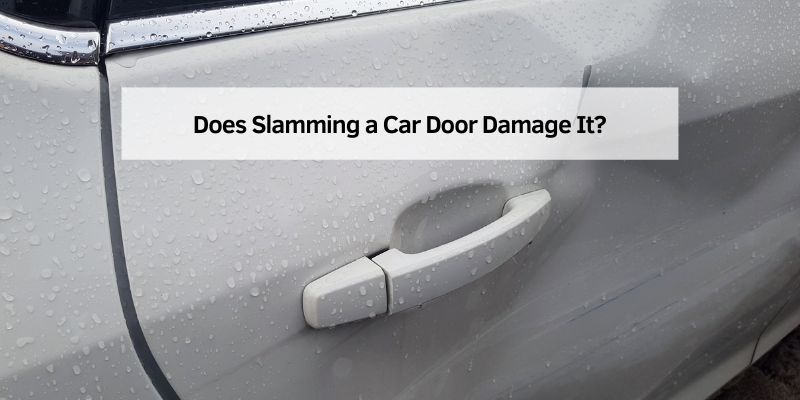
Does Slamming a Car Door Damage It?
Hey there, car lovers! If you’ve ever slammed your car door in a rush or out of frustration, you’ve probably wondered, “Does slamming a car door damage it?” I’ve been there too, slamming the door after a long day, only to pause and think, “Did I just hurt my car?” It’s a common question, and I’ve spent time digging into this topic to figure out what’s really going on. In this article, I’m going to break it all down for you—everything from how car doors are built to what happens when you give them a hard slam. My goal is to give you clear, practical insights in a way that feels like we’re chatting over coffee. So, let’s dive in and explore whether slamming your car door is harmless or something to avoid.
How Car Doors Are Designed to Handle Impact
Let’s start with the basics: car doors are built tough. I’ve always been amazed at how much engineering goes into something as simple as a car door. They’re not just slabs of metal; they’re complex systems designed to protect you, look good, and last for years. Most car doors are made of steel or aluminum, with a frame that’s reinforced to handle stress. Inside, you’ve got components like window regulators, locks, hinges, and weather seals, all working together.
When I first started looking into this, I learned that car doors are tested for durability. Manufacturers put them through thousands of open-and-close cycles to mimic years of use. They’re also designed to withstand a certain amount of force, like when you close the door firmly. But here’s the thing: “firmly” and “slamming” aren’t the same. A firm close uses just enough force to latch the door securely. Slamming, on the other hand, is like giving the door a full-on shove, and that’s where things get interesting.
Car doors have hinges and latches that are built to absorb impact, but they’re not indestructible. Repeatedly slamming the door can stress these parts over time. I’ve seen doors on older cars where the hinges start to sag or the latch doesn’t catch as smoothly, and I can’t help but wonder if years of slamming played a role. The good news? A single slam here and there probably won’t wreck anything. It’s the habit of slamming that could cause trouble.
What Happens When You Slam a Car Door?
When you slam a car door, you’re sending a shockwave through its components. I’ve watched this in slow motion (thanks, internet videos!), and it’s wild to see how much force travels through the door. The hinges take the brunt of it, flexing slightly as the door swings. The latch mechanism snaps into place, and the window glass rattles in its frame. Even the weather seals get compressed more than usual.
Here’s a quick breakdown of what’s happening:
- Hinges: These are sturdy, but slamming puts extra strain on the bolts and pivot points. Over time, this can loosen them or cause misalignment.
- Latch and Lock Mechanism: The latch is designed to catch the door securely, but a hard slam can wear out the internal springs or gears. I’ve noticed this on some older cars where the door doesn’t close as smoothly anymore.
- Window and Glass: The glass is held in place by a regulator, but repeated slamming can shake it loose or stress the regulator’s motor.
- Weather Seals: Those rubber strips around the door frame compress to keep out water and noise. Slamming can deform them over time, leading to leaks or wind noise.
- Frame and Body: The car’s frame is rigid, but constant slamming can cause tiny vibrations that might loosen screws or clips inside the door.
I once had a friend who slammed his truck door every day for years. Eventually, he noticed the door didn’t line up perfectly with the frame anymore. It wasn’t a huge deal, but it took a trip to the mechanic to realign it. That got me thinking about how small habits can add up.

Short-Term vs. Long-Term Effects of Slamming
Let’s be real—slamming your car door once in a while isn’t going to send it to the junkyard. I’ve done it myself when I’m juggling groceries or in a hurry. But there’s a difference between a one-time slam and making it a daily habit. Let’s break it down.
Short-Term Effects
In the short term, slamming a car door is unlikely to cause noticeable damage. The door’s components are built to handle some abuse. You might hear a louder-than-usual thud or feel a slight vibration, but everything usually holds up fine. If you’ve got a newer car, the engineering is even more robust, with reinforced hinges and high-quality materials. I’ve slammed my own car door a few times (guilty!), and it’s still going strong after five years.
That said, if your car is older or has existing issues—like loose hinges or a worn latch—a hard slam could make things worse. I remember my old sedan had a door that rattled after a particularly aggressive close. It wasn’t a big deal, but it was a reminder to be gentler.
Long-Term Effects
Here’s where things get serious. Repeatedly slamming your car door can lead to wear and tear over time. I’ve talked to mechanics who say they see this a lot, especially in cars that are used heavily, like taxis or family minivans. The constant force can:
- Loosen hinges, causing the door to sag or misalign.
- Wear out the latch mechanism, making it harder to open or close the door.
- Damage the window regulator, leading to windows that stick or won’t roll up properly.
- Compress or tear weather seals, letting in water or creating annoying wind noise.
I learned this the hard way with my first car. After years of slamming the driver’s door, I started hearing a creak every time I opened it. A mechanic pointed out that the hinges were slightly bent, and it cost me a couple hundred bucks to fix. Lesson learned: treat your car doors with a little respect, and they’ll last longer.
Factors That Influence Damage
Not all car doors are created equal, and not all slams are the same. I’ve found that a few key factors determine whether slamming will cause damage. Here’s what I’ve learned:
| Factor | How It Affects Damage |
|---|---|
| Car Age and Condition | Older cars with worn parts are more likely to suffer from slamming. Newer cars are tougher. |
| Door Material | Steel doors are sturdier than aluminum ones, but both can wear out with repeated force. |
| Frequency of Slamming | Slamming once a month is no big deal. Daily slamming is a problem. |
| Force of the Slam | A light slam is less harmful than a full-on, anger-fueled slam. |
| Maintenance History | Well-maintained cars with lubricated hinges and tight seals handle slams better. |
For example, I’ve got a buddy with a 15-year-old pickup truck. He slams the doors all the time, and they’re still solid because he keeps up with maintenance. On the other hand, my cousin’s fancy new SUV started making weird noises after a few months of rough handling. It just goes to show that how you treat your car—and how you maintain it—makes a big difference.
How to Close a Car Door Properly
Alright, so slamming might not be the best idea, but what’s the right way to close a car door? I used to think it was all about instinct, but there’s actually a bit of technique to it. Here’s what I’ve picked up over the years:
- Use Just Enough Force: Push the door until it latches securely. You don’t need to throw your whole body into it. A gentle but firm push does the trick.
- Check the Latch: Make sure the door is fully closed. I’ve had times where I thought the door was shut, but it wasn’t latched properly, which can be just as bad as slamming.
- Be Mindful of Cargo: If you’re holding bags or other items, set them down first. Slamming the door while distracted is how I’ve gotten into trouble before.
- Teach Kids and Passengers: If you’ve got kids or friends who slam doors, kindly show them how to close them properly. I’ve had to have this talk with my nephews a few times!
- Listen to Your Car: If the door starts making unusual noises or doesn’t close smoothly, get it checked out. Catching small issues early can save you money.
I started being more intentional about closing my car doors a couple of years ago, and it’s made a difference. My doors feel smoother, and I don’t wince every time someone else closes them.
When to Get Your Car Door Checked
Sometimes, slamming a car door can reveal problems that were already there. I’ve learned to pay attention to little signs that something’s off. If you notice any of these, it might be time to visit a mechanic:
- The door doesn’t close smoothly or requires extra force to latch.
- You hear creaking, rattling, or grinding noises when opening or closing.
- The door feels loose or wobbly on its hinges.
- The window sticks or moves slowly.
- You notice water leaks or increased wind noise, which could mean damaged seals.
I had a door issue once where the latch wouldn’t catch properly. I ignored it for a while, thinking it was no big deal, but it got worse over time. A quick trip to the shop fixed it, but I wish I’d acted sooner. If you’re unsure, most mechanics can do a quick inspection for a small fee or even for free.
Tips to Protect Your Car Doors
Taking care of your car doors doesn’t take much effort, but it can save you from headaches down the road. Here are some tips I’ve found helpful:
- Lubricate Hinges and Latches: A little WD-40 or similar lubricant keeps things moving smoothly. I do this every six months, and it’s quick and easy.
- Check Weather Seals: Look for cracks or tears in the rubber seals. Replacing them early prevents leaks.
- Be Gentle with Windows: Don’t slam the door while the window is rolling up or down—it can strain the regulator.
- Regular Maintenance: Include door checks in your routine car maintenance. Most shops will look at hinges and latches during an oil change or inspection.
- Mind Your Habits: Try to break the slamming habit. I’ve trained myself to close doors gently, and it’s become second nature.
These small steps add up. My current car is seven years old, and the doors still feel like new because I’ve been consistent with these habits.
Conclusion
So, does slamming a car door damage it? The short answer is: not immediately, but over time, it can cause problems. I’ve learned through my own experiences and a bit of research that car doors are built to take a beating, but they’re not invincible. Repeated slamming can wear out hinges, latches, windows, and seals, leading to costly repairs. By being mindful of how you close your doors and keeping up with basic maintenance, you can keep your car in top shape for years.
I hope this deep dive into the world of car doors has been helpful. Next time you’re tempted to slam your door, take a second to close it gently instead. Your car—and your wallet—will thank you. If you’ve got more questions or want to share your own car door stories, drop a comment on The Daily Automotive. I’d love to hear from you!
Frequently Asked Questions
Can slamming a car door break the window?
It’s unlikely for a single slam to break a car window, but repeated slamming can stress the glass or window regulator. I’ve seen cases where the window starts sticking or rattling after years of hard slams. Be gentle to avoid issues.
Does slamming a car door affect the car’s alignment?
Slamming doesn’t directly affect the car’s wheel alignment, but it can misalign the door itself. I’ve noticed this on older cars where the door starts to sag or doesn’t close flush with the body.
Are some car doors more durable than others?
Yes, it depends on the car’s make, model, and age. High-end cars often have sturdier doors, while economy models might use lighter materials. My friend’s luxury sedan handles slams better than my old budget hatchback did.
How can I tell if my car door is damaged from slamming?
Listen for creaks, rattles, or grinding when you open or close the door. If it feels loose, doesn’t latch properly, or you notice leaks, it’s time to get it checked. I learned this after ignoring a rattling door for too long!
Is it okay to slam a car door occasionally?
An occasional slam won’t hurt much, especially on a newer car. But I try to avoid it because even small impacts add up over time. It’s better to close the door firmly but gently.