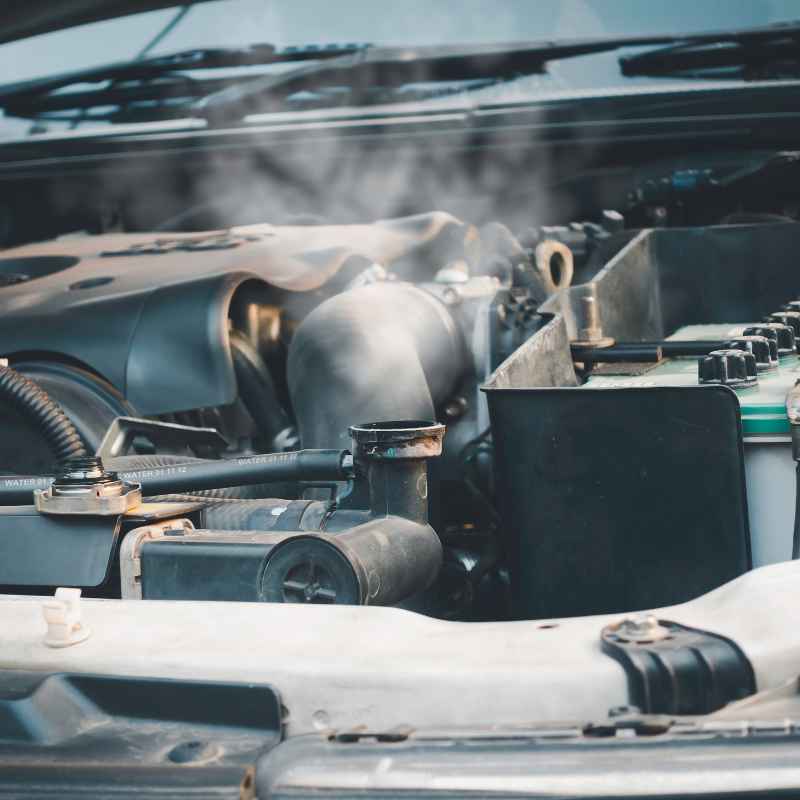
Does Turning The Heater On Help An Overheating Car? Yes!
Yes, turning on your car’s heater can help cool an overheating engine. This is because the heater core acts like a secondary radiator, drawing heat away from the engine’s coolant and expelling it into the cabin. It’s a temporary fix to help you reach safety.
Why Your Car’s Heater is a Lifesaver
So, how does this seemingly strange trick actually work? It all comes down to how your car’s cooling system is designed. Think of your engine as a hardworking machine. As it runs, it creates a lot of heat. This heat needs to go somewhere, or your engine would quickly become too hot and break down. That’s where the cooling system comes in.
The heart of this system is the coolant, often a mix of antifreeze and water. This liquid flows through channels in the engine block, absorbing the heat. Then, it travels to the radiator, usually located at the front of your car. The radiator has many small fins and tubes. As air flows through these fins (either from the car moving or a fan), it cools the hot coolant. This cooled liquid then cycles back into the engine to absorb more heat. It’s a continuous loop.
Now, where does the heater fit into this? Well, the heater in your car isn’t just a magical box that conjures warm air. It actually uses a part of the same cooling system. There’s a smaller radiator inside your car’s dashboard, called the heater core. Hot coolant from the engine is pumped through this heater core. A fan then blows air across the heater core’s fins. This air gets heated by the coolant and blows into your car’s cabin, making it warm.
So, when your engine starts to overheat, and you turn your heater on full blast, you’re essentially asking that heater core to do more work. You’re redirecting some of that hot coolant to the heater core. This pulls more heat away from the engine block. The heater core then expels this extra heat into the car’s interior. It’s like giving your engine’s main radiator a little extra help by adding a second, smaller radiator into the mix.
Most people don’t think about their car’s heater beyond winter comfort. But in a pinch, it’s a clever piece of engineering that can provide crucial relief for a struggling engine. It’s not a permanent fix, mind you, but it can be enough to get you off a busy highway or to the nearest safe spot.
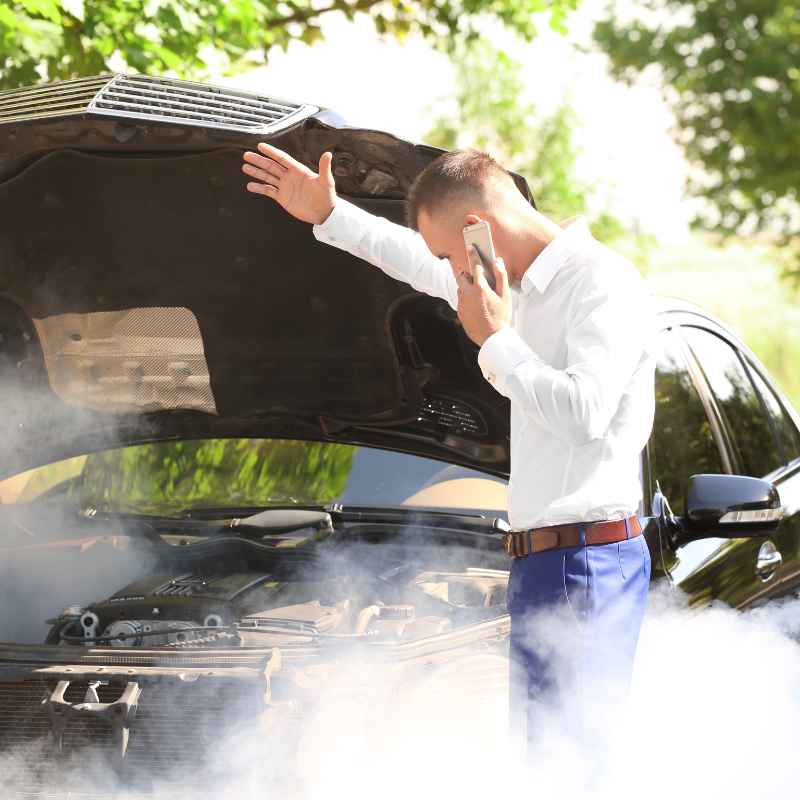
My Own “Oh No!” Moment
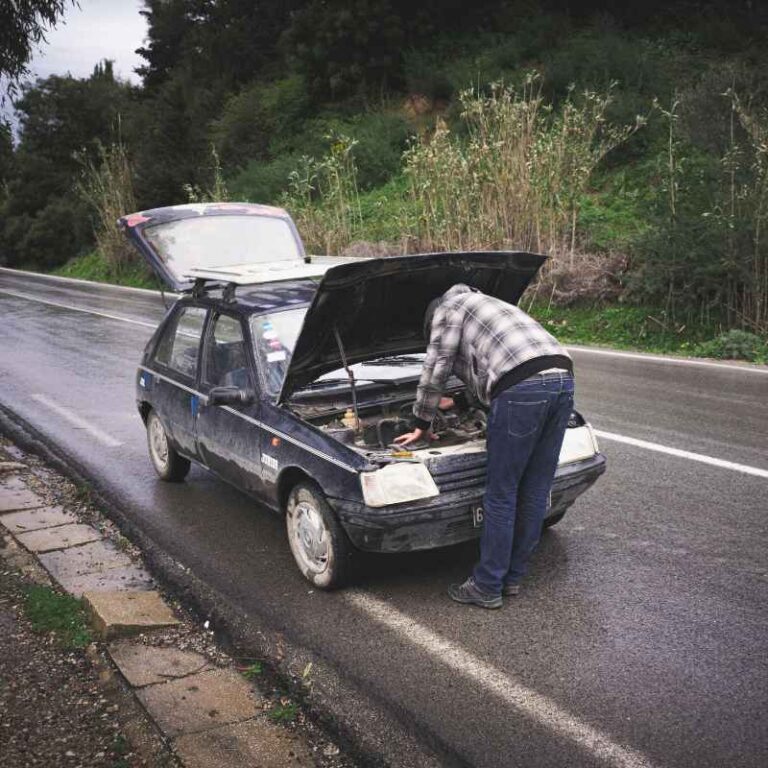
I remember one sweltering summer day a few years back. I was driving on a long stretch of highway, heading home after a client meeting. The sun was beating down, and my air conditioning was working overtime. Suddenly, I noticed it. The little red light on my dashboard, the one you really don’t want to see, started to glow. Then, the temperature gauge needle began its alarming climb. Up, up, up it went, past the halfway mark, and heading straight for the dreaded “H.”
My heart sank. I was miles from the next exit. My first instinct was sheer panic. I thought, “What do I do? Pull over immediately? But where?” I started to slow down, already imagining the tow truck bill. Then, I remembered something my old mechanic told me years ago. He’d said, “If you ever see that temp gauge climb, and you can’t pull over right away, try turning your heater on full blast. It sounds crazy, but it can help buy you some time.”
I was skeptical, to say the least. Turning on the heater? In 95-degree weather? But I was desperate. So, I twisted the dial to the hottest setting and cranked the fan speed to maximum. Almost instantly, a wave of hot air blasted into the car. It was uncomfortable, to say the least. Sweat started to bead on my forehead. But as I kept driving, ever so carefully, I watched the temperature gauge. Slowly, almost imperceptibly at first, the needle started to dip. It wasn’t a dramatic drop, but it stopped climbing. It even nudged back down a tiny bit.
That wave of hot air from the vents was the physical manifestation of heat being pulled from my engine. It felt like a tiny, uncomfortable miracle. I was able to keep going for another five miles until I reached an exit with a service station. I’m convinced that simple trick saved me from a much bigger, more expensive problem. It was a stark reminder that sometimes, the simplest solutions are hidden in plain sight.
Quick Check: Is Your Heater Working?
Before you’re in a hot (or overheating) situation, it’s good to know your heater works. Test it on a cooler day. If you turn your heater on and get no warm air, or only lukewarm air, there might be a problem with your cooling system or heater core.
This is a sign to get it checked before an emergency happens.
The Science Behind the Heat Swap
Let’s dive a little deeper into what’s happening under the hood. Your car’s cooling system is a finely tuned balance of heat absorption, transfer, and dissipation. The primary goal is to keep the engine at its optimal operating temperature. This is usually somewhere between 195°F and 220°F (90°C to 104°C). Too cold, and the engine runs inefficiently, using more fuel. Too hot, and parts can warp, seals can blow, and catastrophic engine damage can occur.
The engine itself generates enormous amounts of heat through combustion. This heat needs to be managed. Coolant, a special fluid, circulates through passages in the engine block and cylinder head. It absorbs this heat.
From the engine, the hot coolant travels through hoses to the radiator. The radiator is essentially a heat exchanger. It’s usually mounted at the front of the vehicle so that air can pass through it. As the car moves, or when the cooling fan kicks in, air flows across the radiator’s fins. This airflow cools the coolant inside the tubes of the radiator.
Once cooled, the coolant flows back to the engine to repeat the cycle. This is the main cooling loop.
Now, the heater core is also connected to this system. It’s essentially a small radiator that sits inside your car’s dashboard. A separate loop of hot coolant is diverted from the engine’s main circuit and sent to the heater core. When you turn on your car’s heater, you open a valve, allowing this hot coolant to flow into the heater core. At the same time, a fan blows air through the heater core. This air picks up the heat from the coolant and is then directed into the cabin of your car.
When your engine starts to overheat, it means the main radiator isn’t dissipating heat fast enough. This could be due to several reasons: low coolant level, a blocked radiator, a faulty thermostat, a failing water pump, or a malfunctioning cooling fan.
By turning on your heater, you are essentially creating a secondary path for heat to escape. You are making the heater core work harder to absorb heat from the coolant. This extra heat exchange, though it makes your car’s interior uncomfortable, pulls heat away from the engine. It effectively lowers the temperature of the coolant returning to the engine. It’s like giving your engine’s cooling system an emergency boost.
It’s crucial to understand that this is a temporary measure. The heater core is much smaller than the main radiator. It cannot handle the entire heat load of an engine on its own for long. But it can often provide enough cooling to prevent immediate damage and allow you to reach a place where you can address the root cause of the overheating.
Myth vs. Reality: Heater Trick
| Myth | Reality |
| Turning on the heater makes the engine more hot. | The heater uses hot coolant. Turning it on draws heat away from the engine and into the car’s cabin. |
| This is a permanent fix for engine overheating. | It’s a temporary emergency measure to help you get to safety. The underlying problem still needs to be fixed. |
When This Trick is Your Best Friend (and When It’s Not)
So, you’re driving along, the temp gauge is climbing, and you remember the heater trick. When should you deploy it? The primary situation is when you notice the temperature rising rapidly and you are unable to pull over safely immediately. Think about being stuck in traffic on a bridge, on a busy highway with no shoulder, or in a rural area with no services for miles. In these scenarios, the heater trick is your immediate go-to.
You want to turn the heater on to its highest setting and the fan speed to its maximum. This ensures you’re getting the most cooling effect possible. Keep driving, but do so gently. Avoid hard acceleration or high speeds, as these put more strain on the engine and generate more heat. Your goal is to reach a safe location, like a rest stop, a gas station, or a quiet side street.
What if your car is already steaming or you hear loud noises from the engine? If you see steam billowing from under the hood, or if you hear popping or hissing sounds, your engine is likely already severely overheated. In these cases, the heater trick might not be enough, or it could even be dangerous. If your car is steaming, the best course of action is to pull over as soon as it is safe to do so, turn off the engine, and call for a tow truck. Trying to drive further could cause irreparable damage.
Another scenario where this trick might not be ideal is if you suspect a complete lack of coolant. If your temperature gauge has been dropping steadily into the cold zone, or if you’ve recently noticed a significant coolant leak, the system might be empty. In this case, turning on the heater won’t do much good because there’s no hot coolant to transfer heat. It’s more important to stop immediately and assess the coolant level.
It’s also important to consider the outside temperature. If it’s already very hot outside, turning on your heater will make your car’s interior incredibly uncomfortable. This might be a small price to pay to save your engine, but it’s something to be prepared for.
Essentially, the heater trick is for those moments when you need a few extra minutes to get to safety. It’s not a substitute for addressing the root cause of the overheating. Once you’ve reached a safe place, you need to let the engine cool down completely before attempting to check the coolant level or add more coolant. Never open a hot radiator cap, as the pressurized hot liquid can spray out and cause severe burns.
Common Causes of Overheating
Understanding why your car overheats in the first place can help you prevent it. There are several common culprits, and knowing them can save you a lot of trouble.
Low Coolant Level: This is the most frequent cause. Coolant levels can drop due to leaks in the hoses, radiator, water pump, or heater core. It can also be due to evaporation over time, though this is less common with modern sealed systems. If the coolant level is too low, there isn’t enough fluid to absorb and carry away the engine’s heat effectively.
Faulty Thermostat: The thermostat is a valve that controls the flow of coolant. When the engine is cold, it stays closed, allowing the engine to warm up quickly. Once the engine reaches its operating temperature, the thermostat opens, allowing coolant to flow to the radiator. If the thermostat gets stuck closed, coolant can’t reach the radiator, and the engine overheats.
Bad Water Pump: The water pump is responsible for circulating the coolant throughout the engine and radiator. If the water pump fails or its impeller is damaged, the coolant stops flowing. This leads to rapid overheating. You might also notice a whining sound or a leak from the pump area if it’s failing.
Clogged Radiator: The radiator can become clogged with rust, debris, or mineral deposits over time. This blockage restricts coolant flow through the radiator’s tubes, preventing it from cooling the fluid properly.
Cooling Fan Issues: Most cars have electric cooling fans that pull air through the radiator when the vehicle is moving slowly or stopped. If the fan motor burns out, a fuse blows, or a sensor fails, the fan won’t turn on, and the engine can overheat, especially in stop-and-go traffic.
Leaky Radiator Cap: The radiator cap maintains pressure within the cooling system. This pressure raises the boiling point of the coolant. If the cap is faulty or doesn’t seal properly, the system can’t maintain pressure, and the coolant can boil at a lower temperature, leading to overheating.
Hose Problems: Radiator hoses carry coolant between the engine, radiator, and heater core. If a hose cracks, collapses, or becomes brittle, it can restrict coolant flow or cause a leak, leading to overheating.
When to Seek Professional Help
The heater trick is a temporary fix. If your car is overheating, it’s a sign that something is wrong. Here’s when you absolutely need to see a mechanic:
- Persistent Overheating: If the problem keeps happening even after adding coolant.
- Steam or Smoke: If you see steam coming from under the hood.
- Strange Noises: Hissing, popping, or grinding sounds from the engine.
- Visible Leaks: Puddles of fluid under your car.
- Dashboard Warning Lights: Beyond the temperature gauge, like an engine light.
What This Means for You: Prevention and Preparedness
Knowing that turning on your heater can help is great information, but prevention is always better than cure. Here’s what you can do to keep your car’s cooling system in top shape and be prepared for those unexpected moments.
Regular Coolant Checks: Make it a habit to check your coolant level at least once a month, and especially before long trips. Do this when the engine is completely cool. Your car’s owner’s manual will show you where to find the coolant reservoir and the proper type of coolant to use. Never use plain water, as it can freeze in winter and cause corrosion.
Inspect Hoses and Belts: Visually inspect your radiator hoses for any signs of cracking, swelling, or brittleness. Also, check the drive belts for wear and tear. A damaged belt can affect the water pump’s operation.
Listen to Your Car: Pay attention to any unusual sounds coming from your engine. A whining sound might indicate a failing water pump.
Watch Your Temperature Gauge: Make it a habit to glance at your temperature gauge regularly. If you see it starting to climb, don’t ignore it. Address it early.
Keep an Emergency Kit: It’s wise to keep a small emergency kit in your car. This could include a jug of the correct type of coolant, a bottle of water (for emergency use if you can’t get coolant, but only after the engine has cooled and you’re sure there isn’t a major leak), basic tools, and a flashlight.
Know Your Car’s Cooling System: Take a few minutes to understand the basics of your car’s cooling system. Knowing where the radiator, coolant reservoir, and heater core are located can be very helpful.
Understand the Heater Trick: This article has explained how and why the heater trick works. It’s a valuable piece of knowledge for any driver.
When you do need to use the heater trick, remember it’s a temporary measure. The moment you can safely pull over and let your car cool down, do so. After it has cooled completely, check your coolant level. If it’s low, you can add more coolant. If you’re not sure how to do this, or if you suspect a leak, it’s best to call for roadside assistance.
My Experience with a Leaky Hose
I recall another instance, a few years ago, when I was driving my older sedan. It was a crisp autumn day, perfect for a drive to visit my parents in the countryside. About halfway there, I noticed a faint smell of coolant. It wasn’t strong, but it was there. I kept driving, thinking maybe I had just spilled some when I last topped it up.
Then, the temperature gauge started to climb. Not dramatically, but steadily. I remembered the heater trick and decided to use it. I cranked the heat, and the cabin quickly became uncomfortably warm. The temperature gauge stabilized, but it was still higher than normal. I knew I couldn’t ignore it.
I managed to get to a small town and found a mechanic. He took a look and found a small crack in one of the upper radiator hoses. It was weeping coolant slowly, just enough to cause a gradual loss and lead to overheating. He
This experience reinforced for me the importance of paying attention to small signs. That faint smell of coolant wasn’t something to ignore. The fact that the heater trick worked meant that the coolant was still circulating, but the loss was too great to be managed by the main radiator alone. It also showed me that even when the heater trick is helping, it’s a clear signal that a problem needs to be fixed. It buys you time, but it doesn’t solve the issue. Being proactive with maintenance, like checking hoses and coolant levels, can prevent these situations from happening in the first place.
Quick Scan: What To Do When Your Car Overheats
1. See the Gauge Climb: Notice the temperature rising.
2. Turn Heater On: Max heat, max fan.
3. Drive Gently: Avoid sudden acceleration.
4. Find Safe Spot: Aim for a rest stop or shoulder.
5. Let it Cool: Never open a hot radiator cap.
6. Check Coolant (when cool): Add if low.
7. Call for Help: If unsure or problem persists.
The Role of the Cabin Air Filter
It might seem odd to bring up the cabin air filter when talking about engine overheating, but there’s a connection. Your cabin air filter is designed to clean the air that comes into your car’s interior, whether you’re using the air conditioning or the heater.
When your car’s heater is running, the fan pulls air from outside or recirculates air from inside your cabin and blows it across the heater core. If your cabin air filter is clogged with dirt, dust, leaves, or other debris, it restricts airflow. This means less air can pass through the heater core.
While the primary effect of a clogged cabin air filter is reduced airflow and potentially weaker heating or cooling, in an overheating situation where you’ve turned the heater on full blast, a severely clogged filter can hinder the process. Less air passing over the heater core means less heat is being expelled from the coolant. This slightly reduces the effectiveness of the heater trick.
So, while a dirty cabin air filter won’t cause your engine to overheat, it can make the emergency heater trick less effective. It’s another good reason to replace your cabin air filter regularly, usually every 12,000 to 15,000 miles, or once a year, depending on your driving conditions. It’s a simple maintenance item that contributes to both your comfort and the efficiency of your car’s systems.
When is Overheating Actually Normal?
This is a question I get asked a lot. People worry about any rise in temperature. In most modern cars, the temperature gauge will typically sit slightly below the halfway mark. It might creep up a bit when you’re stuck in heavy traffic, especially on a hot day, or when you’re climbing a steep hill. This slight rise is usually normal.
The engine’s cooling system is designed to manage these conditions. The fan will kick in more often, and the thermostat will adjust coolant flow to keep things within a safe operating range. A well-maintained cooling system should be able to handle these common stresses without letting the temperature get into the red zone.
However, if you notice the needle consistently creeping higher than usual, or if it hovers near the top of the gauge even under normal driving conditions, that’s a sign something might be off. It’s better to have it checked by a mechanic than to wait for a full-blown overheating event.
The key is to know your car’s normal operating temperature. Watch the gauge for a few days during different driving conditions to establish a baseline. Then, any significant deviation from that baseline warrants investigation. Overheating, especially if it leads to steam or serious performance issues, is never considered “normal” and always indicates a problem that needs attention.
Frequent Questions About Car Heaters and Overheating
Will turning on my heater damage my engine if it’s already overheating?
No, turning on your heater to help cool an overheating engine is generally safe. It’s a temporary measure designed to draw heat away from the engine. However, it won’t fix the underlying problem and should not be relied upon long-term. If the engine is severely overheated (e.g., steaming heavily), it’s best to stop driving immediately and call for assistance.
How long can I drive with my heater on to cool an overheating engine?
This trick is meant for short periods to get you to safety. You might be able to drive for 10-20 minutes, depending on the severity of the overheating and the condition of your cooling system. Your goal is to reach a safe place to stop and let the engine cool down, not to continue your journey as normal.
What if my car’s heater doesn’t work at all? Can I still use this trick?
If your car’s heater doesn’t produce hot air, it suggests there might already be an issue with your cooling system or heater core. In this case, the heater trick won’t be effective because there isn’t enough hot coolant flowing to the heater core. If your heater is not working, you should address that problem separately and avoid driving your car if it shows signs of overheating.
Is it okay to add water to the radiator if my car is overheating?
Only add water if the engine has completely cooled down. Never open a hot radiator cap, as the pressurized hot coolant can cause severe burns. Adding water can be a temporary fix if you have lost coolant, but it dilutes the antifreeze and can cause problems in colder weather or with corrosion. It’s best to use the correct coolant mixture when possible.
What’s the difference between the main radiator and the heater core?
The main radiator is much larger and is located at the front of the car to dissipate engine heat into the outside air. The heater core is a smaller radiator located inside the dashboard, used to transfer heat from the engine coolant into the car’s cabin to provide heat for passengers. Both are heat exchangers, but they serve different primary purposes.
Could a bad fan clutch cause my car to overheat?
Yes, absolutely. If your car has a fan clutch (common on older vehicles or trucks), a failing fan clutch will cause the cooling fan to spin slower than it should, or not at all. This reduces airflow through the radiator, especially at lower speeds, and can easily lead to overheating.
Final Thoughts
It’s easy to get flustered when your car’s temperature gauge starts climbing into the danger zone. But knowing that a simple action like turning on your heater can help you manage the situation is empowering. It’s a testament to the clever engineering of our vehicles, turning a comfort feature into an emergency tool.
Remember, this is a temporary fix, a way to buy yourself time to reach safety. The most important step after using this trick is to address the root cause of the overheating. Regular maintenance and paying attention to your car’s signals will save you stress and costly repairs down the road. So, the next time you see that needle rising, don’t panic. Turn up the heat, drive safely, and get to a place where you can sort out the problem properly.
Products related to this article
Sponsored / affiliate links. As an Amazon Associate I earn from qualifying purchases. I may earn additional commission from eligible campaigns.