Range Rover Evoque Hot Air Vent Too Hot? Expert Fixes
Sometimes the air coming from your Range Rover Evoque’s vents can feel way too hot, even when you don’t want it to. This can be confusing, especially if you’re new to car repairs. You might wonder what’s causing this and if it’s something you can fix yourself.
Don’t worry, dealing with a Range Rover Evoque Hot Air Vent Too Hot? Expert Fixes is usually simpler than it sounds. We’ll guide you through it step-by-step so you can get your climate control working just right again.
Let’s explore what might be going on and how to fix it.
Understanding Your Evoque’s Climate Control
Your Range Rover Evoque has a sophisticated climate control system. It works to keep your car’s cabin at the perfect temperature all year round. This system involves many parts, like the heater core, air conditioning unit, and various sensors.
When one of these parts acts up, you might notice unusual air temperatures coming from the vents. This section helps you get a basic idea of how it all functions together.
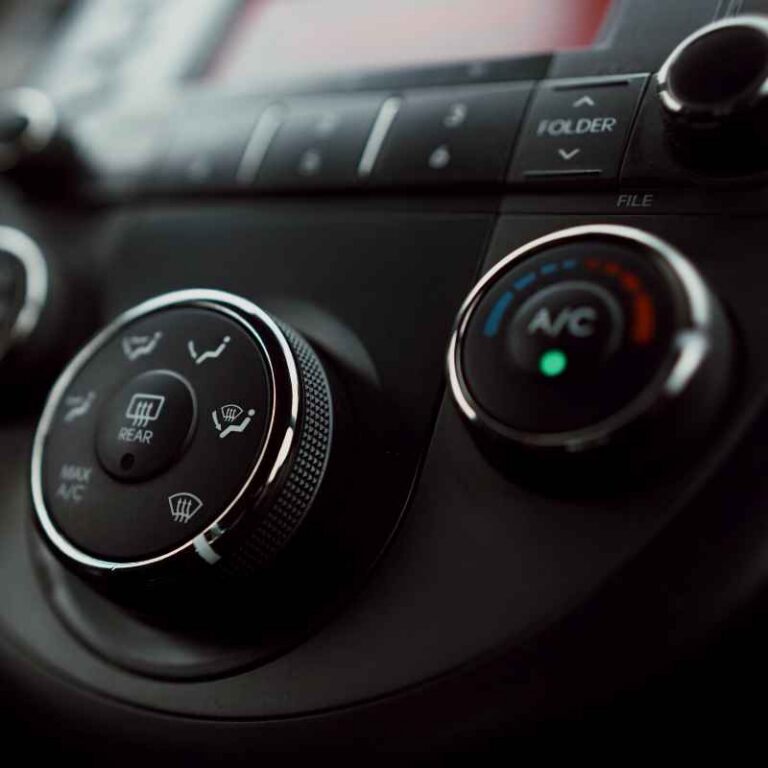
The climate control system in your Evoque is an automatic system. You set the temperature, and the car’s computer adjusts the fan speed, air intake, and whether to use the heater or air conditioner. This is all done to reach and maintain your chosen temperature.
It uses sensors to measure the inside and outside air. These sensors tell the system when to make changes. For example, if it’s cold outside and you want it warm inside, the system will draw heat from the engine.
If it’s hot outside and you want it cool, it will use the air conditioning.
When you experience the Range Rover Evoque Hot Air Vent Too Hot? Expert Fixes, it often means there’s a communication issue or a problem with one of the components. This could be something as simple as a blocked air passage or as complex as a faulty sensor.
Understanding the basics helps you pinpoint potential problems more easily. We will break down common issues and their solutions so you can tackle them with confidence. This knowledge is key to keeping your car comfortable.
Heater Core Functionality
The heater core is a small radiator located inside your car’s dashboard. It’s a vital part of your heating system. Hot coolant from the engine flows through it.
When you turn on your car’s heater, the fan blows air across the heater core. This warms the air before it enters the cabin. If the heater core is blocked or leaking, it can affect how well your heater works and sometimes cause air to be too hot or not hot enough.
A blocked heater core can prevent coolant from flowing properly. This means less heat is transferred to the air. It might seem counterintuitive, but a blockage can sometimes cause air to become excessively hot in certain areas because the heat isn’t dissipating as it should.
Conversely, a leak can cause the system to lose coolant, reducing its heating capacity. Regular maintenance, like flushing the cooling system, can prevent these blockages. This ensures the heater core stays clear and functions as intended.
The heater core is connected to your engine’s cooling system. Coolant circulates through it continuously. When you select a higher temperature on your climate control, the system opens a valve to allow more hot coolant into the heater core.
The fan speed then controls how much air passes over it. This process transfers heat from the engine to your car’s interior. A healthy heater core is essential for efficient and controlled cabin heating.
Air Conditioning System Basics
The air conditioning (AC) system in your Evoque uses refrigerant to cool the air. It works by compressing and expanding this refrigerant. This cycle absorbs heat from the cabin air and releases it outside.
Key components include the compressor, condenser, evaporator, and expansion valve. If any of these parts malfunction, your AC might blow warm air or struggle to cool effectively.
When the AC system is working correctly, it draws warm air from the cabin, passes it over a cold evaporator coil, and then blows the cooled air back into the car. The refrigerant plays a crucial role in this process. It changes from a liquid to a gas and back again, absorbing and releasing heat in the process.
Low refrigerant levels or a faulty compressor can lead to poor cooling performance.
The AC system is separate from the heating system, but they are both controlled by your climate control unit. Sensors monitor cabin temperature and outside temperature to decide whether to activate the AC or the heater. If the AC system has a problem, it could indirectly affect the heater by confusing the control unit, leading to unexpected hot air.
Proper maintenance, like checking refrigerant levels and looking for leaks, is important for AC longevity.

Common Causes for Overly Hot Air Vents
When your Range Rover Evoque’s air vents blow hotter than desired, several culprits could be at play. These issues range from simple adjustments to component failures. Identifying the correct cause is the first step toward an effective fix.
This section breaks down the most frequent reasons for this problem, helping you narrow down what might be wrong with your specific vehicle.
One common issue is a problem with the temperature blend door. This is a small flap inside your dashboard that mixes hot air from the heater core and cold air from the AC. If this door gets stuck in the “hot” position, it will always allow hot air through, regardless of your setting.
Another possibility is a malfunctioning temperature sensor. If the sensor incorrectly reads the cabin temperature as very cold, it might signal the system to blow hotter air to compensate. This can lead to the Range Rover Evoque Hot Air Vent Too Hot?
Expert Fixes becoming a real frustration.
Sometimes, the issue isn’t with the heating or cooling itself but with how the air is directed. Faulty actuators that control the air vents might be stuck, sending air through the heater core even when you’ve selected a cool setting. Additionally, issues within the climate control module, the car’s computer that manages the entire system, can cause erratic behavior.
These can range from software glitches to hardware failures. Diagnosing these problems often requires specialized tools and knowledge.
Faulty Temperature Blend Door Actuator
The temperature blend door actuator is an electric motor. It controls a flap inside your car’s HVAC system. This flap decides how much hot or cold air mixes together.
If the actuator fails or the flap gets stuck, it can cause the air coming from your vents to be consistently too hot. This is a very common reason for this specific problem.
This actuator receives signals from the climate control unit. It then moves the blend door to the correct position. If the motor burns out or the gears strip, it loses its ability to move.
This can leave the door stuck in one position, often the hot air position. You might hear clicking noises from behind the dashboard when you try to change the temperature. These are signs that the actuator is struggling or has failed.
Replacing a blend door actuator can be a DIY job for some, but it often requires removing parts of the dashboard. This can be time-consuming and challenging. Professional mechanics have the experience and tools to access and replace these parts efficiently.
Ensuring the correct part is ordered is also important, as there can be multiple blend door actuators for different zones in your vehicle.
Malfunctioning Cabin Temperature Sensor
Your Evoque has sensors inside the cabin. These sensors measure the actual temperature of the air. They send this information to the climate control module.
If a sensor is faulty, it might report a much colder temperature than what it really is. The system will then try to compensate by blowing hotter air, even when you want it cool.
These sensors are typically small, discreet units. They are often located near the rearview mirror or in the dashboard. They are sensitive to their surroundings.
Dust, debris, or even direct sunlight can affect their readings. A sensor that has gone bad will consistently give incorrect readings. This leads to the climate control system making wrong decisions about heating or cooling.
Diagnosing a faulty sensor usually involves using an OBD-II scanner. This tool can read error codes from the car’s computer. It can also show live data from the sensors.
If the sensor’s reading seems way off compared to a manual thermometer, it’s likely the cause. Replacing a cabin temperature sensor is generally a straightforward process. It often involves unclipping a small cover and unplugging the old sensor.
Heater Control Valve Issues
While many modern cars use blend doors to control temperature, some still have a heater control valve. This valve is usually located in the engine bay. It controls the flow of hot coolant to the heater core.
If this valve is stuck open, hot coolant will always flow to the heater core. This will make the air too hot, even when the AC is on and the blend door is trying to direct air away from the heater core.
This valve acts like a faucet for hot coolant. When the temperature is set to cool, the valve should close. This stops hot coolant from entering the heater core.
If the valve’s mechanism fails, or if it’s electronically controlled and not receiving the right signal, it can stay open. This means the heater core remains hot. Warm or hot air will constantly pass through it, leading to an uncomfortably warm cabin.
Symptoms of a faulty heater control valve include an engine that takes too long to warm up or the cabin getting too hot too quickly. You might also notice that turning the temperature dial has little to no effect. Checking the valve involves seeing if it’s manually adjustable or if it has an electronic connection.
Replacing it usually involves working with the engine’s coolant system, so draining and refilling coolant might be necessary.
Expert Fixes and Troubleshooting Steps
When faced with an overly hot air vent situation in your Range Rover Evoque, a systematic approach is key. This section provides practical troubleshooting steps that can help you diagnose and resolve the issue. From simple checks to more involved repairs, we aim to guide you through the process of getting your climate control back to normal.
Before diving into complex repairs, it’s always wise to start with the basics. Check your climate control settings carefully. Ensure you haven’t accidentally set the temperature to a very high level.
Sometimes, a simple reset of the climate control system can resolve minor glitches. You can often do this by turning the ignition off, waiting for a few minutes, and then turning it back on. If the problem persists, you’ll need to investigate further.
The Range Rover Evoque Hot Air Vent Too Hot? Expert Fixes often involve checking diagnostic codes. Your car’s computer stores information about faults.
Accessing these codes with an OBD-II scanner is a crucial step. This scanner connects to a port usually found under the dashboard. It can reveal specific error codes related to your HVAC system.
These codes act as clues, pointing you towards the faulty component.
Performing a System Reset
Sometimes, the complex electronics that control your climate system can experience minor software glitches. These can lead to unexpected behavior, like the vents blowing too hot. A simple system reset can often clear these temporary issues and return the system to its normal operation.
To perform a basic reset, turn off your car’s engine completely. Remove the key from the ignition if applicable, or ensure the car is fully powered down. Wait for at least 5 to 10 minutes.
This allows the various control modules in the car to lose power and reset. After the waiting period, start your car again and check the climate control system. See if the temperature issue has been resolved.
This is a non-invasive step and a good starting point for any troubleshooting.
If the problem was due to a temporary electronic hiccup, this reset should fix it. If the issue returns shortly after, it indicates a more persistent problem with a component. This might require further investigation into the hardware.
This simple step can save you a lot of time and potential repair costs if it works.
Using an OBD-II Scanner for Diagnosis
Modern vehicles, including your Range Rover Evoque, have onboard diagnostic systems. These systems monitor various components, including the climate control. An OBD-II scanner is a tool that plugs into a specific port in your car.
It reads fault codes stored by the car’s computer. These codes can give you a strong indication of what is wrong.
You can purchase an OBD-II scanner yourself, or many auto parts stores offer free code reading services. Once plugged in, the scanner will display a list of any stored trouble codes. These codes usually have a letter followed by numbers, like “B1000” or “P0500”.
You can then look up these codes online or in a repair manual to understand what component or system they relate to. For example, a code related to the blend door actuator would strongly suggest that component is the source of your problem.
The scanner can also sometimes display live data from various sensors. This allows you to see real-time readings from the cabin temperature sensor, for instance. If the reading seems illogical, it’s a strong sign that the sensor itself might be faulty.
This diagnostic approach is often the quickest way to pinpoint the root cause of the Range Rover Evoque Hot Air Vent Too Hot? Expert Fixes problem.
Checking for Airflow Obstructions
Sometimes, the problem isn’t with the heating or cooling system itself but with how air is able to move. Obstructions in the air intake or in the ducts can affect the temperature distribution. Blocked cabin air filters are a common culprit here.
They can restrict airflow, making the fan work harder and potentially affecting temperature regulation.
The cabin air filter is designed to clean the air entering your car’s interior. It traps dust, pollen, and other debris. Over time, it can become clogged.
A severely clogged filter can reduce the volume of air that can pass through. This can lead to uneven heating or cooling, and sometimes the air might feel warmer than it should because the system is struggling to push air through.
Checking and replacing the cabin air filter is usually a straightforward maintenance task. The filter is often located behind the glove box or under the dashboard. Consult your Evoque’s owner’s manual for its exact location.
Once found, you can typically unclip the cover, remove the old filter, and insert a new one. This is a relatively inexpensive repair that can significantly improve your car’s air quality and climate control performance.
When to Seek Professional Help
While many car issues can be resolved with DIY efforts, some problems in your Range Rover Evoque’s climate control system are best left to the professionals. If you’ve tried basic troubleshooting and are still experiencing issues, or if the problem requires specialized tools or knowledge, it’s time to call in an expert. This ensures the repair is done correctly and safely.
Complex electrical issues, refrigerant leaks in the AC system, or internal dashboard component replacements often require advanced diagnostics and specialized equipment. Mechanics have access to manufacturer-specific diagnostic software and tools. This allows them to accurately identify and fix problems that are beyond the scope of a typical home mechanic.
Trusting a professional can save you time, prevent further damage, and ensure your climate control system functions reliably.
The Range Rover Evoque Hot Air Vent Too Hot? Expert Fixes might involve components that are difficult to access without taking apart significant portions of the dashboard. For instance, replacing internal ductwork or certain actuators can be labor-intensive.
Attempting these repairs without the proper experience can lead to damage to other parts of your vehicle. It’s also important to note that working with refrigerant can be hazardous if not done correctly. Professionals are trained in safe handling procedures.
Complex Electrical Diagnosis
The climate control system in your Range Rover Evoque is managed by a network of sensors, actuators, and a control module. Tracing electrical faults through this complex system can be challenging. Issues like faulty wiring, bad connections, or a failing control module require advanced diagnostic tools and expertise.
Professional technicians use specialized equipment like oscilloscopes and advanced scan tools. These tools can analyze electrical signals and identify intermittent faults. They can also test individual components for proper operation.
For example, they can check if the control module is sending the correct signals to the blend door actuator or if a sensor is providing accurate data. If the problem lies within the car’s computer system, only a professional will have the means to diagnose and repair it.
Attempting complex electrical repairs without the right knowledge can lead to short circuits, damage to the vehicle’s wiring harness, or even permanent damage to the car’s computer systems. It’s crucial to recognize when an issue requires professional attention. This ensures the repair is done correctly and the system is properly calibrated.
Refrigerant System Service
If the issue with your hot air vents is related to the air conditioning system, it may involve the refrigerant. Refrigerant is a special gas that cools the air. It requires specific handling and equipment to service.
Leaks, low refrigerant levels, or contamination within the system can all lead to poor cooling performance and potentially affect temperature regulation.
Working with automotive refrigerant requires specialized knowledge and tools. Technicians use machines to recover old refrigerant, evacuate the system of air and moisture, and recharge it with the correct amount of new refrigerant. They also have equipment to detect even small leaks in the AC system.
Attempting to add refrigerant without proper training can lead to overcharging, undercharging, or introducing air into the system, all of which can cause further damage.
If your AC isn’t cooling effectively, or if you suspect a refrigerant issue, it’s best to take your Evoque to a qualified AC technician. They can accurately diagnose the problem, repair any leaks, and ensure the system is refilled to the manufacturer’s specifications. This not only restores your cooling but also prevents damage to the AC components.
Dashboard Component Access
Many of the components responsible for controlling your car’s climate, such as the blend door actuators and temperature sensors, are located deep within the dashboard. Accessing these parts often requires removing significant portions of the dashboard trim, panels, and even structural components.
This process can be intricate and requires careful handling to avoid breaking clips, scratching surfaces, or damaging underlying wiring. Professional mechanics have experience with the specific design of your Range Rover Evoque’s interior. They know how to safely dismantle and reassemble these areas.
This ensures that all panels are reinstalled correctly, without rattles or gaps, and that no electrical connections are overlooked.
For instance, replacing a blend door actuator might involve removing the entire center console or parts of the instrument panel. If done incorrectly, it could lead to squeaks, rattles, or other interior trim issues. Relying on a professional for these types of repairs ensures the job is done efficiently and that your car’s interior is returned to its original condition.
Preventative Maintenance Tips
To avoid future issues with your Range Rover Evoque’s climate control, a proactive approach to maintenance is essential. Regular checks and servicing can help catch small problems before they become major headaches. This section covers key preventative measures that can keep your system running smoothly.
One of the simplest yet most effective maintenance tasks is regular replacement of your cabin air filter. This filter cleans the air that enters your car, and a clogged filter can impede airflow. Another important step is ensuring your car’s cooling system is properly maintained.
This includes checking coolant levels and having the system flushed according to your owner’s manual’s recommendations.
Regular visual inspections of your car’s interior can also be helpful. Look for any unusual signs, such as strange smells or noises coming from the dashboard when you adjust the climate control. If you notice anything out of the ordinary, it’s best to have it checked sooner rather than later.
This can help prevent the Range Rover Evoque Hot Air Vent Too Hot? Expert Fixes from becoming a recurring problem.
Regular Cabin Air Filter Replacement
The cabin air filter plays a critical role in the air quality inside your Range Rover Evoque. It filters out dust, pollen, pollutants, and other particles from the air before it enters the cabin through the vents. Over time, this filter becomes saturated with debris and can no longer effectively perform its job.
A clogged cabin air filter not only reduces air quality but also restricts airflow. This can make your climate control system work harder, potentially leading to reduced efficiency and increased wear on the fan motor. In some cases, it can even affect temperature regulation, making the air feel warmer than it should.
Manufacturers typically recommend replacing the cabin air filter every 12,000 to 15,000 miles or once a year, but this can vary based on driving conditions.
Checking your owner’s manual is the best way to determine the recommended
Cooling System Health
Your car’s heating system relies on the engine’s coolant to generate heat. The coolant circulates through the heater core, a small radiator located behind the dashboard. If your cooling system isn’t healthy, it can directly impact your heating capabilities.
Ensuring your coolant level is always correct is paramount. Low coolant levels mean less fluid is available to circulate through the heater core, leading to less heat transfer. It’s also important to use the correct type of coolant recommended by Land Rover.
Using the wrong type can cause corrosion or blockages in the cooling system, including the heater core. Regular coolant flushes, as recommended in your owner’s manual, are crucial. These flushes remove old, degraded coolant and any sediment that may have built up, preventing potential clogs.
A well-maintained cooling system ensures that hot coolant can efficiently reach the heater core when needed. This prevents issues where the heater core might be partially blocked, causing unusual hot air problems. It also helps prevent the engine from overheating, which can indirectly affect various vehicle systems, including climate control.
Visual and Auditory Checks
Being aware of your car’s normal sounds and smells can help you detect problems early. If you notice any changes, it’s worth investigating. For example, unusual noises coming from the dashboard when you adjust the temperature settings could indicate a problem with an actuator or a blend door.
Listen for any clicking, grinding, or whirring sounds that weren’t there before. These can often signal a malfunctioning motor or a mechanical issue within the HVAC system. Similarly, pay attention to any strange odors.
A musty smell might indicate a mold problem in the air ducts, while a sweet smell could point to a coolant leak, possibly from the heater core.
Regular visual checks can also be beneficial. While you can’t see all the internal components, you can look for obvious signs of damage or leaks around the dashboard area. If you notice any of these subtle changes, it’s a good idea to have your climate control system inspected by a qualified technician.
Catching problems early can often lead to simpler and less expensive repairs.
When the air from your Range Rover Evoque’s vents gets too hot, it’s usually a sign that something in the climate control system needs attention. This guide has explored the common causes, from simple settings errors to more complex mechanical and electrical faults. We’ve detailed how to troubleshoot using an OBD-II scanner, the importance of system resets, and when it’s best to rely on professional help.
By understanding the function of components like the blend door actuator and temperature sensors, you can better diagnose the issue. Remember to perform regular maintenance, like replacing the cabin air filter and keeping the cooling system in good shape. These steps can prevent many problems before they start.
If you’re unsure about any repair, seeking expert advice is always the safest and most effective route to ensure your Evoque’s climate control works perfectly.
Frequently Asked Questions
Question: Why is the air coming from my Evoque’s vents too hot even when the AC is on?
Answer: This is often caused by a faulty temperature blend door actuator that is stuck in the ‘hot’ position, a malfunctioning cabin temperature sensor that wrongly signals a cold environment, or issues with the heater control valve if your model has one, preventing it from closing properly to block hot coolant flow.
Question: Can I fix a hot air vent issue myself on my Range Rover Evoque?
Answer: Simple checks like verifying your climate control settings or performing a system reset can be done by anyone. Basic maintenance like replacing the cabin air filter is also a DIY job. However, diagnosing and replacing internal components like blend door actuators or sensors often requires specialized tools and knowledge, making professional help advisable for those tasks.
Question: How much does it typically cost to fix a Range Rover Evoque hot air vent problem?
Answer: The cost can vary significantly. A simple cabin air filter replacement might cost $20-$50. However, if it’s an actuator replacement, parts and labor could range from $300 to over $800 depending on the specific part and the labor time required to access it.
More complex electrical issues or AC system repairs can also add to the cost.
Question: Is it dangerous if my Evoque’s air vents are too hot?
Answer: While not typically dangerous in terms of immediate safety risks like fire, an overly hot vent system can be very uncomfortable and make driving unpleasant. It can also be a symptom of underlying issues that, if left unaddressed, could potentially lead to more significant problems with your vehicle’s HVAC or engine cooling systems over time.
Question: What is the purpose of the temperature blend door in my Evoque’s climate control?
Answer: The temperature blend door is a flap inside your car’s heating, ventilation, and air conditioning (HVAC) system. Its job is to mix the hot air coming from the heater core with the cool air from the evaporator coil. By adjusting how much hot or cold air is allowed through, it helps the system achieve and maintain the desired cabin temperature you set.
Conclusion
Your Range Rover Evoque’s vents blowing excessively hot air is a solvable problem. We’ve covered how a malfunctioning blend door, faulty sensors, or even a simple cabin filter clog can cause this. You now know the steps to diagnose using an OBD-II scanner and when to call a mechanic.
Keeping up with maintenance like filter changes helps prevent these issues. With this knowledge, you can enjoy a perfectly comfortable cabin again.
Products related to this article
Sponsored / affiliate links. As an Amazon Associate I earn from qualifying purchases. I may earn additional commission from eligible campaigns.