How Many Tons Does a Car Weigh? (Real Conversion Chart)
A car weighs about 2 tons (4,000 pounds) on average — but that ranges from roughly 1 ton for a small sedan to nearly 5 tons for a heavy-duty pickup or large SUV.
Confusing pounds, tons, and kilograms matters for towing capacity, bridge weight limits, and shipping quotes — using the wrong unit can mean the difference between a legal load and an overweight citation.
This guide gives you a real pounds-to-tons conversion table by vehicle type, plus how car weight compares to other things measured in tons.
Quick Answer
Most passenger cars weigh 1.25–2 tons (2,500–4,000 lbs); SUVs and trucks range 2–3.5 tons (4,000–7,000 lbs); heavy-duty trucks can reach 4–5+ tons. To convert: divide pounds by 2,000 to get US tons, or by 2,204.6 for metric tonnes.
The Scale Of Autos: From Compact To Suv
When it comes to the weight of cars, it can vary depending on the type and model. Sedans and hatchbacks, which are smaller vehicles, typically weigh between 2,500 to 3,500 pounds. On the other hand, SUVs and trucks tend to be heavier, with weights ranging from 4,000 to 6,000 pounds.
Modern cars, trucks, and SUVs weigh anywhere from one ton to nearly five tons. This equates to approximately 2,000 to 10,000 pounds. It’s important to note that these weights are averages and can vary based on the specific make and model of the vehicle.
Knowing the weight of a car is essential for various reasons, including determining towing capacity, fuel efficiency, and overall safety. For a full breakdown by exact vehicle type and model, see our detailed guide to average car weight in pounds and tons.
Common Car Weights In Tons
An average compact car typically weighs between 1.5 to 2 tons, while full-sized vehicles can weigh around 2 to 3 tons. Modern cars, trucks, and SUVs generally range from one ton to almost five tons. It’s important to note that the weight of a car can vary depending on the make, model, and year.
Pounds-to-Tons Conversion by Vehicle Type
| Vehicle Type | Weight (lbs) | Weight (US Tons) |
|---|---|---|
| Compact/Subcompact Car | 2,500 – 3,000 | 1.25 – 1.5 |
| Midsize Sedan | 3,000 – 3,800 | 1.5 – 1.9 |
| Crossover/Small SUV | 3,500 – 4,200 | 1.75 – 2.1 |
| Full-Size SUV | 5,000 – 6,000 | 2.5 – 3 |
| Half-Ton Pickup Truck | 4,500 – 5,800 | 2.25 – 2.9 |
| Heavy-Duty Pickup Truck | 6,500 – 9,000 | 3.25 – 4.5 |
To convert any car’s weight from pounds to US tons yourself: divide the pound figure by 2,000. A 4,400-lb SUV, for example, is 2.2 tons.
Variations In Vehicle Weight
Variations in vehicle weight can be attributed to two main factors: material use and vehicle design. Car manufacturers utilize different materials, such as steel, aluminum, and carbon fiber, to construct their vehicles. These materials have varying densities, which directly impact the weight of the car. For example, a car made primarily of steel will typically weigh more than a car made primarily of aluminum.
Additionally, the design of the vehicle plays a crucial role in determining its weight. Factors such as the size, shape, and structural components of the car can all contribute to its overall weight. For instance, a larger SUV will generally weigh more than a smaller sedan due to its larger frame and additional features.

Weighty Matters: Why It’s Important
Cars typically weigh between one to two tons, with larger vehicles like trucks and SUVs tipping the scales at nearly five tons. Understanding the weight of a car is crucial for safety, fuel efficiency, and environmental impact. Knowing how many tons a car weighs can also help with maintenance and transportation considerations.
Safety considerations: the weight of a car directly impacts its safety. Heavier cars tend to provide better protection in collisions due to their mass. Fuel efficiency: lighter cars generally offer better fuel economy, reducing environmental impact and fuel costs.
Measuring Up: Cars In Pounds And Kilograms
When it comes to measuring a car’s weight, it’s important to understand the conversion from pounds to tons and kilograms to tonnes. A car typically weighs around 2 tons, which is equivalent to 4,000 pounds or 1,814 kilograms.
| Pounds | US Tons | Kilograms | Metric Tonnes |
|---|---|---|---|
| 2,500 | 1.25 | 1,134 | 1.13 |
| 3,500 | 1.75 | 1,588 | 1.59 |
| 4,000 | 2.0 | 1,814 | 1.81 |
| 5,500 | 2.75 | 2,495 | 2.49 |
| 7,000 | 3.5 | 3,175 | 3.18 |
How Car Weight Compares to Other Things Measured in Tons
Tons are also how bridge weight limits and truck regulations are posted, so it helps to see where a car actually falls on that scale.
| Object | Approx. Weight (Tons) |
|---|---|
| Midsize Sedan | ~1.75 |
| Full-Size SUV | ~2.5 – 3 |
| African Elephant | ~6 |
| School Bus | ~10 – 14 |
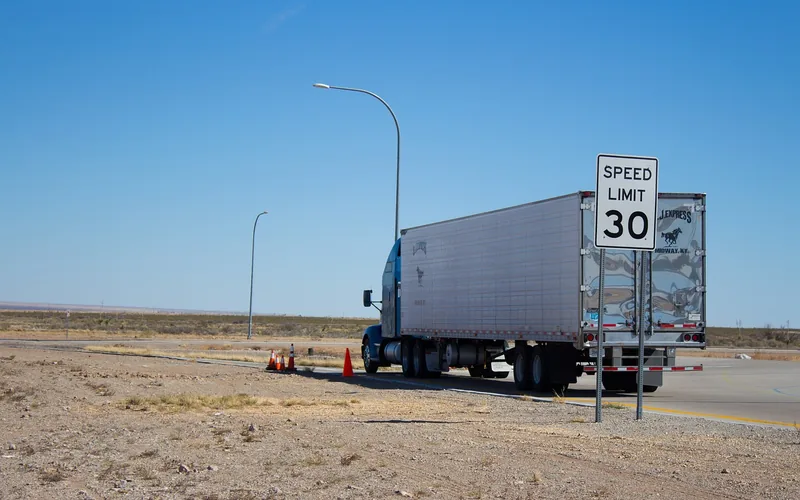
| Fully Loaded Semi-Truck | up to 40 (federal limit) |
📊 Federal law caps a fully loaded commercial truck at 80,000 lbs (40 tons) gross weight on the U.S. interstate system, unless the specific bridge’s own formula requires less. That’s roughly 20 times the weight of an average midsize sedan. Source: FHWA Bridge Formula Weights
“Bridge weight-limit signs post a blanket restriction directly in tons — for example, ‘WEIGHT LIMIT 10 TONS’ — which is exactly why knowing a vehicle’s weight in tons, not just pounds, actually matters on the road, not just as trivia.”
Specialty Vehicles And Weight
Specialty vehicles can vary in weight, but on average, a car weighs between one to five tons. The weight of a car depends on various factors such as its make, model, and size.
| Vehicle Type | Weight (in tons) |
|---|---|
| Ambulances and Service Vehicles | ~2 |
| Garbage Trucks | Varies, up to ~32 |
Ambulances and service vehicles typically weigh around two tons, while garbage trucks can weigh up to 32 tons depending on the size and type. Knowing the weight of a vehicle is important for determining towing capacity, fuel efficiency, and safety on the road.
The Influence Of Model And Make
The weight of a car can vary based on the model and make, with modern cars, trucks, and SUVs weighing anywhere from one ton to nearly five tons. This variation is influenced by factors such as vehicle size, materials used, and additional features.
| Car Make and Model Category | Weight in Tons |
|---|---|
| Luxury Cars | 1.5 – 2 |
| Economy Cars | 1 – 1.5 |
| Modern Cars (average) | 1 – 1.5 |
| Classic Cars | 1.5 – 2.5 |
Luxury cars usually weigh between 1.5 to 2 tons, while economy cars weigh around 1 to 1.5 tons. It is important to know the weight of your car as it affects fuel efficiency, handling, and overall performance.
The Future Of Car Weight
Car weight is evolving due to advancements in materials. Manufacturers are incorporating lightweight yet strong materials, such as high-strength steel and aluminum alloys, to reduce vehicle weight and improve fuel efficiency and performance.
Electric cars are also contributing to weight trends, but in the opposite direction from what many expect — EV battery packs typically add 1,000 to 3,000+ pounds versus a comparable gas engine, which is why most EVs weigh more than their gas-powered counterparts despite using lighter body materials to help offset it.
📊 The average new vehicle sold in the U.S. weighed 4,354–4,419 lbs (about 2.2 tons) in the 2024 model year, up from 4,060 lbs in 1975 — cars alone average 3,806 lbs while trucks average 4,775 lbs. Source: EPA Automotive Trends Report
For a deeper look at the historical trends, regulatory standards, and environmental factors behind these numbers, see our companion guide on how heavy cars really are.
Frequently Asked Questions
How Many Tons Is An Average Car?
An average passenger car weighs about 1.75 to 2 tons (3,500 to 4,000 pounds). Compact cars run lighter, around 1.25 to 1.5 tons, while full-size sedans and crossovers push closer to 2 tons.
How Many Tons Is An SUV Or Truck?
Most SUVs weigh 2 to 3 tons (4,000 to 6,000 pounds), and half-ton pickup trucks typically weigh 2.25 to 2.9 tons. Heavy-duty pickups can reach 3.25 to 4.5 tons or more once fully equipped.
Is A Car Considered 1 Ton Or 2 Tons?
Most modern cars fall closer to 2 tons than 1 ton. A true “1-ton” weight (2,000 lbs) is unusually light for anything built after the 1980s, since safety equipment like airbags and reinforced frames has steadily added weight to even compact cars.
How Do You Convert A Car’s Weight From Pounds To Tons?
Divide the weight in pounds by 2,000 to get US (short) tons. For metric tonnes, divide by 2,204.6 instead. A 4,000-lb car is 2 US tons or about 1.81 metric tonnes.
How Many Tons Does A Fully Loaded Semi-Truck Weigh?
Federal law caps a fully loaded commercial truck at 80,000 pounds, or 40 tons, gross weight on the interstate system, unless a specific bridge’s load rating requires a lower limit. That’s roughly 20 times the weight of an average midsize sedan.
Conclusion
The weight of a car in tons can vary greatly depending on the make and model, but most passenger cars land between 1.25 and 2 tons, with SUVs and trucks running 2 to 5 tons. Knowing your exact vehicle’s weight in tons matters for towing, bridge weight limits, and shipping, not just curiosity.
Products related to this article
Sponsored / affiliate links. As an Amazon Associate I earn from qualifying purchases. I may earn additional commission from eligible campaigns.