Engine Coolant Over Temperature in Ford Edge? Fix
Experiencing an Engine Coolant Over Temperature in Ford Edge? Fix can feel worrying, especially if you’re new to car care. It means your engine is getting too hot, which is never good.
Sometimes, figuring out why this happens and what to do can seem tricky, like trying to solve a puzzle without all the pieces. But don’t worry! We’re going to break it down into simple steps that anyone can follow.
We’ll get your Ford Edge running cool again. Let’s get started on finding that fix.
Understanding Engine Coolant Over Temperature in Ford Edge
This section explains what it means when your Ford Edge’s engine coolant gets too hot. We’ll cover the basic idea of how your cooling system works. This will help you see why overheating is a problem.
We’ll also talk about the warning signs your car might show. Knowing these signs helps you act fast. This knowledge is your first step to fixing the issue.
The Engine Cooling System Basics
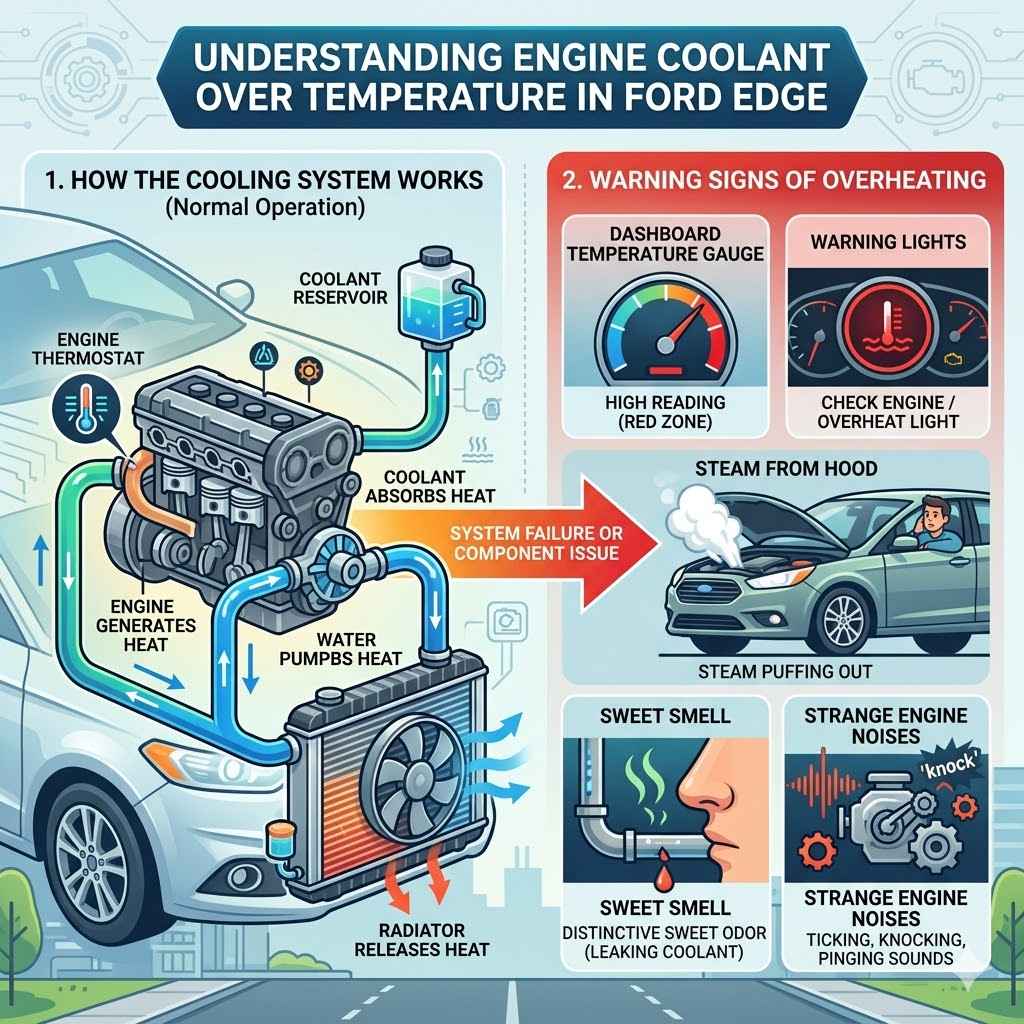
Your car’s engine creates a lot of heat when it runs. The cooling system is like your engine’s air conditioner. Its main job is to keep the engine at a safe operating temperature.
It does this by circulating a special liquid called coolant. This coolant absorbs the heat from the engine. Then, it carries that heat away to the radiator.
The radiator is like a big fan that blows air through small tubes. These tubes are filled with the hot coolant. As air passes over them, it cools the coolant down.
The cooled coolant then flows back to the engine to pick up more heat. This cycle keeps repeating, so your engine stays just right. It’s not too hot and not too cold.
Coolant Flow and Heat Exchange
Coolant, often a mix of antifreeze and water, starts in the coolant reservoir. It’s then pumped by the water pump through the engine block and cylinder head. These are the hottest parts of the engine.
As the coolant moves through narrow passages, it soaks up the excess heat.
This heated coolant then travels through hoses to the radiator. The radiator is usually at the front of the car. It has many thin fins and tubes.
These fins increase the surface area. This helps the heat escape from the coolant into the air. A fan, either electric or driven by the engine, pushes air through the radiator.
This makes the cooling process faster.
Once the coolant is cooled down in the radiator, it flows back to the engine. This continuous loop is vital. It prevents engine parts from getting damaged by extreme heat.
A thermostat also plays a role. It controls the flow of coolant. It stays closed when the engine is cold to help it warm up faster.
Once the engine reaches a certain temperature, the thermostat opens to allow coolant to flow to the radiator.
Warning Signs of Overheating
Your Ford Edge will usually tell you when something is wrong. The most obvious sign is the temperature gauge on your dashboard. If it starts climbing into the red zone, that’s a big warning.
Some cars also have a warning light that looks like a thermometer or an exclamation point in a circle.
You might also notice steam coming from under the hood. This is usually a sign that coolant is leaking and hitting hot engine parts. Another sign is a sweet smell.
This is often the smell of leaking coolant. If you hear strange noises from the engine, like knocking or pinging, it could also be related to overheating.
Dashboard Temperature Gauge: This gauge shows the engine’s temperature. When it goes higher than normal, especially into the red area, it’s a clear sign of overheating. Pay attention to this gauge during your drive.
Warning Lights: Modern cars have warning lights to alert you to problems. An overheating engine might trigger a light that looks like a thermometer. Ignoring this light can lead to serious engine damage.
Steam from Hood: If you see steam puffing out from under the hood, it’s a critical sign. This usually means coolant is leaking onto hot engine components and turning into steam. It’s a sign you need to stop safely as soon as possible.
Sweet Smell: Leaking coolant can produce a distinct sweet or syrupy smell. This smell can be noticeable inside or outside the vehicle. It’s a strong indicator that there might be a coolant leak somewhere.
Strange Engine Noises: An engine that’s running too hot can make unusual sounds. These might include ticking, knocking, or pinging sounds. These noises suggest that the engine is under stress due to high temperatures.
Common Causes of Engine Coolant Over Temperature in Ford Edge
When your Ford Edge overheats, it’s usually because something in the cooling system isn’t working right. This section will explore the most frequent culprits. We’ll talk about things like low coolant levels, bad thermostats, and radiator problems.
We’ll also touch on issues with the water pump and fan. Knowing these common causes helps you pinpoint the problem faster.
Low Coolant Level
This is one of the simplest yet most common reasons for overheating. Coolant is the lifeblood of your engine’s temperature regulation. If there isn’t enough of it, the system can’t effectively transfer heat away from the engine.
This leads to a rapid rise in engine temperature.
A low coolant level can be caused by leaks in the system. These leaks can happen in hoses, the radiator, the water pump, or even the engine itself. Over time, small amounts of coolant can evaporate.
If you don’t top it up, the level will eventually drop too low.
Causes of Coolant Loss
Leaks are the primary reason for coolant loss. Hoses can crack or become loose over time. Radiators can develop small pinhole leaks due to corrosion or damage.
The water pump has seals that can wear out, leading to drips. Even the engine’s head gasket can fail, allowing coolant to escape into the combustion chambers or oil.
Another factor is evaporation. While modern cooling systems are sealed, tiny amounts of coolant can still escape as vapor over extended periods. If the coolant reservoir cap is not sealing properly, this evaporation can be accelerated.
Regular checks and top-ups are essential to prevent the coolant level from becoming critically low.
Radiator Leaks: The radiator is a complex network of fins and tubes. Over time, these can corrode and develop small leaks, especially if the coolant is old and not maintained.
Hose Failures: Rubber hoses connect various parts of the cooling system. They can become brittle, crack, or split due to age and exposure to heat, causing leaks.
Water Pump Seals: The water pump circulates coolant. It has seals that can wear out, allowing coolant to seep out and create puddles under the vehicle.
Head Gasket Issues: A blown head gasket between the engine block and cylinder head can allow coolant to leak into the cylinders or oil passages, causing both overheating and other engine problems.
Loose Clamps: The clamps that secure hoses can loosen over time due to vibrations, creating gaps where coolant can escape.
Faulty Thermostat
The thermostat acts like a valve. It controls when coolant flows from the engine to the radiator. If the thermostat gets stuck closed, coolant can’t reach the radiator to cool down.
This traps the hot coolant in the engine, causing it to overheat quickly.
Thermostats are designed to open at a specific temperature. This allows the engine to warm up efficiently. Once it’s warm, the thermostat opens to regulate the temperature.
If it fails, it will either stay closed or open too late. Both scenarios lead to overheating.
How a Stuck Thermostat Causes Overheating
Imagine the thermostat as a gatekeeper for your coolant. When the engine is cold, the gate is closed, keeping the coolant circulating only within the engine block. This helps the engine reach its optimal operating temperature faster, which is good for efficiency and reducing wear.
However, once the engine reaches its target temperature, the thermostat is supposed to open. This allows the hot coolant to flow into the radiator to be cooled. If the thermostat gets stuck in the closed position, this crucial flow to the radiator is blocked.
The engine continues to generate heat, but the cooling system cannot dissipate it effectively. The temperature gauge will climb rapidly.
Stuck Closed: If the thermostat fails in the closed position, coolant cannot reach the radiator. This causes heat to build up rapidly within the engine block.
Slow Opening: In some cases, the thermostat may not fail completely but might be slow to open. This means the engine can still overheat before sufficient coolant flow is restored.
Material Degradation: Thermostats are mechanical devices. Over time, the spring mechanism or the wax pellet inside can degrade, leading to malfunction.
Corrosion: The thermostat housing and the thermostat itself can suffer from corrosion, especially if the coolant is not maintained. This can impede its movement and cause it to stick.
Indicator of Other Issues: A malfunctioning thermostat can sometimes be a symptom of a broader cooling system problem, such as clogged passages or insufficient coolant flow from a weak water pump.
Radiator Problems
The radiator is where the hot coolant gets cooled by the air. If the radiator is clogged or damaged, it can’t do its job properly. This means the coolant stays hot, and the engine overheats.
Clogs can happen inside the radiator from sediment or debris in the coolant. External clogs, like leaves or bugs stuck on the fins, can also block airflow. A damaged radiator might have leaks or bent fins that reduce its efficiency.
Radiator Clogging and Airflow Obstructions
Internal clogs are often caused by using the wrong type of coolant or by not flushing the system regularly. When coolant ages, it can break down and form sludge. This sludge can build up in the narrow tubes of the radiator, restricting coolant flow.
External obstructions, such as dirt, insects, leaves, or road debris, can accumulate on the outside of the radiator. These blockages prevent air from passing through the fins. Proper airflow is essential for the radiator to transfer heat from the coolant to the atmosphere.
Internal Sediment Buildup: Over time, mineral deposits and rust can form in the cooling system. These particles can collect in the radiator’s passages, creating blockages.
External Debris: The radiator’s fins are exposed to the elements. Dirt, bugs, leaves, and other road debris can get stuck between the fins, restricting airflow.
Bent Fins: The delicate fins of the radiator can be easily bent, for example, by road debris or during maintenance. Bent fins reduce the surface area available for heat dissipation.
Corrosion: If the coolant’s anti-corrosive properties are depleted, the metal within the radiator can corrode, leading to leaks or internal blockages.
Improper Coolant Mixture: Using too much water or the wrong type of coolant can lead to scaling and corrosion, contributing to radiator clogs.
Water Pump Failure
The water pump is responsible for circulating the coolant throughout the engine and radiator. If the water pump stops working, the coolant stops moving. This means hot coolant stays in the engine, and the engine overheats very quickly.
Water pumps can fail for several reasons. The impeller inside might break, or the bearing can seize up. A leaking seal is also a common issue.
If you hear a whining noise from the front of the engine or see coolant leaks under the car, it might be the water pump.
Signs of a Failing Water Pump
A failing water pump can exhibit several warning signs. One of the most common is a persistent whining or grinding noise coming from the front of the engine. This noise is often caused by worn-out bearings within the pump.
Another clear indicator is coolant leaking from the weep hole on the water pump. This hole is designed to allow small amounts of coolant to escape if the seal starts to fail. A visible puddle of coolant under the front of the engine, especially on the passenger side, often points to a water pump issue.
Whining or Grinding Noises: The bearings inside the water pump can wear out over time. This leads to a distinct whining or grinding sound when the engine is running.
Coolant Leaks: Water pumps have seals that can degrade. A leaking seal will cause coolant to drip from the pump, often visible as a puddle under the car.
Overheating: If the water pump impeller is damaged or the pump stops spinning altogether, coolant circulation ceases, leading to rapid engine overheating.
Loose Pulley: The pulley attached to the water pump can become loose. This can cause the belt to slip or the pump to spin erratically.
Rust or Corrosion: The water pump body can corrode, especially if the coolant is old or of poor quality, leading to leaks or internal damage.
Cooling Fan Malfunction
The cooling fan pulls air through the radiator, especially when the car is moving slowly or stopped. If this fan isn’t working, the radiator won’t get enough air to cool the coolant effectively. This leads to overheating, particularly in stop-and-go traffic.
There are usually two types of fans: belt-driven or electric. A belt-driven fan might have a clutch that fails. An electric fan could have a faulty motor, relay, or fuse.
Your car’s computer tells the electric fan when to turn on.
Electric vs. Belt-Driven Cooling Fans
Electric cooling fans are controlled by the engine’s computer. They turn on when the coolant temperature reaches a certain point or when the air conditioning is running. This is more efficient as they only run when needed.
Belt-driven fans are connected to the engine by a belt. They usually have a fan clutch. This clutch allows the fan to spin at different speeds depending on the engine’s temperature.
A failing clutch means the fan might not spin fast enough or might spin constantly, using more fuel.
Electric Fan Not Spinning: If your Ford Edge has an electric fan, check if it turns on when the engine is hot or when the AC is on. A faulty fan motor, relay, fuse, or temperature sensor can prevent it from working.
Fan Clutch Failure (Belt-Driven): For belt-driven fans, the fan clutch can wear out. This can cause the fan to spin too slowly, not providing enough airflow, or to spin too fast unnecessarily.
Obstructions: Anything physically blocking the fan blades, like debris or a damaged shroud, can prevent it from rotating freely or effectively.
Wiring Issues: For electric fans, damaged or corroded wiring can interrupt the electrical signal needed to operate the fan.
Incorrect Fan Speed: Even if the fan is spinning, it might not be spinning at the correct speed due to a malfunctioning controller or clutch, leading to reduced cooling efficiency.
How to Fix Engine Coolant Over Temperature in Ford Edge
Now that we know the common causes, let’s talk about how to fix them. This section provides practical steps to address an Engine Coolant Over Temperature in Ford Edge? Fix.
We’ll guide you through checking your coolant, inspecting parts, and making simple repairs. We’ll also cover when it’s best to seek professional help.
Checking and Topping Up Coolant
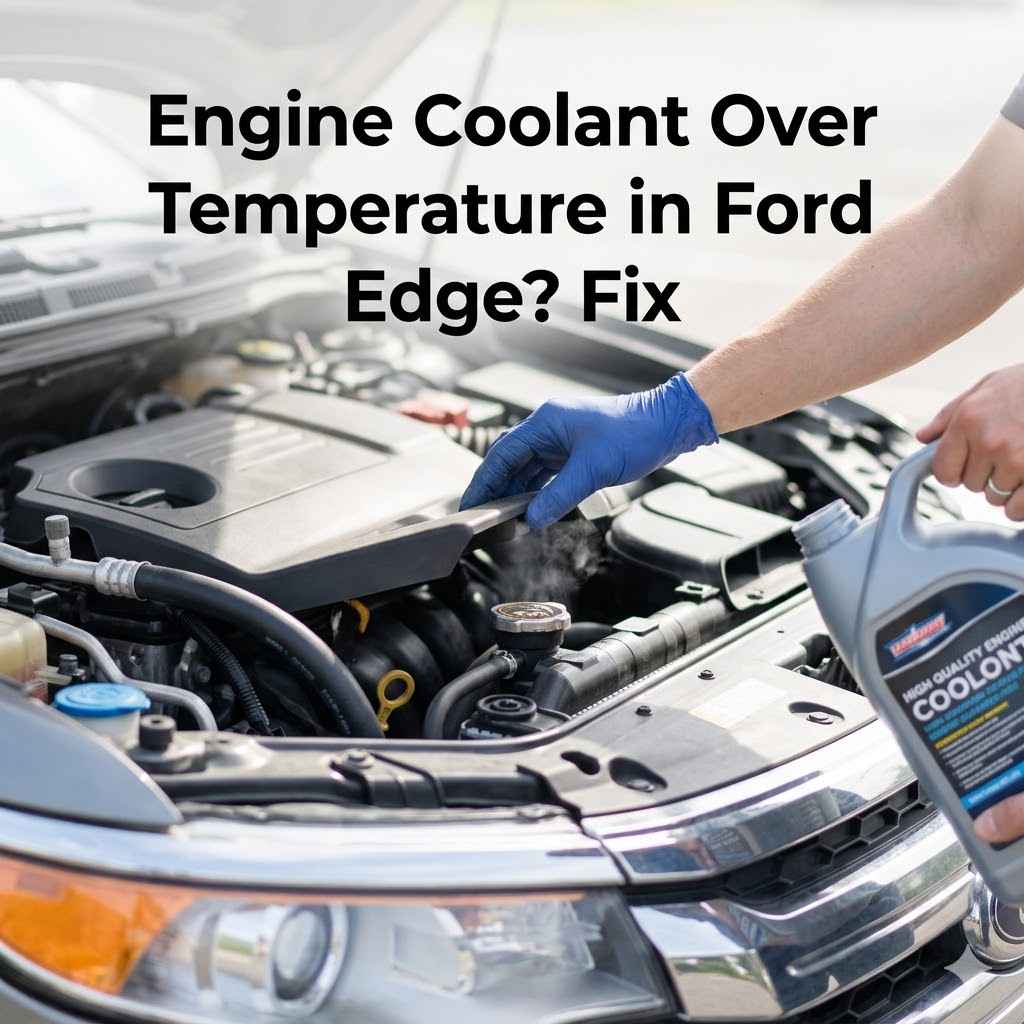
The first and easiest step is to check your coolant level. Always do this when the engine is cold. Open the hood and locate the coolant reservoir.
It’s usually a translucent plastic tank. It has ‘min’ and ‘max’ lines marked on it. If the coolant level is below the ‘min’ line, you need to add more.
Use a 50/50 mix of antifreeze and distilled water. You can also buy pre-mixed coolant. Never open the radiator cap when the engine is hot, as the system is under pressure and hot coolant can spray out.
Step-by-Step Coolant Check and Fill
Ensure the engine is completely cool. You should be able to touch the engine parts without burning yourself.
Locate the coolant reservoir. It’s a plastic tank, often with markings for “Cold” and “Hot” levels.
Observe the coolant level against the markings. If it’s below the “Cold” or “Min” line, you need to add coolant.
Carefully remove the reservoir cap. Do not remove the radiator cap unless absolutely necessary and only when the engine is cold.
Using a funnel, add the correct coolant mixture. If you’re not sure what type of coolant your Ford Edge uses, check your owner’s manual.
Fill the reservoir to the “Cold” or “Max” line. Do not overfill.
Replace the reservoir cap securely.
Start the engine and let it run for a few minutes. Check for any visible leaks around the reservoir or hoses. Keep an eye on the temperature gauge.
Engine Safety First: Always wait for the engine to cool down completely before checking coolant levels or attempting any repairs. Hot coolant can cause severe burns.
Coolant Reservoir Check: Locate the translucent plastic coolant reservoir. It typically has minimum and maximum fill lines. The coolant level should be between these lines when the engine is cold.
Type of Coolant: Use the specific type of coolant recommended in your Ford Edge owner’s manual. Using the wrong type can cause damage to your cooling system. A 50/50 mix of antifreeze and distilled water is common.
Filling Procedure: If the level is low, add coolant slowly to the reservoir. Do not fill past the maximum line. If you need to remove air, follow the specific bleeding procedure for your vehicle, often found in the owner’s manual.
Leak Inspection: After topping up, start the engine and let it warm up. Look for any signs of leaks around hoses, the radiator, or the water pump. A leak indicates a more serious problem that needs fixing.
Replacing a Thermostat
Replacing a thermostat is a moderately difficult DIY task. First, drain some coolant from the system. Then, locate the thermostat housing, usually connected to a hose from the engine.
Remove the old thermostat and install the new one, ensuring it’s oriented correctly. Reassemble the housing and refill the coolant.
Make sure to buy the correct thermostat for your Ford Edge. Also, have new coolant and distilled water ready. It’s a good idea to replace the thermostat and the housing gasket at the same time.
DIY Thermostat Replacement Steps
Gather your tools: wrenches, pliers, a drain pan, new thermostat, new gasket, and coolant.
Ensure the engine is cool. Disconnect the negative battery terminal for safety.
Locate the thermostat housing. It’s usually a metal or plastic part where a large coolant hose connects to the engine.
Place a drain pan underneath to catch any leaking coolant.
Carefully loosen and remove the bolts holding the thermostat housing. You may need to gently pry the housing off if it’s stuck.
Remove the old thermostat and gasket. Note the orientation of the thermostat.
Clean the mating surfaces of the housing and the engine block.
Install the new thermostat and gasket. Ensure the new thermostat is seated correctly, often with a jiggle valve facing upward.
Reinstall the thermostat housing bolts. Tighten them in a criss-cross pattern to the manufacturer’s specifications.
Refill the cooling system with the correct coolant mixture.
Reconnect the battery. Start the engine and let it reach operating temperature. Check for leaks and monitor the temperature gauge.
Bleed any air from the system if necessary.
Safety Precautions: Before starting, ensure the engine is completely cool and disconnect the negative battery terminal. Wear safety glasses and gloves.
Locate Thermostat Housing: The thermostat housing is typically found where the upper radiator hose connects to the engine block. It’s usually secured by two or three bolts.
Draining Coolant: It’s often best to drain some coolant from the radiator or a lower hose into a clean container before removing the housing to minimize spillage.
Replacing Parts: Carefully remove the old thermostat and gasket. Clean the housing and engine mating surfaces thoroughly. Install the new thermostat and gasket, paying attention to the correct orientation.
Refilling and Testing: After reassembling, refill the cooling system with the proper coolant mixture. Start the engine, let it warm up, and check for leaks. Monitor the temperature gauge and bleed any trapped air from the system.
Addressing Radiator Issues
If your radiator is clogged internally, a professional flush might be needed. For external debris, you can carefully clean the fins with a hose and brush. If the radiator is leaking or severely damaged, it needs to be replaced.
This is usually a job best left to a mechanic, as it involves draining the system and refilling it correctly.
When replacing a radiator, ensure you get the right one for your specific Ford Edge model. It’s also a good time to replace old hoses and the thermostat if they haven’t been done recently.
Radiator Cleaning and Replacement Tips
External cleaning is often straightforward. Use a soft brush and a hose with moderate pressure to remove bugs, dirt, and debris from the radiator fins. Avoid high pressure, which can bend the fins.
For internal clogs, a professional system flush is the most effective method. This involves using a special cleaning solution and then flushing the system thoroughly with water before refilling with new coolant.
Replacing the radiator involves draining the entire cooling system. Then, disconnect the fan shroud, hoses, and transmission cooler lines (if applicable). Unbolt the old radiator and install the new one.
Reconnect everything, refill with coolant, and bleed the system.
External Cleaning: Use a soft brush and a garden hose to gently wash away dirt, bugs, and leaves from the radiator fins. Work from the engine side outwards to push debris away.
Internal Flushing: If you suspect internal clogs, a professional coolant system flush is recommended. This process uses specialized cleaning agents to break down deposits.
Radiator Replacement Complexity: Replacing a radiator can be complex. It involves draining the system, disconnecting hoses and transmission lines, and carefully removing and installing the unit.
Hose and Cap Inspection: While working on the radiator, inspect all coolant hoses for cracks or swelling. Also, check the radiator cap for a worn seal, as a faulty cap can cause pressure issues.
Professional Assistance: If you’re not comfortable with draining and refilling coolant or dealing with complex connections, it’s best to have a mechanic replace the radiator.
Water Pump Diagnosis and Replacement
Diagnosing a water pump issue usually involves listening for noises and checking for leaks. If you suspect the water pump, it’s often best to have it replaced by a qualified mechanic. This job requires removing the serpentine belt and other components.
When a water pump is replaced, it’s often recommended to replace the serpentine belt at the same time, especially if it’s old. You’ll also need new coolant for refilling.
Water Pump Repair Considerations
Water pump replacement often involves removing the serpentine belt that drives it. You might also need to remove other parts like engine mounts or accessory brackets to gain access.
It’s critical to use a high-quality replacement water pump. The installation process must be done correctly to prevent leaks. After installation, the cooling system needs to be refilled and bled properly.
Listening for Sounds: Pay attention to any whining, grinding, or squealing noises coming from the front of the engine. These can indicate a failing water pump bearing.
Checking for Leaks: Inspect the area around the water pump for any signs of coolant leakage. A small drip from the weep hole is a common indicator of a failing seal.
Serpentine Belt Replacement: When replacing the water pump, it’s often advisable to replace the serpentine belt as well, especially if it shows signs of wear.
Professional Installation: Water pump replacement can be a complex job. It often requires specialized tools and knowledge to ensure it’s installed correctly and the cooling system is properly bled afterward.
Component Compatibility: Ensure the new water pump is compatible with your specific Ford Edge model and year. Using the wrong part can lead to premature failure.
Cooling Fan Repair
If your cooling fan isn’t working, the first step is to check the fuses and relays. For electric fans, you can test the fan motor directly. If it’s a belt-driven fan, inspect the fan clutch.
If any of these parts are faulty, they need to be replaced.
Repairing or replacing cooling fan components can often be a DIY job for those with some mechanical experience. However, if you’re unsure, a mechanic can quickly diagnose and fix the problem.
Troubleshooting Cooling Fan Issues
For electric fans, start by checking the fuses and relays related to the cooling fan circuit. Consult your owner’s manual for their locations. If fuses and relays are good, you might need to test the fan motor itself.
For belt-driven fans, the fan clutch is a common failure point. You can test its function by spinning the fan by hand when the engine is off. It should offer some resistance.
If it spins freely or is very stiff, it may need replacement.
Fuse and Relay Check: Locate and inspect the fuses and relays associated with the cooling fan system in your vehicle’s fuse box. Replace any blown fuses or faulty relays.
Testing Electric Fans: If fuses and relays are okay, you can sometimes test the fan motor directly by applying power from the battery (use caution and proper wiring). This confirms if the motor itself has failed.
Fan Shroud Inspection: Ensure the fan shroud is intact and properly attached. It helps direct airflow efficiently through the radiator. Damage to the shroud can reduce fan effectiveness.
Fan Clutch Testing (Belt-Driven): For fans driven by a belt, check the fan clutch. It should provide noticeable resistance when spun by hand when the engine is cold. It should spin more freely as it heats up.
Sensor and Wiring Issues: The fan might not turn on due to a faulty temperature sensor or issues with the wiring harness that sends the signal to the fan.
Preventing Future Engine Coolant Over Temperature in Ford Edge
The best way to deal with an Engine Coolant Over Temperature in Ford Edge? Fix is to prevent it from happening in the first place. This section covers simple maintenance tips.
Regular checks and proactive care can save you from costly repairs down the road. We’ll share how to keep your cooling system in top shape.
Regular Coolant System Maintenance
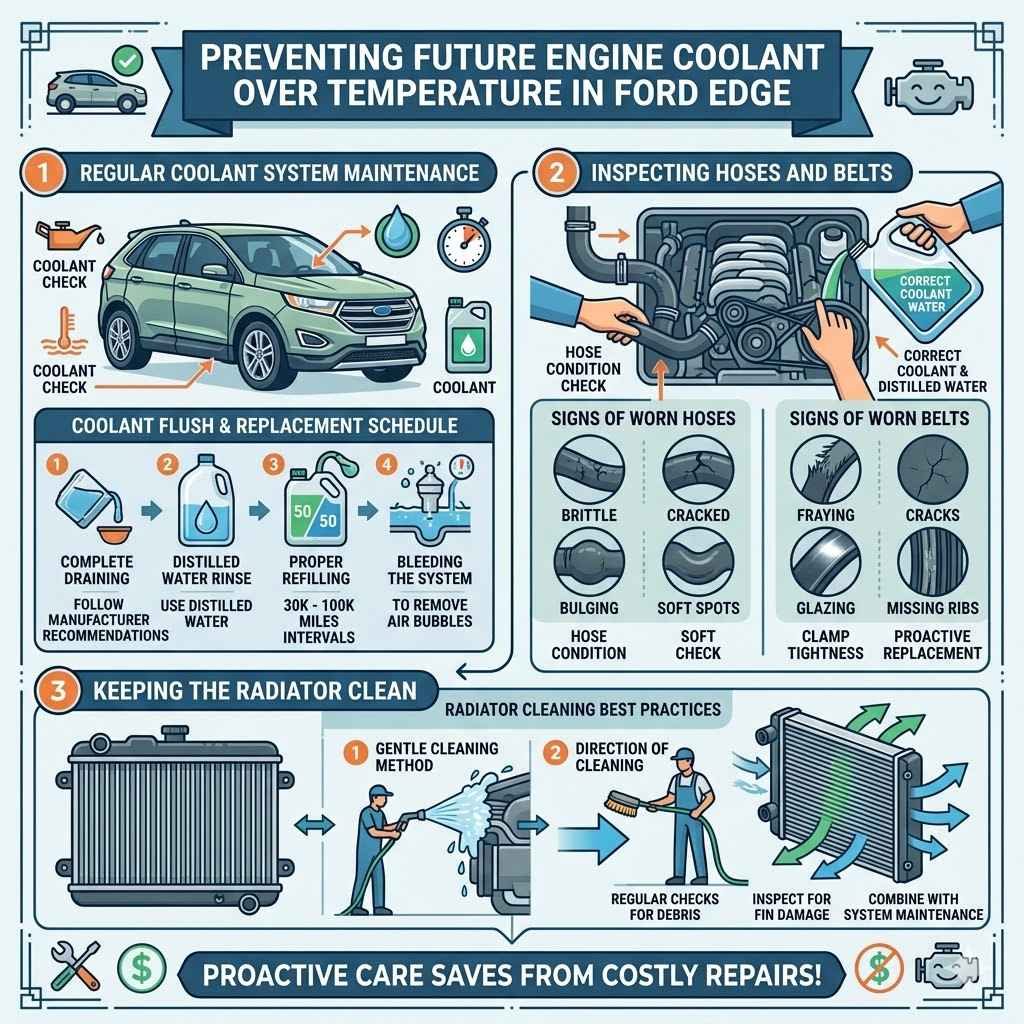
Just like oil changes, your cooling system needs regular attention. This means checking coolant levels often and flushing the system at recommended intervals. Flushing removes old coolant, debris, and rust.
This keeps the system clean and efficient.
Using the right type of coolant is also key. It protects against freezing and boiling. It also has additives to prevent corrosion.
Always refer to your owner’s manual for the correct type and interval.
Coolant Flush and Replacement Schedule
Your Ford Edge owner’s manual will specify the recommended coolant flush interval. This is typically every 30,000 to 100,000 miles, depending on the type of coolant and vehicle model.
A coolant flush involves completely draining the old coolant. Then, the system is rinsed with distilled water or a flushing solution. Finally, it’s refilled with a fresh 50/50 mixture of antifreeze and distilled water.
This process removes contaminants that can cause blockages and corrosion.
Follow Manufacturer Recommendations: Always refer to your Ford Edge owner’s manual for the specific coolant type and recommended flush intervals. This is crucial for optimal system performance and longevity.
Use Distilled Water: When mixing coolant, always use distilled water. Tap water contains minerals that can cause deposits and corrosion within the cooling system over time.
Complete Draining: A thorough flush involves draining all the old coolant from the radiator, engine block, and heater core. This ensures all contaminants are removed.
Proper Refilling: After flushing, refill the system with the correct coolant mixture, typically a 50/50 blend of antifreeze and distilled water. Ensure you use the type recommended for your Ford Edge.
Bleeding the System: It’s vital to bleed any air out of the cooling system after a flush. Air pockets can cause inefficient cooling and potential overheating issues.
Inspecting Hoses and Belts
Coolant hoses can become brittle, cracked, or swollen with age. Regularly inspect them for any signs of wear. Check that clamps are tight.
A burst hose can lead to rapid coolant loss and severe overheating.
The serpentine belt drives the water pump and other accessories. Inspect it for cracks, fraying, or glazing. A worn belt can slip or break, stopping the water pump from circulating coolant.
Signs of Worn Hoses and Belts
For hoses, look for any visible cracks, bulges, or soft spots. Squeeze the hoses; they should feel firm but pliable. If they feel hard, brittle, or mushy, they need replacing.
For the serpentine belt, check for fraying on the edges, small cracks across its surface, or a shiny, glazed appearance. Any of these indicate the belt is nearing the end of its life and should be replaced.
Hose Condition Check: Visually inspect all coolant hoses for cracks, cuts, bulges, or excessive softness. Squeeze them to feel for firmness; a brittle or mushy hose needs replacement.
Clamp Tightness: Ensure all hose clamps are secure and not rusted. Loose clamps can lead to coolant leaks, while rusted clamps may fail.
Serpentine Belt Wear: Examine the serpentine belt for signs of wear like fraying, cracking, glazing (shiny appearance), or missing ribs.
Belt Tension: Check the tension of the serpentine belt. It should have a slight give but should not be excessively loose or tight. A worn belt may slip and not provide adequate power to the water pump.
Proactive Replacement: It’s often wise to replace hoses and belts proactively, especially if they are nearing the manufacturer’s recommended service life or show early signs of wear.
Keeping the Radiator Clean
As mentioned earlier, keeping the radiator clean externally is important. Regularly check the front of the radiator for debris. You can gently wash it with a hose.
This ensures good airflow for efficient cooling.
Internal cleaning is part of the coolant flush process. A clean radiator is essential for preventing overheating.
Radiator Cleaning Best Practices
When cleaning the radiator fins, use a soft brush and a low-pressure water stream. Start from the engine side of the radiator and spray outwards to push debris away from the core.
Be careful not to bend the delicate fins. Bent fins restrict airflow and reduce cooling efficiency. If many fins are bent, consider a radiator repair specialist.
Gentle Cleaning Method: Always use a soft brush and a gentle stream of water to clean radiator fins. Avoid high-pressure washers that can damage the fins.
Direction of Cleaning: When washing, direct the water from the engine side of the radiator outwards. This helps to dislodge and remove debris effectively.
Inspect for Damage: While cleaning, check the radiator fins for any signs of damage, such as bending or corrosion, which can affect performance.
Regular Checks: Make it a habit to check the radiator for debris periodically, especially after driving on dusty or debris-filled roads.
Combined with System Maintenance: Radiator cleaning is most effective when done as part of regular cooling system maintenance, including coolant flushes.
Frequently Asked Questions
Question: What does it mean when my Ford Edge engine is overheating
Answer: It means your engine’s temperature is too high. The cooling system isn’t able to remove heat effectively, which can damage engine parts if not addressed.
Question: How often should I check my coolant level
Answer: You should check your coolant level at least once a month, and before any long road trips. Always check when the engine is cool.
Question: Can I use regular water in my radiator
Answer: No, you should not use regular tap water. It contains minerals that can cause corrosion and deposits. Always use distilled water mixed with antifreeze.
Question: How do I know if my water pump is failing
Answer: Signs of a failing water pump include whining noises from the engine, coolant leaks under the car, and the engine overheating rapidly.
Question: Is it safe to drive my Ford Edge if the engine is overheating
Answer: No, it is not safe to drive an overheating vehicle. You risk causing severe and expensive damage to your engine. Pull over safely and let the engine cool down.
Conclusion
An Engine Coolant Over Temperature in Ford Edge? Fix often comes down to simple checks and maintenance. By understanding how the cooling system works, recognizing warning signs, and performing regular upkeep like checking coolant levels and inspecting hoses, you can prevent many overheating issues.
Keep your Ford Edge cool and running smoothly with consistent care.