Fuel Gauge or Fuel Meter: Which is Correct Local Guide
It can be tricky to know the right words when talking about your car’s fuel levels. Many people wonder if they should say “fuel gauge” or “fuel meter.” This is a common question, especially for folks new to car talk. But don’t worry!
We’ll make it super simple. Think of this as your easy map to figuring out what’s what. Let’s get your Fuel Gauge or Fuel Meter: Which is Correct?
Local Guide sorted out quickly.
Understanding Fuel Gauges and Fuel Meters
Figuring out the exact terms for your car’s fuel indicator can be a bit confusing at first. Many car owners have asked themselves, “Is it a fuel gauge or a fuel meter?” This guide will clear up any confusion. We will look at what these terms mean and why one might be more common than the other in everyday use.
We aim to make this super clear so you feel confident talking about your car.
What is a Fuel Gauge
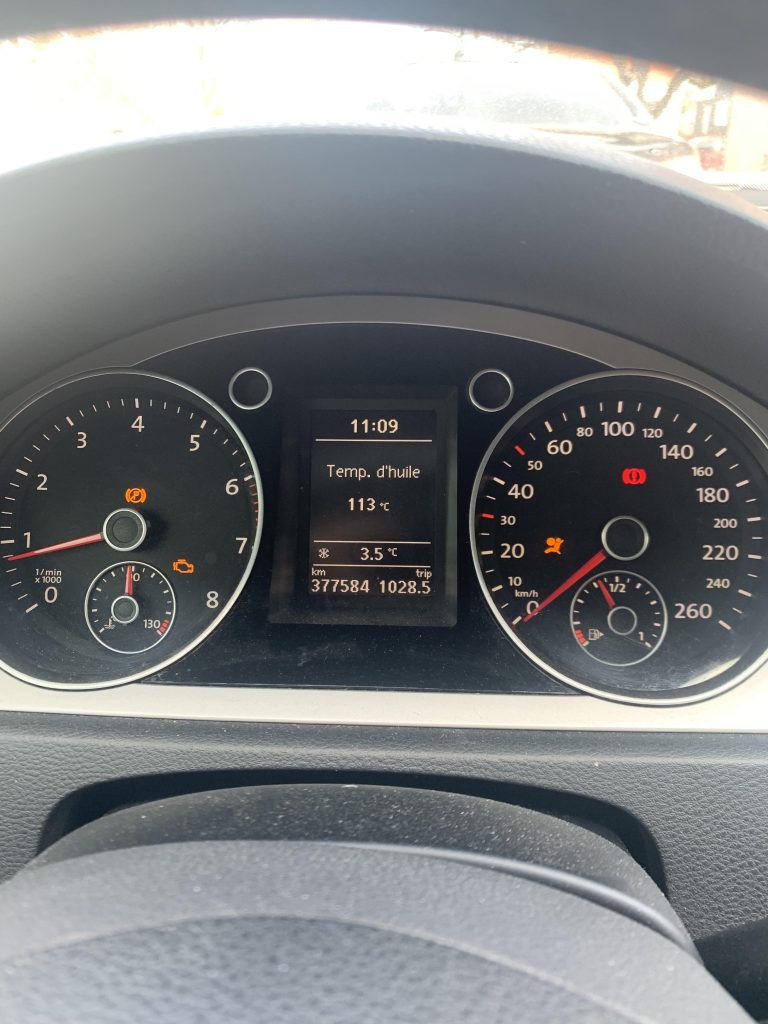
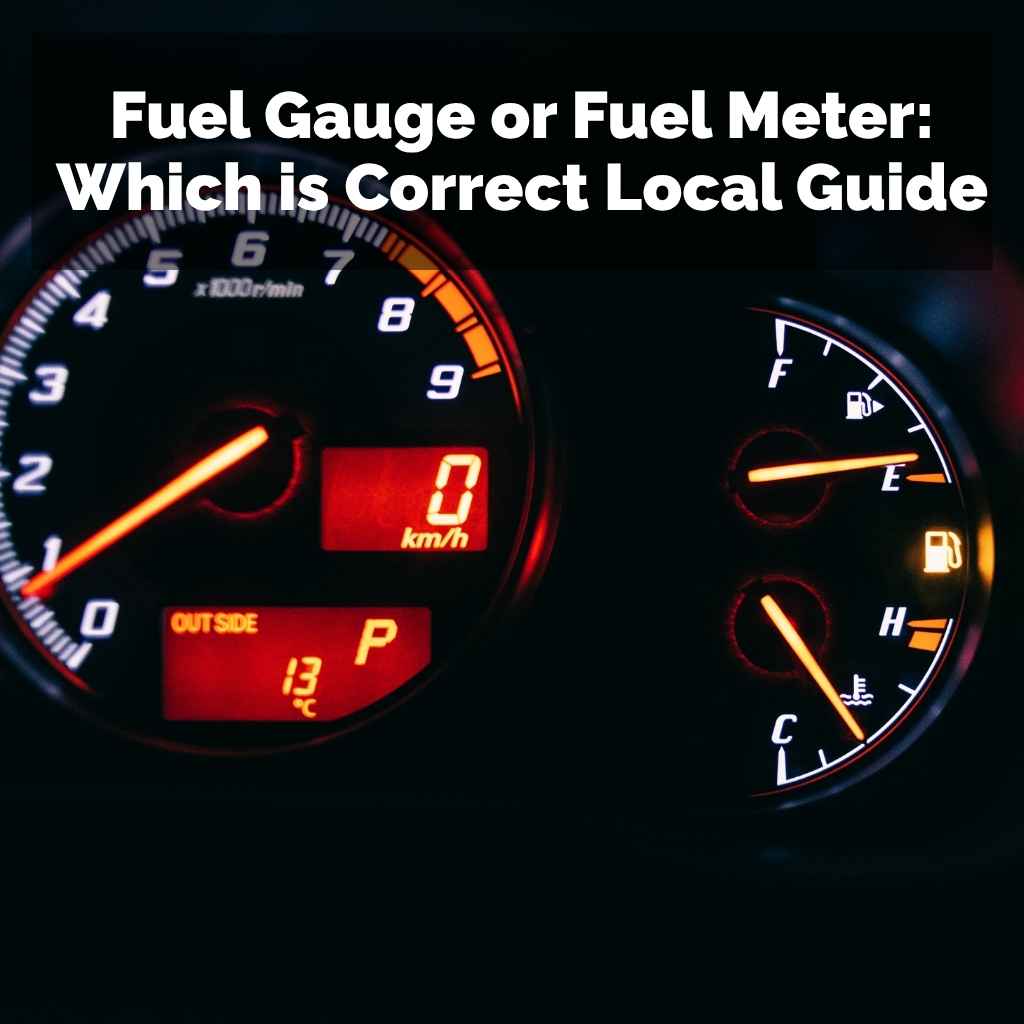
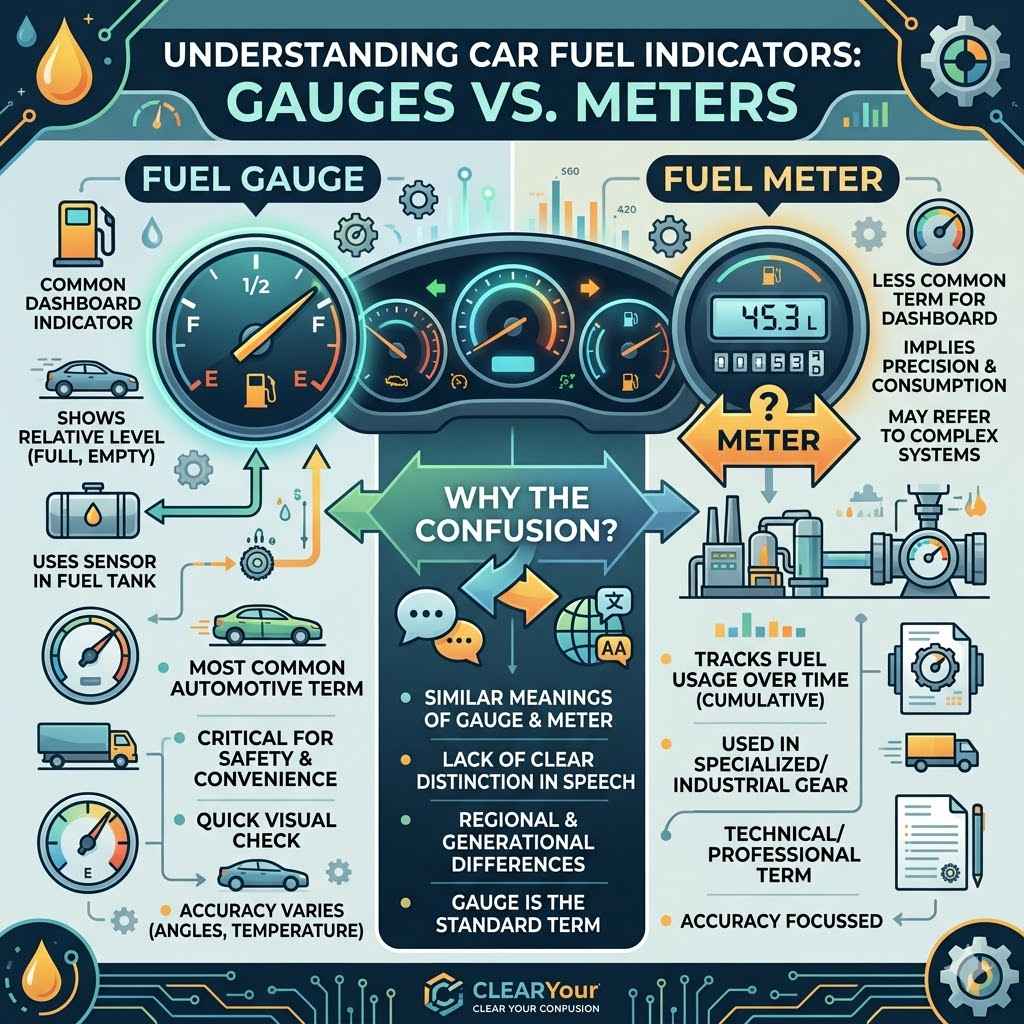
A fuel gauge is the device in your car that tells you how much fuel is left in the tank. It’s usually a needle that moves across a dial, or a series of bars that light up. The needle or lights show you if the tank is full, empty, or somewhere in between.
It’s a really important part of your dashboard because it helps you know when to get gas.
The gauge works by sending a signal from a sensor in your fuel tank. This sensor measures the level of fuel. It then sends this information to the gauge on your dashboard.
The gauge translates this signal into a visual representation. This visual tells the driver the approximate amount of fuel remaining. It’s a vital safety and convenience feature for any vehicle.
Key points about fuel gauges:
It’s the standard term used by most car manufacturers and drivers.
Think of it as the “indicator” for your fuel. It shows you the level. This is the most common way people refer to this part of their car.
When you look at your dashboard, that dial or set of lights is what we generally call the fuel gauge. Its primary job is to give you a visual cue about your fuel status.
It’s a critical part of the car’s dashboard display.
You can’t drive very far without knowing how much gas you have. The fuel gauge is therefore an essential component. It helps prevent you from running out of fuel unexpectedly.
This is especially true on longer trips or when driving in unfamiliar areas. It’s designed for quick and easy reading.
Its accuracy can sometimes vary slightly between vehicles.
While designed to be precise, factors like the angle of the car or the temperature of the fuel can sometimes affect the reading. You might notice the needle jump a bit on hills. Or you might see it appear to drop faster on a very hot day.
This is normal and part of how these systems work.
What is a Fuel Meter
A fuel meter, on the other hand, might be used in some contexts, but it’s less common for the dashboard display in a car. The term “meter” often implies a more precise measurement or a device that actively counts something. For example, a water meter or an electricity meter are devices that measure and display a quantity over time or a total consumption.
In a car context, “fuel meter” could technically refer to the entire system that measures fuel, including the sensor and the gauge.
However, when people talk about the part they see on their dashboard, they almost always mean the “gauge.” If you hear “fuel meter,” it might be used by someone trying to be very technical, or perhaps in a different industry. For instance, some industrial equipment might use the term “fuel meter” for a more complex system. But for your car, stick with “fuel gauge.”
Considerations for the term fuel meter:
Less common in automotive jargon for the dashboard display.
While it might sound technical, “fuel meter” isn’t what most people say when pointing to their car’s gas indicator. It’s like calling a television a “visual display unit”; technically correct but not typical conversation. Most drivers and mechanics use “gauge” because it’s the established term in the automotive world for this specific function.
Might be used for more complex fuel monitoring systems.
In larger vehicles or specialized equipment, a “fuel meter” could refer to a system that not only shows the level but also tracks fuel usage over time. This might be for accounting purposes or to monitor efficiency more closely. It implies a level of detail beyond a simple level indicator.
Often implies a more precise or cumulative measurement.
The word “meter” usually suggests measuring something in a very specific way, sometimes over a duration or to track total amounts. A fuel gauge primarily shows “how much is left now.” A fuel meter might suggest it also tracks “how much you’ve used” or “how efficiently you’re using it.”
Why the Confusion Fuel Gauge vs Fuel Meter
The confusion between “fuel gauge” and “fuel meter” often arises because both terms involve measuring or indicating fuel. In general English, a “gauge” is something used to measure or test something, while a “meter” is a device that measures and records the amount of something. Both definitions could technically apply to the system in a car’s dashboard.
However, in the automotive industry, “fuel gauge” has become the standard and universally understood term for the dashboard indicator. Using “fuel meter” might sound a bit unusual to most people. It’s like the difference between “car” and “automobile” – both mean the same thing, but one is used much more often in daily speech.
So, to be clear and easily understood, “fuel gauge” is the way to go.
Reasons for common confusion:
Similar meanings of “gauge” and “meter” in general English.
Both words are related to measuring. This can lead people to think they are interchangeable. However, in specific contexts like car parts, one term becomes dominant.
This dominance is based on convention and common usage over time within that field.
Lack of clear distinction in everyday conversation.
Outside of automotive circles, people might not be aware of the specific term used for car dashboards. They might use the word they are most familiar with for a measuring device. This is perfectly normal when learning about new subjects.
Regional or generational differences in language use.
Sometimes, different regions or age groups might favor certain words over others. This can also contribute to why one term might be heard more frequently than another in specific places or among different communities.
The Local Guide Perspective Fuel Gauge or Fuel Meter
When you’re looking for help or asking someone locally, using the right term makes a big difference. The term “fuel gauge” is what you’ll hear most often from mechanics, friends, and people at the local auto parts store. It’s the most practical and widely accepted term for your car’s fuel indicator.
Using “fuel gauge” ensures that people understand exactly what you’re referring to. If you walk into a local garage and ask about your “fuel meter,” they might pause for a second before realizing you mean the fuel gauge. It’s better to use the common term to avoid any misunderstandings and get the help you need quickly.
This is your essential Fuel Gauge or Fuel Meter: Which is Correct? Local Guide.
Common Usage in Your Community
In most communities, when people talk about the part of the dashboard that shows their gas level, they say “fuel gauge.” This is true whether they are talking about their car, truck, or motorcycle. It’s the term that everyone understands. If your car’s fuel gauge is acting up, asking a local mechanic about your “fuel gauge problem” will get you a much quicker response than asking about a “fuel meter issue.”
This common usage stems from how vehicles have been manufactured and described for decades. Car manuals, repair guides, and automotive professionals all use “fuel gauge.” This widespread adoption makes it the de facto standard term. It’s the most efficient way to communicate about this particular car component.
Examples of local conversations:
“My fuel gauge is stuck on full. Can you take a look?”
This is a very common way someone would describe a problem to a mechanic. They are directly stating the issue with the specific part they can see. The mechanic immediately knows what part of the car is being discussed and what the problem might be.
“I need to check the fuel gauge before we leave, just to be sure.”
This shows the practical, everyday use of the term. It’s about checking the readiness of the car for a trip. The phrase is natural and easily understood by anyone driving a car.
“The fuel gauge light is on, but I think there’s still gas in there.”
This highlights how the fuel gauge indicator is used to make driving decisions. It’s a key piece of information for planning stops. The term here is used correctly to refer to the visual display of fuel levels.
What Mechanics and Dealerships Use
When you visit a mechanic or a car dealership, you’ll consistently hear them refer to the fuel indicator as a “fuel gauge.” They use this term in their diagnostics, repair orders, and when explaining issues to customers. This consistency reinforces that “fuel gauge” is the professional and correct automotive term.
If you were to use “fuel meter,” they would likely understand you, but they would probably correct you or switch to “fuel gauge” themselves. It’s part of the professional language of the automotive repair industry. Using the same term as the experts ensures clear communication and efficient service.
Professional terminology:
Repair manuals always label this component a “fuel gauge.”
When you look up how to fix something on your car, the diagrams and text will consistently use “fuel gauge.” This is where the official terminology is established and maintained. It’s the standard across all repair and maintenance documentation.
Diagnostic tools often refer to fuel level sensors and the fuel gauge system.
Even the electronic systems that report on your car’s health use the term “gauge” when discussing the fuel indicator. This electronic language aligns with the terms used by human technicians.
Customer service representatives use “fuel gauge” when discussing dashboard warnings.
If you call a dealership about a dashboard light related to fuel, the person on the phone will likely use “fuel gauge” to describe the system. This ensures you and they are on the same page about the issue.
When “Fuel Meter” Might Be Heard
While “fuel gauge” is the standard for car dashboards, the term “fuel meter” might pop up in other contexts. For instance, some industrial equipment, like generators or large construction machinery, might have more sophisticated systems for monitoring fuel. These might be called “fuel meters” because they can track fuel consumption over time or integrate with other performance data.
Also, some aftermarket devices for very specific purposes, like tracking fuel usage for business expenses or fleet management, might use the term “fuel meter.” But for the everyday car owner looking at their dashboard, it’s almost always a fuel gauge. It’s good to be aware of these distinctions to understand what people are talking about.
Other contexts for “fuel meter”:
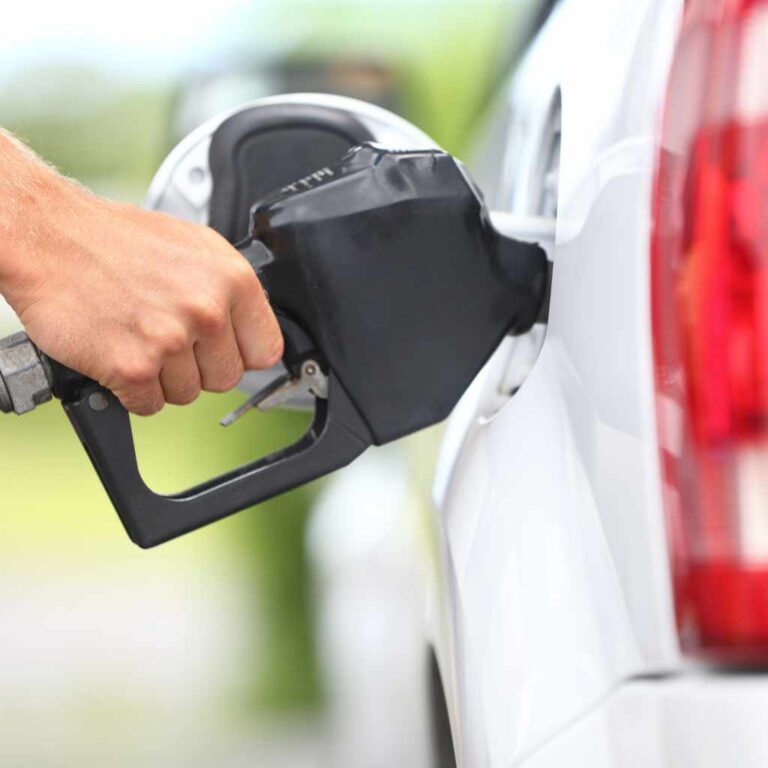
Commercial fuel pumps at gas stations often have “meters” that display gallons or liters dispensed.
These devices are truly meters because they measure and record the amount of fuel transferred. They are not just indicators of a level; they are actively measuring flow and quantity. This is a clear example of how the term “meter” is used correctly for a measurement device.
Some high-performance vehicles or specialized engines might have digital displays that show very precise fuel flow rates.
These advanced systems could be referred to as fuel meters due to their detailed and real-time measurement capabilities. They provide more data than a simple gauge, including how fast fuel is being used.
In aviation, aircraft often have complex fuel management systems that might use the term “meter” for their fuel quantity indicators.
Aircraft systems are incredibly detailed and precise. The term “meter” could be used here to reflect the high level of accuracy and monitoring required in aviation, which goes beyond a typical car’s fuel gauge.
How to Use the Term Fuel Gauge Correctly
Using “fuel gauge” is simple and ensures you communicate clearly. When you need to refer to the indicator on your dashboard that shows how much fuel is in your car, just say “fuel gauge.” It’s the correct term that everyone will understand. This makes your interactions smoother, whether you’re talking to a friend, a mechanic, or looking up information online.
Remember, precision in language helps. By using “fuel gauge,” you are using the term that is most common and accepted in the automotive world. This guide has provided the Fuel Gauge or Fuel Meter: Which is Correct?
Local Guide, making it easy for you to use the term correctly every time. It’s all about making your car-related conversations clear and effective.
Talking to Your Mechanic
When you need your car serviced, being able to describe the problem accurately is key. If your fuel indicator is not working right, say “My fuel gauge is broken” or “The fuel gauge is showing the wrong amount.” This will immediately tell the mechanic what part of the car you are concerned about. They will understand exactly what you mean and can start diagnosing the issue.
For example, if the needle is always at “E” even when you know you just filled up, you’d say, “I’ve got a problem with my fuel gauge. It’s reading empty all the time.” This clear description helps the mechanic start their work faster. They know to check the sending unit in the tank or the gauge itself on the dashboard.
Scenario: Car trouble at the shop
You arrive at the auto shop and speak to the service advisor.
You tell them, “I think there’s an issue with my car’s fuel gauge. It seems to be stuck on ‘Full’ no matter how much I drive.”
The service advisor writes it down on the work order.
They will use the term “fuel gauge” on the official paperwork. This ensures the technician understands the specific complaint they need to address.
The mechanic diagnoses the problem.
They will perform tests on the fuel sender and the gauge itself, referring to them as components of the “fuel gauge system.”
The mechanic explains the repair to you.
They will say, “We found the problem with your fuel gauge. The sending unit in the tank was faulty, so we replaced that. Your fuel gauge should work correctly now.”
Checking Your Car’s Manual
The best way to confirm the correct term is to look in your car’s owner’s manual. Every car comes with one, and it’s a treasure trove of information about your vehicle. Car manufacturers use precise language in these manuals, and they will undoubtedly refer to the fuel level indicator as a “fuel gauge.”
Locate the section about the dashboard instruments or gauges. You will see diagrams and explanations that clearly label the fuel level indicator as a fuel gauge. This is official confirmation and an excellent resource for understanding your car’s features.
It’s a great habit to familiarize yourself with your owner’s manual.
Example from a typical manual excerpt:
Dashboard Instruments Section:
Under a heading like “Dashboard Layout” or “Instrument Cluster,” you will find descriptions of all the lights and indicators. The fuel indicator will be clearly identified as the “Fuel Gauge.”
Troubleshooting Guide:
If the manual has a troubleshooting section, it might list problems like “Fuel gauge not working.” This confirms the term used for the device.
Diagrams and Labels:
Any visual representation of the dashboard will have labels pointing to the fuel indicator, usually with the text “Fuel Gauge.”
Everyday Use and Understanding
In everyday life, the goal is clear communication. If you’re talking to a fellow driver about needing to get gas, you’ll say, “My fuel gauge is low.” This is perfectly understood by almost everyone. The term “fuel gauge” is so ingrained in our language that it needs no further explanation when referring to your car’s fuel level indicator.
It’s like talking about the “steering wheel” instead of the “directional control mechanism.” While technically accurate, the simpler, common term is what facilitates easy understanding. So, for all your car needs, remember to use “fuel gauge.” It’s the reliable term that ensures you and others are on the same page.
Practical scenarios for everyday use:
Asking a friend for a ride: “Can you give me a lift? My fuel gauge is almost empty, and I can’t make it to the gas station.”
This is a natural way to explain why you can’t drive yourself. The term “fuel gauge” clearly conveys the situation.
Planning a road trip: “Let’s fill up before we hit the highway. The fuel gauge is only showing half a tank.”
This is a common phrase when discussing preparations for travel. It’s a simple reminder to ensure the car is ready.
Talking about car maintenance: “I noticed the fuel gauge was a bit jumpy last week. I might need to get it checked.”
This describes a potential issue with the car’s indicator. It shows you are aware of the component and its behavior.
Fuel Gauge vs Fuel Meter A Direct Comparison
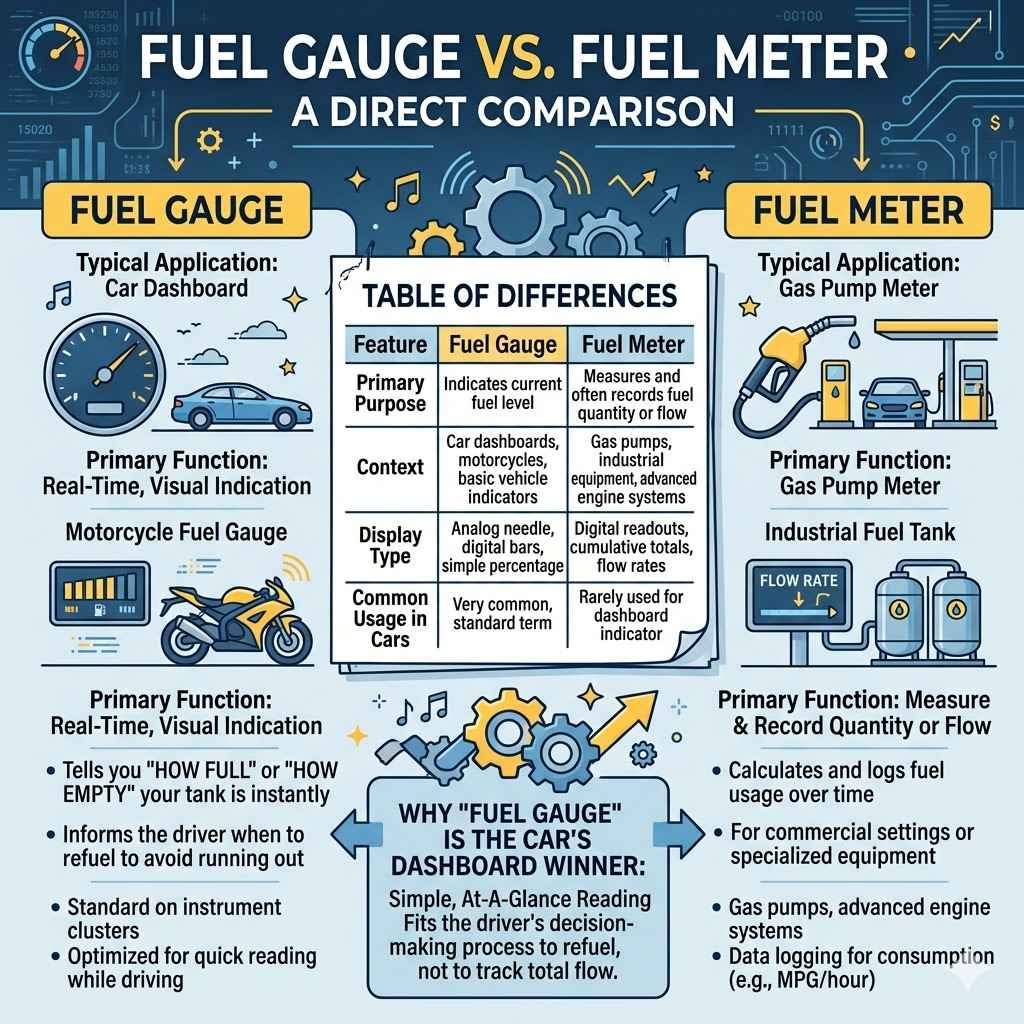
Let’s put the terms side-by-side to see why “fuel gauge” is the winner for your car’s dashboard. While “meter” can measure things, in the context of a car’s internal display, “gauge” is the specific and correct word. Think of it as a tool designed to show you a reading instantly, rather than to record or calculate usage over time.
This section aims to solidify your understanding by directly comparing the two terms. It will help you see why “fuel gauge” is the term to use when you’re talking about the indicator on your car’s dashboard. We will look at their typical functions and contexts.
Functionality and Purpose
A fuel gauge’s primary function is to provide a real-time, visual indication of the fuel level in the tank. It tells you “how full” or “how empty” your tank is at any given moment. Its purpose is to inform the driver so they can decide when to refuel and avoid running out of gas.
A fuel meter, on the other hand, often implies a device that not only measures but also records or calculates. For example, a parking meter measures time, and a gas pump meter measures the volume of fuel dispensed. While a car’s fuel system measures fuel, the dashboard display is designed for quick visual indication, which is the role of a gauge.
Typical Applications
You will find fuel gauges in almost all types of passenger cars, trucks, and motorcycles. They are a standard feature on the instrument cluster. Their design is optimized for easy reading by the driver while operating the vehicle.
Fuel meters are more commonly found in commercial settings or specialized equipment. Examples include the meters on fuel pumps at gas stations, industrial fuel tanks, or advanced engine monitoring systems that track fuel consumption per hour or per mile. These applications often require more detailed data logging or precise measurement of flow.
Table of Differences
| Feature | Fuel Gauge | Fuel Meter |
|---|---|---|
| Primary Purpose | Indicates current fuel level | Measures and often records fuel quantity or flow |
| Context | Car dashboards, motorcycles, basic vehicle indicators | Gas pumps, industrial equipment, advanced engine systems |
| Display Type | Analog needle, digital bars, or simple percentage | Digital readouts, cumulative totals, flow rates |
| Common Usage in Cars | Very common, standard term | Rarely used for dashboard indicator |
This table clearly shows the distinction. For the indicator on your car’s dashboard, “fuel gauge” is the correct and most understood term. It fits the purpose of providing a simple, at-a-glance reading of your fuel status.
Fuel Gauge or Fuel Meter Which is Correct Local Guide Summary
So, the question Fuel Gauge or Fuel Meter Which is Correct Local Guide is answered. For your car’s dashboard indicator, “fuel gauge” is the correct term. It’s what everyone uses, from car manuals to local mechanics.
Stick with “fuel gauge” to be clear and understood. You’ve got this sorted out now!
Frequently Asked Questions
Question: Is it ever okay to call it a fuel meter for my car?
Answer: While technically a fuel meter measures things, for the indicator on your car’s dashboard, “fuel gauge” is the standard and most understood term. Using “fuel meter” might cause confusion.
Question: What is the most common term for the gas indicator on a car’s dashboard?
Answer: The most common and correct term is “fuel gauge.” This is what you’ll see in car manuals and hear from mechanics.
Question: If my gas light comes on, is that part of the fuel gauge?
Answer: Yes, the low fuel warning light is typically integrated with the fuel gauge system. When the gauge reaches a certain low point, the light illuminates to alert you.
Question: Can a mechanic fix a faulty fuel gauge?
Answer: Yes, mechanics can diagnose and repair issues with fuel gauges. This might involve fixing the gauge itself, the fuel level sensor in the tank, or the wiring connecting them.
Question: Is there a difference between a digital fuel gauge and an analog fuel gauge?
Answer: Yes, an analog fuel gauge uses a needle that moves across a dial, while a digital fuel gauge displays the fuel level using numbers or a series of lights or bars.
Conclusion
You now know that “fuel gauge” is the correct and universally understood term for your car’s fuel level indicator. This term is used by manufacturers, mechanics, and drivers everywhere. Using “fuel gauge” ensures clear communication when discussing your car’s fuel status.
You can confidently use this term in any conversation.