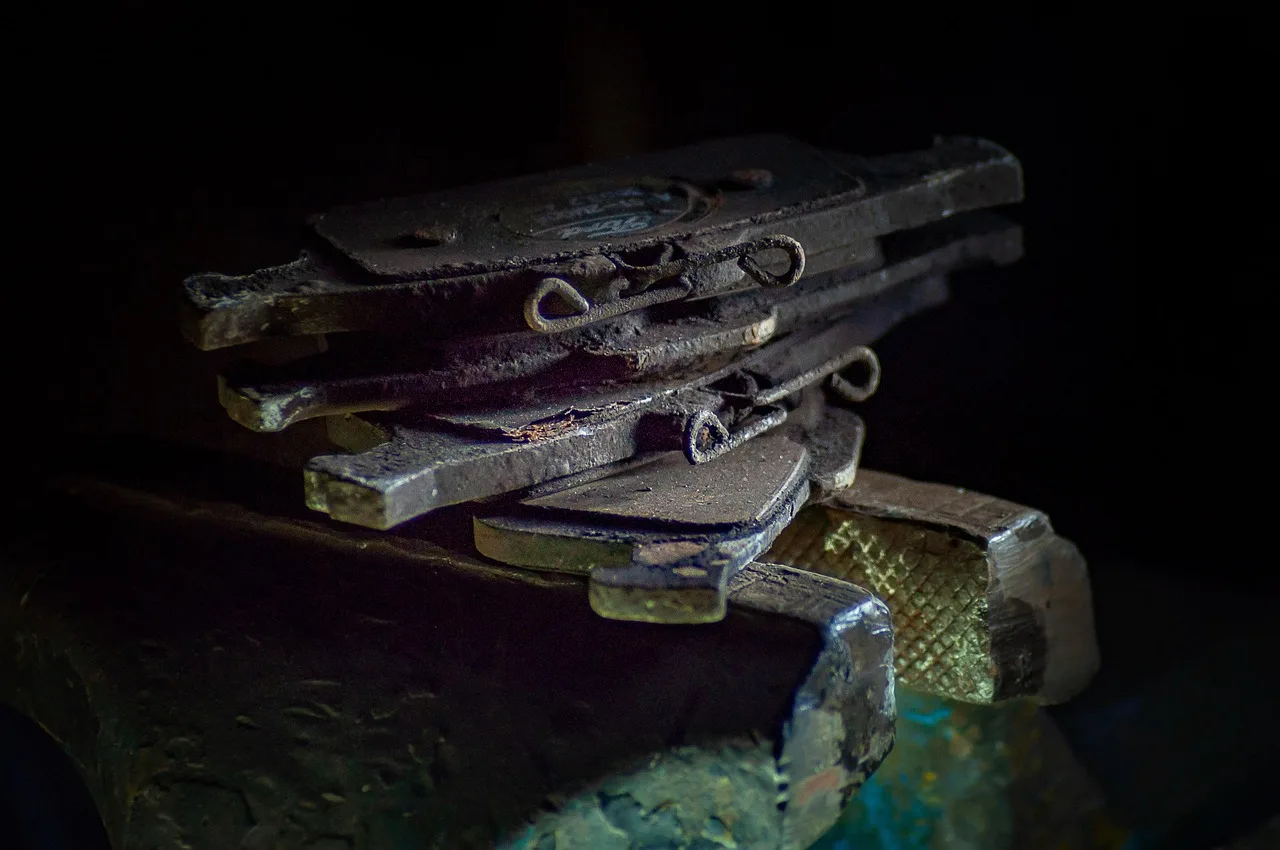
3 Best Performance Brake Pads for Cars in 2026: Research Shows
For 2026, the best performance brake pads are a street-performance ceramic for daily use, a low-dust semi-metallic for harder street driving, and a track-capable compound for repeated high-heat stops. Choose the wrong compound, and you give up pedal feel, rotor life, or cold-stop safety. This guide ranks three pads and maps noise, dust, fade resistance, and rotor wear to the driving profile each one fits.
Quick comparison
| Product | Badge | Best for | Price | ||
|---|---|---|---|---|---|
 |
Brembo P10064N Premium Ceramic Front Disc Brake Pad SetBrembo | Our pick | Front · Ceramic · Cadillac/Chevrolet | $80.99
Price as of 21 Oct 2026
|
View |
 |
Hawk Performance HB453Z.585 Performance Ceramic StreetHAWK PERFORMANCE | Upgrade pick | Ceramic · Street · 100-650°F | $138.15
Price as of 21 Oct 2026
|
View |
 |
EBC Brakes DP42263R Yellowstuff Performance Brake PadEBC | Also great | Yellowstuff · High friction · Synthetic | $111.07
Price as of 21 Oct 2026
|
View |
 |
Akebono ACT1222A Ultra-Premium Ceramic Front Disc BrakeAkebono | Budget pick | Ceramic · Lexus/Toyota · 4-piece | $51.14
Price as of 21 Oct 2026
|
View |
 |
Wagner Brake ThermoQuiet QC914 Ceramic Disc Brake Pad Set |Wagner | Our pick | $32.01
Price as of 30 Oct 2026
|
View |
The right pad depends on how the car is driven, not on the word “performance” on the box. Cold bite, dust, noise, rotor wear, and fade resistance point in different directions, so the best choice for a commuter is rarely the best choice for a mountain car or a tow rig.
How we chose
The ranking below uses four filters: compound type and friction behavior, noise and dust control, rotor wear, and fit for street, tow, or track use. It also follows published product details and buyer feedback, with no claims beyond what those sources support.
Ceramic compounds usually mean cleaner wheels and lower noise. Semi-metallic and street-and-track compounds usually bring stronger bite and more fade resistance, but they can cost you in dust, noise, or rotor wear.
Vehicle weight matters too. A heavy SUV, pickup, or trailer-towing setup asks more of a pad than a light commuter hatchback, especially once the brakes get hot on long descents.
| Pick | Cold bite | Hot bite | Dust | Noise | Rotor wear | Best-use scenario |
|---|---|---|---|---|---|---|
| Power Stop Z26 Street Performance | Good | Very good | Moderate | Low to moderate | Moderate | Daily driving with stronger-than-stock pedal feel |
| Hawk Performance HPS | Very good | Very good | Low | Very low | Low | Comfort-minded street use where quiet matters |
| EBC Yellowstuff | Very good | Very good | Moderate to high | Moderate | Moderate | Street driving with occasional track or autocross use |
| Power Stop Z36 Truck and Tow | Good | Very good | Moderate | Moderate | Moderate | Heavy trucks and SUVs carrying loads or towing |
Daily driver recommendation: start with Hawk HPS if you want quiet and clean wheels, or Z26 if you want more assertive bite.
Street performance recommendation: Z26 fits best when you want a firmer pedal without moving into track-pad tradeoffs.
Track-minded recommendation: Yellowstuff is the clearest fit here because it is built for street or race track use and works effectively right from cold.
Towing recommendation: Z36 is the right choice for heavier vehicles that need load control more than low dust.
Power Stop Z26 Street Performance pads: best for street driving
The Power Stop Z26 Street Performance pad is the best performance brake pad pick on The Drive, and that matters because its target buyer is clear: the driver who wants stronger street braking without going full track compound. It suits sporty daily use, spirited commuting, and the owner who notices the difference between an ordinary pad and one tuned for harder stops. (Thedrive)
Based on product details and published coverage, the Z26 aims at better friction than a basic OE pad while staying civilized enough for regular road use. That is the balance most performance shoppers actually need.
The tradeoff is simple. A pad that leans toward performance usually brings more dust and some noise risk than a comfort-first OE-style pad, and it is not the first choice if your main goal is the cleanest wheels possible.
Why it fits daily performance use
Z26 works best when you want stronger bite in normal traffic, short highway ramps, and hard braking into turns. It is a street-focused pad, so it suits drivers who want more confidence without moving to a track-only compound.
Say your sedan weighs about 3,600 pounds and spends most of its time in stop-and-go traffic, but you also take on-ramp exits with a firmer pedal than stock. Z26 is the kind of pad that fits that middle ground.
Tradeoffs to expect
The downside is that a performance-oriented street pad may not be as quiet or as clean as a comfort pad like a premium ceramic OE replacement. If your priority is the lowest dust and the softest pedal feel, this is not the first stop.
It is also not the right answer for repeated track laps. That job needs a compound built for sustained heat.
Hawk Performance HPS pads: best for low noise
Hawk Performance HPS is the comfort-first choice in this group. The published product details call out ultra-low dust and noise for daily driving, gentle rotor behavior, and high-temperature reliability with fade resistance, which makes it a strong fit for drivers who want performance without a noisy brake pad.
The Drive says Hawk HPS pads are virtually noise-free and gentle on rotors. That combination is rare enough to matter if you value a quiet cabin and want to limit rotor replacement pressure over time.
The tradeoff is that this is not the loudest statement pad in the lineup. Drivers chasing the hardest initial bite may prefer a more aggressive compound.
Why it suits comfort-minded drivers
HPS is a logical pick for commuting, suburban use, and highway driving where cold bite matters more than outright track-style friction. It is also the pad most likely to satisfy someone who hates squeal and does not want black dust on the wheels every few days.
For many daily drivers, that is the real performance gain: fewer compromises in normal use.
Rotor wear and dust tradeoffs
Because the pad is tuned to be gentle on rotors, it fits owners who want smoother long-term maintenance rather than maximum aggression. That matters on cars with more expensive rotors or on drivers who simply prefer fewer brake-related surprises.
A common first-timer mistake is buying a hotter pad for a commuter because “performance” sounds better, then finding that the extra bite also brought more dust and a noisier pedal. HPS is usually the safer choice when comfort is part of the requirement.
EBC Yellowstuff pads: best for cold bite and harder use
EBC Yellowstuff is the right call when the car sees street use and occasional race track duty. The Drive says this pad is effective right from cold and suitable for street or race track use, which gives it a clear edge for drivers who need strong initial bite before the brakes are fully warmed.
That same trait makes it a serious candidate for autocross and spirited mountain driving. When the first stop of the day needs to feel strong, a cold-friendly performance compound matters.
The compromise is that this level of friction can bring more dust and more noise than a comfort-oriented ceramic pad. It is also more pad than many normal commuters need.
Street and track use
Yellowstuff fits the driver who wants one pad for weekly street driving and the occasional track day or autocross event. It is the most obvious option here for repeated hard use without making the car miserable on the way to work.
It also suits drivers who live where mornings are cold and the first stop of the day can expose weak pads quickly.
When the compound is too aggressive
If the vehicle never sees track time, and if dust cleanup matters more than extra bite, Yellowstuff can be more pad than you need. It may make sense on a heavier or faster car, but not on every commuter.
That is where a premium ceramic or lower-dust street pad can make more sense, especially if the vehicle spends most of its life below spirited speeds.
Power Stop Z36 Truck and Tow pads: best for heavy vehicles
The Power Stop Z36 Truck and Tow pad is the truck-focused alternative in this list. The Drive names it as the best option for trucks, and that fits its purpose: heavy vehicles, added load, towing, and more heat in the brake system than a lighter car usually sees.
For trucks and SUVs, brake choice is about managing weight and heat under load. Z36 addresses that use case more directly than a street-only pad.
The drawback is straightforward. If your vehicle is light and mostly empty, a truck-and-tow compound can be more pad than you need, with more noise, more dust, and no real benefit in everyday commuting.
Tow and load handling
Z36 makes sense when the vehicle regularly carries passengers, gear, or a trailer. The extra thermal headroom matters when brakes are asked to work harder for longer than normal city driving.
That makes it useful for full-size pickups, towing SUVs, and other heavier vehicles where brake temperature can climb quickly.
Why lighter cars usually should skip it
Light cars rarely need the same load-carrying bias, so they do not gain much from a truck-focused compound. In some cases, the pad can feel unnecessarily aggressive for everyday use.
If your car is a compact sedan or hatchback, a street-performance or low-dust performance ceramic pad is usually the better fit.
Which one should you buy?
For most daily drivers, Hawk HPS is the safest pick because it balances strong street friction with low noise and gentle rotor behavior. Choose Z26 if you want a more assertive street pad, Yellowstuff if you split time between street and track, and Z36 if your vehicle is a truck or tow rig.
Best for daily driving
Pick Hawk HPS if quiet operation and clean wheels matter most. Pick Z26 if you want firmer bite and do not mind a little more brake personality. The Drive’s broader coverage also points buyers toward Bosch QuietCast for a wide range of applications and TRW Premium when price matters, but those are better viewed as OE-style or value alternatives rather than the main performance picks here.
Best for dust control
Hawk HPS is the strongest fit for low dust in this group. If the goal is cleaner wheels with less cleanup burden, it has the clearest advantage.
Best for track days
Choose EBC Yellowstuff. It is the only pick here that is explicitly positioned for street or race track use and works effectively from cold, which helps on the drive in and during the first braking zone.
Best for towing
Choose Power Stop Z36 Truck and Tow. A heavy vehicle needs heat control and load handling first, and that is exactly where this pad belongs.
Suppose a midsize SUV tows a small trailer once a month and spends the rest of its life on school runs. Z36 is still the best match if the trailer work is real, because the extra heat margin matters more than quiet or low dust on the few heavy trips.
Picture a sports sedan that sees 95 percent street use and one autocross event a year. Yellowstuff is more pad than the car needs for normal commuting, but it is the better fit if the event matters and the driver wants stronger cold bite at the same time.
How to choose performance brake pads for your driving style
Start with the car’s job, not the brand name. A street pad should balance bite, noise, and dust. A tow pad should manage heat under load. A track-oriented compound should resist fade when temperatures climb fast.
Then check the three filters that most buyers skip: vehicle weight, climate, and comfort tolerance. A heavy SUV and a cold-climate commuter do not need the same pad, even if both are “daily drivers.”
- Match the compound to the use case. Ceramic usually favors quieter, cleaner street use. Semi-metallic and street-and-track compounds usually bring more bite and heat resistance.
- Think about cold behavior first. If winter mornings matter, choose a pad known for cold bite rather than one that only feels strong once hot.
- Check noise tolerance. If squeal bothers you, start with a quieter pad and a proper hardware kit instead of hoping a hot compound will behave like OE.
- Weigh dust against stopping feel. Lower dust often means a friendlier street pad, while stronger bite can mean more cleanup.
- Look at rotor wear and replacement cost. A pad that is gentler on rotors can be the smarter long-term buy, especially on expensive brake hardware.
- Install the pad correctly. Shims, lubricant, and fresh hardware help control noise and keep the brake job from being blamed on the wrong parts.
Brake pad hardware kits matter because they are part of the system, not an optional extra. Shims reduce vibration, lubricant helps at contact points, and new installation hardware can keep a fresh pad from squealing or dragging when old clips have lost tension.
For a daily driver, a premium ceramic or low-dust street pad often makes more sense than a track compound. For a heavy truck, comfort takes second place to braking under load. For an occasional track car, a street-and-track compound is the cleaner compromise.
Frequently asked questions
What are the best performance brake pads for my car in 2026?
The best choice depends on use. Hawk HPS fits quiet daily driving, Power Stop Z26 fits street performance, EBC Yellowstuff fits street plus track duty, and Power Stop Z36 fits trucks and towing. If you want the broadest comfort-focused option, Bosch QuietCast is also listed by The Drive as a top overall pick.
Are ceramic performance brake pads better than semi-metallic pads?
Neither is universally better. Ceramic pads usually favor lower dust, quieter operation, and cleaner wheels, while semi-metallic and street-and-track compounds often bring stronger bite and better heat handling. Your choice should follow vehicle weight, climate, and how hard you brake.
Which brake pads give the best stopping power with low dust?
That is usually the hardest balance to satisfy. Hawk HPS is the best low-dust answer in this group, while Z26 adds more bite with a little more tradeoff. If stopping power is the priority, expect some dust or noise to come with it.
Do performance brake pads make more noise than stock pads?
Often, yes. Higher-friction pads can squeal or make more pedal noise than OE-style pads, especially if the hardware is worn or the bed-in process is poor. Hawk HPS is the quietest choice here, and proper shims plus lubricant can help reduce noise across the board.
What brake pads are best for street use versus track days?
For street use, Hawk HPS and Power Stop Z26 are the cleanest fits. For track days, EBC Yellowstuff is the strongest match because it is built for street or race track use and works effectively from cold. A true track pad is usually too aggressive for ordinary commuting.
Which performance brake pads are gentler on rotors?
Hawk HPS is the clearest rotor-friendly choice in this group, and EBC Yellowstuff is described as minimally abrasive on rotor surfaces. If rotor life matters more than maximum bite, start with the quieter street options before moving to a hotter compound.
What is the best performance brake pad for cold-weather stopping?
EBC Yellowstuff is the strongest cold-bite answer here because The Drive says it is effective right from cold. Hawk HPS is also a strong cold-weather street option if you want quieter operation and gentler rotor behavior instead of a more aggressive feel.
Products related to this article
Sponsored / affiliate links. As an Amazon Associate I earn from qualifying purchases. I may earn additional commission from eligible campaigns.