Best Car Brake Bleeder Kits (3 Real Picks Compared)
For most DIY owners, a hand-pump vacuum bleeder is the safest default. A pressure bleeder is cleaner when you service brakes often. A one-person kit with clear hoses is the worst choice only if it leaks or pulls air. Bad bleeding can leave a spongy pedal, trap old fluid, and waste a full afternoon. This guide compares three real brake bleeder kit types by mess, failure points, and fit for occasional brake fluid service.
Quick comparison
| Product | Badge | Best for | Price | ||
|---|---|---|---|---|---|
 |
BILITOOLS 1L Brake Bleeder Kit, Universal Vacuum BrakeBILITOOLS | Our pick | 1L capacity · Universal fit · Pneumatic tool | $21.80
Price as of 19 Oct 2026
|
View |
 |
Cupbunny 3L Brake Fluid Bleeder Kit with 1L Catch Bottle,Cupbunny | Also great | 3L capacity · 4 adapters · Manual pressure | $31.99
Price as of 19 Oct 2026
|
View |
If you bleed one vehicle once in a while, price and simplicity usually matter most. If you move through several brake jobs a year, clean setup and repeat fit matter more. Vacuum kits are cheaper and simpler for occasional use; pressure kits are usually cleaner for a solo fluid change; electric kits matter most when speed and repeat use matter more than price.
How we chose
The comparison weighs one-person use first, since that is the main reason people buy a brake bleeder kit. Fitment, cleanup burden, capacity, and the cost of missing adapters matter next.
We also separated real use patterns. A single-car owner needs a different tool than a household with two brands in the driveway, and a small shop has different needs again.
Decision table
| Pick | Bleed method | Power source | Adapter count | Reservoir or bottle size | Solo usability | Mess risk | Best use case | Likely failure points |
|---|---|---|---|---|---|---|---|---|
| BILITOOLS 1L Brake Bleeder Kit | Vacuum suction at the bleeder screw | Hand pump or pneumatic suction setup | Not stated | 1L tank | Good | Medium | Occasional DIY bleeding and clutch work | Air ingress at hose joints, slow draw, poor seal at the bleeder screw |
| Cupbunny 3L Brake Fluid Bleeder Kit | Pressure bleeder on the master cylinder reservoir | Manual pressure | 4 | 3L bleeder, 1L catch bottle | Very good | Low | Cleaner one-person fluid changes on more than one vehicle | Adapter leaks, cap fit issues, wrong pressure setup, refill stops if the reservoir is small for the job |
| Electric brake bleeder class | Powered pumping with pressure monitoring | Electric pump | Varies by kit | Usually larger shop-style reservoirs | Excellent | Low when the cap fits well | Frequent service, fleets, light shop use | Dry-running, failed pump control, adapter mismatch, cost creep |
For a single-car DIY owner, the vacuum kit is usually the practical buy. For cleaner repeat service, the pressure kit is the stronger fit, especially if you already know the cap and adapter pattern for your vehicles.
BILITOOLS 1L brake bleeder kit: best for occasional DIY
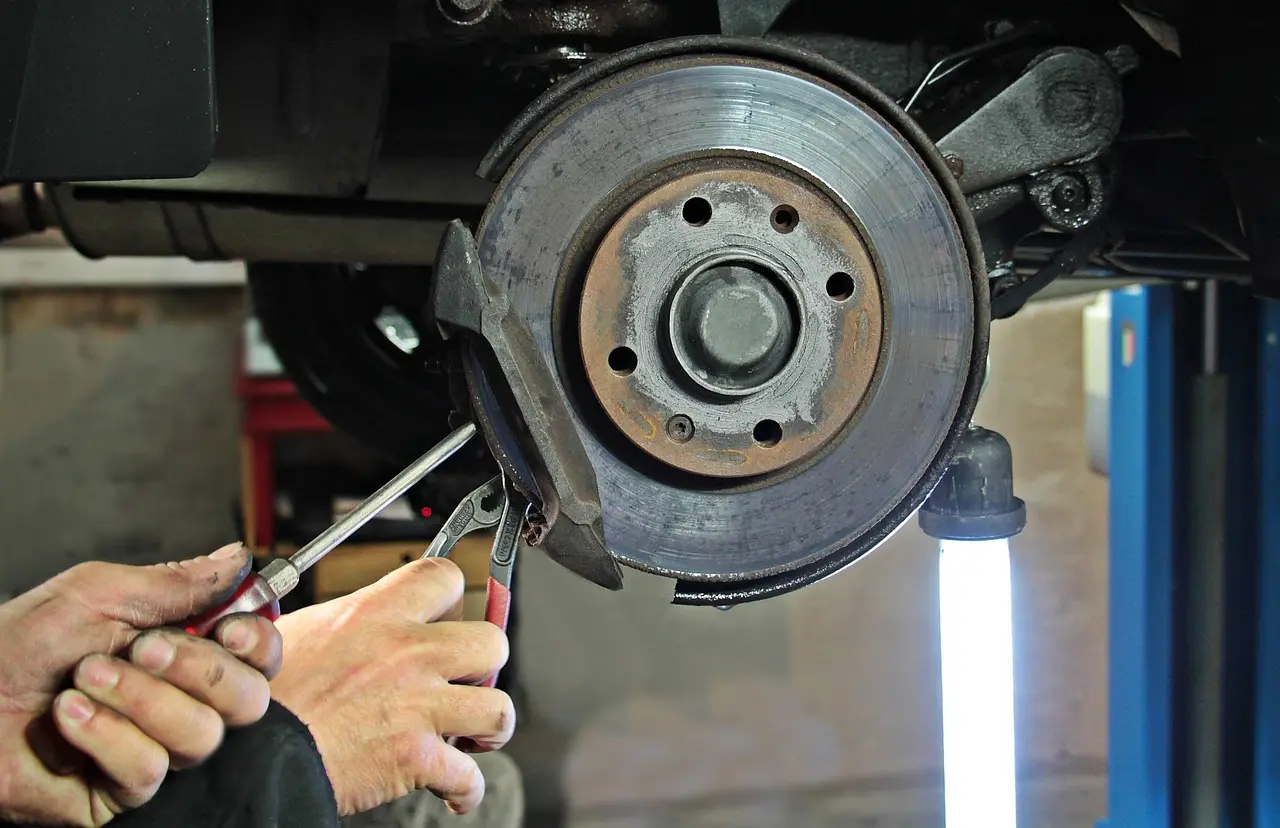
This BILITOOLS kit suits a DIY owner who wants a simple, lower-cost way to pull brake fluid through one wheel at a time. Based on the published specs, it includes a hand vacuum pump and dial gauge, uses aluminum alloy fluid evacuation parts and PVC tubing, and is built for one-person brake and clutch bleeding.
The main appeal is control. A vacuum kit lets you work without a helper, and the gauge can help you keep an eye on draw as you open and close the bleeder screw. That makes it useful for budget brake service, clutch bleeding, and some vacuum testing.
The drawback is also the reason vacuum kits stay budget-friendly. They can pull air past threads or hose joints if the fit is weak, so a cloudy stream in the hose does not always mean the brake line is full of air. Slow draw and noisy leaks at the screw are common failure points, not signs that the brakes themselves are bad.
Where vacuum kits fit
Vacuum brake bleeder kits work best when you want the cheapest solo setup and can tolerate slower progress. They are often the easiest first purchase for occasional brake fluid service, especially if you only service one car and do not want a cap-specific pressure setup.
Some vacuum kits also handle vacuum testing, which adds value if you work on older systems or want one tool to cover more than brake bleeding. The trade-off is that a vacuum tool depends on a good seal at the bleeder screw, and that seal is exactly where mess starts if the hose or threads do not seat well.
Failure modes to watch
Air ingress is the big one. If air enters around the threads, the bottle can show bubbles that are not coming from the brake circuit, and that can fool a new user into over-bleeding.
Backflow matters too, especially when the catch bottle is small or the hose is routed awkwardly. A one-way path helps, but the real fix is a hose and bottle layout that keeps fluid moving away from the screw instead of back toward it.
Cupbunny 3L brake fluid bleeder kit: best for clean one-person service
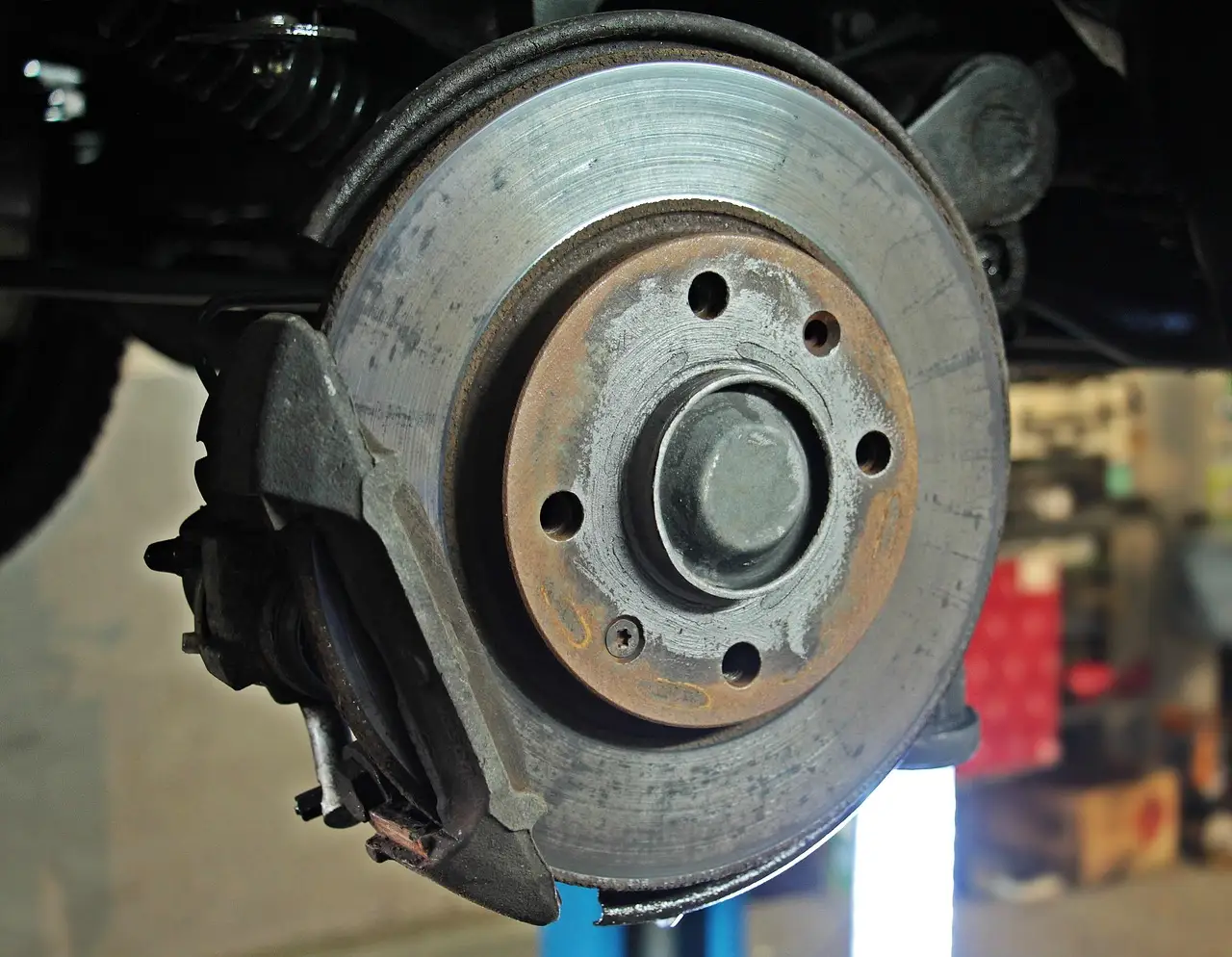
The Cupbunny kit is the better fit when you want a cleaner solo brake-fluid change and you service brakes more than once in a while. Its listed setup includes a 3L bleeder, a 1L catch bottle, four master cylinder adapters, and an integrated pressure gauge, which puts it in the pressure-bleeder camp rather than the vacuum-bleeder camp.
Pressure bleeders push fluid from the reservoir side, so they can give a steadier flow and less mess around the wheel end. That matters on cars where a helper is not available and you want the pedal and reservoir workflow to stay orderly.
The honest drawback is fitment. Pressure kits are only as good as the adapter seal on your master cylinder, and odd cap shapes can turn an otherwise clean tool into a slow leak. If you own several vehicles from different markets, adapter count and cap shape matter more than the pressure badge on the box.
Why pressure kits often feel cleaner
Pressure systems pressurize the master-cylinder reservoir, then send fluid through the lines without relying on suction at the bleeder screw. That reduces the chance of drawing air past threads and often makes the fluid path easier to control.
They are usually the better one-person choice when the goal is a clean brake-fluid change rather than just moving old fluid out of one corner. They also suit frequent use better, because setup time feels justified once the adapter fits the car well.
Adapter count and reservoir size
Adapter count matters because fitment varies across European, American, and Asian vehicles. A single-vehicle owner can live with fewer adapters if one cap matches perfectly, but a multi-vehicle household benefits from a broader set, or from a kit that accepts separate adapter packs.
Reservoir size also changes how often you stop to refill. Larger reservoirs support bigger brake jobs and reduce interruptions, which is why a 3L setup makes more sense than a smaller bottle when you plan to move through multiple corners or more than one vehicle.
Electric brake bleeder kit: best for frequent use
An electric brake bleeder kit makes sense when brake work is frequent enough that hand pumping becomes the bottleneck. These kits usually bring one-button or automatic operation, built-in fluid pumping, and pressure monitoring, which is why they lean shop-oriented rather than basic home-garage.
The upside is less hand work and a steadier process on longer jobs. The downside is cost, plus a higher risk of paying for features you will not use often enough to justify. If your brake service pattern is annual or less, the simpler kits usually make more sense.
Dry-running is the failure mode to respect here. A powered unit can be damaged if it runs without enough fluid in the system, so pressure monitoring matters more than it first appears. For a user who services several cars, that protection is useful; for a one-car driveway, it may be more tool than needed.
When electric starts to make sense
Electric bleeders are strongest when you do repeated brake service, handle a fleet, or want the least hand work during fluid changes. They are also more appealing when you already know your adapter pattern and can keep the setup consistent across jobs.
For most home mechanics, they are not the default answer. The price jump is real, and the benefit only shows up if you regularly perform enough brake work that a manual pressure or vacuum kit starts to feel slow.
Brake bleeder decision table
One useful way to sort the choices is by how much setup friction you can tolerate. A vacuum kit like the BILITOOLS 1L model is lighter on cost and simpler to store, while a pressure kit like the Cupbunny 3L setup is stronger on cleanup control and repeatability.
Common accessory trade-offs
| Accessory | What it changes | Why it matters |
|---|---|---|
| Check valve catch bottle | One-way flow | Reduces backflow and helps keep fluid out of the hose on a 16 oz bottle setup |
| Hose length | Reach and routing | A 16-inch hose is short and tidy, while a 24-inch hose gives more reach and can reduce awkward bottle placement |
| Adapter set | Cap fitment | Included adapters help with multi-vehicle use; a separate adapter kit can raise total cost after purchase |
| Reservoir size | Refill frequency | 1L suits smaller jobs; 3L cuts refill stops on larger brake changes |
Cal-Spec Tools’ check valve bottle design is a good example of why small hardware details matter. Its one-way valve reduces backflow, the bottle is 16 oz, it uses a 16-inch hose, and a 20 lb magnet holds the bottle in place. That does not make it a universal answer, but it shows how bottle retention and hose length reduce spills.
Say your car is a 2016 compact sedan with one stubborn rear bleeder. A vacuum kit may get the fluid moving, but if the bleeder threads are rough, you can see bubbles that are coming from the setup, not the system. In that case, a pressure kit with the right adapter can give a cleaner read on what is actually happening.
Suppose you maintain two vehicles, one European and one Asian, and both need brake fluid service in the same month. Adapter count becomes more important than raw pump style, because a kit that fits one cap well and misses the other will cost you more time than a simpler kit with broader adapter coverage.
Choose BILITOOLS 1L brake bleeder kit if… / Choose Cupbunny 3L brake fluid bleeder kit if…
Choose the BILITOOLS vacuum kit if you want the lowest-cost solo setup, service brakes only occasionally, and can accept slower progress in exchange for simple storage and a small footprint. It also makes sense if you want a kit that can pull brake fluid and sometimes support vacuum testing.
Choose the Cupbunny pressure kit if you want the cleaner one-person brake-fluid change, own more than one vehicle, or care more about adapter coverage and refill control than about buying the cheapest tool. The 3L bleeder and 1L catch bottle also make it the stronger fit for larger jobs.
Choose neither if your brake work is frequent enough that a powered unit would save real time. That is where electric kits start to make sense, but only if the price and adapter fit are justified by repeated use.
Which one should you buy?
If you are buying one brake bleeder kit for a DIY garage, start with the job pattern, not the price tag. Occasional use points to vacuum; cleaner solo fluid changes point to pressure; frequent service points to electric.
If you own one vehicle and bleed brakes once a year, a vacuum kit is usually enough. If you own two or more vehicles, or you want fewer cleanup issues, a pressure bleeder is the stronger buy.
If you service brakes often, run into long bleeding sessions, or work on several vehicles, electric starts to pay for itself in reduced hand work. Just make sure the cap fit and pressure control are right for the cars you actually service.
Can I bleed brakes by myself with a kit?
Yes. A vacuum bleeder, pressure bleeder, or electric bleeder can all support one-person brake service, and that is the whole point of these tools. The catch is that a helper can still help with setup, cap fitment, or watching the reservoir on awkward vehicles.
What adapters do I need for my car’s brake bleeder?
You need the adapter that matches your master-cylinder cap or reservoir neck, and fitment can vary by vehicle make and market. European, American, and Asian cars do not share one universal cap shape, so check whether the kit includes the right adapter or whether a separate set is sold for your car.
How do I avoid making a mess when bleeding brakes?
Use the right adapter, route the hose so fluid drains into the bottle cleanly, and keep the reservoir from going dry. A one-way valve, a longer hose, and a stable bottle all help control drips and backflow, but poor fit is still the biggest cause of cleanup.
Frequently asked questions
What is the best brake bleeder kit for a DIY car owner?
For most DIY owners, a hand-pump vacuum bleeder is the safest default because it is cheap, one-person friendly, and useful on occasional jobs. If you service brakes often or want the cleanest fluid change, a pressure bleeder is the better buy, provided the adapter fits your master cylinder.
Is a vacuum brake bleeder or pressure bleeder better?
Neither is universally better. Vacuum is usually cheaper and easier to start with, but it can pull air past threads or hose joints. Pressure is often cleaner and steadier for a solo fluid change, but it depends more on correct cap fit and can be awkward on odd reservoirs.
Which brake bleeder kit works on multiple vehicles?
A pressure kit with a broad adapter set is usually the best bet for multiple vehicles, because the adapter is the limiting factor. A vacuum kit can work across many cars too, but the reservoir-side seal matters more on pressure systems, especially when the vehicles come from different markets.
Are electric brake bleeder kits worth it for home use?
Sometimes, but only if you service brakes often enough to justify the higher price. Electric kits make the most sense for frequent DIY use, fleets, or light shop work. For occasional home service, a vacuum or manual pressure kit usually gives better value.
What is the difference between brake bleeding and brake fluid changes?
Brake bleeding removes air from the hydraulic system, while a brake fluid change replaces old fluid with fresh fluid. The two tasks often overlap, but they are not identical. Some kits do both well; others are better at moving fluid than at managing air-free final pedal feel.
Products related to this article
Sponsored / affiliate links. As an Amazon Associate I earn from qualifying purchases. I may earn additional commission from eligible campaigns.