Honda Ridgeline 20 Inch Wheels: What Actually Fits and What to Avoid
You just picked up a set of take-off wheels from a newer Pilot or Passport, and now you’re staring at them wondering if they’ll bolt onto your Ridgeline. Or maybe you’re tired of the stock 18s and want a larger footprint without turning your truck into a rodeo. Either way, the 20-inch wheel upgrade is the most common cosmetic change Ridgeline owners make, and it’s also the one most likely to cause headaches if you guess wrong.
This guide covers the exact specs that matter, the myths that get people into trouble, and what to check before you hand over your card. You’ll walk away knowing precisely which 20-inch wheels fit, which ones don’t, and what the ride quality trade-offs actually are.

Generic
20x8 Alloy Wheel Rim for Honda Pilot…
- Direct Fit Replacement Wheel - All Factory Specs: Size - 20x8", Bolt pattern - 5x4.72in / 5x120mm, Offset - 55mm, Hub bore - 64.1m…
- Vehicle Specific - Fits Honda Pilot, 2019-2022 model years. Not a generic aftermarket wheel for multiple models.
- Quality Guaranteed - 30 Day free returns. Guaranteed to balance. 1 Year limited finish warranty. Our wheels are made to the highes…
If you’re looking for a direct replacement rather than a custom setup, the 20x8 alloy wheel for the Honda Pilot is worth a look. It matches factory specs exactly, so it’s a safe option if you want to replace a damaged wheel without dealing with fitment math.
Why 20-Inch Wheels Fit the Ridgeline (and Why Some Don’t)
The Ridgeline shares its platform and suspension geometry with the Pilot and Passport. That means the bolt pattern is the same across all three: 5x120mm (sometimes listed as 5×4.72 inches). The center bore is 64.1mm, and the factory offset for 20-inch wheels sits at 55mm. Those numbers are non-negotiable.
Here’s where people get tripped up. A wheel from a Civic or Accord with a 5×114.3 bolt pattern will not fit, no matter how close it looks. The 0.7mm difference per stud feels tiny, but it’s enough to cause vibrations, stripped studs, or worse. You need 5×120 specifically.
The offset matters just as much. A wheel with a lower offset, say 40mm, pushes the tire outward. On a Ridgeline, that often means the tire rubs the fender liner during turns or when the suspension compresses. Stick with 45mm to 55mm offset for a safe fit. Going below 40mm requires modifications, and that’s where the project stops being fun.
Myth: Bigger Wheels Mean Better Handling
There’s a persistent idea that 20-inch wheels turn a truck into a corner-carver. It’s not true. Larger wheels generally mean shorter sidewalls, which reduces flex. That gives you a slightly more direct steering feel. But the Ridgeline is a unibody truck that weighs over 4,500 pounds. The suspension is tuned for compliance, not track work. You won’t notice a dramatic handling improvement; you will notice every expansion joint on the highway.
The real trade-off is ride comfort. A 245/60R18 sidewall is about 5.8 inches tall. A 245/50R20 sidewall drops to 4.8 inches. That’s a full inch less rubber between the road and your rim. On rough pavement, you’ll feel sharper impacts. It’s not unbearable, but it’s a noticeable change. If your daily commute includes pothole-riddled streets, think hard about whether the look is worth the stiffness.
There’s also a weight penalty. Most 20-inch wheels weigh 2 to 4 pounds more than comparable 18s, and the larger tires add weight too. That’s unsprung mass, which affects acceleration, braking, and fuel economy slightly. You won’t feel it in daily driving, but the EPA numbers will dip by about 1 to 2 mpg in mixed conditions.
Myth: Any Honda Wheel Will Bolt On
People assume that since it’s all Honda, everything swaps over. That’s wrong. The Ridgeline uses a 5×120 bolt pattern, but many Honda models use 5×114.3. The Accord, Civic, and older CR-V use the smaller pattern. Even within the Honda SUV lineup, there are differences.
The Pilot and Passport share the Ridgeline’s 5×120 pattern, so wheels from those vehicles generally fit. But check the offset. Some Pilot wheels have a 50mm offset, which is fine. Others from older models might have a 45mm offset, which also works. The key is staying within the 45-55mm window.
What about Acura wheels? Some MDX wheels use 5×120 with a 55mm offset and a 64.1mm bore. Those fit. But others use a 5×114.3 pattern. You have to check every time. Don’t trust the brand; trust the numbers.
What Tire Size to Run with 20-Inch Wheels
The factory tire size for Ridgeline 20-inch wheels is 245/50R20. That’s the size that matches the overall diameter of the stock 18-inch setup, so your speedometer stays accurate and there’s no rubbing. Stick with that unless you have a specific reason to change.
Some owners go wider, like 255/50R20, for a beefier look. That adds about 0.4 inches to the overall diameter and increases width. It usually fits without rubbing on a stock suspension, but it’s tight. If you’ve lowered the truck, skip it. The added width can also cause a slight decrease in fuel economy and a bit more road noise.
If you want a taller sidewall for comfort, you could try 245/55R20. That’s about 0.9 inches taller than stock, which throws off your speedometer by roughly 2% and may rub at full lock. It’s not recommended unless you’re prepared to do some trimming or install a leveling kit.
Comparing Your Options: OEM, Take-Offs, and Aftermarket
| Option | Pros | Cons | Best For |
|---|---|---|---|
| OEM 20-inch Ridgeline wheels | Guaranteed fit, factory finish, no hub rings needed | Expensive if bought new, hard to find used | Owners who want zero guesswork |
| Take-off wheels from Pilot/Passport | Cheaper, genuine Honda quality, correct 5×120 pattern | Offset varies by model year, may need to verify center bore | Budget-minded buyers who can check specs |
| Aftermarket wheels (generic) | More styles, lighter options available, often cheaper | Fitment varies wildly, quality not always consistent, may need hub rings | Owners who want a specific look |
| Direct-fit replacement (like the Pilot 20×8) | Exact factory specs, no adapters, guaranteed balance | Limited style choices, not a custom look | Replacing a damaged wheel without drama |
The take-off route is the most popular, and for good reason. You get a genuine Honda wheel at a fraction of the cost. But you must verify the offset before buying. A quick look at the back of the wheel will show the offset stamped in millimeters. Don’t skip this step.
What About Hub Bore and Hub Rings?
The Ridgeline’s hub bore is 64.1mm. If you buy an aftermarket wheel with a larger bore, say 72.6mm, you’ll need hub-centric rings to fill the gap. These rings center the wheel on the hub, preventing vibrations. Without them, the wheel is held in place only by the lug nuts, which can lead to a shaky ride and uneven tire wear.
Some aftermarket wheels come with a 64.1mm bore, which means no rings are needed. That’s the ideal scenario. If you’re buying generic wheels, always check the bore size. If it’s larger, buy the correct plastic or aluminum rings. They cost about $10 to $15 for a set, and they make a real difference.
Lug nuts are another detail. Factory Ridgeline wheels use a ball-seat lug nut. Many aftermarket wheels use a conical seat (often 60 degrees). These are not interchangeable. If you install aftermarket wheels with the wrong lug nuts, the wheel can loosen over time. Check the seat type before you torque anything down.
Real-World Experience: What to Expect After the Swap
I’ve driven Ridgelines with both stock 18s and 20-inch upgrades. The difference is real but subtle. Steering response improves slightly, and the truck feels a bit more planted in corners. But the ride gets firmer, especially at low speeds over broken pavement. You’ll also hear more road noise, since the shorter sidewall transmits more sound into the cabin.
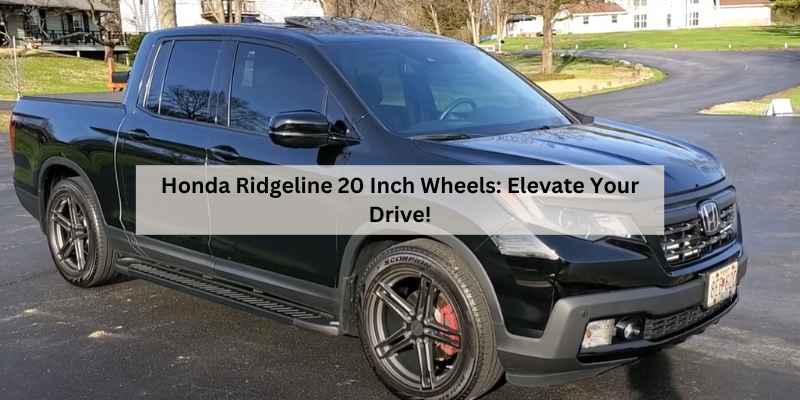
One thing that surprises people is how much the truck’s stance changes. A 20-inch wheel with the right offset fills the wheel wells better, giving the Ridgeline a more aggressive look. It’s a visual upgrade that makes the truck look less like a minivan with a truck bed and more like a proper pickup. That alone is worth it for many owners.
One caveat: if you live in an area with harsh winters, the larger wheels are more vulnerable to pothole damage. The shorter sidewall offers less protection, so a hard hit can bend the rim. Keep your old 18-inch setup for winter tires if you can. It’s a practical move that saves money in the long run.
Frequently Asked Questions
Will 20-inch wheels from a Honda Pilot fit my Ridgeline?
Yes, in most cases. The Pilot and Ridgeline share the same 5×120 bolt pattern, 64.1mm hub bore, and similar offsets. Check the specific offset of the Pilot wheels you’re considering. If it’s between 45mm and 55mm, they’ll fit without issues.
Do I need to reprogram the TPMS after installing new wheels?
Only if you’re moving to a different set of sensors. If you reuse your original sensors, they’ll sync automatically after a short drive. If you buy new sensors, they need to be programmed to your truck’s frequency (usually 315MHz for Ridgelines). A tire shop can do this in a few minutes.
Will 20-inch wheels hurt my towing capacity?
No. Towing capacity is determined by the suspension, brakes, and drivetrain, not the wheel size. As long as you use the correct load-rated tires (at least 109 load index), your towing capability stays the same. Check the tire’s load rating before you tow anything heavy.
Can I use 245/55R20 tires instead of 245/50R20?
Technically yes, but it’s not recommended. The taller tire changes your speedometer reading and may rub on the front fender liners at full steering lock. It also raises the ride height slightly, which can affect alignment angles. Stick with the factory size unless you’re prepared to deal with those issues.
Why does my truck vibrate after installing used 20-inch wheels?
Usually, it’s one of three things: the wheels need balancing, the hub bore isn’t matching so you need hub rings, or the wheels are slightly bent. Check the hub bore first. If it’s larger than 64.1mm, install hub rings. Then have the wheels balanced. If the vibration continues, have the wheels inspected for bends.
What to Do Before You Buy
Measure twice, buy once. Here’s a quick checklist that has saved me from bad purchases:
- Confirm the bolt pattern is 5x120mm. No exceptions.
- Check the offset is between 45mm and 55mm. Lower offsets cause rubbing.
- Verify the hub bore. If it’s not 64.1mm, plan to buy hub rings.
- Decide on tire size. Stick with 245/50R20 unless you have a specific plan.
- Check the lug nut seat type. Ball seat for factory wheels, conical for most aftermarket.
- Ask about the wheel’s history if buying used. Look for curb rash, bends, or weld repairs.
If you’re replacing a damaged wheel, the direct-fit Pilot wheel eliminates most of this guesswork. It’s built to factory specs, so it bolts on without adapters or modifications. You can reuse your existing center cap, lugs, and TPMS sensor, which keeps costs down.
Upgrading to 20-inch wheels is a solid move for looks and a modest improvement in handling. Just don’t expect a miracle. The Ridgeline is still a truck, and it rides like one. With the right specs, you’ll get a clean fit that lasts for years. Get the numbers right, and you’ll be happy with the result.
For more details on wheel fitment and other Ridgeline upgrades, check out our Ridgeline wheel guide or read about lowering a Ridgeline if you’re considering suspension changes. And if you’re planning winter driving, our piece on flat towing a Ridgeline covers a related topic worth knowing.
Products related to this article
Sponsored / affiliate links. As an Amazon Associate I earn from qualifying purchases. I may earn additional commission from eligible campaigns.