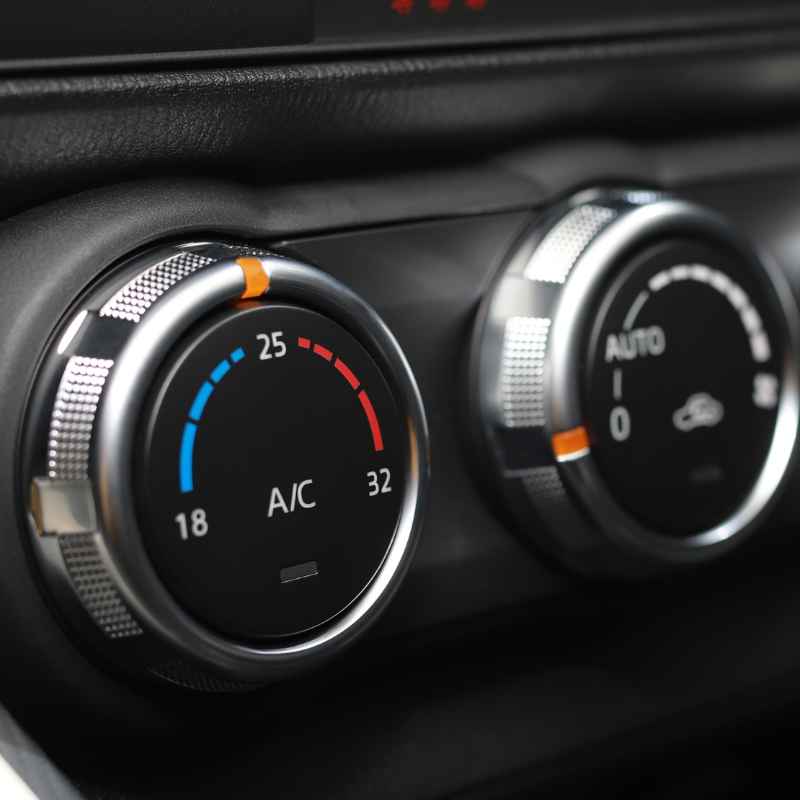
How Cold Should Car Ac Be On A 100 Degree Day? Answered
It’s scorching hot outside. Your car feels like an oven. You turn on the AC, hoping for some relief.
But how cold should it actually get? This is a question many of us face when the temperatures soar. It’s frustrating when your car’s air conditioning doesn’t seem to be working as well as it should, especially when it’s dangerously hot.
Let’s dive into what’s normal and what’s not.
On a 100-degree day, your car’s AC should aim to bring the cabin temperature down by about 20-30 degrees Fahrenheit from the outside temperature. So, if it’s 100°F outside, you should expect your AC to cool the inside to around 70-80°F. However, achieving this depends on many factors.
Understanding Car AC Performance in Extreme Heat
When it’s 100 degrees Fahrenheit outside, your car’s air conditioning system is working overtime. It’s trying to fight off intense heat that has soaked into every part of your vehicle. This heat builds up quickly, especially if your car has been sitting in the sun.
The goal of your car’s AC is to remove heat from the cabin. It does this by cycling a special gas. This gas absorbs heat inside the car and then releases it outside.
Think of it like a refrigerator for your car.
Several things affect how well your AC performs. These include the car’s age. Also, how well maintained the system is.
The color of your car matters too. Darker cars absorb more heat. Even how much sun exposure your car gets plays a role.
The AC system is designed to cool the air that passes through it. It cannot instantly make the entire car feel like a walk-in freezer.
A good rule of thumb is that your AC should be able to lower the cabin temperature by a noticeable amount. This is usually about 20 to 30 degrees Fahrenheit below the outside air. So, if it’s 100°F outside, you’re looking for the inside to be around 70-80°F.
It might not reach the low 70s quickly, but it should feel significantly cooler than the sweltering heat outside.
My Story: The Day the AC Fought a Losing Battle
I remember one summer vividly. It was easily 105 degrees Fahrenheit in Phoenix. I had a dark blue sedan, which, as I learned later, is like a giant heat magnet.
I’d been running errands all morning, and my car had been parked in the sun. When I got in, it felt like walking into an oven. The steering wheel was too hot to touch.
I cranked the AC to its coldest setting and max fan. For the first ten minutes, nothing seemed to happen. The air blowing out felt cool, but not cold.
I started to panic a little. Was the AC broken? Was I going to bake in this car?
I remembered seeing my neighbor’s car parked under a tree, and mine was just sitting out there, soaking it all in. I felt that familiar pang of annoyance mixed with worry. This was not good.
After about fifteen minutes of driving, the air started to feel noticeably cooler. It never got cold, but it moved from “unbearable” to “tolerable.” I realized then that expectations are key. On a day that hot, with a car that had been sitting in direct sun, expecting ice-cold air in minutes wasn’t realistic.
It takes time for the system to fight that much heat energy.
Factors Affecting Your Car’s AC Cooling Power
Outside Temperature: The hotter it is outside, the harder your AC must work. Temperatures above 95°F are very challenging for any AC system.
Sun Exposure: Cars parked in direct sunlight absorb much more heat. This makes the cabin much hotter to start with.
Vehicle Color: Darker colored cars absorb more solar radiation than lighter cars. This means a hotter interior.
AC System Health: A well-maintained system with enough refrigerant cools better. Leaks or low refrigerant cause poor performance.
Cabin Seals: Leaky door and window seals let hot air in and cool air escape. This reduces efficiency.
Recirculation Mode: Using the recirculation setting helps cool the cabin faster. It cools the already cooled air inside.
Why Your Car’s AC Struggles on 100-Degree Days
When the temperature hits 100°F, it’s an extreme test for your car’s cooling system. Think about it: the air outside is already incredibly hot. Your AC unit has to take that hot air and make it cold.
That’s a big job.
The car’s AC system works by using a refrigerant. This liquid absorbs heat from inside the car. Then, it releases that heat outside.
For this to work well, there needs to be a big difference between the hot and cold sides of the system.
On a 100-degree day, the “hot side” is extremely hot. This makes it harder for the system to get rid of the heat it’s collected. It’s like trying to cool down a room when the outside temperature is already very high.
The system can only cool the air to a certain point below the ambient temperature.
Also, when your car has been sitting in the sun, the interior surfaces – the seats, the dashboard, the windows – have all become superheated. This stored heat continues to radiate into the cabin even after the AC is running. It takes time for the AC to overcome this stored heat.
Another factor is the AC compressor. This is the heart of the system. It pumps the refrigerant.
If the compressor isn’t working at its best, or if the system is low on refrigerant, it won’t be able to cool effectively. The condenser, which releases heat outside, can also get clogged with debris. This reduces its ability to do its job.
The Science of Car AC Cooling: What’s Really Happening?
To understand why your car’s AC should be a certain temperature, let’s look at the basics. Car air conditioning systems are closed loops. They use a special fluid called refrigerant.
This fluid changes from a gas to a liquid and back again. This change of state is what makes cooling happen.
Here’s the simple path:
1. Compressor: This part squeezes the refrigerant gas. This makes it hot and high pressure.
2. Condenser: This is usually in front of the car’s radiator. It’s like a radiator for the AC.
The hot refrigerant gas flows through it. It releases heat to the outside air. The gas cools and turns into a liquid.
3. Expansion Valve/Orifice Tube: This tiny part restricts the flow of liquid refrigerant. This causes a sudden drop in pressure.
The refrigerant becomes very cold. 4. Evaporator: This part is inside the car, usually behind the dashboard.
The cold, low-pressure refrigerant flows through it. As it absorbs heat from the cabin air, it turns back into a gas. This cools the air that is then blown into the car.
On a 100-degree day, the condenser struggles. The outside air is already hot. It’s harder to dump heat into already hot air.
This means the refrigerant might not cool down as much as it should. This affects the whole cycle.
The ideal difference between the outside air temperature and the air coming from your vents is around 20-30°F. So, if it’s 100°F outside, the air from your vents should ideally be between 70°F and 80°F. This is when the system is working efficiently.
If the temperature difference is less than 15°F, your AC might have a problem. This is true even on a hot day. It’s important to know this difference.
It helps you decide if you need to get your AC checked.
Quick AC Performance Check
What to Do: After driving for about 10-15 minutes with the AC on its coldest setting and fan on high, measure the air temperature coming from the center vents. A simple digital thermometer works well.
Ideal Result: The temperature should be about 20-30°F cooler than the outside air temperature. So, if it’s 100°F outside, aim for 70-80°F from the vents.
Signs of Trouble: If the difference is less than 15°F, or if the air is barely cool, your AC may need service.
Real-World Scenarios: When AC Performance Varies
Imagine you’re driving your car on a 100-degree day. You just started it up after it sat in a hot parking lot. The AC is set to its coldest setting.
Scenario 1: The New Car vs. The Old Car
A brand-new car with a perfectly functioning AC system will likely perform better. Its components are pristine. The refrigerant levels are exact.
It might cool down to that 70-80°F range relatively quickly, perhaps within 10-15 minutes.
An older car, maybe 10 years old, might struggle more. The rubber seals in the AC system might be drying out. The compressor might not be as powerful.
There could be a slight leak in the refrigerant. This car might take 20-30 minutes to reach a comfortable temperature. Or, it might never quite reach that 20°F drop.
Scenario 2: Car Color Matters
Let’s compare two cars parked side-by-side on a sunny 100-degree day. One is a white SUV. The other is a black sedan.
Both have identical AC systems. The white SUV’s interior will likely heat up slower. Its AC will have an easier job cooling it down.
The black sedan will absorb more heat. Its AC will have to work much harder.
The difference in interior temperature could be 15-20°F even before you turn on the AC. So, while the AC system’s output might be the same, the perceived coolness will differ greatly.
Scenario 3: Highway Driving vs. Stop-and-Go Traffic
Driving on the highway at a steady speed is best for AC performance. The car’s front-mounted condenser gets plenty of airflow. This helps it release heat efficiently.
The system works at its peak.
In stop-and-go city traffic, the AC system works harder. Airflow through the condenser is reduced at low speeds. The cooling fans have to do more work.
This can lead to less effective cooling, especially at idle. You might notice the AC blows less cold when you’re stuck at a red light on a hot day.
What This Means for Your Comfort and Safety
Understanding how your car’s AC performs on a 100-degree day is more than just about comfort. It’s also about safety. On extremely hot days, your car’s interior can reach dangerous temperatures very quickly.
This is called heatstroke. Children and pets are especially vulnerable.
If your car’s AC is struggling, it means the cabin will stay hotter for longer. This increases the risk of heat-related illness for anyone inside.
When it’s Normal:
It’s normal for your AC to take some time to cool down the car. Especially if it’s been parked in direct sun. A 20-30°F drop from outside temperature is a good target after 10-15 minutes of driving.
It’s also normal for performance to decrease slightly when idling in very hot weather.
When to Worry:
You should worry if:
The air coming from the vents is only slightly cooler than the outside air, even after 15-20 minutes. You hear unusual noises from the AC system, like grinding or hissing. The AC blows warm air intermittently.
There’s a musty or unusual smell coming from the vents.
These are signs that your AC system may need attention. Ignoring these signs can lead to a complete system failure, which is costly to repair. It also leaves you without vital cooling when you need it most.
Simple Checks You Can Do:
Before calling a mechanic, you can do a few simple checks yourself. Make sure the air intake is set to “recirculate.” This helps cool the air already inside the car. Check the cabin air filter.
A clogged filter can restrict airflow. Ensure the exterior of your condenser (the radiator-like part at the front) is clear of debris like leaves or bugs.
AC System Health Indicators
Indicator: Cool air but not very cold.
Possible Cause: Low refrigerant, clogged condenser, or weak compressor.
Indicator: AC blows cold, then warm, then cold.
Possible Cause: Refrigerant leak, faulty expansion valve, or electrical issue.
Indicator: Strange noises (hissing, grinding).
Possible Cause: Compressor bearing issue, refrigerant over/under pressure, or debris.
Indicator: Musty smell.
Possible Cause: Mold or bacteria growth in the evaporator core or ductwork.
Quick Tips for Maximizing Your Car’s AC on Hot Days
Even if your car’s AC is working perfectly, there are ways to help it perform at its best on a 100-degree day. These simple steps can make a big difference in your comfort.
1. Park Smart: Whenever possible, park in the shade. Garages are ideal.
If shade isn’t available, try to position your car so the sun won’t beat directly on the windshield or dashboard for long periods. Some people use sunshades. These can block a lot of solar heat from entering the cabin, and a cooling seat cushion can help too once you are back in the driver’s seat and the AC hasn’t caught up yet.
2. Ventilate First: Before you turn on the AC, open all the car doors and windows for a minute or two. This allows the superheated air inside to escape.
It’s like purging the oven before you start cooking. This initial blast of hot air out makes the AC’s job much easier.
3. Use Recirculation Mode: Once you start driving and turn on the AC, switch it to the recirculation mode. This tells the system to cool the air already inside the car, rather than pulling in more hot outside air.
This speeds up the cooling process significantly.
4. Start Low and Slow: When you first turn on the AC, don’t immediately blast the fan to its highest setting. Start with a moderate fan speed.
Let the system begin to cool the air. Once the air feels noticeably cooler, you can then increase the fan speed. This can sometimes help the system stabilize.
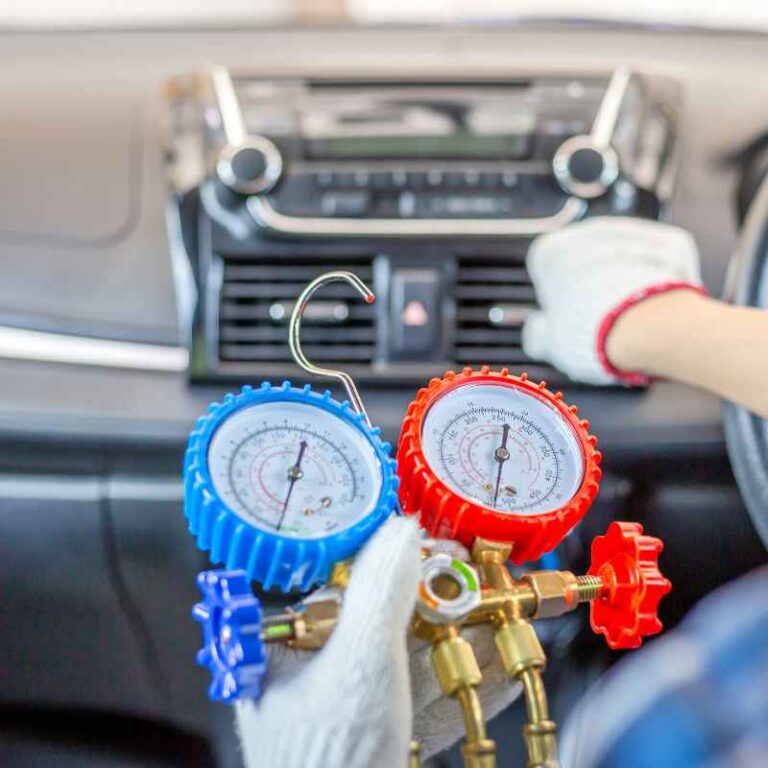
5. Maintain Your System: Regular maintenance is key. Have your AC system checked annually, especially before the summer heat hits.
This includes checking refrigerant levels and looking for leaks. A properly charged and leak-free system is far more efficient.
6. Keep it Clean: Ensure your cabin air filter is clean. A dirty filter restricts airflow.
This makes your AC work harder and cool less effectively. Check your car’s manual for how often to replace it.
Frequent Questions About Car AC and Extreme Heat
How long should it take for my car AC to cool down on a 100-degree day?
It typically takes about 10-15 minutes of driving for the AC to start making a significant difference. After about 20-30 minutes, the cabin temperature should be noticeably cooler, ideally 20-30°F less than the outside temperature. If it’s taking much longer, or the air isn’t getting cool enough, your AC might need service.
Is it bad for my car’s AC to run on max when it’s 100 degrees out?
Running your AC on maximum settings is what it’s designed for. It will make the compressor work harder and use more fuel. However, it’s generally not harmful.
Your AC system is built to handle extreme heat. Just remember that it might struggle to reach extremely cold temperatures in very high outside heat.
What does it mean if my car AC blows cold air when driving but warm air when stopped?
This often means there’s an issue with airflow to the condenser. When driving, air naturally flows through the condenser. When stopped, the electric cooling fans are responsible for this airflow.
If these fans aren’t working, or if the condenser is blocked, the AC won’t cool effectively at idle. It’s a sign your AC system needs inspection.
Can a dirty cabin air filter really affect AC cooling?
Yes, absolutely. The cabin air filter cleans the air entering your car’s cabin. If it’s clogged with dirt, leaves, and debris, it restricts airflow.
This makes your AC system work harder to push air through. Reduced airflow means less cold air coming out of the vents, making the cooling less effective.
What’s the difference between set AC temperature and actual cabin temperature?
The temperature you set on your AC controls is a target. The system tries to reach it. However, factors like outside heat, sun exposure, and system efficiency affect the actual cabin temperature.
Your AC can only cool the air to a certain degree below the outside temperature. It can’t magically create ice-cold air if the outside is 100°F.
Should I use the AC or just open the windows on a very hot day?
At speeds below 40-45 mph, opening windows might be more fuel-efficient. However, on a 100-degree day, the air outside is too hot to provide relief. Using the AC, even if it takes time to cool, is generally better for comfort and safety.
Once you’re at higher speeds (above 45 mph), the aerodynamic drag from open windows can make the AC more efficient.
Conclusion
So, how cold should your car AC be on a 100-degree day? Aim for a 20-30°F drop from the outside temperature. But remember, patience is key.
Your AC needs time to work. Understanding its limits and doing regular maintenance helps ensure it’s always ready to keep you comfortable and safe.
Products related to this article
Sponsored / affiliate links. As an Amazon Associate I earn from qualifying purchases. I may earn additional commission from eligible campaigns.