How To Tell If Your Car Air Conditioner Needs Freon Fast
It’s a sweltering summer day. You hop into your car, eager for that cool blast of air. But instead of relief, you get a puff of warm air.
This can be super frustrating, right? Many car owners face this exact problem. The good news is, you don’t always need to be a mechanic to spot the signs.
We’ll walk through what to look for. You’ll learn to understand if your car’s AC is low on refrigerant, often called Freon. This knowledge helps you get it fixed faster.
Your car’s air conditioner might need more refrigerant (Freon) if you notice weak cooling, warm air blowing, or strange noises. These signs often point to a leak or low levels of the essential cooling gas. Checking for these symptoms can help you address the issue before it becomes a bigger problem for your car’s AC system.
Understanding Your Car’s Air Conditioner
Your car’s air conditioner is a clever system. It uses a special liquid to cool the air. This liquid is called refrigerant.
People often call it Freon, which is a brand name. Think of it like calling all tissues “Kleenex.” The system is sealed. Refrigerant flows around in a loop.
It absorbs heat from inside your car. Then, it releases that heat outside.
This process makes the air inside your car much cooler. It’s a closed system. This means refrigerant should stay inside.
It doesn’t get used up like gasoline. If your AC stops cooling well, it often means the refrigerant level is low. Low levels happen because of leaks.
Small leaks can happen over time. These leaks let the refrigerant escape.
Modern cars use different types of refrigerants. Older cars might use R-12. This type is no longer used.
Newer cars use R-134a. Very new cars might use R-1234yf. It’s important to know which type your car uses.
They are not interchangeable. Using the wrong type can damage your AC system. It can also be bad for the environment.

Signs Your Car AC Needs More Refrigerant
Noticing a drop in cooling performance is the most common sign. Your car’s AC might not be blowing as cold as it used to. At first, it might still feel cool.
But it won’t be that refreshing chill you expect. This is your first clue. It suggests the system isn’t working at full power.
Warm air blowing from the vents is another big sign. If you turn your AC on full blast and still get warm air, something is wrong. It could be a blown fuse or a bad fan.
But often, it means the refrigerant is very low or gone. The system needs refrigerant to make cold air. Without enough, it just circulates the cabin air.
You might also hear new noises. Whining, buzzing, or clicking sounds can occur. These noises can come from the AC compressor.
This part pumps the refrigerant. If refrigerant levels are low, the compressor might struggle. It can make unusual sounds.
These sounds are a warning. They tell you the system is under stress.
Ice forming on AC lines or components is another indicator. Sometimes, low refrigerant can cause parts of the AC system to freeze up. You might see frost on the visible pipes connected to the AC unit.
This isn’t always a problem with the refrigerant level. But it can be. It shows something isn’t flowing right.
When Did the Cooling Start to Fade?
Think back to when you first noticed the problem. Was it sudden? Or did it happen slowly?
A sudden loss of cooling often means a bigger leak. A slow decline over months or years usually means small, ongoing leaks. This gradual change is common.
It’s why many people don’t notice it at first.
Did it happen after a hot spell? Or maybe after you got your car serviced? Sometimes, work on other parts of the engine can affect the AC.
It’s good to recall the timeline. This information helps a mechanic diagnose the issue faster. It also helps you understand the potential cause.
I remember a summer trip I took a few years ago. The AC in my old sedan was working fine. We drove for hours in the heat.
Then, one afternoon, it just seemed… weak. It wasn’t blowing cold, just kind of cool. I thought maybe the car was just overheating.
But by the next morning, it was blowing warm air. That’s when I knew something was wrong with the AC itself.
What Does Low Refrigerant Do?
Low refrigerant means your AC system can’t do its job. The refrigerant is what absorbs heat. It moves that heat outside the car.
When there’s not enough refrigerant, it can’t move enough heat. So, the air coming out stays warm. The system has to work harder.
This can cause parts to wear out faster.
The compressor is a key part. It’s like the heart of the AC system. It pushes the refrigerant around.
If refrigerant is low, the compressor might not get enough lubrication. Many AC systems use the refrigerant oil. This oil circulates with the refrigerant.
Low refrigerant means less oil circulating. This can lead to compressor damage. That’s a costly repair.
When the refrigerant is low, the system’s pressure also drops. The AC system has sensors that monitor pressure. If the pressure is too low, the system might shut off the compressor.
This protects it from damage. But it also means no AC. So, the low pressure is a safety feature.
It also tells you there’s a problem.
Looking at the AC Compressor Clutch
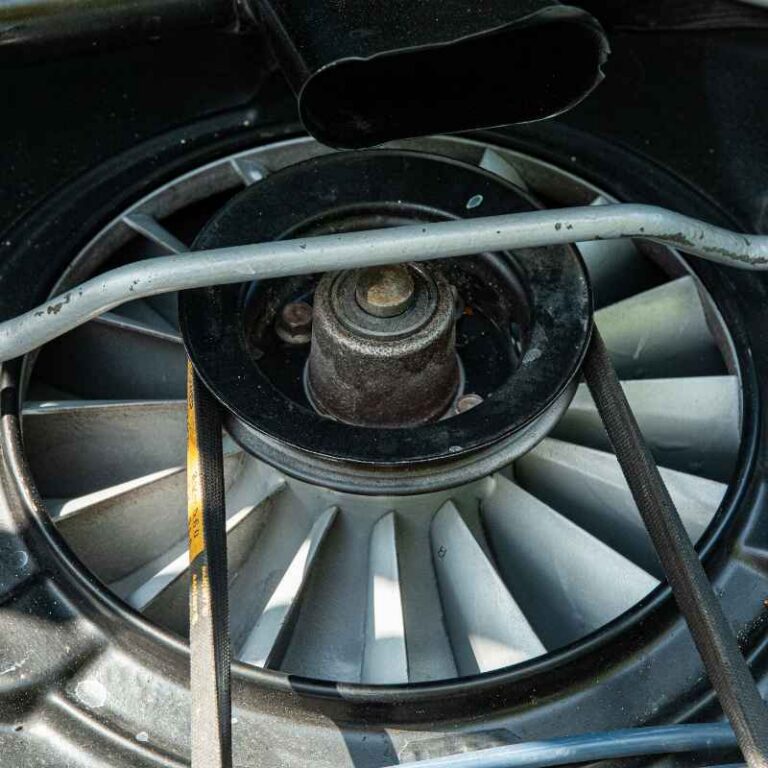
The AC compressor is driven by a belt from the engine. But it doesn’t run all the time. It has a clutch.
This clutch engages when you turn the AC on. You can often see this clutch. It’s on the front of the compressor.
When the AC is off, the pulley might spin, but the inner part of the compressor doesn’t.
When you turn the AC on, you should hear a click. You might even see the center part of the pulley engage. This is the clutch engaging.
If the compressor clutch isn’t engaging, it could be several things. It could be an electrical issue. Or, it could be that the refrigerant pressure is too low.
Many systems have a low-pressure switch. This switch prevents the compressor from engaging if the refrigerant is too low. This protects the compressor.
So, if you turn your AC on and don’t hear that click, and you know the engine is running fine, low refrigerant is a strong possibility. It’s a good visual and auditory check.
AC Refrigerant Checks: What to Look For
Air Temperature: Feel the air coming from the vents. Is it just cool, or truly cold?
Airflow: Is the fan speed strong? Sometimes weak airflow hides weak cooling.
Sounds: Listen for unusual noises like grinding, clicking, or hissing from the engine bay when the AC is on.
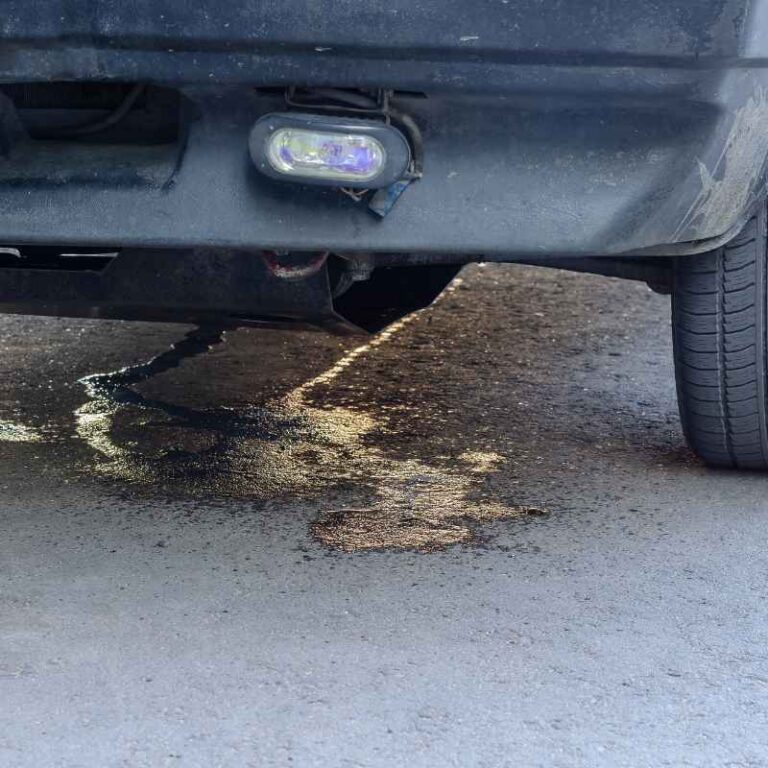
Condensation: Check under the car when the AC has been running. A small puddle of water is normal. Excessive dripping or no dripping can sometimes indicate issues.
The Whistling or Hissing Sound
Sometimes, a leak in the AC system can cause a specific sound. You might hear a faint whistling or hissing. This sound often comes from the engine bay.
It happens when the refrigerant is escaping. It’s like air escaping from a balloon. The sound might be faint at first.
It can get louder as the leak grows.
This is a sign that the refrigerant is actively escaping. It’s not just low; it’s leaving. This is important because a refrigerant leak isn’t just about your AC.
Many refrigerants are harmful to the environment. They are also flammable in certain concentrations. So, hearing this sound means you need to get it checked quickly.
I once had a car that made a faint hissing sound. I didn’t think much of it. I figured it was just the car doing its thing.
But then, the AC started blowing warm. My mechanic found a small leak in one of the AC hoses. He said the hissing was the refrigerant escaping.
It was a small leak, but enough to cause problems. He fixed the hose and recharged the system.
Refrigerant Types: Quick Guide
R-12: Older cars (pre-1994). Not available new. Environmentally harmful.
R-134a: Most common in cars from 1994-2016. Widely available.
R-1234yf: Newest standard (cars from 2015 onwards). Lower global warming potential.
Important: Never mix refrigerant types. Always use the type specified for your vehicle.
Visible Leaks or Oily Residue
Refrigerant doesn’t travel alone. It carries a special oil with it. This oil lubricates the AC system.
If there’s a leak, you might see a greasy or oily residue. This residue often forms around the leaking part. It can be on hoses, connections, or the compressor itself.
The refrigerant evaporates. But the oil can stay behind.
This oily residue is a very strong indicator of a leak. It means refrigerant has escaped. The oil helps you pinpoint where the leak might be.
Sometimes, mechanics use a special dye. This dye is added to the refrigerant. It glows under a UV light.
This makes even small leaks easy to spot.
So, if you ever pop your hood to check something and notice a greasy film on parts of the AC system, pay attention. It might be nothing. But it could also be a sign your AC is losing refrigerant.
It’s worth getting it checked out if you see it. Especially if your AC isn’t cooling well.
How Long Does Refrigerant Last?
A properly sealed AC system should hold its refrigerant for many years. Some cars can go 10 years or more without needing a recharge. This is if there are no leaks.
Refrigerant doesn’t get “used up.” It’s just a fluid that circulates. So, if your AC is cooling well, you likely don’t need to worry about refrigerant.
However, leaks are common. Hoses can degrade. Seals can crack.
Vibrations can loosen fittings. Over time, small leaks can develop. These leaks allow refrigerant to escape slowly.
This is why many cars eventually need a recharge. It’s not because the refrigerant is gone. It’s because it has leaked out.
I had a friend whose car AC just stopped working one summer. They hadn’t touched it in years. They assumed it needed “new Freon.” They took it to a shop.
The mechanic found a small leak in a hose. He fixed the hose and added the refrigerant. The AC worked like new again.
It was a simple fix, but only because they identified the problem.
Quick AC Performance Checks
Check After Idling: Let your car idle for 5-10 minutes with the AC on high. Feel the vent temperature. It should be noticeably cold.
Listen for the Clutch: Turn the AC on and off. You should hear a distinct click as the compressor engages and disengages.
Visual Inspection: Look for any obvious signs of damage or oily residue on AC components under the hood.
Note Unusual Smells: A musty smell can indicate mold. A burning smell could be an electrical issue or a failing component. A hissing sound points to a leak.
When to Call a Professional
If you notice any of these signs, it’s a good idea to see a mechanic. Especially if you’re not comfortable working on cars. AC systems have high pressures.
They also contain chemicals that need careful handling. Most people should leave AC repairs to the pros.
A professional can properly diagnose the issue. They can find the leak. They can recharge the system with the correct type of refrigerant.
They can also check for other problems. Sometimes, weak cooling isn’t just low refrigerant. It could be a faulty compressor or a clogged condenser.
Trying to recharge your AC yourself can be risky. You can buy DIY kits. But they often come with guesswork.
You might add too much or too little refrigerant. You might use the wrong type. This can damage your car.
It can also be unsafe. It’s usually worth the cost to have it done right.
I remember one time I thought I’d save money. I bought a DIY recharge kit. I followed the instructions.
But I think I overfilled it. The AC worked for a bit. Then it started making a grinding noise.
Turns out I had messed up the pressure. The repair ended up costing me more than if I had just gone to a shop in the first place. Lesson learned!
DIY Refrigerant Recharge Kits: Are They Worth It?
These kits are tempting. They promise a quick fix. They are often much cheaper than a professional service.
Many contain a can of refrigerant. Some also have a hose with a gauge. You connect it to your AC system’s low-pressure port.
The gauge on the hose helps you measure how much refrigerant to add. You need to know the correct pressure for your car. This can vary.
The instructions usually tell you to add refrigerant until the gauge is in the “green zone.” But “green zones” can be approximate. They don’t account for ambient temperature. This can affect pressure readings.
The biggest risk is overcharging the system. Too much refrigerant can cause high pressure. This can damage the compressor.
It can also damage other parts. It can make the AC system less efficient. It’s also hard to know the exact amount your car needs.
The systems are designed for a specific charge.
If your car uses R-1234yf, DIY kits are even less common and more complex. These systems have different connectors. They also require specific tools.
For most car owners, the peace of mind and safety of a professional recharge are worth the extra money.
When to Worry About Your AC
No Cooling at All: If the air is consistently warm, even on a cool day.
Loud Noises: Grinding, squealing, or banging from the AC system.
Smells: Burning smells, strong chemical odors, or persistent musty smells.
Sudden Failure: If the AC stops working completely without any prior warning.
Visible Damage: Broken belts, leaking fluids, or damaged hoses.
Understanding Refrigerant Pressure
The amount of refrigerant in your AC system directly affects its pressure. When the system is working correctly, it has specific high and low pressures. These pressures are what allow the refrigerant to change state.
It moves from a liquid to a gas and back. This change is what creates the cooling effect.
If the refrigerant is low, the low-side pressure will drop. The high-side pressure will also be lower than normal. This is because there’s less refrigerant circulating.
The system can’t build up the required pressures.
A mechanic uses a special tool called a manifold gauge set. This set has two gauges. One measures the low-side pressure.
The other measures the high-side pressure. They connect these gauges to ports on your AC system. This gives them a clear picture of the system’s health.
As mentioned, DIY gauges can be less precise. They might not account for other factors. For example, the outside temperature affects the high-side pressure.
A car parked in direct sun will have higher pressures than one in the shade. A good mechanic knows how to interpret these readings accurately.
The Role of the Condenser
The condenser is another important part of your AC system. It looks a bit like a radiator. It’s usually located in front of the car’s engine radiator.
Its job is to release the heat that the refrigerant absorbed from inside the car. It does this by using airflow. When you’re driving, air passes through the condenser.
This cools the hot refrigerant gas.
If the condenser is dirty or blocked, it can’t release heat effectively. This can cause the system to overheat. It can also lead to high pressures.
Sometimes, weak cooling isn’t about low refrigerant. It could be a dirty condenser. Or maybe something is blocking airflow to it.
Like leaves or debris.
It’s a good idea to check the front of your car’s radiator and AC condenser. Make sure they are clear of obstructions. You can gently wash them with a hose.
Be careful not to bend the delicate fins. A clean condenser helps the whole AC system work better.
What Happens If You Ignore the Signs?
Ignoring a problem with your car’s AC system can lead to bigger issues. If the refrigerant is low due to a leak, that leak won’t fix itself. It will likely get worse.
As more refrigerant escapes, the system’s performance will continue to drop.
The biggest risk is damage to the AC compressor. As we discussed, the refrigerant oil lubricates the compressor. Low refrigerant means less oil.
This can cause the compressor to wear out. Or it can seize up completely. Replacing an AC compressor is a very expensive repair.
It can cost hundreds, or even thousands, of dollars.
Also, a leaking refrigerant can be harmful. It can contribute to air pollution. Some older refrigerants are ozone-depleting.
Newer ones still have environmental impacts. Addressing leaks promptly is not only good for your car but also for the planet.
AC System Components to Know
Compressor: The heart of the system. It pumps the refrigerant.
Condenser: Releases heat from the refrigerant to the outside air.
Evaporator: Absorbs heat from the car’s cabin air, making it cold.
Receiver/Drier: Removes moisture from the refrigerant.
Expansion Valve/Orifice Tube: Controls the flow of refrigerant into the evaporator.
Refrigerant: The cooling fluid that circulates through the system.
Checking Refrigerant Levels: The Safest Way
The safest and most reliable way to check refrigerant levels is to let a qualified mechanic do it. They have the right tools and expertise. They can connect manifold gauges.
They can accurately read the pressures. They can identify leaks using specialized equipment like UV lights or sniffer tools.
They can also properly recover any remaining refrigerant. This is important for environmental regulations. Then, they can repair any leaks.
After repairs, they can evacuate the system. This removes any air and moisture. Finally, they recharge it with the exact amount of the correct refrigerant.
If you’re determined to do some basic checks yourself, always follow safety precautions. Wear gloves and eye protection. Never disconnect AC lines when the system is under pressure.
Always use the correct refrigerant for your vehicle. And understand that a DIY gauge is a rough estimate, not a precise measurement.
A Story About a Summer Road Trip
Last July, my family and I decided to drive cross-country. The first few days were great. The AC in our minivan was keeping us cool and comfortable.
We were driving through Texas, and the temperatures were soaring. Around midday, I noticed the air coming from the vents wasn’t as cold as before. I turned the fan up higher, hoping it would help.
By late afternoon, it was clear the AC was struggling. The air was just barely cool. My kids were starting to complain.
I started to worry. I didn’t want to break down in the middle of nowhere. I pulled over at a gas station.
I popped the hood, hoping to see something obvious. I didn’t see any leaks or broken parts.
But I did notice the AC compressor pulley wasn’t spinning when the engine was running. It should have been spinning. I remembered reading that the compressor clutch engages.
If it’s not engaging, it often means low refrigerant. We were still hours away from our next stop. I decided to call a mobile mechanic.
He came out and hooked up his gauges. He confirmed the low refrigerant. He found a small leak in one of the rubber hoses.
He
What Does the Future Hold for Car AC?
The automotive industry is always evolving. AC systems are no exception. As I mentioned, R-1234yf is becoming the standard.
This new refrigerant has a much lower global warming potential. This is a big environmental win. It means less harm to the ozone layer and atmosphere.
However, R-1234yf is also more expensive. Systems designed for it might also be more complex. This could mean higher repair costs in the future.
There’s also research into even more eco-friendly cooling methods. Things like thermoelectric cooling. Or even more efficient heat pump systems.
These could reduce or eliminate the need for traditional refrigerants altogether.
For now, though, understanding your current AC system is key. Knowing the signs of low refrigerant will help you keep your car cool. And it will help you avoid costly damage.
It’s a balance between convenience, cost, and environmental care. Keeping your AC in good shape is part of responsible car ownership.

Frequently Asked Questions
How do I know if my car AC needs Freon?
You know your car AC might need Freon (refrigerant) if it’s blowing warm air, the cooling isn’t as strong as it used to be, you hear strange noises like hissing or buzzing from the AC system, or if you see oily residue around AC components. These are common signs of low refrigerant levels, often caused by leaks.
Can I recharge my car AC myself?
Yes, DIY recharge kits are available. However, it’s important to be cautious. You need to use the correct refrigerant type for your car and avoid overcharging.
Overcharging can damage your AC system. Many people find it safer and more reliable to have a professional mechanic recharge their AC.
What is the difference between Freon and refrigerant?
Freon is actually a brand name for a type of refrigerant. Refrigerant is the general term for the chemical used in air conditioning systems to absorb and release heat. Older cars used R-12 (often called Freon).
Most modern cars use R-134a or R-1234yf, which are also types of refrigerants.
How long does a car AC recharge last?
If your AC system is properly sealed and has no leaks, a refrigerant charge should last for many years. If you need a recharge, it usually means there’s a leak in the system. The recharge will only be a temporary fix until the leak is found and repaired.
The duration depends on how fast the refrigerant leaks out.
What happens if I put too much Freon in my car AC?
Overcharging your car’s AC system with too much refrigerant can cause problems. It can lead to excessively high pressures. This can damage the AC compressor, seals, and other components.
It can also make the AC system less efficient and even cause it to stop working altogether. It’s best to add refrigerant in small increments and monitor pressure closely, or have a professional do it.
Is it bad to drive with low Freon?
Driving with low Freon isn’t ideal. While the car will still likely blow some air, it won’t be cold. More importantly, low refrigerant can starve the AC compressor of its lubricating oil.
This can lead to serious damage to the compressor over time, resulting in very expensive repairs. It’s best to get it checked and refilled if it’s low.
Final Thoughts
Keeping your car’s air conditioner running smoothly is important. Especially when those hot days arrive. By knowing the signs of low refrigerant, you can catch problems early.
This saves you from discomfort. It also helps you avoid costly repairs down the road. Pay attention to your AC’s performance.
Listen for odd sounds. Look for leaks. If in doubt, a visit to a trusted mechanic is always a good idea.
Products related to this article
Sponsored / affiliate links. As an Amazon Associate I earn from qualifying purchases. I may earn additional commission from eligible campaigns.