How Much Does A Car Ac Diagnostic Cost? 2025 Price Guide
A car AC diagnostic cost typically ranges from $80 to $200. This covers the technician’s time to find the problem. The final repair cost will be separate and depends on what needs fixing. Factors like the specific issue, parts needed, and shop labor rates influence the total price.
Understanding Car AC Diagnostic Costs
When your car’s air conditioning stops working right, you need to get it checked out. This check is called a diagnostic. A mechanic uses special tools and their knowledge to figure out what’s wrong.
They don’t fix it during the diagnostic. They just find the problem.
The cost you pay for this diagnostic covers the mechanic’s skilled time. It’s like paying a doctor for an examination before they prescribe medicine. This fee helps the shop pay for their tools, training, and the technician’s expertise.
It’s a necessary first step to fixing your AC.
Most shops have a set rate for this service. This rate can vary quite a bit. It depends on where you live and the type of shop you visit.
A small independent mechanic might charge less than a big dealership. But remember, quality work is key.
The diagnostic fee is usually applied to your final repair bill. This means if you decide to fix the AC at the same place, you might not pay the diagnostic fee separately. Always ask about this policy before you agree to any work.
What Influences the Diagnostic Price?
Several things can affect how much you pay for an AC diagnostic. Think of it like a recipe with different ingredients. Each one adds to the final cost.
Shop Labor Rates: This is a big one. Every auto shop sets its own hourly labor rate. This rate is based on their operating costs.
This includes rent, utilities, tools, and employee salaries. Shops in big cities or high-cost areas usually have higher rates. Dealerships often charge more than independent shops.
Complexity of the Issue: Sometimes, the problem is easy to spot. Other times, it’s hidden deep within the system. A simple fix, like a loose wire, might be found quickly.
A more complex issue, like a slow leak in a hard-to-reach hose, takes more time and effort to diagnose. More time spent means a higher diagnostic fee.
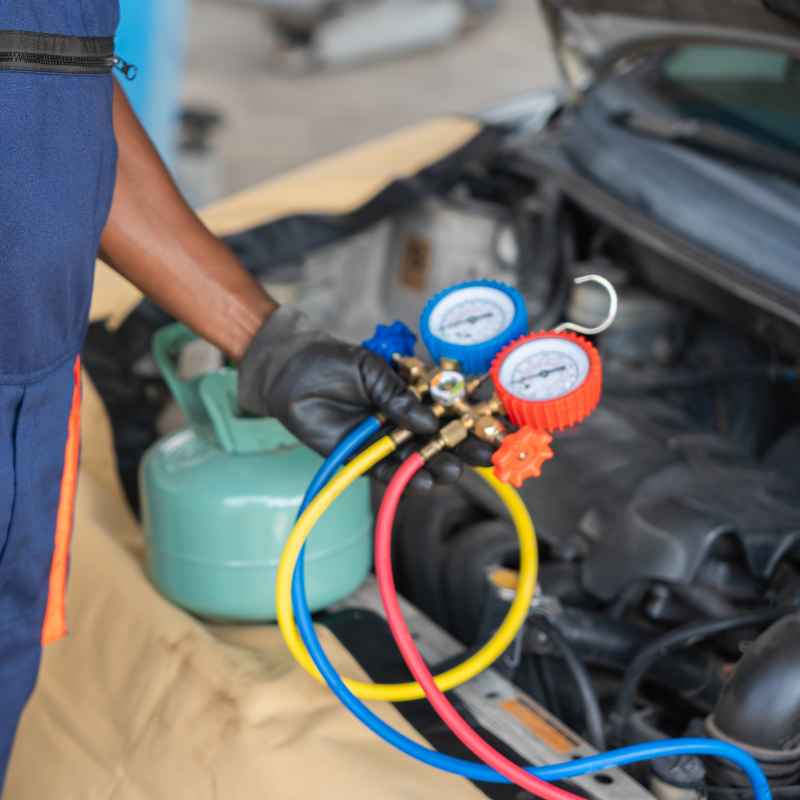
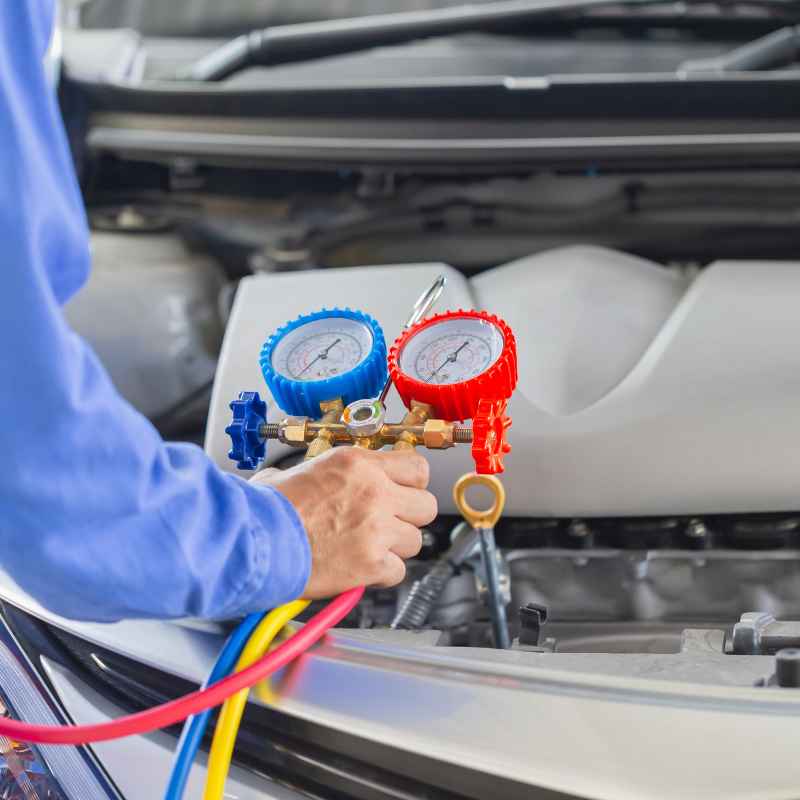
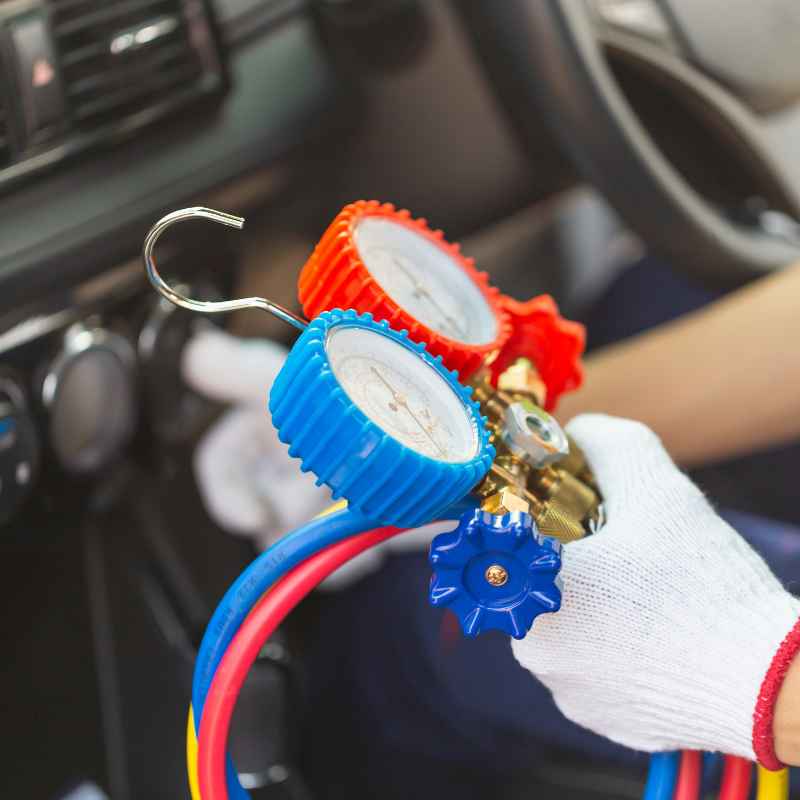
Tools and Technology: Modern car AC systems are complex. Mechanics need special equipment to test them. This includes manifold gauges, leak detectors, vacuum pumps, and refrigerant recovery machines.
The cost of these tools is factored into the diagnostic fee. Shops with newer, more advanced diagnostic tools might charge a bit more.
Location: Where you live matters. A diagnostic in a rural town might cost less than in a busy metropolitan area. The cost of living and doing business varies greatly across the United States.
This impacts the prices auto shops can charge.
Time of Year: Believe it or not, the season can sometimes play a role. During the peak summer months, AC repair shops are often swamped. Demand is high.
Some shops might adjust their prices slightly during these busy times. However, this is less common for the diagnostic fee itself and more for the overall service.
Type of Vehicle: While not always a huge factor for diagnostics, some luxury or specialized vehicles might have more intricate AC systems. This could potentially add a little to the diagnostic time if specialized knowledge or tools are needed. However, for most standard diagnostics, this is a minor point.
Shop Reputation: Well-known and highly-rated shops might charge a premium for their expertise and customer service. While you pay a little more upfront, you often get reliable service and a clearer diagnosis. It’s about finding a balance between cost and quality.
Diagnostic Policies: Some shops offer a flat fee for diagnostics. Others charge by the hour. A flat fee can give you more predictability.
An hourly rate means the cost could go up if the diagnosis takes longer than expected. Always clarify the shop’s policy upfront.
What Does a Car AC Diagnostic Involve?
A good mechanic will follow a systematic process. This ensures they don’t miss anything. Here’s a typical breakdown of what happens during an AC diagnostic:
Initial Inspection: The mechanic will first ask you about the problem. When did it start? What are the symptoms?
Do you hear any strange noises? Do you notice any leaks? They will then do a visual check of the AC system components.
This includes looking for obvious damage, loose hoses, or refrigerant leaks.
System Pressure Check: Using manifold gauges, the technician will measure the high and low-side pressures of the AC system. These readings tell a lot about the system’s overall health. Low pressures might mean low refrigerant.
High pressures could indicate a blockage or a problem with the compressor or condenser fan. Abnormal pressures are key clues.
Refrigerant Check: They will check the amount and condition of the refrigerant. If the system is low, they’ll need to find out why. Low refrigerant is usually a sign of a leak.
They will also check for contamination. Contaminated refrigerant can damage the system.
Component Testing: Each part of the AC system is tested. This includes the compressor, condenser, evaporator, expansion valve or orifice tube, and the blower motor. They’ll check if these parts are receiving power and operating correctly.
Electrical issues are common causes of AC failure.
Leak Detection: If a refrigerant leak is suspected, the mechanic will use special tools to find it. This can involve using an electronic leak detector that beeps when it senses refrigerant. Sometimes, UV dye is added to the system.
The dye, when mixed with refrigerant, will glow under a black light at the leak point.
Electrical System Check: The AC system relies on electrical power. The technician will test fuses, relays, switches, and wiring. A faulty sensor or a bad electrical connection can prevent the AC from working.
Blower Motor and Airflow Check: They will also check the blower motor. This is the fan that pushes the air through your car’s vents. They’ll ensure it’s working at all speeds.
They might also check cabin air filters. A clogged filter can severely reduce airflow.
Computer Scan (OBD-II): For newer cars, the mechanic will connect a diagnostic scanner to the car’s On-Board Diagnostics (OBD-II) port. This scanner can read trouble codes stored in the car’s computer. These codes can point directly to a problem with the AC system or related sensors.
Common AC System Parts
Compressor: The heart of the AC system. It pumps refrigerant through the system.
Condenser: Usually located in front of the radiator. It cools the hot refrigerant gas.
Evaporator: Located inside the dashboard. It absorbs heat from the cabin air, making it cold.
Expansion Valve/Orifice Tube: Controls the flow of refrigerant into the evaporator.
Receiver-Drier/Accumulator: Removes moisture from the refrigerant.
Refrigerant: The special fluid that circulates and cools the air.
Personal Experience: The Day My AC Went Silent
I remember one particularly sweltering July afternoon a few years back. The heat was relentless, clinging to everything. I was on my way to a client meeting, and I pushed the button to turn on my car’s AC.
Nothing. Just warm, humid air blowing through the vents. Panic started to set in.
I tried fiddling with the controls, hoping it was just a fluke. No luck. The fan was working, but the air coming out was hotter than the outside.
My brow started to bead with sweat. I pictured myself arriving at the meeting looking like I’d run a marathon. That’s when I pulled over at the nearest mechanic I knew.
I walked in, feeling a bit flustered, and explained the situation. The mechanic, a friendly guy named Mike, just nodded. He said, “Don’t worry, we’ll take a look.
AC issues are common this time of year.” He explained that the diagnostic fee would be $120, and if I decided to fix it there, that fee would go towards the repair. I agreed, and he led me back to his office while he started on my car.
Why is AC So Important in a Car?
Air conditioning in a car isn’t just about feeling cool. It plays a bigger role than many people realize. It affects your driving experience and even your health.
Comfort and Reduced Fatigue: On a hot day, a working AC makes the drive bearable. When the cabin is too hot, drivers can become uncomfortable and fatigued. This fatigue can slow reaction times.
A cool car helps you stay alert and focused on the road.
Improved Air Quality: Modern AC systems have filters. These filters can trap dust, pollen, and other pollutants. When you run the AC, you’re circulating cleaner air inside the car.
This is especially helpful for people with allergies or asthma.
Defogging Windows: AC systems are designed to dehumidify the air. This is crucial for defogging your windshield and windows. On humid or rainy days, fog can quickly obscure your vision.
Running the AC, even with the heat on, helps clear this fog much faster than just the fan alone.
Preventing Heatstroke: In extreme heat, a car can become a dangerous oven. Leaving children or pets in a hot car, even for a few minutes, can be deadly. A functioning AC helps keep the interior temperature at a safe level.
Quick Scan: Why Your AC Might Not Be Working
- Low Refrigerant: Usually due to a leak.
- Bad Compressor: The pump might be faulty.
- Electrical Issue: Blown fuse, bad relay, or wiring problem.
- Clogged System: A blockage preventing refrigerant flow.
- Cooling Fan Failure: The fan that cools the condenser isn’t working.
- Blend Door Actuator: Controls which air (hot/cold) mixes into the cabin.
When is the Diagnostic Fee Worth It?
Paying for a diagnostic is almost always the right first step. Think of it as an investment in getting your AC fixed properly. Here’s why it’s generally worth the cost:
Accurate Problem Identification: A skilled technician uses their expertise and tools to pinpoint the exact cause of the problem. This stops you from guessing or spending money on parts that aren’t needed.
Preventing Further Damage: Sometimes, a small AC issue can lead to bigger, more expensive problems if ignored. For example, a failing compressor might put strain on other parts. Diagnosing it early can prevent a domino effect of repairs.
Getting an Honest Repair Estimate: Once the problem is identified, the mechanic can give you a realistic estimate for the repair. You’ll know what parts are needed and how much labor will cost.
Understanding Your System: The diagnostic process can also educate you about your car’s AC system. You’ll learn what went wrong and how to potentially avoid similar issues in the future.
DIY vs. Professional: While some simple AC tasks might be DIY-friendly, most AC repairs require specialized tools and knowledge. Attempting a complex repair without the right expertise could cause more harm than good.
The diagnostic fee helps you decide if a DIY fix is even possible or if professional help is needed.
Myth vs. Reality: Car AC Myths
| Myth | Reality |
| “If the fan blows, the AC is fine.” | The fan only moves air. It doesn’t cool it. You need refrigerant and a working compressor for cooling. |
| “Just add more refrigerant. That’s all it needs.” | Adding refrigerant without finding the leak means the problem isn’t solved. Leaks also release harmful gases. |
| “AC systems don’t need maintenance.” | Like other car systems, AC needs checks. Refrigerant levels can drop, and parts can wear out. |
Average Cost Breakdown: What You’re Paying For
Let’s break down where that diagnostic fee typically goes. It’s not just the mechanic’s time, although that’s a big part.
Technician’s Labor (Estimated 1-2 Hours): This is the core of the fee. A skilled technician spends time inspecting, testing, and diagnosing. Their expertise is valuable.
Diagnostic Tools & Equipment: Access to expensive tools like manifold gauges, leak detectors, and OBD-II scanners is essential. The shop’s investment in these tools is covered partly by the diagnostic fee.
Shop Overhead: This includes rent, electricity, insurance, and other operational costs. A portion of the diagnostic fee helps keep the lights on and the shop running.
Knowledge & Training: Mechanics undergo continuous training to keep up with new automotive technology. This ensures they can diagnose modern, complex systems correctly.
Potential Minor Supplies: Sometimes, small amounts of refrigerant or a quick test component might be used during the diagnosis itself. These minor costs are also factored in.
Quick Fixes & Tips for AC Issues
- Check Fuses: A blown fuse for the AC system is a common and easy fix.
- Replace Cabin Air Filter: A dirty filter restricts airflow and reduces cooling.
- Run AC Regularly: Use your AC at least once a month, even in winter. This keeps seals lubricated.
- Park in Shade: Less direct sun means a cooler car interior to start with.
- Don’t Expect Instant Cold: It takes a few minutes for the AC to cool down a hot car.
Real-World Scenarios & How They Affect Cost
Let’s look at a few common scenarios and how they might play out regarding diagnostic costs.
Scenario 1: The Simple Leak
You notice your AC isn’t as cold as it used to be. You take it in, and the mechanic uses a leak detector. They find a small leak in a hose O-ring.
The diagnostic might take an hour. The fee is around $100-$150. Repair is replacing the O-ring and recharging the system.
Scenario 2: Electrical Gremlins
Your AC suddenly stopped working. The fan doesn’t even come on. The mechanic suspects an electrical issue.
They might spend 1.5-2 hours checking wiring diagrams, fuses, relays, and the control module. This could push the diagnostic cost to the higher end, maybe $150-$200. The problem could be a simple $5 fuse or a complex module failure.
Scenario 3: The Mysterious Compressor Issue
You hear a loud grinding noise when you turn on the AC, and it blows warm. The mechanic suspects the compressor. Diagnosing a compressor involves checking its clutch, its operation, and system pressures.
This can take around 1.5 hours. The diagnostic fee would be standard, but the compressor replacement itself is a major, expensive repair.
Scenario 4: Contaminated System
Someone tried to “fix” the AC by adding Freon from a can, but it didn’t work. Now the AC is completely dead. The mechanic will need to drain the system, flush it to remove contaminants, and then recharge it.
The diagnostic itself might be standard, but the flushing process adds significant time and cost to the repair.
Observational Flow: What Happens When AC Fails
Step 1: Notice it’s not cold. Air feels warm or just like outside.
Step 2: Check basic settings. Ensure AC is on and temperature is set low.
Step 3: Listen for sounds. Is the compressor clutch engaging? Any strange noises?
Step 4: Observe airflow. Is the fan blowing strongly, or is it weak?
Step 5: Seek professional diagnosis. A mechanic uses tools to find the root cause.
Step 6: Get repair estimate. Based on the diagnosis, a repair plan and cost are provided.
Step 7: Authorize repair. Approve the work to get cool air back.
What This Means for You: When to Worry and When Not To
It’s normal for car AC systems to need attention now and then. They are complex and work hard, especially in hot weather. Understanding what’s normal can save you worry.
When it’s Normal:
Slightly less cold air in extreme heat: If the outside temperature is over 100°F, your AC might struggle a bit more to keep the cabin at 70°F. It’s working hard!
AC not blowing cold immediately: When the car has been sitting in the sun, it takes a few minutes for the AC system to cool down the hot air inside the cabin. This is normal.
Occasional weak airflow: If the airflow seems a little weaker than usual, it could simply be a dirty cabin air filter, which is easy to replace.
Using AC in winter for defogging: It feels odd, but running the AC with the heat on in winter helps dry the air and clear foggy windows faster. This is by design.
When to Worry (and Get a Diagnostic):
No cold air at all: If you turn on the AC and get only warm or hot air, something is definitely wrong.
Strange noises: Grinding, squealing, or rattling sounds from the AC system are usually bad signs. These could indicate a failing compressor or a loose belt.
AC cycles on and off rapidly: If the compressor clutch engages and disengages very quickly, it suggests a pressure issue, possibly low refrigerant or a faulty sensor.
Visible leaks: Seeing oily residue or puddles under your car near the AC components often means a refrigerant leak.
Musty or moldy smells: While sometimes related to moisture, a persistent bad smell can indicate mold growth in the evaporator core, which needs professional cleaning.
AC works sometimes, not others: This inconsistency often points to an electrical problem or a component that’s failing intermittently.
Simple Checks You Can Do:
Before you even schedule a diagnostic, you can do a couple of quick checks:
Check your fuses: Locate your car’s fuse box (check your owner’s manual) and look for fuses labeled “AC,” “Climate Control,” or similar. See if any are blown.
Inspect the cabin air filter: This is often behind the glove box. If it’s packed with dirt and debris, replacing it can improve airflow.
Look for obvious damage: Are any AC hoses kinked or cracked? Is the condenser fan spinning when the AC is on?
Split Insight Panel: Refrigerant Handling
Label: Why DIY Refrigerant Cans Can Be Risky
Note: While readily available, topping off refrigerant yourself can be problematic. If you overcharge the system, you can cause damage. If you don’t find the leak, the refrigerant will escape again, contributing to ozone depletion.
Professional recovery and recharging is safer and more effective.
Quick Fixes & Tips for AC Issues
While a full diagnostic is often needed, here are some tips and potential “fixes” that might help or at least provide temporary relief, or things to consider once the diagnostic is done.
1. The Importance of Regular Maintenance:
This isn’t a quick fix, but it’s the best preventative measure. Have your AC system checked annually, especially before summer. This includes checking refrigerant levels, looking for leaks, and inspecting belts and hoses.
Many shops offer AC service specials.
2. Clean the Condenser:
The condenser sits at the front of your car, usually in front of the radiator. It needs good airflow to work. If it’s covered in bugs, leaves, or road grime, it can’t dissipate heat effectively.
You can carefully spray it with a hose from the back to dislodge debris. Be gentle not to bend the fins.
3. Check for Obvious Leaks (Visual):
Look around the AC lines and compressor. Sometimes you can see oily residue. This oil is usually mixed with refrigerant, indicating a leak.
Don’t try to seal it yourself; this is a sign for a professional diagnostic.
4. Recharge Kits (Use with Caution):
These kits, sold at auto parts stores, can add refrigerant. They often include a gauge. If your system is simply low on refrigerant (and you’ve addressed the leak), this can temporarily restore cooling.
However, it’s crucial to use the correct type of refrigerant for your car and to monitor the gauge carefully. Overcharging is dangerous. If you’re unsure, skip this and get a proper diagnostic.
For many modern cars, these kits are not recommended due to complex systems.
5. Ensure the Compressor Clutch Engages:
With the engine running and AC turned on, look at the front of the AC compressor pulley. The center part (the clutch) should engage and spin with the pulley. If it doesn’t, there’s an electrical or pressure issue preventing it from turning on.
6. Consider a Professional AC Flush:
If your AC system has had issues, or if a contaminant is suspected, a flush removes old refrigerant and any debris. This is usually done as part of a repair after a diagnostic.
Quick Scan: What Affects Repair Cost (Beyond Diagnostic)
- Part Cost: Compressors, condensers, and evaporators are expensive.
- Labor Time: How long the repair takes.
- Refrigerant: The cost of new refrigerant.
- System Flush: If needed to clean contaminants.
- Additional Parts: O-rings, seals, receiver-drier.
Frequently Asked Questions About Car AC Diagnostics
How long does a car AC diagnostic usually take?
A typical car AC diagnostic takes between 1 to 2 hours. Some complex issues might require a bit more time for thorough testing and pinpointing the exact problem. The mechanic will usually give you an estimate when you drop off your car.
Can I just add refrigerant myself instead of getting a diagnostic?
While you can buy DIY refrigerant recharge kits, it’s generally not recommended as a substitute for a proper diagnostic. If your system is low on refrigerant, there’s usually a leak that needs to be found and fixed. Adding refrigerant without fixing the leak is a temporary solution and can sometimes lead to further damage or environmental harm.
Will the diagnostic fee be applied to my repair cost?
Many repair shops will apply the diagnostic fee towards the total cost of the repair if you choose to have the work done at their facility. It’s always best to confirm this policy with the shop when you book your appointment or drop off your vehicle.
What if the mechanic finds multiple problems during the diagnostic?
If multiple issues are found, the mechanic should present you with a detailed report of each problem, along with an estimated cost for each repair. You can then decide which repairs you want to authorize. You are not obligated to fix everything at once.
Why is my car AC not as cold when I’m driving slow or stopped?
This is often related to airflow. The AC system relies on air passing over the condenser to cool the refrigerant. When you’re stopped or moving slowly, there isn’t enough natural airflow.
A properly functioning cooling fan in front of the condenser should compensate for this. If it doesn’t, the fan itself or its power source might be the issue.
How much does it cost to fix a car AC leak?
The cost to fix an AC leak varies greatly. It depends on where the leak is located and how difficult it is to access. Simple fixes like replacing an O-ring might cost $100-$200 total.
More complex leaks in hoses, the condenser, or evaporator can easily cost $400-$1000 or more, including parts, labor, and refrigerant recharge.
Conclusion
Getting your car’s AC system diagnosed is a crucial step. While the diagnostic fee itself might seem like an added expense, it’s an essential investment. It ensures you get an accurate assessment of the problem.
This prevents wasted money on guesswork repairs. Understanding the factors that influence the cost helps you prepare. Most importantly, it gets you back to enjoying a cool, comfortable ride.
Don’t let a warm car ruin your day!
Products related to this article
Sponsored / affiliate links. As an Amazon Associate I earn from qualifying purchases. I may earn additional commission from eligible campaigns.