How Much Does a Car Diagnostic Test Cost? Prices & Fees
A car diagnostic test usually costs around $100 to $200, though a simple code scan may be free or low-cost, and a fuller diagnosis or dealership-level test can cost noticeably more. Skipping the right level of testing can turn a small fault into a bigger repair bill, or leave you paying for parts you did not need. This guide explains what you are paying for, when a scan is enough, and how to judge a repair estimate before you approve it.
This guide is part of our Car ownership essentials series.
How much does a car diagnostic test cost?
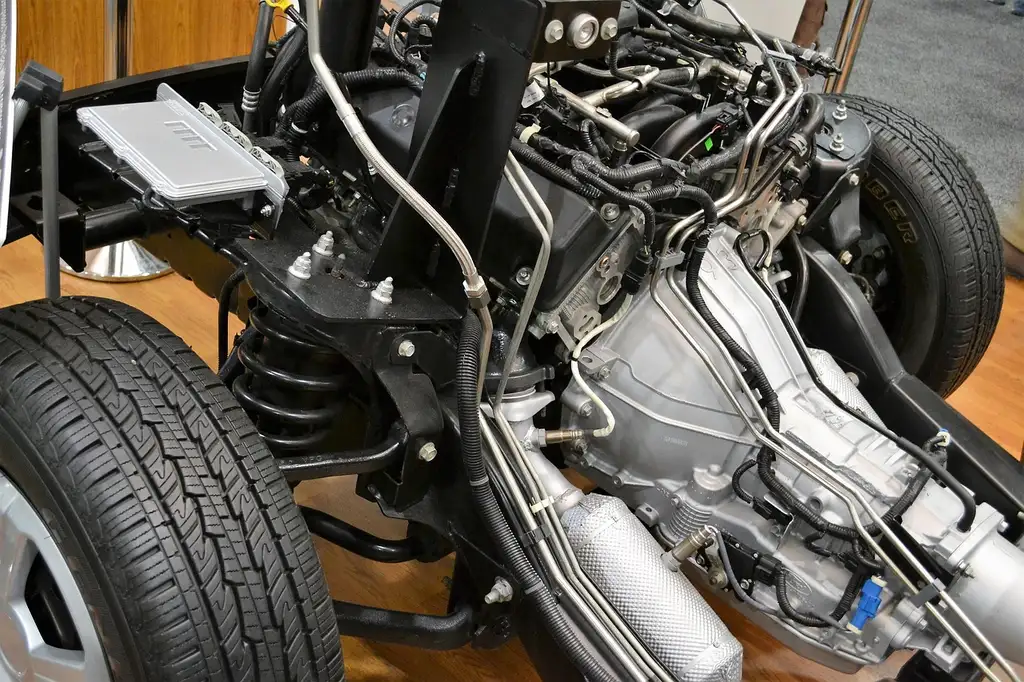
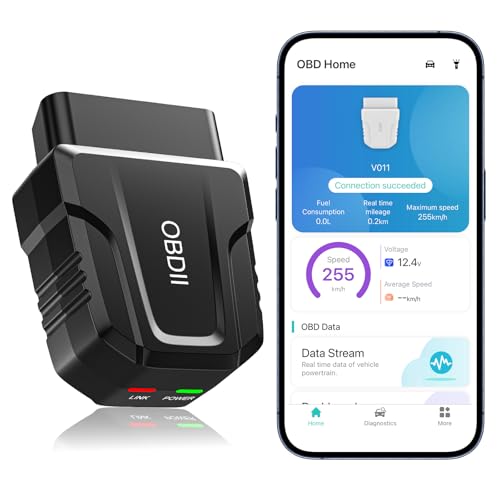

Most independent shops charge $50 to $150 for a diagnostic test. Dealership service departments often charge $100 to $400 or more. The fee usually tracks technician labor time, not a fast code read, so the bill depends on how far the testing has to go.
A basic scan can be cheap. A real diagnosis takes longer. That difference matters because a stored code may point to a system, not a failed part.
Typical price ranges at independent shops
An independent mechanic usually offers the lowest paid diagnostic price because overhead is lower than at a dealership. Many shops also credit the diagnostic fee toward repairs if you approve the work, which can soften the sting of paying twice for the same visit.
What dealerships usually charge
Dealership service departments charge more because they often use brand-specific tooling and software, and their labor rates are higher. That extra cost can make sense for newer, premium, European, or hybrid vehicles when the fault may involve module-level testing or manufacturer procedures.
Why the same problem can cost different amounts to diagnose
The fault matters. A loose gas cap and a no-start condition do not demand the same testing depth. The same check engine light can mean a quick scan on one car and a longer electrical search on another, especially when the symptoms are intermittent.
What are you actually paying for in a diagnostic fee?
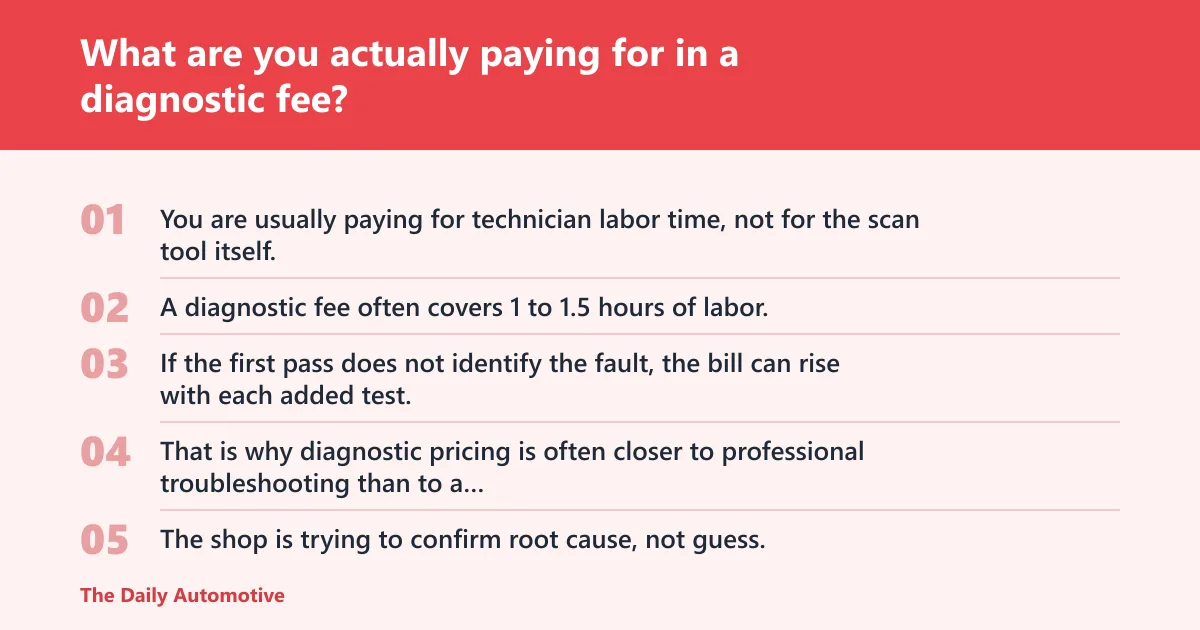
You are usually paying for technician labor time, not for the scan tool itself. A diagnostic fee often covers 1 to 1.5 hours of labor, and the fee covers 60 to 90 minutes of technician labor. If the first pass does not identify the fault, the bill can rise with each added test.
That is why diagnostic pricing is often closer to professional troubleshooting than to a simple service charge. The shop is trying to confirm root cause, not guess.
Technician labor time and flat-rate pricing
Many shops price diagnostics in flat-rate blocks because time is the real cost driver. A short scan may take minutes, but a full circuit check, duplicate test, or road test can take much longer. The more intermittent the complaint, the more labor the shop may need.
OBD-II scan tools, live data, and code interpretation
Technicians connect an OBD-II scanner to the diagnostic port under the dashboard to read stored trouble codes. Those diagnostic trouble codes, or DTCs, tell the shop where to start, but they do not necessarily identify the failed part.
A full diagnostic adds live data monitoring. That can include oxygen sensor readings, coolant temperatures, engine RPMs, and throttle response. Comparing those readings with the symptom helps separate sensor faults from wiring or fuel issues.
Pinpoint testing, wiring checks, and relay testing
When a code alone cannot confirm the fault, the tech moves to pinpoint testing. That can include circuit probing and relay testing. It adds labor time to the diagnostic fee, but it is often the only way to prove whether the problem is in the component, the wiring, or the control side.
When smoke testing adds to the bill
A smoke test is another added method. It is often used for vacuum leaks, evaporative emissions faults, or hard-to-confirm leaks in intake or EVAP plumbing. If the symptom needs that step, expect the total testing cost to rise.
What is the difference between a free code scan and a full diagnostic?
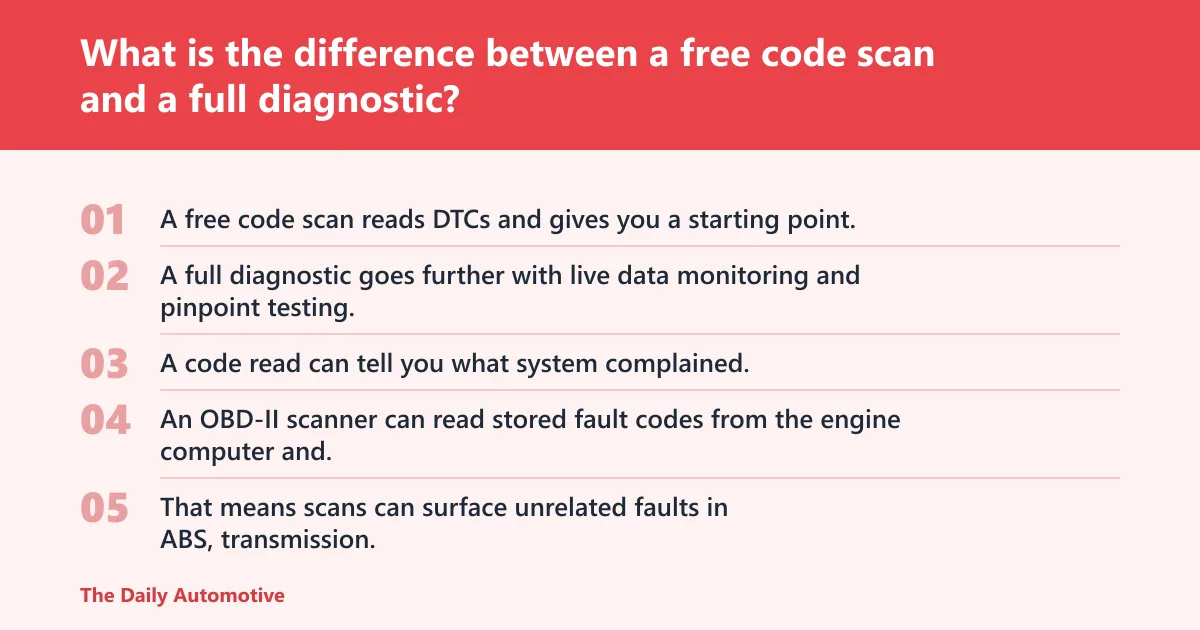
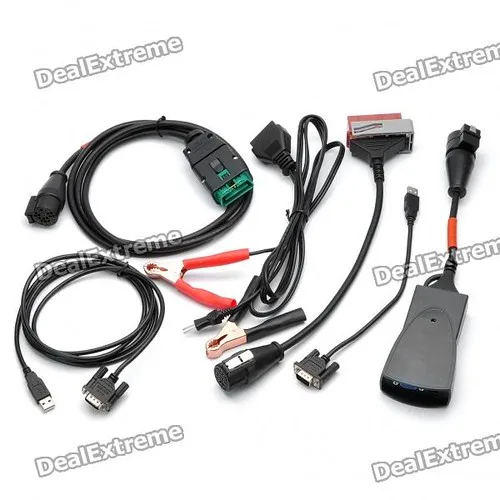
A free code scan reads DTCs and gives you a starting point. A full diagnostic goes further with live data monitoring and pinpoint testing, which is why it costs more. A code read can tell you what system complained; a diagnosis tries to prove why it complained.
That difference is easy to miss. A code is a clue, not a verdict.
What an OBD-II scanner can tell you
An OBD-II scanner can read stored fault codes from the engine computer and, on many vehicles, from vehicle control modules beyond the engine system. That means scans can surface unrelated faults in ABS, transmission, and electrical systems as well as powertrain issues.
Why a diagnostic trouble code rarely names the failed part
A DTC may point to a circuit, sensor range, or performance problem without naming the exact cause. A misfire code, for example, can come from ignition, fuel delivery, compression, wiring, or even an intake leak. That is why parts swapping based on one code often wastes money.
When a free scan is enough to plan next steps
A free scan is usually enough when the car is drivable and you mainly want a first look at the check engine light or malfunction indicator lamp. It is less useful when the issue is intermittent, safety-related, or tied to a system that needs deeper testing before replacement parts are approved.
Which symptoms usually need a deeper diagnosis?
Some complaints are simple. Others need more than a code read. Check engine lights tied to drivability, no-start conditions, battery drain, ABS warnings, transmission faults, and electrical problems often need live data, circuit checks, and more labor than a basic scan.
Check engine light and driveability faults
The check engine light is the most common starting point for diagnostics. If the engine runs rough, hesitates, stalls, or loses power, the shop may need live data and test drives to see whether the fault appears under load, at idle, or only when hot.
No-start and battery drain complaints
No-start issues often need more than a scanner because the problem may be cranking, charging, fuel delivery, or security related. Battery drain complaints can require parasitic draw testing and fuse-by-fuse checks, which are time-heavy and easy to misdiagnose if rushed.
ABS, transmission, and electrical problems
ABS and transmission issues often involve control modules, wiring, and manufacturer-specific codes. Electrical faults can be the hardest of all because a bad ground, corroded connector, or failing relay may mimic a bad part. Those jobs usually justify a paid diagnosis rather than a free scan.
Misfire, fuel, and sensor-related issues
Misfire complaints often need fuel trims, ignition testing, and live data. Fuel and sensor faults may need pressure checks, airflow comparison, or temperature validation. The more the symptom depends on real-time readings, the less useful a quick code pull becomes.
Say your compact car flashes the check engine light on the highway and stores a misfire code. A free scan may identify the cylinder, but a full diagnosis may still be needed to check fuel delivery, ignition, or compression before you replace parts.
Suppose your SUV keeps draining the battery overnight. A parts store code read may show nothing useful, because the real fault could be a module staying awake. That usually calls for longer electrical testing, not a simple scan.
Diagnostic cost decision table: which test depth do you need?
Use the symptom, not just the warning light, to choose the right level of testing. The table below maps common complaints to likely test depth, expected labor hours, and the shop type that usually makes the most sense.
| Symptom type | Likely test depth | Expected labor hours | Best shop type for the job |
|---|---|---|---|
| Check engine light with no drivability change | Free code scan or short paid scan | 0 to 0.5 | Auto parts store or independent shop |
| Intermittent misfire or rough idle | Full diagnostic with live data and pinpoint testing | 1 to 1.5 | Independent shop |
| No-start, crank-no-start, or hard start | Full diagnostic, possibly fuel, spark, and security checks | 1 to 2+ | Independent shop or dealer if brand-specific |
| Battery drain overnight | Electrical draw testing and circuit isolation | 1.5 to 3+ | Independent electrical specialist or dealer |
| ABS warning or stability control fault | Module scan plus sensor and wiring checks | 1 to 1.5+ | Independent shop or dealership |
| Transmission warning or shifting problem | Module scan, live data, and pressure or circuit checks | 1 to 2+ | Dealer for brand-specific faults, otherwise independent shop |
| Vacuum leak or EVAP leak suspicion | Full diagnostic plus smoke test | 1 to 2+ | Independent shop or dealer |
Why do dealerships charge more than independent mechanics?
Dealerships charge more because they often have brand-specific software, special tooling, and higher labor rates. Independent mechanics usually charge less than dealerships, and many can handle common engine, brake, and electrical faults at a lower diagnostic price.
Dealer diagnostics can still be the right call for complex vehicles or faults that depend on factory-level scan access. That includes some hybrid, premium, and European models, where module programming or brand procedures may matter.
Brand-specific software and tooling
Some faults need manufacturer software to see detailed module data, run guided tests, or perform component activation. That is especially true when several vehicle control modules are involved. If a generic scanner cannot access the needed data, the dealership may be the faster path.
Higher labor rates and overhead
Higher overhead pushes the price up. The same hour of labor costs more at a dealer service department than at many independent shops, so a diagnostic that needs 90 minutes can jump quickly once the rate changes.
When dealer diagnostics may be worth the extra cost
If the vehicle is under warranty, has repeated module faults, or needs brand-specific testing, the dealer fee may save money by avoiding guesswork. The extra cost can also make sense when previous repairs failed and the fault is still unresolved.
How much does a car diagnostic test cost uk
In the UK, the same labor-based logic applies. The exact price varies by region, VAT treatment, and whether you are at an independent garage or a main dealer, but the real cost still depends on labor time, scan depth, and whether the shop must move beyond a simple code read.
If you are comparing quotes in the UK, ask whether the price includes a code scan only or a full diagnosis with live data and pinpoint testing. That question matters more than the headline number.
How much should a car diagnostic test cost
A fair price is the one matched to the job. For a basic check engine light with no other symptoms, a free or low-cost scan may be enough to decide next steps. For a rough idle, no-start, transmission complaint, or electrical issue, paying for a full diagnostic is usually the better value.
Many shops credit the diagnostic fee toward repairs when approved, so ask about that before you agree to testing. If the shop says the fee is not credited, make sure you know what labor and testing steps are included.
Frequently asked questions
how much does a car diagnostic test usually cost
Most independent shops charge $50 to $150 for a diagnostic test, while dealership service departments often charge $100 to $400 or more. The price depends on labor time, how much live data the technician must review, and whether the shop needs further pinpoint testing.
how much does a car diagnostic cost
For a simple fault, the cost may stay near a basic scan fee. For a deeper diagnosis, expect a labor-based charge that often covers 1 to 1.5 hours of technician time. Complex ABS, transmission, or electrical faults can cost more because they need longer testing.
how much does it cost to have a car diagnosed
Having a car diagnosed usually means paying for troubleshooting, not just a code read. A free scan may be enough for a first look, but a full diagnosis can add live data monitoring, wiring checks, and relay testing, which is why the price rises with complexity.
how much does it cost for a diagnostic test on a car uk
UK pricing follows the same structure: a short code scan costs less than a full diagnosis, and main dealers usually charge more than independent garages. Ask whether VAT is included and whether the fee covers live data and testing, not only stored fault codes.
how much does a diagnostic test cost
A diagnostic test commonly costs more than a scan because it is a labor service. The shop is paying for the technician’s time to confirm the root cause, and that may include an OBD-II scanner, live data review, circuit probing, and smoke testing if needed.
TestMu AI (Formerly LambdaTest) Plans and Pricing — What does a test automation cloud cost, and what exactly are you paying for?
This is a different product category, but the pricing logic is similar: the headline fee usually covers access, usage limits, and infrastructure, while deeper testing or higher-volume use can cost more. As with car diagnostics, the key question is what the price actually includes.
Products related to this article
Sponsored / affiliate links. As an Amazon Associate I earn from qualifying purchases. I may earn additional commission from eligible campaigns.