How Do I Buy a Car From IAAI: Proven Essential Steps
To buy a car from IAAI (Insurance Auto Auctions), you generally need a licensed broker or dealer unless you qualify for specific programs, as public access is limited. The essential steps involve registration, finding a vehicle, using your chosen buyer type, placing a bid, and completing the purchase and title transfer through your licensed partner.
Buying a vehicle from an auction like IAAI can seem tough when you are new to the process. Many people are excited about finding great deals on cars—even ones that need minor fixes. However, auction sites often have confusing rules, especially when you can’t attend in person. It feels frustrating when you want a specific vehicle but don’t know the exact path to buy it legally and safely.
Do not worry! As your automotive guide, I will break down the entire process of buying from IAAI into simple, easy-to-follow steps. We will cover everything from understanding who can buy to getting the keys in your hand. Let’s start turning confusion into confidence so you can successfully navigate IAAI.
Why Choose IAAI for Buying a Vehicle?
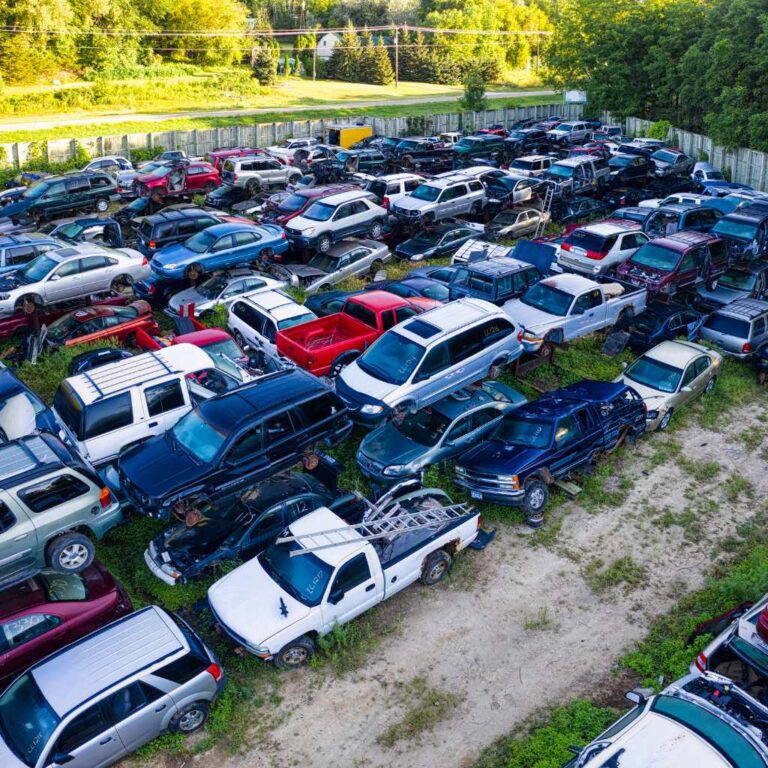
Insurance Auto Auctions (IAAI) is one of the largest salvage and clear-title vehicle auction companies globally. People look toward IAAI often because they offer inventory that you simply cannot find at a standard used car lot. This inventory primarily comes from insurance total-loss claims, rental companies, donations, and fleet sales.
The Appeal of Auction Cars
For the everyday driver looking to save money or someone wanting a project car, IAAI presents unique opportunities. Here is what draws many buyers in:
- Lower Initial Prices: Vehicles often sell for significantly less than retail value, even if they only have minor damage.
- Variety of Inventory: You can find everything from late-model sedans to heavy equipment.
- Access to Salvage Titles: If you are a licensed rebuilder or mechanic, salvage titles offer parts vehicles or vehicles for repair and resale.
Understanding Auction Types: Public vs. Licensed Buyers
This is the most important first piece of information when asking, “how do I buy a car from IAAI?” IAAI, like many major auto auctions, restricts direct sales to the public for many vehicle types, especially those with salvage titles. This is due to licensing requirements and insurance regulations. Most vehicles are sold to licensed businesses.
For beginners, this means you usually need to work through a middleman. You have two main paths:
- Licensed Buyers: These are auto dealers, dismantlers, recyclers, or rebuilding businesses that have the required state and IAAI licenses. They can bid directly on almost any vehicle.
- Public Buyers (Using a Broker): If you do not have a dealer license, you must partner with a licensed broker or consignment seller who is authorized to bid on your behalf. They handle the licensing paperwork, bidding process, and often the title transfer for a fee.
Safety Tip: Never try to bid on a vehicle without understanding the titling laws in your state or country. A properly handled title is essential for legally registering and insuring your purchase.
Step 1: Determine Your Buyer Status and Registration Needs
Before you even look at a car, you must know how you are legally allowed to buy it. This step saves time and disappointment later on.
Option A: Finding a Licensed Broker or Partner
For most beginners, this is the necessary route. A broker acts as your licensed representative.
- Search Locally: Look for established licensed auto dealers or specialty auto brokers who openly advertise their IAAI bidding services. Check online forums or local business directories.
- Verify Credentials: Ask the broker about their experience with IAAI purchases and their fee structure. Ask for references from previous clients.
- Understand the Agreement: Read the contract carefully. It should clearly state the fees for service, buyer fees, and what happens if you win the bid.
Option B: Getting Your Own License (For Advanced Users)
If you plan to buy frequently or run a business, you might pursue state licensing. This path is complex and heavily regulated.
- Research your state’s Department of Motor Vehicles (DMV) or equivalent licensing board requirements for an auto dealer license.
- You will likely need a dedicated business location, a surety bond, and to pass required exams.
- Once licensed by the state, you must apply for an IAAI Buyer Badge using your official documentation.
For the purpose of this guide, we will assume you are working with an authorized broker or licensed partner, as this is the most common route for the general public.

Step 2: Registering and Setting Up Your Account
Once you have a broker arrangement, your representative will handle the main IAAI registration, but you must provide necessary documentation to them.
If you are a licensed buyer registering directly:
- Create an Account: Visit the official IAAI website and navigate to the registration page.
- Provide Documentation: You will upload copies of your state license, federal tax ID (like an EIN), and proof of business insurance.
- Pay Fees: IAAI charges annual membership/registration fees. These are separate from the fees paid to your broker.
- Receive Buyer Badge: After verification, you receive access levels based on your badge type (e.g., showing a “Broker” badge allows access to certain sales).
Key Point: When using a broker, you are usually only required to complete a simple service agreement and pay their upfront deposit or fee, not the full IAAI license application.
Step 3: Navigating the IAAI Website and Inventory Search
The IAAI website is your marketplace. Learning to search efficiently is crucial because thousands of cars are listed daily.
Essential Search Filters
Use the filters wisely to narrow down the massive inventory to vehicles that fit your needs and budget. Focus on these critical filters:
- Location/Branch: Choose branches near you to minimize transport costs.
- Vehicle Status/Title Type: Filter for titles you are legally allowed to register (e.g., Clean Title, Salvage Title, Junk). Be extremely cautious with non-clean titles unless you know rebuild laws.
- Damage Type: Filter by primary damage (e.g., Flood, Hail, Mechanical).
- Drivability: IAAI often notes if a vehicle starts or runs, though this is not a guarantee of perfect running order.
Understanding Vehicle Condition Codes
The condition code is auction shorthand. As a beginner, you must know what these mean before bidding. Here are a few common ones:
| IAA Code | Meaning | Beginner Advice |
|---|---|---|
| A | Runs and drives (Generally better condition) | Good starting point for cosmetically newer vehicles. |
| S | Stationary (Doesn’t run on its own power) | Requires mechanical work or towing. Bid cautiously. |
| X | Parts Only (Often severely damaged or missing major components) | Avoid unless you are strictly buying for parts recovery. |
| C | Clean Title (May still have damage, but the title is clear) | Often the safest bet for street-legal resale/personal use. |
Always cross-reference the IAAI listing with the National Motor Vehicle Title Information System (NMVTIS) if possible, especially for vehicles with unclear histories. You can check NMVTIS status through various third-party services using the VIN.
Step 4: Inspecting the Vehicle (Virtually)
Since you usually cannot physically walk the IAAI lot as a public buyer, you rely heavily on the provided photos and data. This step requires careful scrutiny.
Analyzing Photos
IAAI provides multiple high-resolution photos. Do not skip any of them:
- Exterior Angles: Look for panel gaps, inconsistent paint, and damage location.
- Interior: Check for excessive wear, mold (indicating flood damage), or missing components like airbags or dashboards.
- Engine Bay: Look for visible fluid leaks, missing battery, or major corrosion.
- Odometer/Dash: Verify the mileage displayed if the key is present. Note if the airbag or check engine lights are on when the photo was taken.
Crucial Documentation Check
Review the following documentation provided in the listing:
- Damage Report: This detailed report explains why the car was totaled by the insurance company (e.g., $5,000 repair estimate for hail damage).
- Key Status: Does the listing say “Keys Present”? If not, expect extra costs ($100–$500+) to replace factory keys and reprogramming services.
- Drivability Notes: Pay close attention to notes like “Engine Block Cracked” or “Transmission Issues.”
If you are buying a vehicle with significant damage or a high risk (like a flood vehicle), consider that you might need specialized repair knowledge. For reliable daily driving, stick to lighter damage categories or “Clean Title” inventory when possible.
Step 5: Determining Your Bid Limit and Fees
This is where many beginners lose money—by forgetting about the extra costs on top of the winning bid price (the hammer price).
Calculating the True Cost of the Purchase
The price you see at auction is NOT the final price. You must calculate the total delivered project cost. Remember, your broker will charge their fees on top of IAAI’s required fees.
Here is a breakdown of potential charges:
| Fee Type | Who Charges It? | Typical Range (Approximate) |
|---|---|---|
| Hammer Price | Winning Bid Amount | Variable (The actual vehicle cost) |
| IAAI Buyer Fee | IAAI (Based on vehicle sale price) | Can range from $50 to $700+ |
| IAAI Administrative Fee | IAAI | Usually $30–$60 |
| Broker Service Fee | Your Partner | Flat fee or percentage of hammer price (Varies widely) |
| Towing/Storage Fees | IAAI/Broker (If not picked up quickly) | Daily charges after 2-3 days free storage |
| Transportation Fee | Broker | Cost to move the car from the auction yard to your location or a local shop. |
Discuss this total cost structure upfront with your broker. Always calculate your maximum “All-In” budget before the auction begins.
Setting Your Maximum Bid
Based on market research (check sites like Kelley Blue Book or NADA Guides for comparable, clean-title vehicles), determine the absolute maximum you are willing to pay for that specific vehicle after repairs and resale, then subtract a safety margin. Never get swept up in the bidding excitement.
Step 6: Bidding Strategy at IAAI
IAAI auctions run live, often on specific days and times depending on the inventory type. Your broker will manage the actual bidding process based on instructions you provide.
Bidding Methods
Most non-licensed buyers participate through their broker via:
- Sealed Bids (Pre-Bidding): You place your maximum bid before the live auction starts. If your bid meets or beats the minimum required opening bid, you are entered into the running.
- Dashboard Bidding: Your broker logs into the live auction portal during the sale and enters bids in real-time, reacting to rising prices.
The Broker’s Role in Bidding
A good broker advises you during the live session:
- If the price creeps too high, they should stop bidding immediately when you hit your preset limit.
- They understand the auction dynamics and typically won’t “overpay” based on initial excitement.
Remember: When you win a bid, the sale is final. There are no cooling-off periods or returns at IAAI, reinforcing the need to pre-inspect thoroughly.
Step 7: Payment and Finalizing the Purchase
Congratulations! You won the auction. Now, speed is essential. Delays can result in steep storage fees or the auction cancelling your sale.
Timeline for Payment
You typically have a very short window to pay the full remaining balance (Hammer Price + all IAAI fees).
- Notification: IAAI will notify your broker immediately of the winning amount and due date.
- Deposit/Transfer: You must quickly transfer the required funds to your broker (usually via wire transfer or certified funds, depending on their rules).
- Broker Pays IAAI: The broker then pays IAAI within the required time frame (often 24–72 hours). If the broker pays late, late fees kick in.
Make sure you have your financing ready before you place the winning bid. Auction payments are non-negotiable regarding deadlines.
Step 8: Title Transfer and Vehicle Retrieval
This is often the most complicated step, especially with salvage titles. Your broker’s expertise is vital here.
The Title Management Process
If the vehicle has a Clean Title, the original title document will be released after IAAI receives payment from your broker.
If the vehicle has a Salvage Title (or similar non-retail paperwork), the title processing involves:
- IAAI sends the title paperwork to your licensed broker.
- Your broker must then coordinate with your specific state’s DMV to apply for a “Rebuilt” or “Salvage Rebuilt” title, depending on local laws. This usually requires passing a state inspection demonstrating roadworthiness (where rebuilt titles are permitted).
- If you are an out-of-state buyer, the title must be sent to your local jurisdiction for processing.
For more information on different state titling requirements, you can review general guidelines published by federal agencies like the National Highway Traffic Safety Administration (NHTSA), though specific DMV contact is always best for local processing: NHTSA Official Website.
Picking Up the Car
Once IAAI confirms payment and the title work is underway (sometimes even before the physical title arrives, depending on broker agreements), you can schedule pickup.
- Schedule Pickup: Coordinate with the IAAI branch location to pick up the vehicle during their operational hours.
- Required Documents: You or your tow operator generally need a Bill of Sale/Proof of Purchase from the broker, and potentially the signed title itself if you are taking it directly.
- Towing: Unless the car is drivable (and insured), you must arrange a flatbed tow truck pickup. Auction yards often charge a fee if specialized towing is required or if you arrive without proper notice.
Ensure your tow operator has the correct paperwork to collect the vehicle from the yard. Vehicle retrieval deadlines are strict!
Tips for Beginner IAAI Buyers
To help you navigate this process with added confidence, here are a few practical tips synthesized from years of auction navigation:
Do Your Homework Before You Bid:
- Research Repair Costs: If a car has damage, get estimates from a local mechanic before the auction for the necessary repair. Does the potential savings outweigh the repair bill?
- Local Registration Laws: Check your state’s exact rules on registering salvage titles. Some states make it nearly impossible for private citizens to register salvaged vehicles for street use.
- Understand Depreciation: Even if you fix a car perfectly, a vehicle that once held a salvage title may still have lower resale or trade-in value than a clean-title equivalent.
Budgeting and Contingency Planning:
- Always budget 20% more than your maximum “All-In” price for unexpected costs (keys, hidden issues, immediate tire replacement, rushed title fees).
- Never bid on a car you haven’t seen a high volume of photos for, unless it is a very well-known inventory type where minor damage is expected.
- If you are buying a vehicle that needs engine work, factor in the cost of sourcing a replacement engine—sometimes shipping one across the country adds hundreds to the final bill.

Frequently Asked Questions About Buying from IAAI
Q1: Can I use my personal funds to buy a car if I use a broker?
Yes, you pay your broker, and the broker pays IAAI using